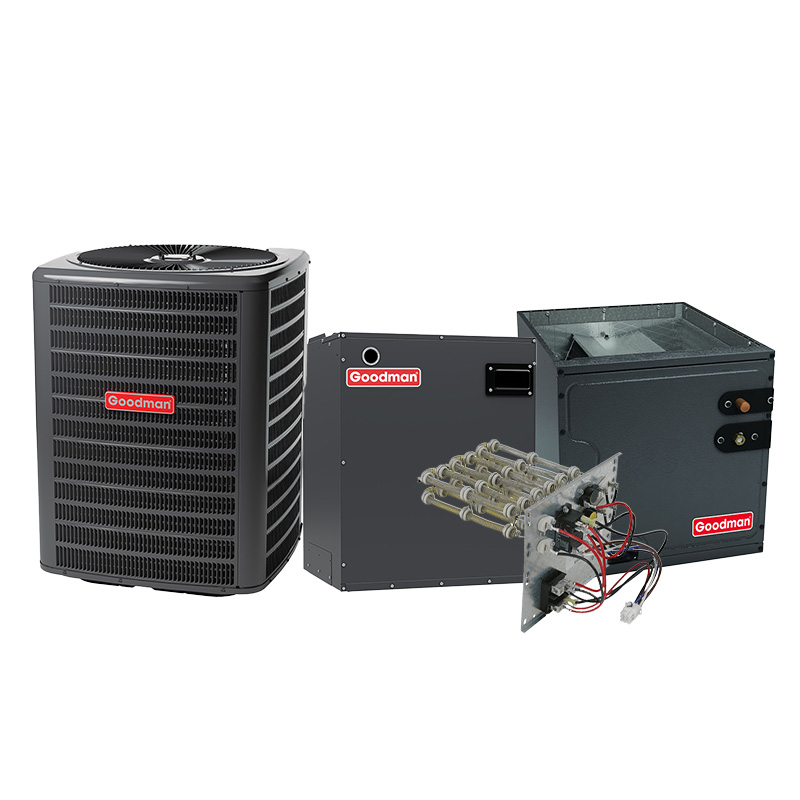
Goodman AC & Air Handler | 2 Ton 18.5 SEER2 2 Stage AC With Electric Heat – Upflow R32 | For Very Mild Winter Climates
View on AC Direct see your lowest price →Check current price on AC Direct →
Key features
- 18.5 SEER2 two-stage compressor for improved humidity control and quieter part-load operation
- R-32 refrigerant with lower global-warming potential than R-410A
- Upflow air handler configuration suited to basement and closet installations
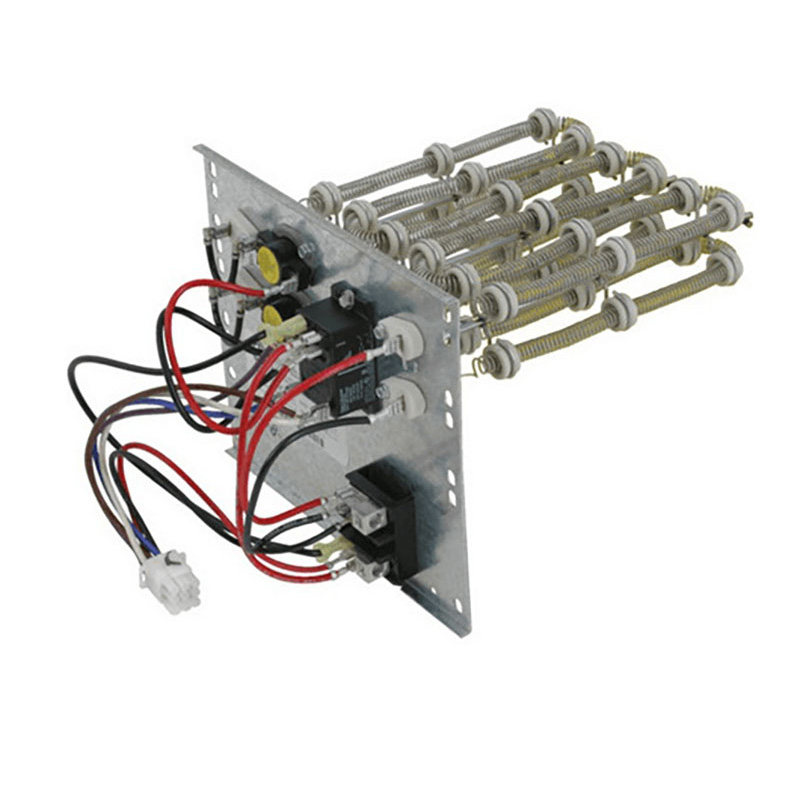
- Electric heat strips included for supplemental heating in very mild winter climates
- 2-ton cooling capacity sized for approximately 900 to 1,200 square feet depending on load
- Priced approximately 15 to 25 percent below comparable Trane, Carrier, and Lennox systems
About this system
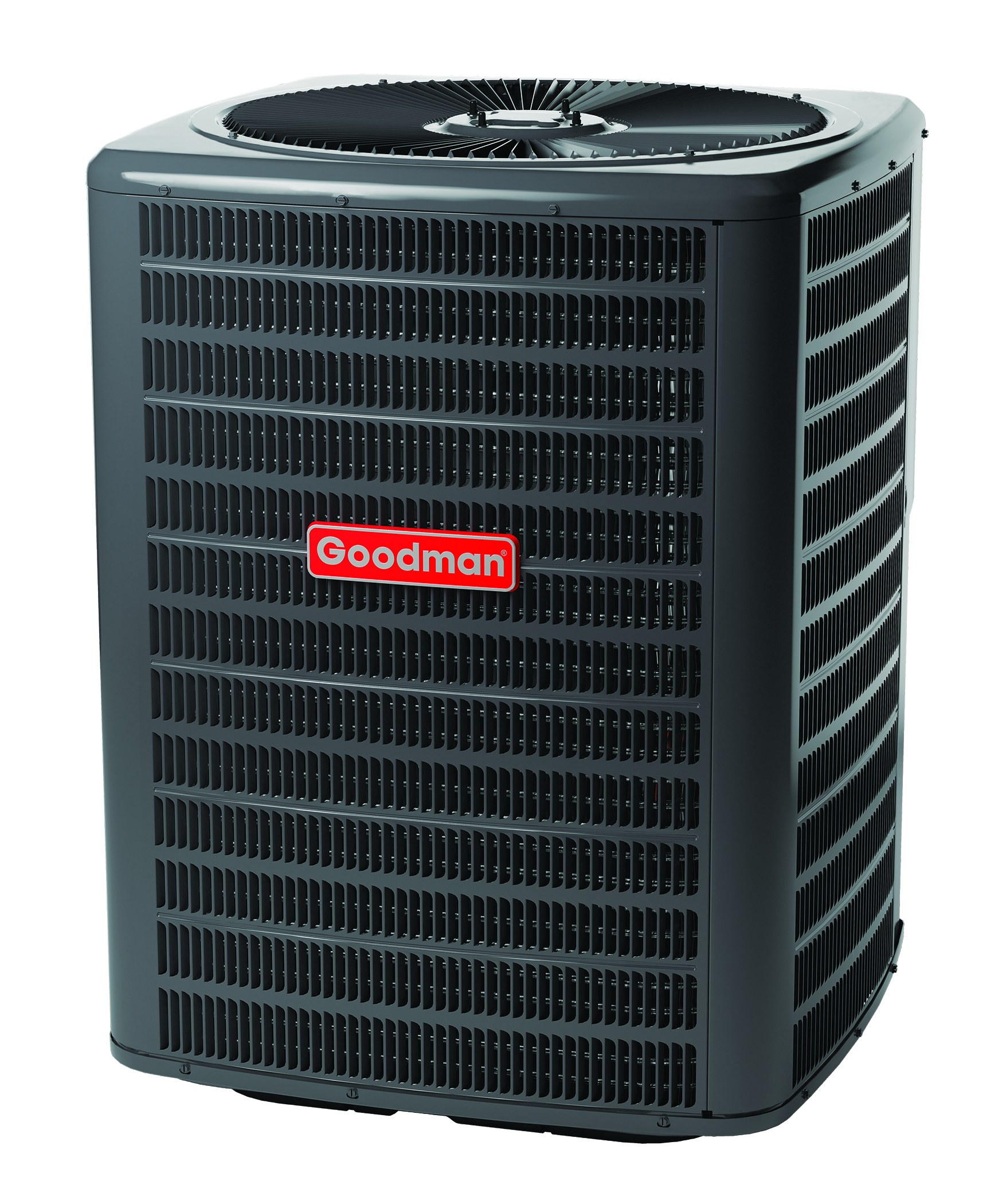
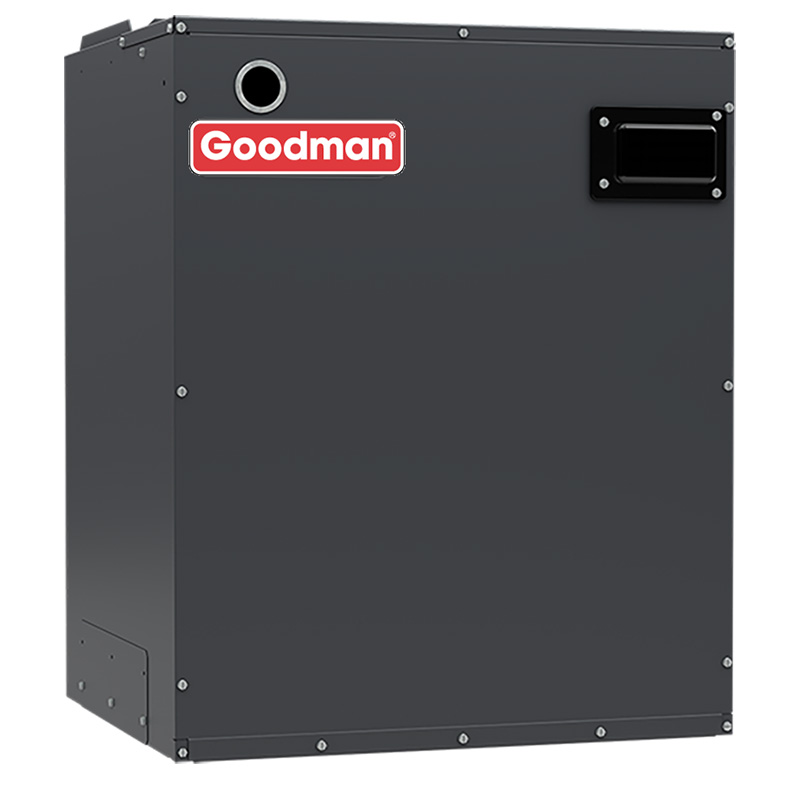
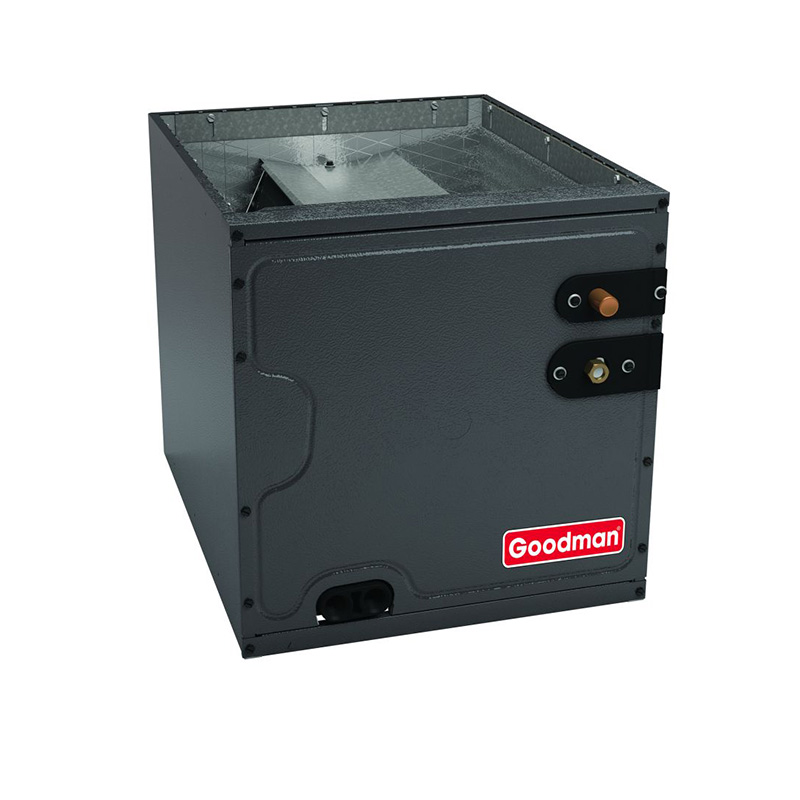
This Goodman 2-ton, 18.5 SEER2 two-stage system pairs a high-efficiency air conditioner with an upflow electric air handler designed for regions where winter heating demand is light enough that a gas furnace would be overkill. The electric heat strips handle the occasional cold snap, while the R-32 refrigerant charge keeps the global-warming potential lower than older R-410A systems. At 2 tons, the cooling output suits conditioned spaces in roughly the 900 to 1,200 square foot range, though proper Manual J load calculations by your installer matter far more than a square-footage rule of thumb.
The two-stage compressor is the headline spec here. Running at low capacity the majority of the time, it cycles less frequently than a single-stage unit, which typically means better humidity control, quieter operation, and more even temperatures room to room. The 18.5 SEER2 rating lands this system in genuine high-efficiency territory under the newer, more realistic DOE test conditions, so expect real-world energy bills that are meaningfully lower than a 14 or 15 SEER2 entry-level unit. That said, hitting the rated efficiency depends heavily on proper refrigerant charge, matched ductwork, and a clean installation, which is especially true for R-32 systems given that not every technician is yet certified to handle that refrigerant.
The upflow configuration means the air handler pulls return air in at the bottom and pushes conditioned air up into the duct system, making it the right fit for installations in a basement, utility closet, or ground-level mechanical room where ductwork runs above the unit. Buyers in very mild winter climates, think coastal Southeast, Southern California, or the lower Gulf Coast, who want a step up from builder-grade equipment without paying Carrier or Trane prices will find this system worth a close look, provided they invest in a qualified installer.
This Goodman system delivers genuinely high efficiency and useful two-stage operation at a price point that undercuts premium brands by a meaningful margin. The trade-off is a brand with a documented history of capacitor failures, evaporator coil leaks, and compressors that tend to run shorter careers than those in premium equipment, along with a real dependence on installation quality to reach its rated performance. It is a reasonable choice for budget-conscious buyers who vet their installer carefully and treat the lower upfront cost as partial self-insurance against future repair calls.
Overall score is the average of the five ratings above.
What we like
- 18.5 SEER2 rating is legitimately high efficiency, not just marketing, under the current stricter DOE test standard
- Two-stage operation provides better humidity removal and more consistent comfort than single-stage alternatives at this price
- R-32 refrigerant has a lower environmental footprint and is increasingly supported by certified technicians
- Upfront cost runs roughly 15 to 25 percent less than comparable Carrier, Trane, or Lennox configurations
- Widely available parts network means capacitors and other common wear items are easy to source quickly
Trade-offs
- Dual-run capacitor failures are the most frequently reported issue, typically appearing within the first several years and costing 300 to 600 dollars to repair
- Evaporator coil leaks show up in a meaningful share of owner reports and can be a costly mid-life repair
- Compressor longevity averages 10 to 14 years versus 15 to 20 years seen in premium brands, shortening the system's useful life
- R-32 requires a certified technician for service, and not every local HVAC company is equipped for it yet, which can limit your service options
What homeowners and pros say about Goodman
Homeowners who have lived with Goodman equipment give it a split verdict that shows up clearly in the numbers: a ConsumerAffairs rating of around 2.5 out of 5 and a Google dealer review average near 3.8 out of 5. The gap between those two scores reflects the channel as much as the product. ConsumerAffairs draws frustrated owners looking for a place to vent, and the recurring story there is repair costs rising after roughly year seven, often tied to evaporator coil leaks or a compressor that did not make it to the 15-year mark. The dealer review scores, which pull from a broader population including satisfied customers, show affordability as the most consistent praise. People who paid significantly less upfront than they would have for a Trane or Carrier tend to feel that trade-off was fair, at least in the early years.
HVAC technicians tend to be candid about Goodman in ways that are worth hearing before you buy. They flag dual-run capacitors as the most predictable service call on these units, a repair that runs 300 to 600 dollars and that many techs treat as routine maintenance on aging Goodman equipment rather than a surprise. Coil leaks and refrigerant loss within the first year also come up in technician forums, most often traced to installation or initial charge issues rather than a factory defect. The consistent professional advice is that a Goodman installed by a careful, experienced technician performs acceptably well, while the same unit installed carelessly will underperform and fail sooner. For this two-stage R-32 system specifically, that installer-quality caveat carries extra weight because R-32 handling and two-stage commissioning leave less room for shortcuts than a basic single-stage R-410A setup.
Sources: ConsumerAffairs Goodman owner reviews, AHRI Directory of Certified Product Performance, U.S. DOE appliance and equipment efficiency standards, Goodman product specification sheets.
What it costs to run
At 18.5 SEER2, cooling this 2-ton system for a typical 1200-hour cooling season at the U.S. average electricity rate of $0.17/kWh works out to roughly $265 per year in cooling, about $100 less per year than a minimum-efficiency 13.4 SEER2 unit of the same size. Your real cost depends on your climate and local rate.
Method: (24,000 BTU/hr ÷ 18.5 SEER2) × 1200 hours ÷ 1000 × $0.17/kWh. Rate source: U.S. EIA average; cooling hours: moderate-climate estimate.
How it compares
| Brand | Comparable model | SEER2 | Stage | Price position |
|---|---|---|---|---|
| Goodman | 2-Ton 18.5 SEER2 Two-Stage AC with Electric Heat Air Handler, Upflow R-32 | 18.5 | Two-stage | Value pick |
| Carrier | Comfort 18 Series (24ACC6) | 18 | Single-stage | Typically 15 to 25 percent more than this Goodman system |
| Trane | XR18 | 18 | Single-stage | Typically 15 to 25 percent more than this Goodman system |
| Lennox | Merit ML18XC1 | 18 | Single-stage | Typically 15 to 25 percent more than this Goodman system |
Competitor rows are comparable single-stage units at similar efficiency; price is relative position, not a quote.
Questions about this system
Is R-32 refrigerant going to be a problem to service in my area?
It depends on your local technician pool. R-32 requires specific EPA certification and equipment that not every HVAC company has yet, particularly in smaller markets. Before purchasing, confirm that at least two or three local contractors are already certified to handle R-32 so you are not locked into a single service provider.
Will the electric heat strips be enough for my winter, or do I need a backup heat source?
Electric heat strips work fine for the occasional cold snap in mild climates like coastal Southeast or Southern California, but they are expensive to operate for extended cold periods because they run at 100 percent efficiency rather than the 200 to 300 percent efficiency of a heat pump. If your area sees more than a few weeks of temperatures below 40 degrees Fahrenheit, a heat pump system would be a more cost-effective choice.
What is the actual warranty on this system?
Goodman typically covers parts for 10 years on registered units, but the labor to install those parts is your expense after the first year or two depending on the dealer. Registration must usually be completed within 60 days of installation to activate the full term, so keep your paperwork and confirm registration with your installer.
How much does a dual-run capacitor failure cost to fix, and how likely is it?
Capacitor replacement on Goodman equipment is the single most commonly reported repair call, and it typically runs 300 to 600 dollars for parts and labor. It is a straightforward fix that a competent technician can handle in under an hour, and many owners encounter it at least once over the life of the unit, often in years four through eight.
Does the two-stage compressor actually make a noticeable difference in humidity control compared to a single-stage unit?
Yes, in humid climates it is one of the most practical benefits. Running at low stage for longer cycles allows the evaporator coil more contact time with the air, which removes more moisture than a single-stage unit that short-cycles. For a 2-ton system in a well-sealed home, the difference in indoor humidity levels on a mild but muggy day can be quite noticeable.
Specifications
| Cooling capacity | 2 Ton |
| Efficiency | 18.5 SEER2 |
| Configuration | Upflow |
| Refrigerant | R-32 |