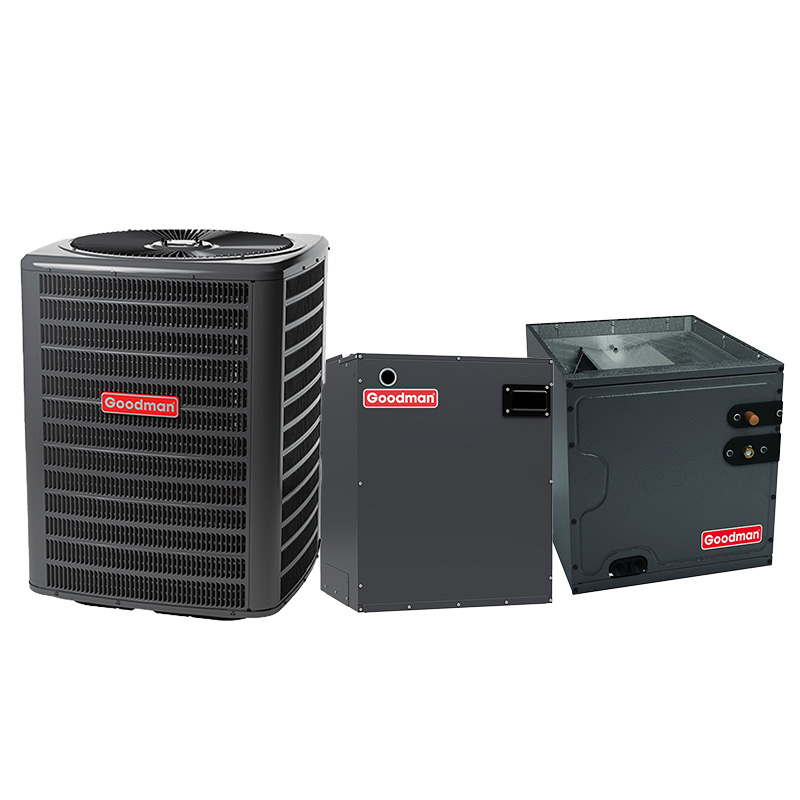
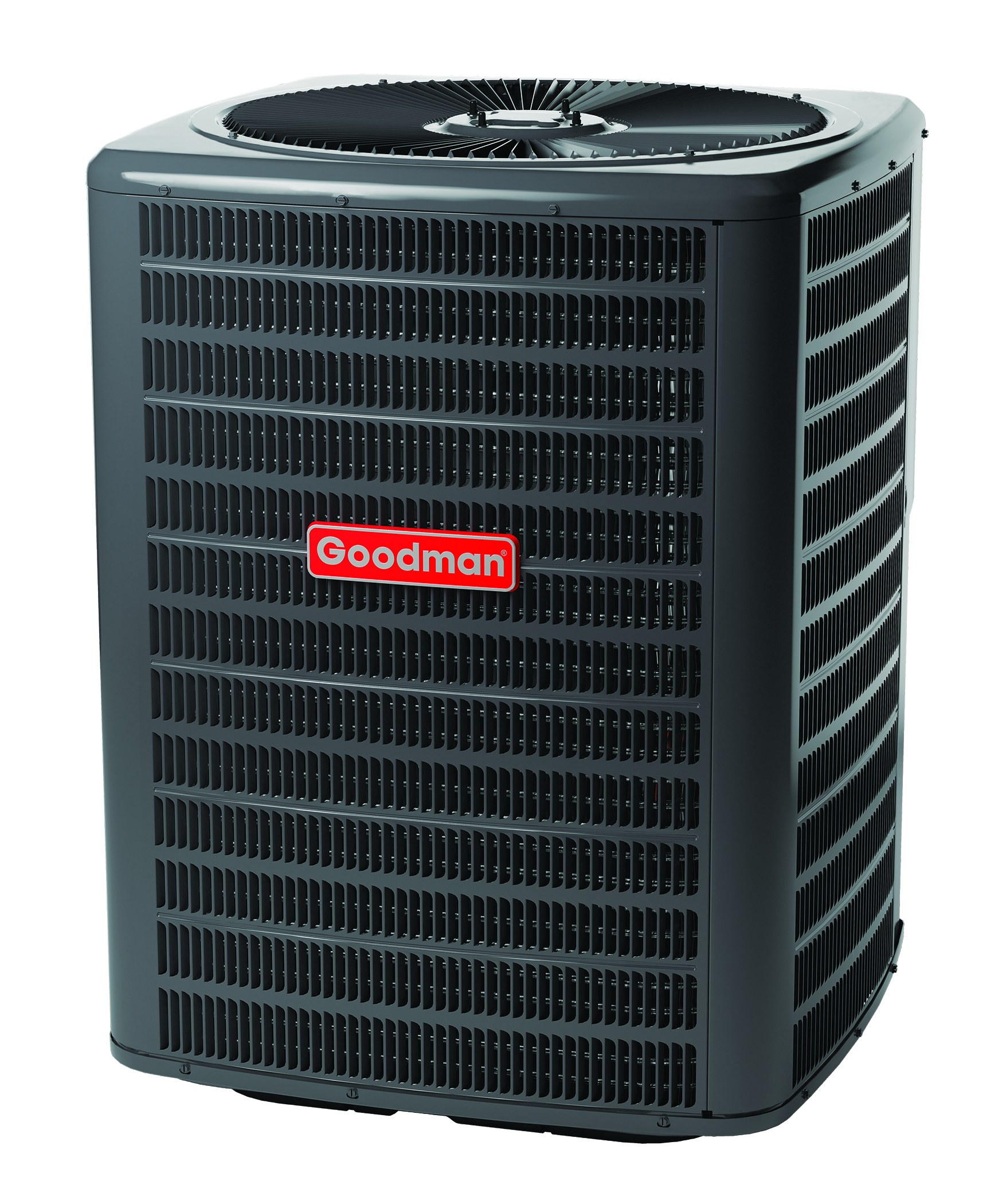
Goodman AC & Air Handler | 3 Ton 18 SEER2 2 Stage AC Upflow | R32
View on AC Direct see your lowest price →Check current price on AC Direct →
Key features
- 18 SEER2 two-stage cooling for improved humidity control and quieter partial-load operation
- 3-ton capacity suited to homes roughly 1,400 to 2,000 square feet depending on climate and insulation
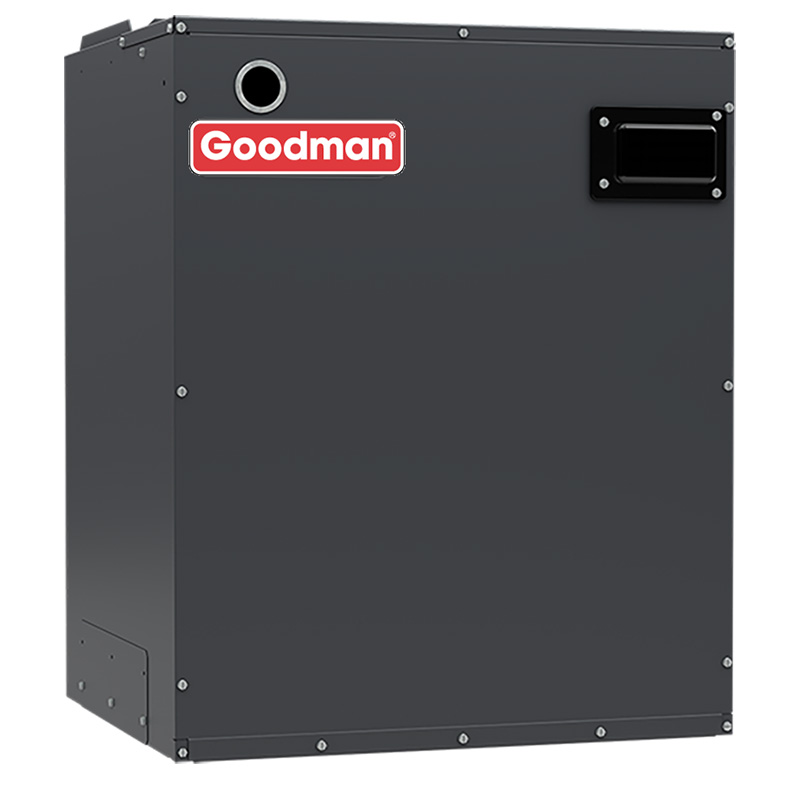
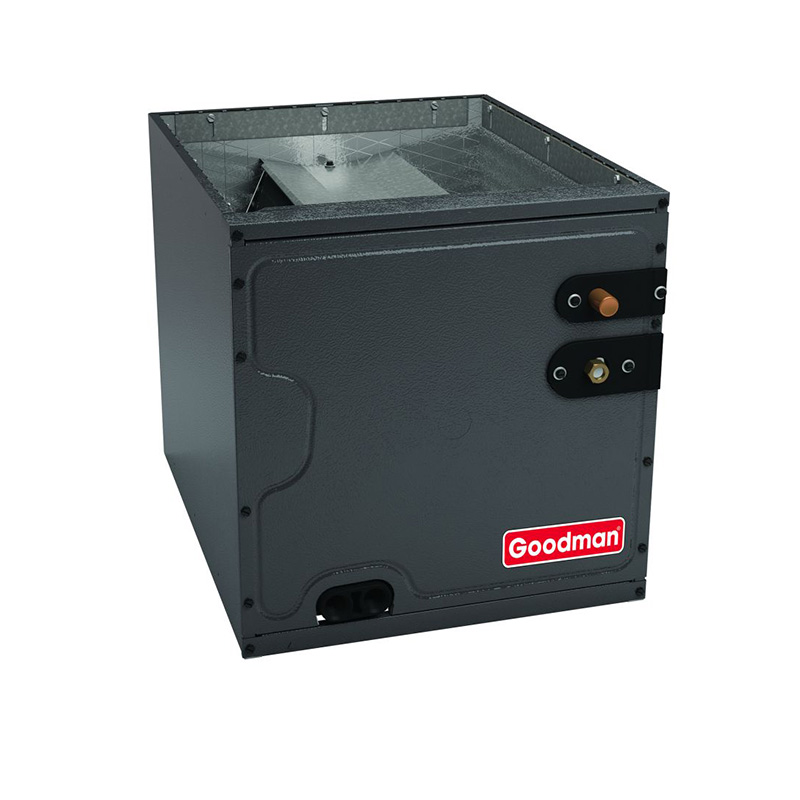
- Upflow air handler orientation for basement or closet installations with overhead duct systems
- R-32 refrigerant with lower global warming potential than R-410A
- Two-stage compressor reduces short-cycling and uneven temperatures compared to single-stage units
- Goodman factory warranty covers the compressor and functional parts (registration required for full term)
About this system
This Goodman 3-ton, 18 SEER2 two-stage air conditioner paired with an upflow air handler is a solid mid-efficiency choice for homeowners who want meaningfully better comfort than a basic single-stage system without paying premium-brand prices. The two-stage compressor runs at a lower capacity on mild days, which reduces short-cycling, keeps humidity in check, and trims energy bills compared to a single-stage unit of the same nominal efficiency. At 18 SEER2, this system sits comfortably above the federal minimum but below the top tier of variable-speed equipment, making it a practical middle ground for most climates in the continental U.S.
The upflow configuration suits the most common residential setup: a unit installed in a basement, closet, or mechanical room where supply air exits through the top into overhead ductwork. R-32 refrigerant gives this system a lower global warming potential than the R-410A it replaces and is increasingly standard in new Goodman equipment. Keep in mind that not all technicians are yet certified to handle R-32, so confirming your installer has the right certification before scheduling service is worth the extra phone call. As with all Goodman equipment, the quality of the installation will have more bearing on long-term performance than the unit itself.
This Goodman two-stage system offers a genuine efficiency and comfort upgrade over entry-level single-stage equipment at a price point that is hard to match from Carrier, Trane, or Lennox. The trade-off is a shorter expected compressor lifespan and a documented history of component issues, particularly capacitors and evaporator coil leaks, that owners should budget for after year seven. For buyers who prioritize upfront value and use a skilled installer, this is a reasonable choice; for buyers who want to set it and forget it for 20 years, premium brands have a stronger track record.
Overall score is the average of the five ratings above.
What we like
- Priced 15 to 25 percent below comparable Trane, Carrier, and Lennox two-stage systems
- Two-stage operation provides better dehumidification and more even temperatures than single-stage alternatives
- 18 SEER2 rating qualifies for many utility rebate programs and meaningfully reduces operating costs over a single-stage unit
- R-32 refrigerant has lower environmental impact and is increasingly supported by service technicians
- Dual-run capacitor failures, the most common reported issue, are a relatively inexpensive repair in the $300 to $600 range
Trade-offs
- Compressor lifespan averages 10 to 14 years versus 15 to 20 years typical of premium brands
- Evaporator coil leaks appear in a meaningful share of owner reviews, a potential mid-life repair cost
- A minority of owners report refrigerant leaks in the first year, most often traced to installation or initial charge quality
- R-32 certification is not yet universal among technicians, which can complicate service calls in some markets
What homeowners and pros say about Goodman
Homeowners who chose Goodman equipment most often cite the lower upfront cost as the decisive factor, and that sentiment is broadly reflected in Google dealer reviews that average around 3.8 out of 5 across locations, where affordability is the most frequently mentioned positive. The picture gets more complicated over time. ConsumerAffairs scores for Goodman sit at roughly 2.5 out of 5, a channel that skews toward people with complaints, where the recurring theme is repair costs climbing after roughly year seven. For this particular two-stage, R-32 system, the efficiency level and staging should be real positives in day-to-day use, but the underlying Goodman component track record still applies: dual-run capacitors are the most commonly documented failure point, evaporator coil leaks show up with enough frequency to warrant attention, and compressor lifespan averaging 10 to 14 years trails the 15 to 20 years owners of premium brands often report.
HVAC technicians are generally consistent in one observation: Goodman’s performance is heavily shaped by who installs it. A clean, properly charged, well-commissioned install on this two-stage system is likely to serve a homeowner well for a decade or more with a few routine repairs along the way. An install with a sloppy refrigerant charge or undersized ductwork will accelerate the failure modes the brand is already known for. The minority of first-year refrigerant leak reports in owner reviews are almost always tied to installation quality rather than factory defects, which is a meaningful data point when vetting contractors. For buyers who can confirm a skilled local installer and who want two-stage comfort without paying premium-brand prices, this system represents a reasonable value proposition with eyes open on the long-term component risks.
Sources: ConsumerAffairs Goodman owner reviews, AHRI Directory of Certified Product Performance, U.S. DOE appliance and equipment efficiency standards, Goodman product specification sheets.
What it costs to run
At 18 SEER2, cooling this 3-ton system for a typical 1200-hour cooling season at the U.S. average electricity rate of $0.17/kWh works out to roughly $408 per year in cooling, about $140 less per year than a minimum-efficiency 13.4 SEER2 unit of the same size. Your real cost depends on your climate and local rate.
Method: (36,000 BTU/hr ÷ 18 SEER2) × 1200 hours ÷ 1000 × $0.17/kWh. Rate source: U.S. EIA average; cooling hours: moderate-climate estimate.
How it compares
| Brand | Comparable model | SEER2 | Stage | Price position |
|---|---|---|---|---|
| Goodman | 3-Ton 18 SEER2 Two-Stage Upflow with Air Handler (R-32) | 18 | Two-stage | Value pick |
| Carrier | Comfort 18 Series (24ACC6) | 18 | Single-stage | Typically 15 to 25 percent more than Goodman |
| Trane | XR18 | 18 | Single-stage | Typically 15 to 25 percent more than Goodman |
| Lennox | Merit ML18XC1 | 18 | Single-stage | Typically 15 to 25 percent more than Goodman |
Competitor rows are comparable single-stage units at similar efficiency; price is relative position, not a quote.
Questions about this system
Do I need a special technician to service the R-32 refrigerant in this system?
Yes. R-32 requires a technician who holds the specific Section 608 certification for A2L refrigerants. While this is becoming more common, you should confirm your installer and your preferred service tech are certified before the unit is installed and before booking any future maintenance calls.
What parts are most likely to need replacement, and roughly what does that cost?
Dual-run capacitors are the most frequently reported failure on Goodman equipment and typically run $300 to $600 to replace, parts and labor included. Evaporator coil leaks show up in a meaningful share of longer-term owner reviews and carry a higher repair cost. Budgeting for one or two service calls after year seven is reasonable planning.
Does Goodman's warranty require professional registration, and what does it actually cover?
Yes. Goodman requires you to register the equipment within a set window after installation to receive the full warranty term on the compressor and functional parts. Without registration you typically receive a shorter base coverage period, so completing that step promptly after install is important.
Will two-stage cooling actually make a noticeable difference compared to a single-stage system?
In most homes, yes. The lower-capacity stage runs longer cycles at reduced output, which removes more moisture from the air and prevents the sharp temperature swings associated with single-stage short-cycling. The difference is especially noticeable during humid shoulder seasons when the full cooling load is not needed.
How important is installer quality with this specific Goodman system?
Extremely important. HVAC technicians consistently cite install quality as the single biggest factor in how long a Goodman unit lasts, and early refrigerant leaks in owner reviews are most often attributed to installation or initial charge errors rather than factory defects. Getting multiple quotes and checking references for your contractor matters more here than with some premium brands.
Specifications
| Cooling capacity | 3 Ton |
| Efficiency | 18 SEER2 |
| Configuration | Upflow |
| Refrigerant | R-32 |