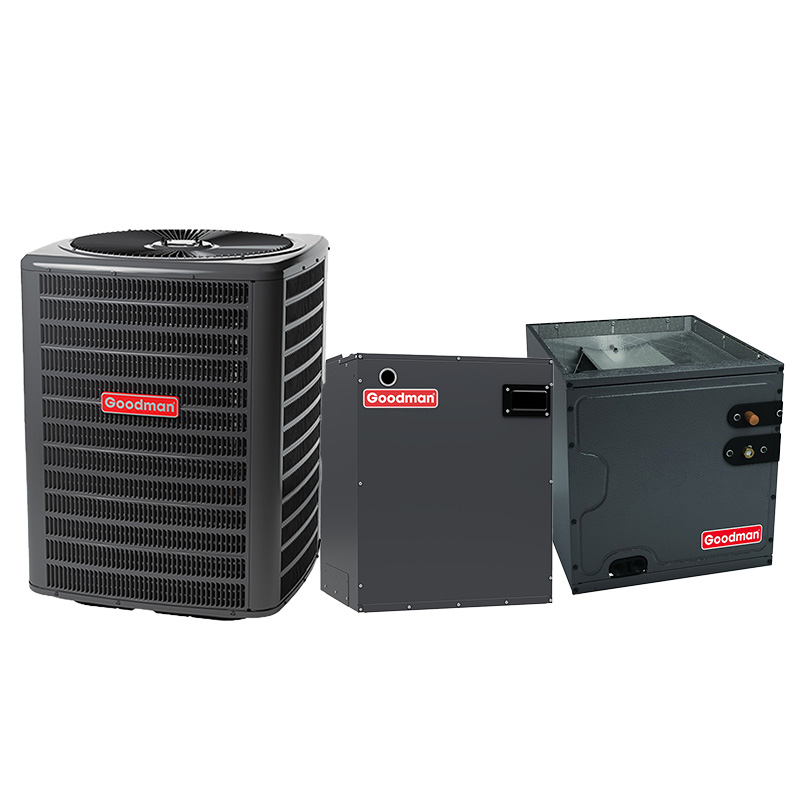
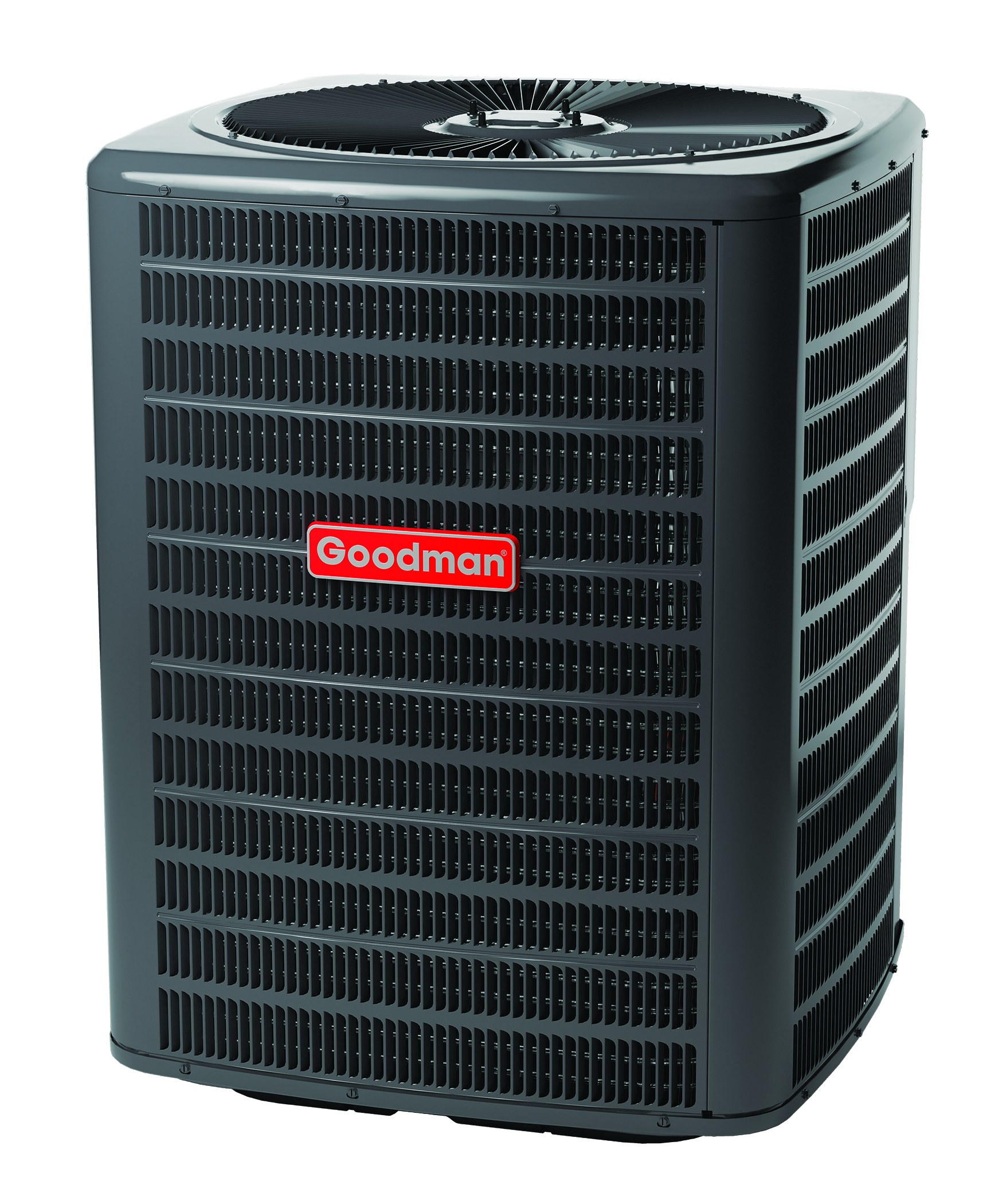
Goodman AC & Air Handler | 4 Ton 17.5 SEER2 2 Stage AC Upflow | R32
View on AC Direct see your lowest price →Check current price on AC Direct →
Key features
- 17.5 SEER2 efficiency rating, upper-mid tier and above most regional minimums
- Two-stage compressor for improved humidity control and quieter part-load operation
- R-32 refrigerant, lower global warming potential than R-410A
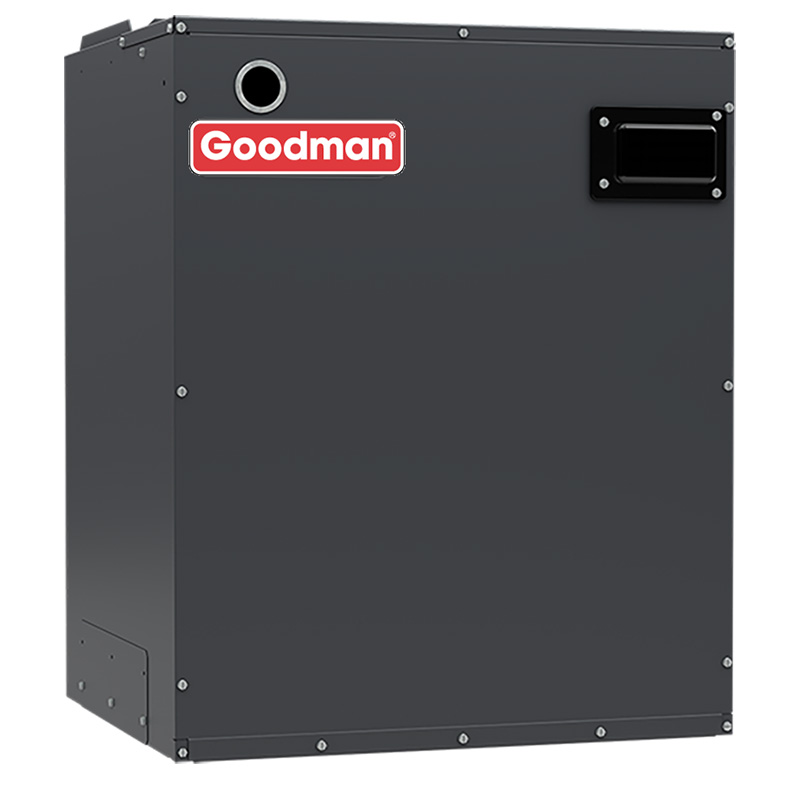
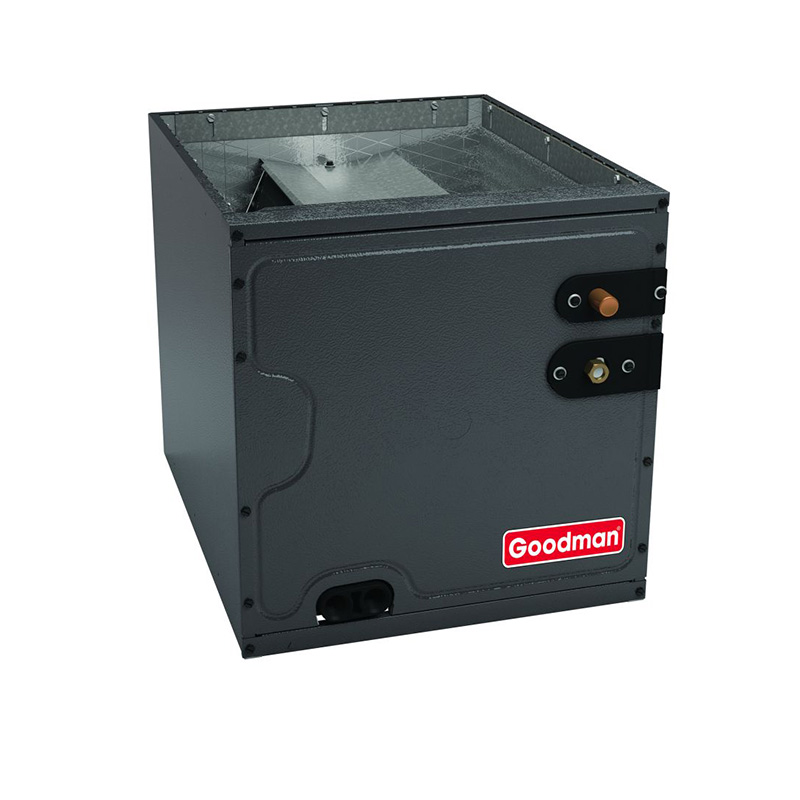
- Upflow air handler configuration for basement, utility room, or garage installs
- 4-ton capacity suited to larger homes in the 2,000 to 2,600 sq ft range
- Priced approximately 15 to 25 percent below comparable Carrier, Trane, and Lennox systems
About this system
This Goodman 4-ton, 17.5 SEER2 two-stage air conditioner paired with an upflow air handler is built around R-32 refrigerant, a lower-global-warming-potential refrigerant that is increasingly common as the industry moves away from R-410A. At 4 tons, the system is sized for homes roughly in the 2,000 to 2,600 square foot range depending on climate, insulation, and window load. The 17.5 SEER2 rating sits comfortably in the upper-mid efficiency tier, well above the federal minimums for most regions and high enough to qualify for federal tax credits under the Inflation Reduction Act energy efficiency provisions.
The two-stage compressor is the standout operational feature here. Rather than running at full capacity every cycle, it can operate at a lower stage during mild weather, which reduces short-cycling, keeps humidity in check more effectively than a single-stage unit, and produces quieter operation at part load. The upflow air handler configuration is the most common setup in homes where the unit sits in a basement, utility closet, or garage with ductwork running upward. This system suits homeowners who want a meaningful step up in comfort and efficiency over a single-stage entry-level unit without paying Carrier, Trane, or Lennox prices.
The Goodman 4-ton 17.5 SEER2 two-stage system offers genuine efficiency and comfort benefits at a price point that undercuts the major premium brands by a meaningful margin. The trade-off is a real one: documented failure modes including capacitor issues, evaporator coil leaks, and a compressor lifespan that runs shorter than premium competitors mean long-term ownership costs can erode the upfront savings. Install quality matters more with Goodman than with most brands, so choosing an experienced, careful contractor is not optional.
Overall score is the average of the five ratings above.
What we like
- 17.5 SEER2 delivers real energy savings and meets efficiency thresholds for federal tax credits
- Two-stage operation meaningfully improves humidity control versus single-stage alternatives
- R-32 refrigerant positions the system well for regulatory longevity as R-410A phases out
- Upfront purchase price is 15 to 25 percent lower than comparable Carrier, Trane, or Lennox equipment
- Two-stage compressor reduces short-cycling, which extends component life under normal conditions
Trade-offs
- Dual-run capacitors are the most frequently reported failure, adding service calls typically in the $300 to $600 range after the first few years
- Evaporator coil leaks show up in a meaningful share of owner reports and can be a costly mid-life repair
- Compressor lifespan averages 10 to 14 years versus 15 to 20 years for premium brands, raising replacement cost risk over time
- A minority of owners report refrigerant leaks within the first year, most often traced to install or charge issues rather than factory defects
What homeowners and pros say about Goodman
Homeowners who post about Goodman equipment online tend to cluster at the extremes. On ConsumerAffairs, the brand scores around 2.5 out of 5, a channel that skews toward complaints, and the recurring pattern there is repair costs climbing noticeably after roughly year seven. The specific failure modes mentioned most often match the documented record: dual-run capacitors going out, evaporator coil leaks developing in middle age, and compressors that tend to top out in the 10 to 14 year range rather than the 15 to 20 years owners of premium equipment more often see. On Google dealer reviews, the picture is more balanced, with Goodman installers averaging around 3.8 out of 5 across hundreds of reviews, where the most common praise is straightforward: it costs less upfront and it cools the house.
HVAC technicians tend to describe Goodman as an equipment brand where the installer matters more than the nameplate. A well-charged, carefully commissioned Goodman system with properly sealed ductwork will perform close to its rated efficiency and run reliably for years. The same unit installed hastily, with an off-spec refrigerant charge or loose fittings, is where the first-year refrigerant leak reports come from. For this specific 4-ton two-stage R-32 system, pros note that the R-32 charge requirement adds one more reason to hire a contractor who is current on A2L refrigerant handling. The bottom line from both camps: Goodman is not a bad system, but it rewards careful buying on both the equipment side and the contractor side more than most.
Sources: ConsumerAffairs Goodman owner reviews, AHRI Directory of Certified Product Performance, U.S. DOE appliance and equipment efficiency standards, Goodman product specification sheets.
What it costs to run
At 17.5 SEER2, cooling this 4-ton system for a typical 1200-hour cooling season at the U.S. average electricity rate of $0.17/kWh works out to roughly $560 per year in cooling, about $171 less per year than a minimum-efficiency 13.4 SEER2 unit of the same size. Your real cost depends on your climate and local rate.
Method: (48,000 BTU/hr ÷ 17.5 SEER2) × 1200 hours ÷ 1000 × $0.17/kWh. Rate source: U.S. EIA average; cooling hours: moderate-climate estimate.
How it compares
| Brand | Comparable model | SEER2 | Stage | Price position |
|---|---|---|---|---|
| Goodman | 4-Ton 17.5 SEER2 Two-Stage R-32 Upflow | 17.5 | Two-stage | Value pick |
| Carrier | Comfort 16 / Performance 17 Series | 16-17 | Single-stage / Two-stage | Typically 15 to 25 percent more than Goodman |
| Trane | XR17 | 17 | Two-stage | Typically 15 to 25 percent more than Goodman |
| Lennox | Merit 16ACX / EL17XC1 | 16-17 | Single-stage / Two-stage | Typically 15 to 25 percent more than Goodman |
Competitor rows are comparable single-stage units at similar efficiency; price is relative position, not a quote.
Questions about this system
Is R-32 refrigerant a problem for technicians to work with or find?
R-32 is flammable (classified A2L) which means technicians need specific training and equipment to handle it safely. It is not exotic or hard to source, and the industry is actively training for it as it becomes the new standard, but you should confirm your HVAC contractor is certified to work with A2L refrigerants before scheduling service or installation.
What is the Goodman warranty on this system and what does it actually cover?
Goodman typically offers a 10-year parts warranty when the unit is registered within a set window after installation. The warranty covers parts replacement costs but does not cover labor, refrigerant, or diagnostic fees, which means a covered repair can still cost several hundred dollars out of pocket. Confirm registration requirements with your installer at the time of purchase.
How much can I actually save on electricity versus my old single-stage system?
A 17.5 SEER2 two-stage system will use meaningfully less electricity than a system rated at 13 to 14 SEER2, with savings varying by climate, utility rates, and how well the duct system is sealed. In a hot climate with high cooling hours, annual savings of several hundred dollars are realistic, but the exact figure depends too heavily on your specific home and usage to state a reliable number.
How often do the capacitors actually fail, and is it a big deal when they do?
Dual-run capacitor failure is the most commonly reported repair on Goodman equipment and tends to surface after the first several years of operation. The good news is it is typically one of the simpler, less expensive HVAC repairs, usually in the $300 to $600 range including labor, and most technicians can complete it in under an hour.
Will this system qualify for the federal energy efficiency tax credit?
As of current IRS guidance, split system central air conditioners need to meet a minimum efficiency threshold to qualify for the Section 25C tax credit, and 17.5 SEER2 systems with two-stage compressors generally meet that bar. You should verify the current requirements with a tax professional and confirm the specific model meets all listed criteria before filing, as rules can change.
Specifications
| Cooling capacity | 4 Ton |
| Efficiency | 17.5 SEER2 |
| Configuration | Upflow |
| Refrigerant | R-32 |