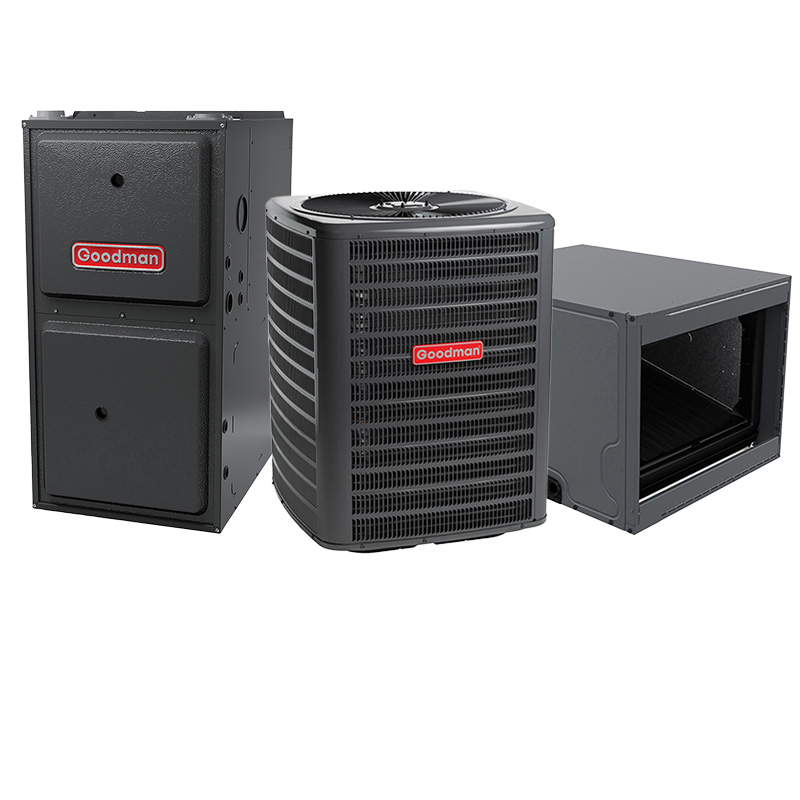
Goodman AC And Furnace – 2 Ton 17.2 SEER2 2 Stage AC With 60000 BTU 97% AFUE Modulating Variable-Speed ECM Gas Furnace System – Horizontal | R32
View on AC Direct see your lowest price →Check current price on AC Direct →
Key features
- 2-ton, 17.2 SEER2 two-stage cooling for reduced energy use and better humidity control
- 97% AFUE modulating gas furnace keeps temperatures consistent by adjusting output in small steps
- Variable-speed ECM blower motor lowers electricity use and runs quieter than single-speed motors
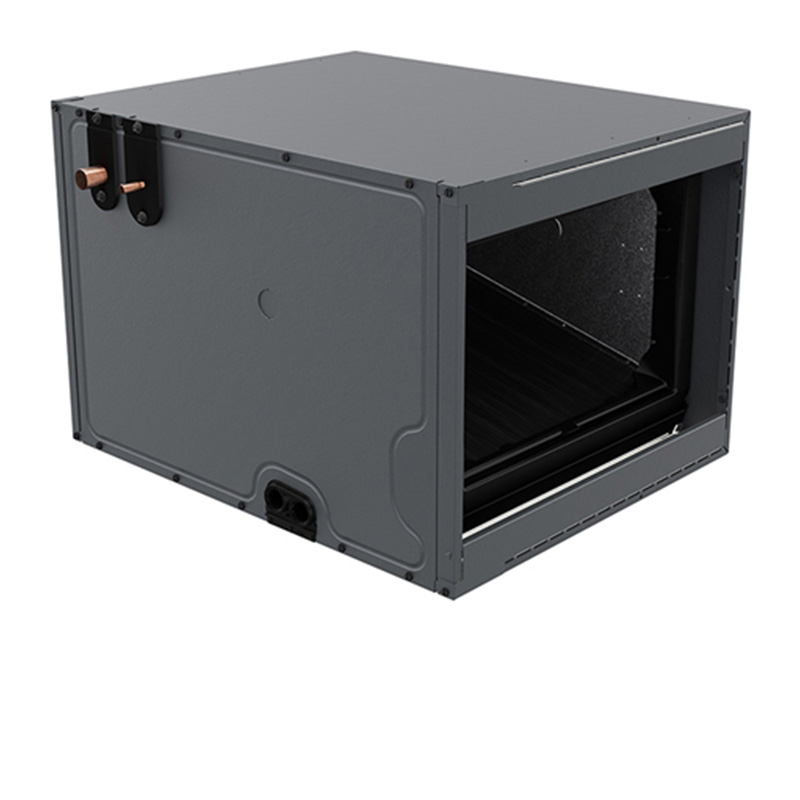
- Horizontal configuration designed for attic, crawlspace, or side-load closet installs
- R-32 refrigerant with lower global-warming potential than outgoing R-410A systems
- Factory-matched system sold as a bundle, simplifying compatibility and warranty coverage
About this system
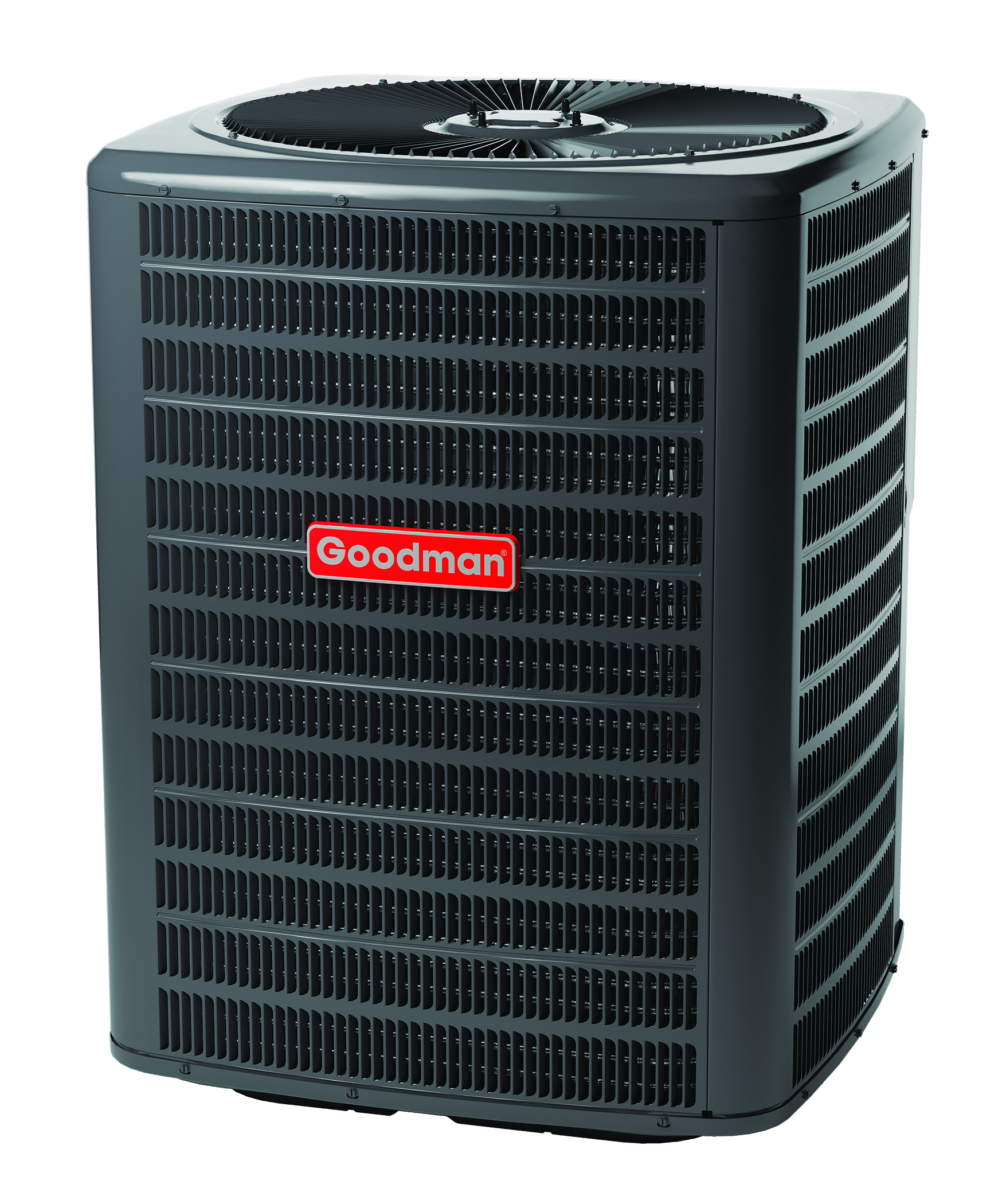
This Goodman bundle pairs a 2-ton, 17.2 SEER2 two-stage air conditioner with a 60,000 BTU, 97% AFUE modulating gas furnace in a horizontal configuration, making it a practical choice for crawlspace, attic, or closet installations where vertical clearance is limited. The R-32 refrigerant charge is a forward-looking detail: R-32 has a lower global-warming potential than the R-410A it replaces, and it is the direction the industry is heading under updated EPA rules. Efficiency sits at the upper end of the mid-tier range, which should translate to meaningfully lower operating costs compared to a 14 or 15 SEER2 entry-level system.
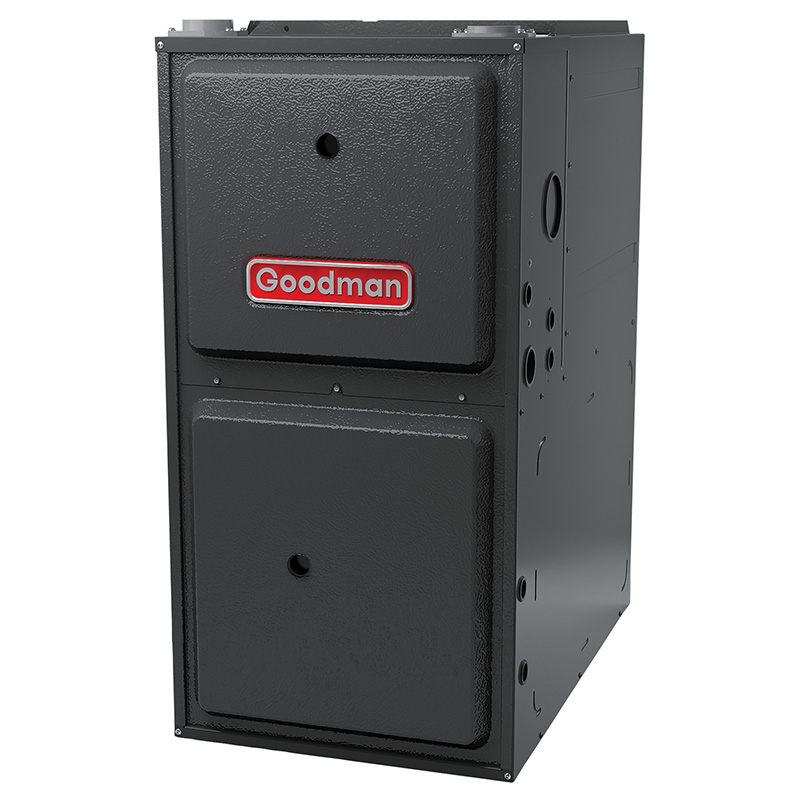
The modulating furnace is the standout piece of hardware here. Rather than switching between full-on and full-off, a modulating burner adjusts its output in small increments, keeping temperatures steady and reducing the temperature swings that make single-stage furnaces feel drafty. The variable-speed ECM blower motor complements that behavior by running longer at lower speeds, which also improves dehumidification in cooling mode and lowers electricity consumption at the air handler. That combination suits smaller homes, well-insulated builds, or any household where even temperatures and quieter operation matter more than raw heating capacity. Buyers should be aware that this is a budget-positioned brand with a documented repair history; the specs are competitive, but long-term durability depends heavily on professional installation and regular maintenance.
This Goodman bundle delivers genuinely good specs for the money: a modulating furnace and variable-speed blower are features you typically pay more for on Carrier, Trane, or Lennox equipment. The trade-off is a brand with a documented history of capacitor failures, evaporator coil leaks, and compressor lifespans that tend to run shorter than premium competitors, so the savings at purchase need to be weighed against a realistic expectation of repair costs after year 7.
Overall score is the average of the five ratings above.
What we like
- 17.2 SEER2 efficiency is above the federal minimum and competitive within its price tier
- Modulating furnace and ECM blower provide more even temperatures and quieter operation than single-stage alternatives
- Horizontal-only configuration is purpose-built for installs where vertical units simply will not fit
- R-32 refrigerant positions the system ahead of tightening environmental regulations
- Priced roughly 15 to 25 percent below comparable Carrier, Trane, and Lennox bundles
Trade-offs
- Dual-run capacitors are the most commonly reported failure, typically surfacing within the first several years at a cost of 300 to 600 dollars per repair
- Evaporator coil leaks appear in a meaningful share of owner reviews and can be costly to address
- Compressor lifespan averages 10 to 14 years versus 15 to 20 for premium brands, affecting long-term cost of ownership
- A minority of owners report refrigerant leaks in the first year, most often tied to install quality rather than factory defects
What homeowners and pros say about Goodman
On ConsumerAffairs, Goodman sits at roughly 2.5 out of 5, a score that reflects the platform’s complaint-heavy audience but also a real pattern: repair costs that climb after about year 7, with capacitor failures and evaporator coil leaks appearing repeatedly in owner write-ups. Google dealer reviews tell a more balanced story, averaging around 3.8 out of 5 across hundreds of location-level ratings, where affordability is the most commonly cited reason for a positive experience. For this particular system, the modulating furnace and ECM blower are genuinely premium features at a value price, and owners who get a clean, professionally verified install tend to report solid results in the early years.
HVAC technicians who service Goodman equipment point to dual-run capacitors as the most predictable repair call, a part that typically fails without warning and costs 300 to 600 dollars to swap. Coil leaks are the more expensive concern, and some contractors flag them as a reason to consider an extended parts warranty if one is available in your area. Compressor longevity is the longer-term consideration: Goodman compressors tend to average 10 to 14 years in the field versus 15 to 20 for premium brands, which matters for buyers planning to stay in a home beyond a decade. On balance, pros describe Goodman as a system that rewards attentive installation and consistent maintenance, and penalizes shortcuts more than a premium unit would.
Sources: ConsumerAffairs Goodman owner reviews, AHRI Directory of Certified Product Performance, U.S. DOE appliance and equipment efficiency standards, Goodman product specification sheets.
What it costs to run
At 17.2 SEER2, cooling this 2-ton system for a typical 1200-hour cooling season at the U.S. average electricity rate of $0.17/kWh works out to roughly $285 per year in cooling, about $80 less per year than a minimum-efficiency 13.4 SEER2 unit of the same size. Your real cost depends on your climate and local rate.
Method: (24,000 BTU/hr ÷ 17.2 SEER2) × 1200 hours ÷ 1000 × $0.17/kWh. Rate source: U.S. EIA average; cooling hours: moderate-climate estimate.
How it compares
| Brand | Comparable model | SEER2 | Stage | Price position |
|---|---|---|---|---|
| Goodman | 2-Ton 17.2 SEER2 Two-Stage AC / 60K BTU 97% AFUE Modulating Furnace (Horizontal, R-32) | 17.2 | Two-stage AC / Modulating furnace | Value pick |
| Carrier | Performance Series 24ACC636A003 / 59TP6 | 16-17 SEER2 range | Two-stage AC / Two-stage furnace | Typically 15 to 25 percent more than this Goodman bundle |
| Trane | XR17 / S9V2 | 17 SEER2 range | Two-stage AC / Variable-speed furnace | Typically 15 to 25 percent more than this Goodman bundle |
| Lennox | Merit ML17XC2 / ML296V | 17 SEER2 range | Two-stage AC / Variable-speed furnace | Typically 15 to 25 percent more than this Goodman bundle |
Competitor rows are comparable single-stage units at similar efficiency; price is relative position, not a quote.
Questions about this system
Why does this system use R-32 instead of R-410A, and does that affect service costs?
R-32 is a lower-GWP refrigerant being adopted industry-wide as regulations tighten around older refrigerants. It requires technicians to use compatible tools and has slightly different handling procedures than R-410A, but it is not exotic and most licensed HVAC contractors are already equipped for it. Long-term, refrigerant availability for R-32 is expected to be better than for R-410A, which is being phased down.
What does a modulating furnace actually mean for day-to-day comfort compared to a two-stage furnace?
A two-stage furnace operates at roughly two output levels, usually around 65 and 100 percent. A modulating furnace adjusts its flame in smaller increments, staying closer to exactly what the house needs at any given moment. In practice, that means fewer noticeable temperature swings, more consistent airflow, and quieter cycling, especially on mild days when the furnace runs at a low setting for longer periods.
How critical is professional installation for this specific Goodman system?
Very critical. Refrigerant leaks in the first year are a documented issue with Goodman equipment, and technicians consistently point to improper charging and connection work as the root cause rather than factory defects. Choosing an experienced installer who pressure-tests the system and verifies the R-32 charge with proper equipment is the single biggest step you can take to avoid early problems.
The horizontal configuration is listed as the only option. Can this unit be converted to vertical or upflow?
No. This system is factory-configured for horizontal installation only and should not be field-converted. If your install location requires a vertical or upflow orientation, you would need a different furnace cabinet configuration. Confirm your installation direction with your contractor before purchasing.
What are the most likely repair costs to budget for over the first 10 years?
Based on Goodman's documented failure patterns, dual-run capacitor replacement is the most common service call and typically runs 300 to 600 dollars. Evaporator coil leaks are a meaningful secondary concern and can cost considerably more depending on labor and refrigerant involved. Budgeting for one capacitor replacement and keeping up with annual tune-ups is a reasonable baseline expectation.
Specifications
| Cooling capacity | 2 Ton |
| Efficiency | 17.2 SEER2 |
| Furnace output | 60000 BTU |
| Furnace efficiency | 97% AFUE |
| Configuration | Horizontal |
| Refrigerant | R-32 |