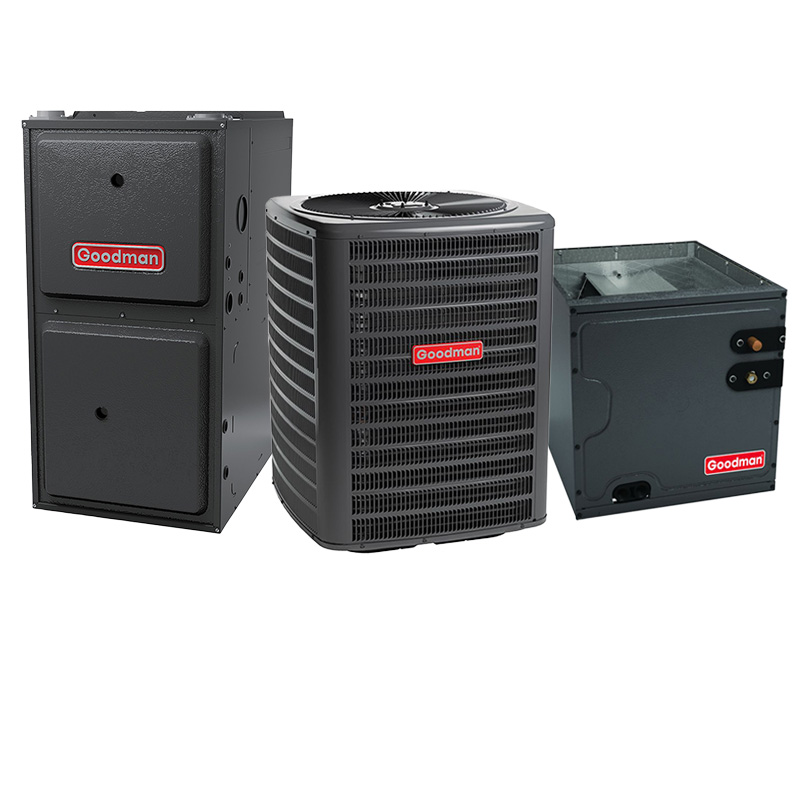
Goodman AC And Furnace – 2 Ton 17.5 SEER2 2 Stage AC With 60000 BTU 97% AFUE Modulating Variable-Speed ECM Gas Furnace System – Upflow | R32
View on AC Direct see your lowest price →Check current price on AC Direct →
Key features
- 17.5 SEER2 two-stage compressor for humidity control and part-load efficiency
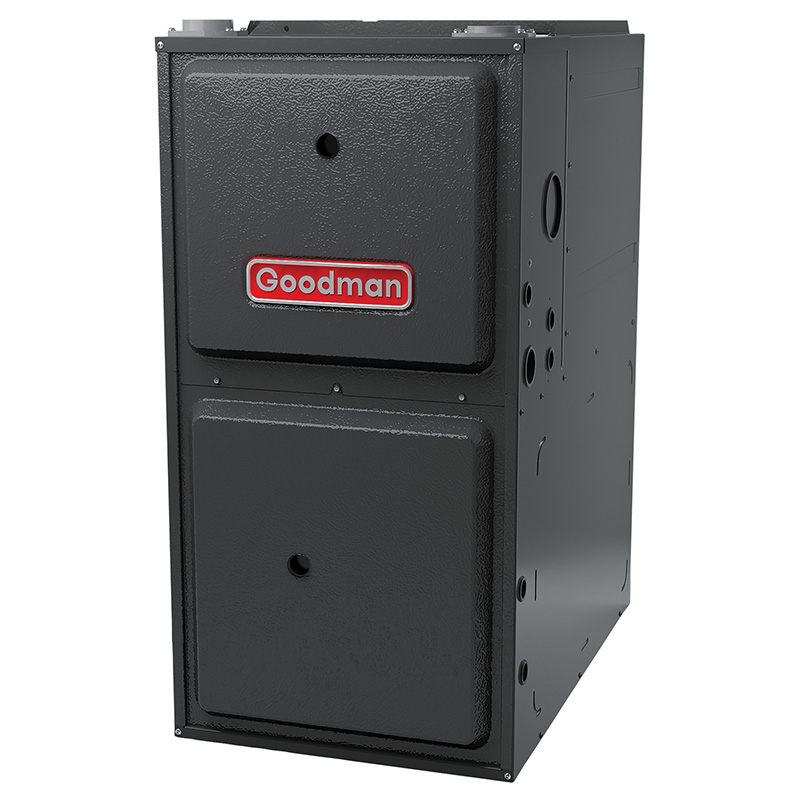
- 97% AFUE modulating gas furnace with variable-speed ECM blower motor
- R-32 refrigerant charge with lower global-warming potential than R-410A
- Upflow configuration for basement or utility-room installs with supply air above
- 60,000 BTU heating capacity suited to smaller homes in moderate to cold climates
- Modulating furnace burner reduces temperature swings and short-cycling
About this system
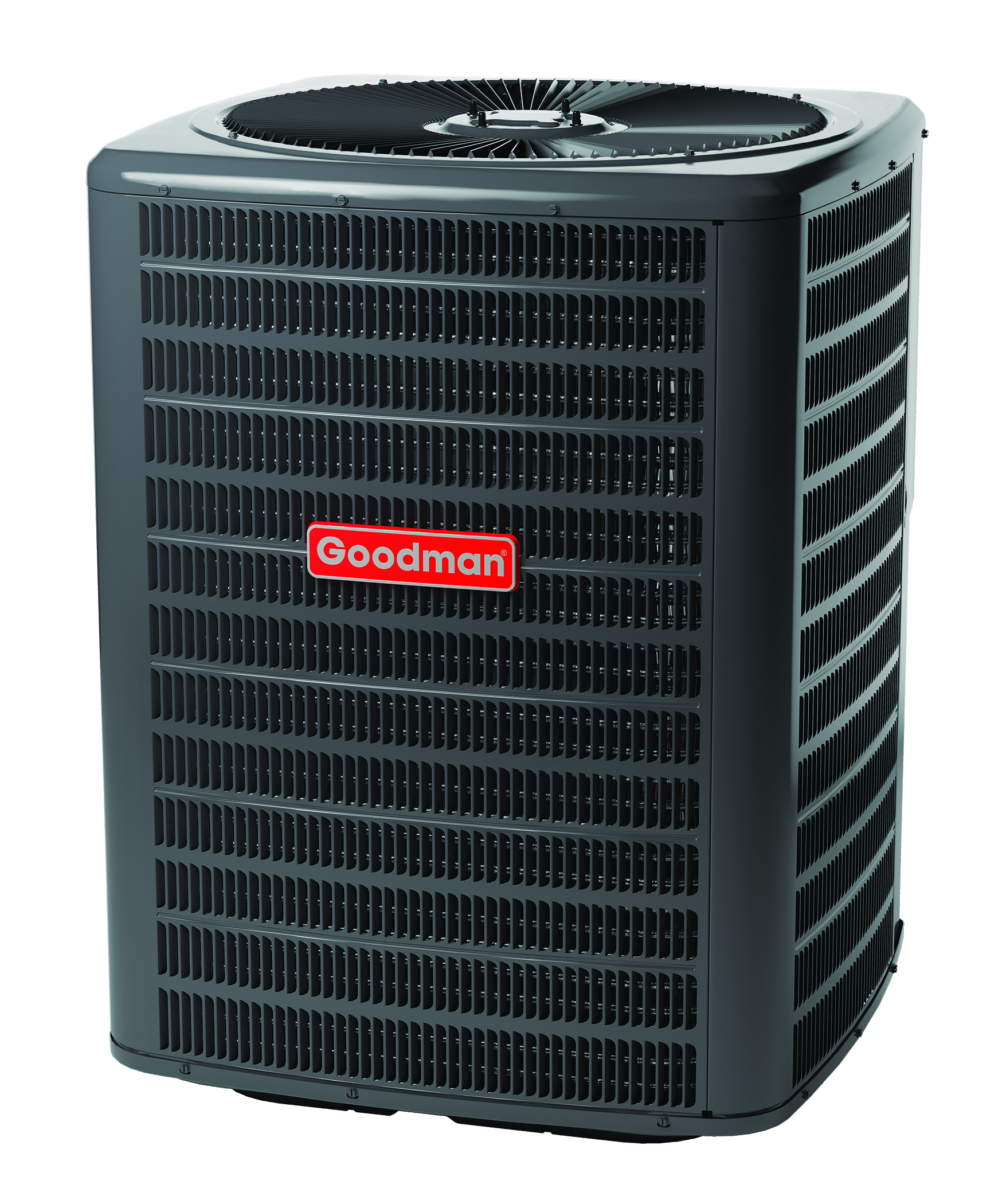
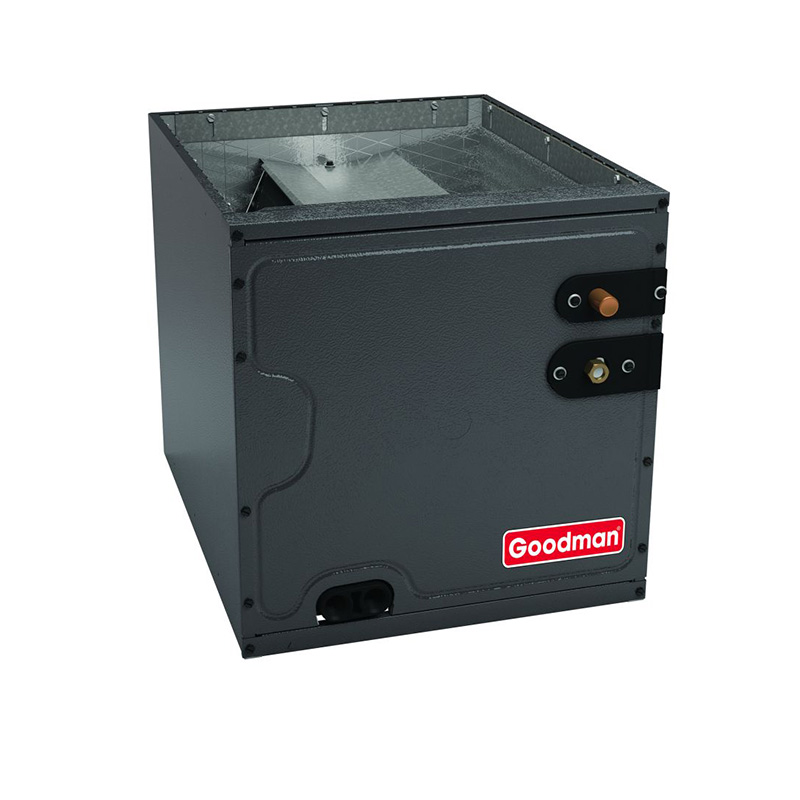
This Goodman bundle pairs a 2-ton, 17.5 SEER2 two-stage air conditioner with a 60,000 BTU, 97% AFUE modulating gas furnace in an upflow configuration, making it a strong candidate for smaller homes between roughly 800 and 1,200 square feet with gas service and a standard basement or utility-closet layout. The R-32 refrigerant charge is a forward-looking detail: R-32 has a lower global-warming potential than R-410A and is becoming the industry standard, so parts and service technicians familiar with it will only become more common over time.
The efficiency numbers here are genuinely meaningful. A 17.5 SEER2 rating sits comfortably above the federal minimums in most U.S. climate zones and will produce real savings over an older 13 or 14 SEER system. The 97% AFUE furnace is near the top of the efficiency scale for gas heat, meaning almost none of the fuel you pay for escapes as waste. The modulating, variable-speed ECM furnace motor adjusts output in small increments rather than blasting on and off, which improves comfort, reduces temperature swings, and lowers electricity use at the blower. Two-stage cooling on the AC unit adds a similar benefit in mild weather, running at the lower stage most of the time to hold humidity better and use less power.
The system suits a homeowner who wants above-average efficiency and comfort features without paying the premium that Trane, Lennox, or Carrier charge for similar specs. It is worth being clear-eyed: Goodman builds to a price point, and that shows up in component longevity data and owner reviews. Buyers who hire an experienced, licensed installer and keep up with maintenance tend to fare much better than those who cut corners on labor or skip annual tune-ups.
This Goodman system delivers a genuinely high-efficiency spec sheet at a price that undercuts comparable premium-brand bundles by 15 to 25 percent, and the modulating furnace with two-stage cooling is a real comfort upgrade over single-stage equipment. The trade-off is a brand track record that shows higher rates of capacitor failures, evaporator coil leaks, and shorter average compressor life than Trane or Carrier, so the value calculation depends heavily on how good your installer is and how committed you are to annual maintenance. Buyers who treat this as a budget-to-midrange investment and plan accordingly will likely be satisfied; those expecting premium-brand durability without the premium-brand price may be disappointed after year 7 or 8.
Overall score is the average of the five ratings above.
What we like
- 97% AFUE furnace and 17.5 SEER2 AC deliver above-average efficiency at a below-average price
- Modulating variable-speed furnace significantly improves comfort and reduces hot and cold spots
- Two-stage AC runs at low stage most of the time, controlling humidity better than single-stage units
- R-32 refrigerant is future-ready as the industry moves away from R-410A
- Priced 15 to 25 percent below comparable Trane, Lennox, and Carrier systems, leaving room in the budget for a quality install
Trade-offs
- Dual-run capacitors are the most commonly reported failure point and typically need replacement within the first 10 years, adding 300 to 600 dollars in service costs
- Evaporator coil leaks appear in a meaningful share of owner reviews, a potential mid-life expense
- Average compressor lifespan of 10 to 14 years falls short of the 15 to 20 years documented for premium brands
- A minority of owners report refrigerant leaks within the first year, most often traced to install quality or the initial refrigerant charge rather than a factory defect
What homeowners and pros say about Goodman
Homeowners discussing Goodman online tend to split into two camps that mirror the brand’s own ratings. On ConsumerAffairs, where the score sits at roughly 2.5 out of 5, the dominant theme is frustration with repair costs that accumulate after year 7 or so, with capacitor replacements, refrigerant issues, and evaporator coil problems appearing repeatedly in the complaint threads. On Google dealer review pages, where the aggregate score is closer to 3.8 out of 5, the tone shifts: buyers who compared quotes routinely praise Goodman for being accessible and note they got higher-efficiency specs than they could afford from a premium brand. Affordability is consistently the most common positive keyword across those dealer reviews, which tells you something about who the brand’s satisfied customers are and what they were optimizing for.
HVAC technicians who discuss Goodman on trade forums tend to be pragmatic rather than dismissive. The consensus view is that the equipment performs respectably when it is sized correctly, charged carefully, and installed by someone who knows what they are doing, and that a large share of the complaints traced to Goodman are actually install-quality or maintenance problems rather than factory defects. That said, techs also consistently note that dual-run capacitors fail on these units at a higher rate than on Trane or Carrier equipment, that evaporator coil leaks are a real and recurring issue rather than a statistical outlier, and that compressors in Goodman units tend to reach the end of their service life closer to the 10-to-14-year mark rather than the 15-to-20-year range seen in premium brands. For a high-efficiency bundle like this 17.5 SEER2 and 97% AFUE combination, the near-universal advice from pros is to spend the money saved over a premium brand on the best available labor rather than the cheapest installer you can find.
Sources: ConsumerAffairs Goodman owner reviews, AHRI Directory of Certified Product Performance, U.S. DOE appliance and equipment efficiency standards, Goodman product specification sheets.
What it costs to run
At 17.5 SEER2, cooling this 2-ton system for a typical 1200-hour cooling season at the U.S. average electricity rate of $0.17/kWh works out to roughly $280 per year in cooling, about $85 less per year than a minimum-efficiency 13.4 SEER2 unit of the same size. Your real cost depends on your climate and local rate.
Method: (24,000 BTU/hr ÷ 17.5 SEER2) × 1200 hours ÷ 1000 × $0.17/kWh. Rate source: U.S. EIA average; cooling hours: moderate-climate estimate.
How it compares
| Brand | Comparable model | SEER2 | Stage | Price position |
|---|---|---|---|---|
| Goodman | 2-Ton 17.5 SEER2 Two-Stage AC + 60K BTU 97% AFUE Modulating Furnace (this system) | 17.5 | Two-stage | Value pick |
| Carrier | Comfort 24ACC636 AC + 59MN7 Gas Furnace | 17 | Two-stage | Typically 15 to 25 percent more than this Goodman bundle |
| Trane | XR17 AC + S9V2 Gas Furnace | 17 | Two-stage | Typically 15 to 25 percent more than this Goodman bundle |
| Lennox | Merit ML17XC2 AC + ML296V Gas Furnace | 17 | Two-stage | Typically 15 to 25 percent more than this Goodman bundle |
Competitor rows are comparable single-stage units at similar efficiency; price is relative position, not a quote.
Questions about this system
Does the R-32 refrigerant in this system require any special handling or certification from my HVAC technician?
Yes, technicians need EPA 608 certification to handle any refrigerant, and some states have added training requirements specifically for A2L refrigerants like R-32 because it is mildly flammable. Most established HVAC companies are already working with R-32 or actively training for it, but it is worth confirming before you book a service call or the initial install.
Is a 2-ton unit and 60,000 BTU furnace the right size for my home?
Sizing depends on your home's square footage, insulation, window area, local climate, and several other factors that only a Manual J heat-load calculation can settle accurately. As a rough reference, 2-ton cooling is often sufficient for 800 to 1,200 square feet in a well-insulated home, but you should not rely on rules of thumb alone. Ask your installer to perform a Manual J before ordering.
What is the most likely repair I should budget for, and when?
Based on documented owner experience, dual-run capacitors are the most commonly replaced component on Goodman AC units, typically running 300 to 600 dollars including labor. Capacitor failures can happen at any point but tend to cluster in years 5 through 10. Keeping the outdoor unit clean and scheduling annual tune-ups extends capacitor life.
How does the modulating furnace actually improve comfort compared to a standard two-stage model?
A standard two-stage furnace fires at roughly 65 percent and 100 percent of capacity, while a modulating furnace adjusts in much finer increments, sometimes as small as 1 percent steps. The result is that the furnace runs longer at lower output, holding the indoor temperature within a tighter band and reducing the noticeable blasts of heat that single-stage and even two-stage units can produce. The variable-speed ECM blower compounds this by ramping airflow gradually rather than switching abruptly.
What does Goodman's warranty actually cover on this system, and are there any conditions I need to meet?
Goodman's standard warranty on registered equipment typically includes a 10-year parts limited warranty on covered components, but the specific terms, labor coverage, and any compressor or heat exchanger provisions depend on the product registration completed within a set window after install. Labor is generally not covered by the manufacturer, meaning repair bills will include service-call and labor charges on top of any parts costs. Read the warranty certificate that ships with the unit and register it promptly to secure the full coverage period.
Specifications
| Cooling capacity | 2 Ton |
| Efficiency | 17.5 SEER2 |
| Furnace output | 60000 BTU |
| Furnace efficiency | 97% AFUE |
| Configuration | Upflow |
| Refrigerant | R-32 |