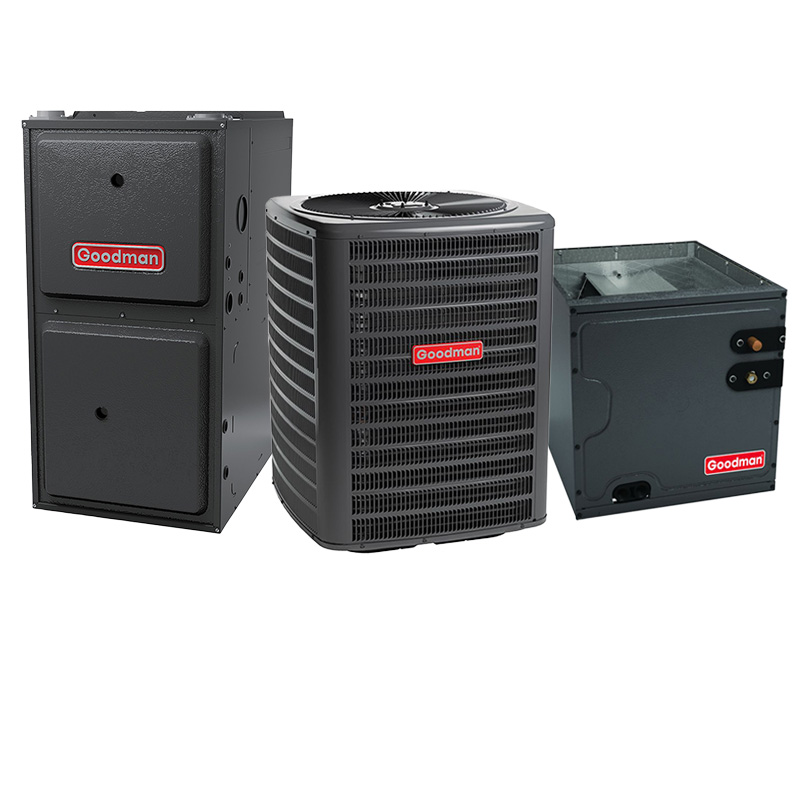
Goodman AC And Furnace – 2 Ton 17.5 SEER2 2 Stage AC With 80000 BTU 97% AFUE Modulating Variable-Speed ECM Gas Furnace System – Upflow | R32
View on AC Direct see your lowest price →Check current price on AC Direct →
Key features
- 17.5 SEER2 two-stage compressor for moderate-day efficiency and improved dehumidification
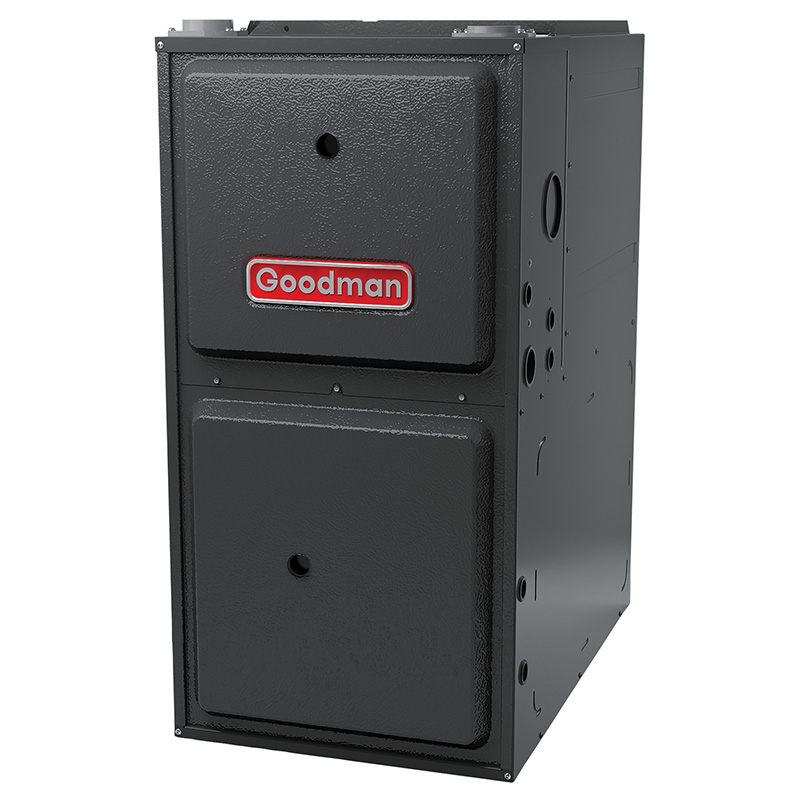
- 97% AFUE modulating gas furnace with variable-speed ECM blower motor
- R-32 refrigerant: lower global warming potential than R-410A, increasingly serviceable
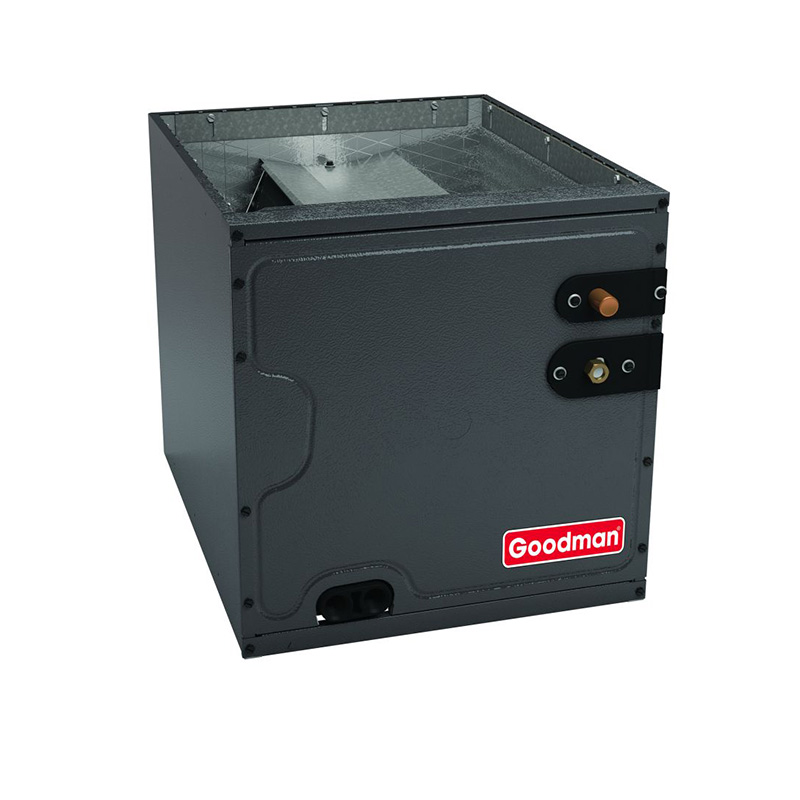
- Upflow configuration suits homes with basement or crawlspace air handler placement
- 80,000 BTU heat output sized for smaller to mid-size homes in cold climates
- Modulating burner adjusts flame output continuously for steadier room temperatures
About this system
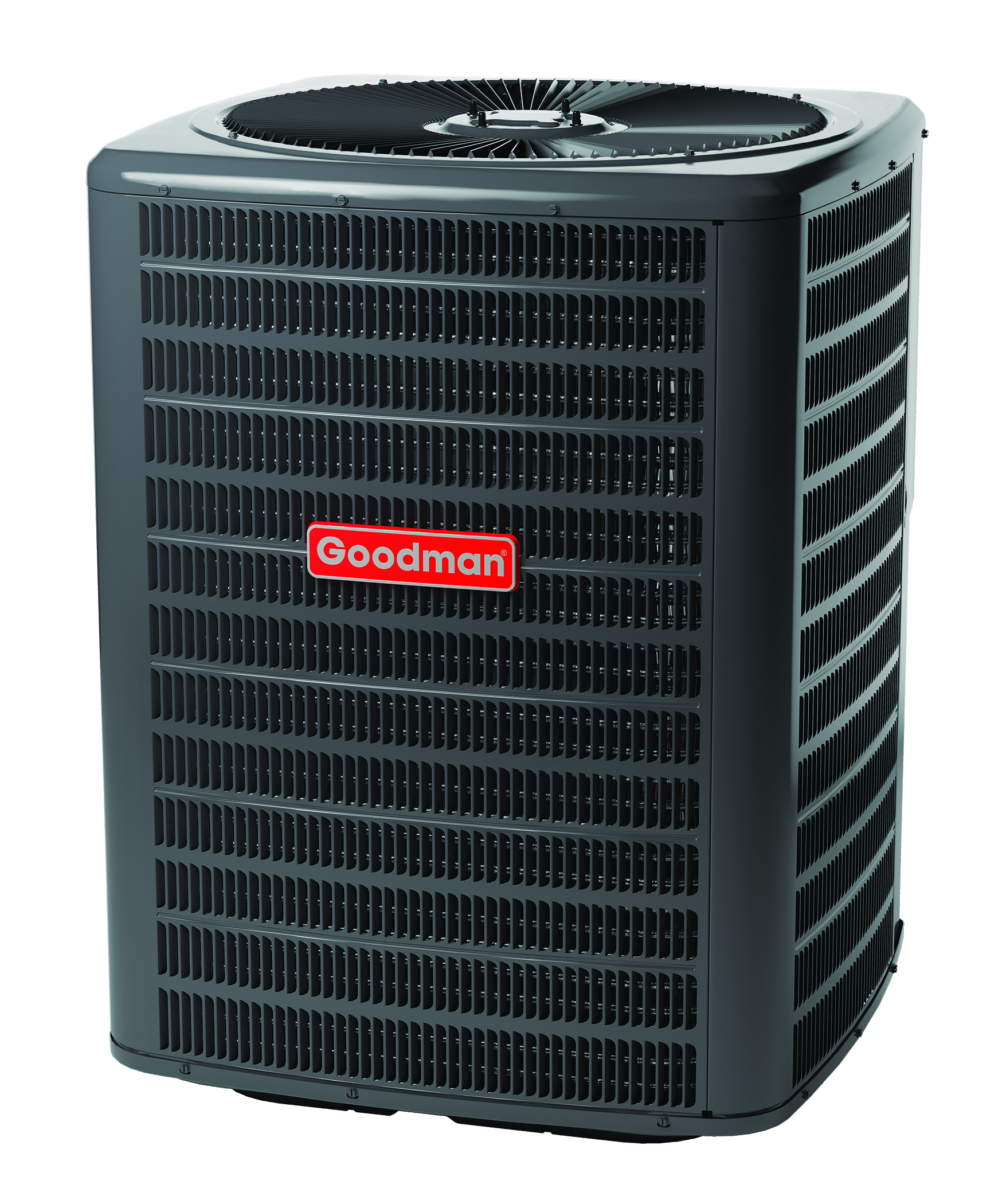
This Goodman bundle pairs a 2-ton, 17.5 SEER2 two-stage air conditioner with an 80,000 BTU, 97% AFUE modulating gas furnace in an upflow configuration, making it a strong candidate for smaller homes or additions in the 800-to-1,200 square foot range that have existing ductwork running beneath living space. The R-32 refrigerant charge is a forward-looking choice: R-32 has a lower global warming potential than R-410A and is increasingly the industry standard, so finding a certified technician to service it should become easier, not harder, over time. The two-stage compressor lets the AC run at a reduced capacity on mild days, which trims energy consumption and reduces humidity better than a single-stage unit cycling on and off.
The furnace is where this system stands out on paper. A 97% AFUE modulating burner paired with a variable-speed ECM blower motor represents near-condensing efficiency, meaning roughly 97 cents of every dollar spent on gas becomes heat rather than flue exhaust. The ECM motor also ramps speed continuously rather than snapping between high and off, which cuts electricity use on the air handler side and tends to result in noticeably steadier indoor temperatures. That combination of modulating heat and two-stage cooling earns this system a legitimate efficiency argument, even if the headline SEER2 of 17.5 sits in the mid-tier rather than the premium-efficiency bracket above 19 SEER2.
This system offers a genuinely capable efficiency package at a price point that typically undercuts Trane, Lennox, and Carrier by 15 to 25 percent. The furnace specification in particular is hard to beat at this price tier. The trade-off is that Goodman's real-world longevity and repair frequency depend heavily on installation quality and early component luck, so the savings can erode if you draw a short straw on a capacitor, coil, or compressor.
Overall score is the average of the five ratings above.
What we like
- 97% AFUE modulating furnace is top-tier efficiency for a value-brand price
- Two-stage AC provides better humidity control than single-stage alternatives at this SEER2 level
- Variable-speed ECM motor reduces electricity consumption and improves comfort consistency
- R-32 refrigerant positions the system well as the industry moves away from R-410A
- Priced roughly 15 to 25 percent below comparable Carrier, Trane, and Lennox bundles
Trade-offs
- Dual-run capacitors are the most frequently reported failure point, typically surfacing in years 3 to 7
- Evaporator coil leaks appear in a notable share of owner reports, which can be a costly mid-life repair
- Compressor lifespan averages 10 to 14 years versus 15 to 20 years typical of premium brands
- A minority of owners report refrigerant leaks within the first year, most traceable to install or charge issues rather than the equipment itself
What homeowners and pros say about Goodman
Homeowners who post about Goodman equipment tend to fall into two clear camps. Those who had a skilled installer and caught early issues under warranty often praise the affordability and report years of trouble-free operation. Those who hit problems later tell a different story: ConsumerAffairs gives Goodman roughly 2.5 out of 5, and the recurring thread in those complaints is repair bills that accumulate after year 7, particularly around evaporator coil leaks and compressor work. Google dealer reviews average closer to 3.8 out of 5, with affordability consistently cited as the main reason buyers chose the brand in the first place. For this specific system, the high-efficiency furnace tends to draw fewer complaints than the AC side, which is consistent with the broader pattern of the cooling components carrying more of the reliability risk.
HVAC technicians who work on Goodman equipment regularly point to dual-run capacitors as the part they replace most often on these units, a repair in the 300-to-600 dollar range that is annoying but not catastrophic. Coil leaks are a more serious concern because they often surface outside the standard parts warranty window and can run into the thousands to address. Compressor longevity is the biggest documented gap versus premium brands: a Goodman compressor averaging 10 to 14 years compares unfavorably to the 15-to-20-year range more commonly associated with Trane, Carrier, and Lennox. A small but documented minority of owners have also reported refrigerant leaks within the first 12 months, something technicians generally attribute to charge or installation errors rather than a manufacturing defect. The consistent professional advice is that this equipment rewards a careful, experienced installer far more than a rushed or budget-cut one.
Sources: ConsumerAffairs Goodman owner reviews, AHRI Directory of Certified Product Performance, U.S. DOE appliance and equipment efficiency standards, Goodman product specification sheets.
What it costs to run
At 17.5 SEER2, cooling this 2-ton system for a typical 1200-hour cooling season at the U.S. average electricity rate of $0.17/kWh works out to roughly $280 per year in cooling, about $85 less per year than a minimum-efficiency 13.4 SEER2 unit of the same size. Your real cost depends on your climate and local rate.
Method: (24,000 BTU/hr ÷ 17.5 SEER2) × 1200 hours ÷ 1000 × $0.17/kWh. Rate source: U.S. EIA average; cooling hours: moderate-climate estimate.
How it compares
| Brand | Comparable model | SEER2 | Stage | Price position |
|---|---|---|---|---|
| Goodman | 2-Ton 17.5 SEER2 Two-Stage AC + 80K BTU 97% AFUE Modulating Furnace | 17.5 | Two-stage | Value pick |
| Carrier | Performance 17 Series (24ACC636) | 17 | Two-stage | Typically 15 to 25 percent more than Goodman |
| Trane | XR17 Series | 17 | Two-stage | Typically 15 to 25 percent more than Goodman |
| Lennox | Merit ML17XC2 Series | 17 | Two-stage | Typically 15 to 25 percent more than Goodman |
Competitor rows are comparable single-stage units at similar efficiency; price is relative position, not a quote.
Questions about this system
Is 2 tons the right size for my home, and how do I know before buying?
Two tons is generally appropriate for homes in the 800-to-1,200 square foot range, but the real answer depends on your climate zone, insulation, window area, and ceiling height. A proper Manual J load calculation from a licensed HVAC contractor is the only reliable way to confirm sizing; an oversized or undersized system will underperform regardless of how good the equipment is.
My technician has not worked with R-32 before. Is that a problem?
R-32 requires specific handling because it is mildly flammable, and technicians need EPA 608 certification plus some manufacturers require additional R-32 training. It is worth confirming your installer is current before work begins. Availability is not an issue, but the handling protocols differ enough from R-410A that an unprepared technician could create a safety or charge problem.
What does the modulating furnace actually do differently day to day?
Instead of firing at full 80,000 BTU every cycle, the modulating burner adjusts output continuously to match what the home actually needs at that moment. Combined with the variable-speed ECM blower, this means fewer full-blast on-off cycles, steadier temperatures room to room, and lower gas and electricity consumption on mild winter days.
How serious is the capacitor failure issue, and what does it cost to fix?
Dual-run capacitor failure is the most commonly reported Goodman repair, but it is also one of the least alarming: a capacitor replacement typically runs 300 to 600 dollars including labor and is a quick same-day fix. It is worth keeping a service agreement in place so you are not paying emergency rates when it happens on the first hot weekend of summer.
Does this system qualify for any federal tax credits?
As of 2025, the Inflation Reduction Act's 25C tax credit allows up to 600 dollars for qualifying air conditioners and up to 600 dollars for qualifying furnaces in the same tax year, subject to efficiency thresholds and income rules. You should verify this system's specific model numbers meet current IRS and ENERGY STAR requirements and consult a tax professional before claiming the credit, as eligibility rules can change.
Specifications
| Cooling capacity | 2 Ton |
| Efficiency | 17.5 SEER2 |
| Furnace output | 80000 BTU |
| Furnace efficiency | 97% AFUE |
| Configuration | Upflow |
| Refrigerant | R-32 |