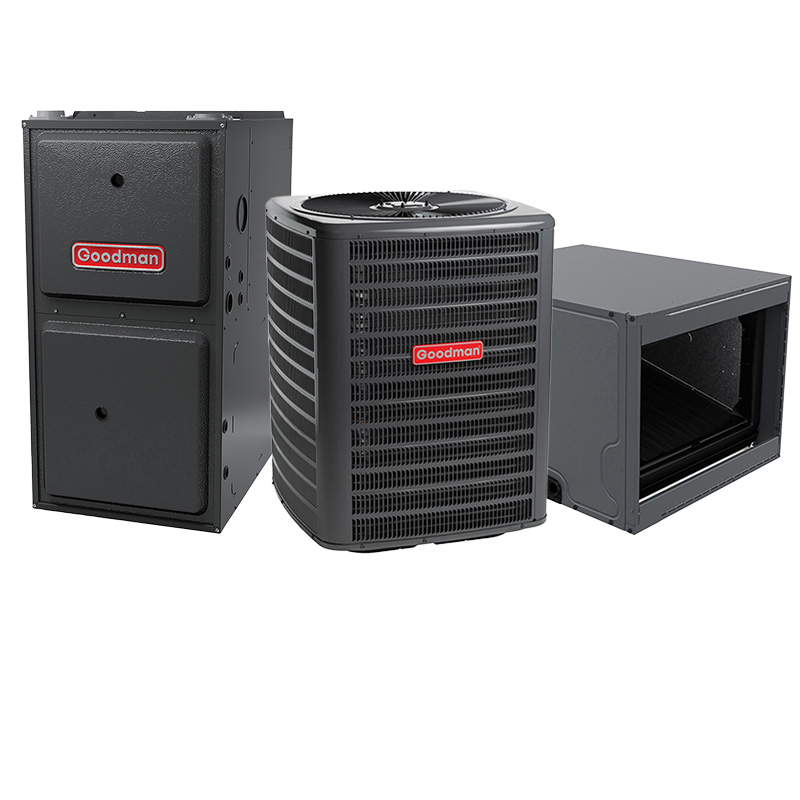
Goodman AC And Furnace – 4 Ton 16.7 SEER2 2 Stage AC With 100000 BTU 97% AFUE Modulating Variable-Speed ECM Gas Furnace System – Horizontal | R32
View on AC Direct see your lowest price →Check current price on AC Direct →
Key features
- 4-ton, 16.7 SEER2 two-stage cooling for better humidity control and part-load efficiency
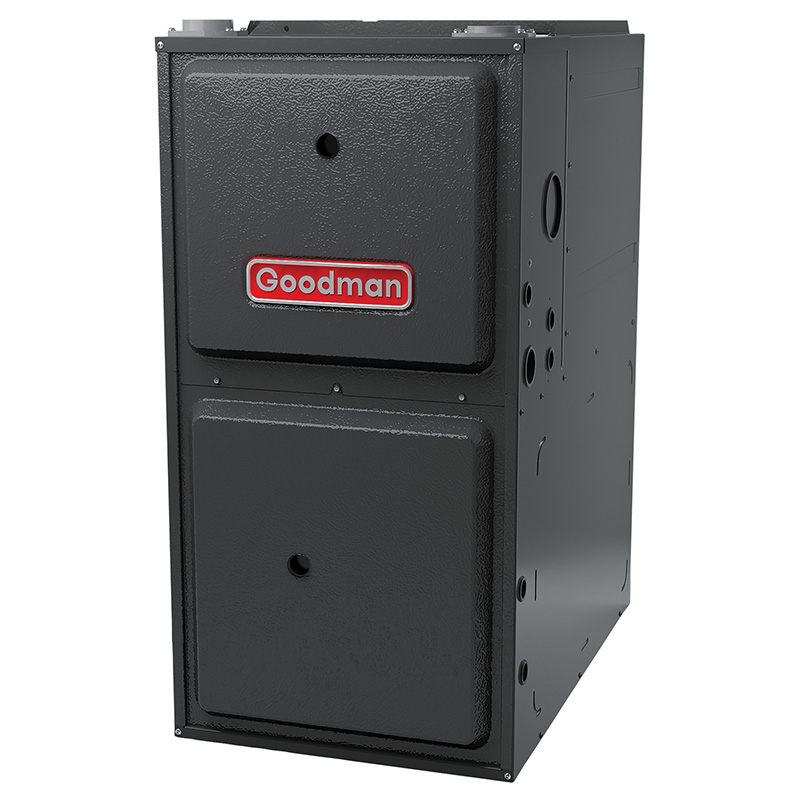
- 100,000 BTU modulating gas furnace rated at 97% AFUE for near-top-tier heating efficiency
- Variable-speed ECM blower motor reduces electricity use and improves airflow consistency
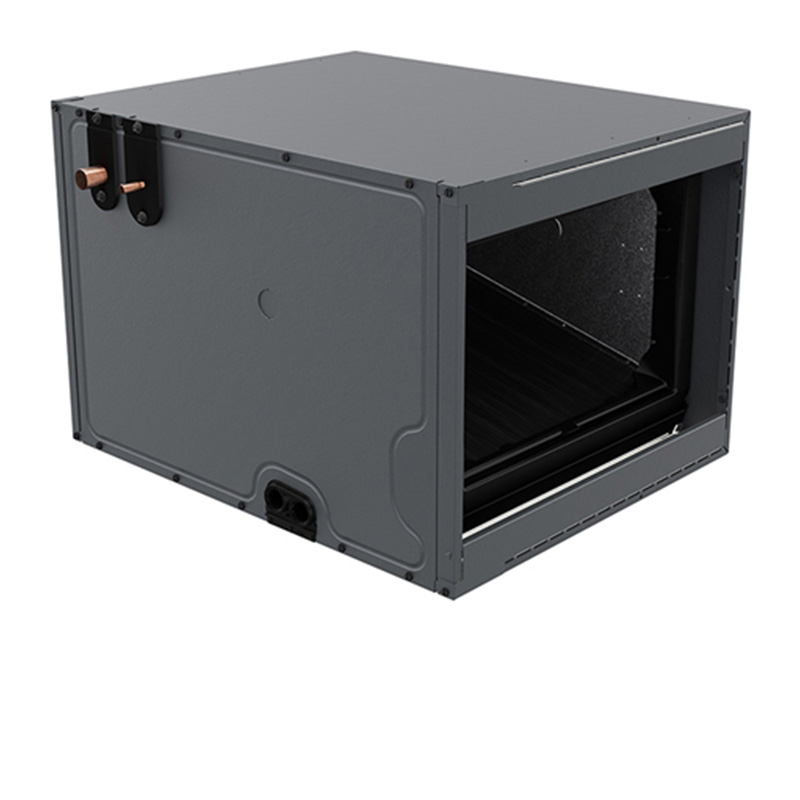
- Horizontal cabinet orientation designed for attic, crawl space, or side-discharge installs
- R-32 refrigerant charge with lower global warming potential than R-410A
- Factory-matched system components engineered to work together for rated efficiency
About this system
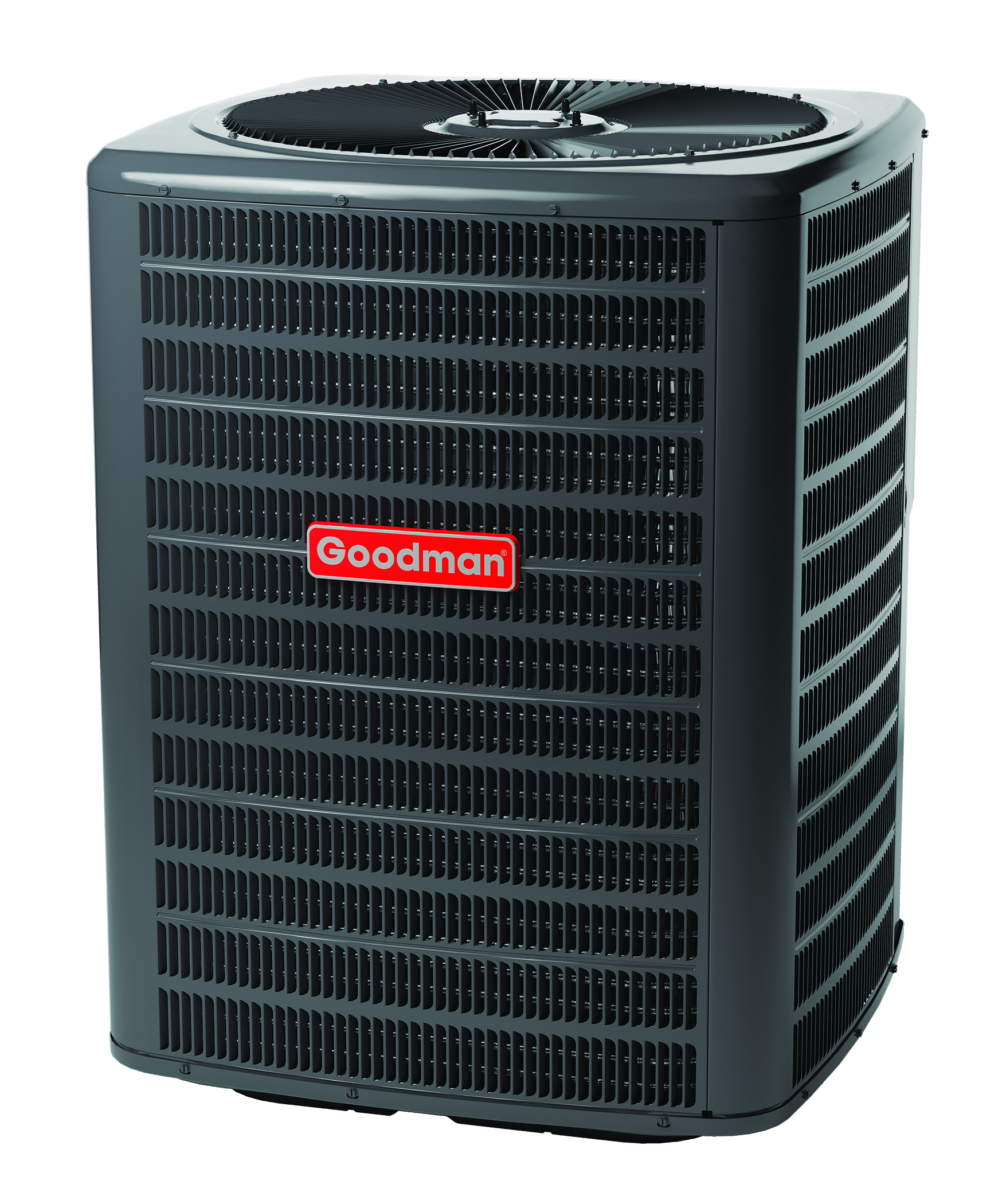
This Goodman bundle pairs a 4-ton, 16.7 SEER2 two-stage air conditioner with a 100,000 BTU, 97% AFUE modulating gas furnace in a horizontal configuration, making it a practical choice for homes where the air handler sits in a crawl space, attic, or closet with limited vertical clearance. The R-32 refrigerant charge is a forward-looking detail: R-32 has a lower global warming potential than the R-410A it replaces, and it is now the direction most manufacturers are heading as older refrigerants are phased down under current EPA rules.
The two-stage compressor runs at a lower capacity on mild days and ramps up only when the load demands it, which smooths out humidity control and temperature swings compared to single-stage equipment. On the heating side, a modulating 97% AFUE furnace with a variable-speed ECM blower is genuinely efficient hardware: it converts 97 cents of every dollar of gas into heat, and the ECM motor adjusts airflow continuously rather than switching between a handful of fixed speeds. Together these components represent a real step up in comfort over entry-level single-stage systems, at a price point that still sits comfortably below Trane, Lennox, or Carrier equivalents.
Who should consider this? Homeowners with 2,200 to 3,000 square feet in a mixed climate, a horizontal installation space, and a budget that does not stretch to premium-brand pricing will find this system worth a hard look. It is not the right fit for buyers who want the longest possible compressor lifespan without paying for it up front, or for anyone in an area where finding a trained Goodman technician is difficult.
This system delivers genuinely high-efficiency hardware at a price that undercuts major premium brands by roughly 15 to 25 percent, and the modulating furnace plus two-stage AC combination is a meaningful comfort upgrade over basic single-stage systems. The trade-off is that Goodman's real-world longevity depends heavily on installation quality and routine maintenance, and the brand's owner satisfaction scores lag behind premium competitors. Buyers who get a careful install and stay on top of maintenance will likely get solid years of service; buyers who cut corners on either front face higher risk.
Overall score is the average of the five ratings above.
What we like
- 16.7 SEER2 efficiency qualifies for federal tax credits under current Inflation Reduction Act thresholds
- 97% AFUE modulating furnace is near the ceiling of available gas heating efficiency
- Two-stage cooling reduces humidity more effectively than single-stage on mild days
- ECM variable-speed blower lowers operating electricity costs compared to PSC motors
- Factory-matched system eliminates compatibility guesswork and supports rated performance claims
Trade-offs
- Dual-run capacitor failures are the most commonly reported repair, typically hitting after year 5 to 7 at a cost of $300 to $600
- Evaporator coil leaks appear in a meaningful share of owner reviews, a known Goodman weak point
- Compressor lifespan averages 10 to 14 years versus 15 to 20 years for premium-brand equivalents
- A minority of first-year owners report refrigerant leaks, usually traceable to install or charge errors rather than equipment defects
What homeowners and pros say about Goodman
Homeowners who have lived with Goodman equipment tend to split along a familiar line. Those who had a thorough install and kept up with annual tune-ups often report years of trouble-free operation and point to the lower upfront cost as money they are glad they kept. Those who ran into problems most frequently mention capacitor replacements showing up around years 5 to 7, a repair that typically runs $300 to $600 and is straightforward for any technician but frustrating nonetheless. Evaporator coil leaks surface often enough in owner accounts to be a genuine pattern, not an isolated complaint, and compressor replacements before the 14-year mark are more common with Goodman than with premium-brand equipment. Goodman scores roughly 2.5 out of 5 on ConsumerAffairs, a channel that skews toward people with complaints, and around 3.8 out of 5 across Google dealer reviews, where the most repeated praise is that the equipment is affordable and that it works well when installed correctly.
HVAC technicians tend to frame Goodman pragmatically. Many will install it without hesitation, particularly for rental properties or budget-constrained homeowners, while being upfront that the brand rewards careful work at startup: proper refrigerant charge, clean electrical connections, and a correctly sized and sealed duct system matter more with Goodman than with some competitors because the equipment has less margin for error. For this specific system, the modulating furnace and two-stage compressor add complexity relative to entry-level Goodman products, which means the install technician’s experience with variable-capacity equipment is worth asking about before signing a contract. A first-year refrigerant leak, when it does occur, is almost always traced back to the install rather than the factory, which underscores the same point: the brand you hire to put it in matters as much as the brand on the box.
Sources: ConsumerAffairs Goodman owner reviews, AHRI Directory of Certified Product Performance, U.S. DOE appliance and equipment efficiency standards, Goodman product specification sheets.
What it costs to run
At 16.7 SEER2, cooling this 4-ton system for a typical 1200-hour cooling season at the U.S. average electricity rate of $0.17/kWh works out to roughly $586 per year in cooling, about $145 less per year than a minimum-efficiency 13.4 SEER2 unit of the same size. Your real cost depends on your climate and local rate.
Method: (48,000 BTU/hr ÷ 16.7 SEER2) × 1200 hours ÷ 1000 × $0.17/kWh. Rate source: U.S. EIA average; cooling hours: moderate-climate estimate.
How it compares
| Brand | Comparable model | SEER2 | Stage | Price position |
|---|---|---|---|---|
| Goodman | 4-Ton 16.7 SEER2 Two-Stage AC + 100K BTU 97% AFUE Modulating Furnace (Horizontal, R-32) | 16.7 | Two-stage | Value pick |
| Carrier | Performance Series (24ACC636 / 59TP6 pairing) | 16-17 | Two-stage | Typically 15 to 25 percent more than this Goodman system |
| Trane | XR17 / S9X2 pairing | 17 | Two-stage | Typically 15 to 25 percent more than this Goodman system |
| Lennox | Merit ML17XC2 / ML197 pairing | 17 | Two-stage | Typically 15 to 25 percent more than this Goodman system |
Competitor rows are comparable single-stage units at similar efficiency; price is relative position, not a quote.
Questions about this system
Why does this system use R-32 instead of R-410A, and does that affect service costs?
R-32 is replacing R-410A as part of ongoing refrigerant phase-downs targeting high-GWP chemicals. It requires less refrigerant by weight for the same capacity, which can lower material costs slightly. The practical impact on service is minimal today, but be sure the technician you hire has the correct recovery equipment and certification for R-32, as not every local shop has updated their tools yet.
What does 'horizontal configuration' actually mean for my install, and can this system be installed vertically?
Horizontal means the air handler is designed to lie on its side with supply air discharging horizontally, which suits attic platforms, crawl spaces, or utility closets where vertical height is limited. Installing a horizontal-rated unit in an upright position is not recommended and can affect condensate drainage and airflow performance, so confirm your installation space matches before ordering.
Goodman's ConsumerAffairs score is only about 2.5 out of 5. Should that scare me off?
ConsumerAffairs is a complaint-skewed channel where unhappy owners are far more likely to post than satisfied ones, so the 2.5 score should be read in that context rather than as a representative sample. The recurring complaint theme is repair costs rising after roughly year 7, which aligns with the known capacitor and compressor lifespan data. Google dealer reviews average around 3.8 out of 5, with affordability as the most common praise. Neither score is as strong as premium brands, but they reflect a value-tier product whose performance is closely tied to install and maintenance quality.
What is the difference between the two-stage AC and the modulating furnace, and why does it matter for comfort?
The two-stage AC has a high and a low compressor capacity; on mild days it runs at the lower stage longer, which does a better job removing humidity than a single-stage unit cycling on and off. The modulating furnace adjusts its heat output in fine increments rather than just full-blast or off, which keeps room temperature more consistent and reduces cold-start blasts of air. Together they represent a meaningful comfort improvement over basic single-stage equipment.
Does the 4-ton size automatically match my house, or do I need a Manual J load calculation?
Tonnage should never be chosen by square footage alone. A Manual J load calculation accounts for your local climate, insulation levels, window area, ceiling height, and duct condition. An oversized 4-ton system will short-cycle, reduce humidity control, and put extra wear on components; an undersized one will run constantly. Always have a licensed contractor perform a load calculation before ordering.
Specifications
| Cooling capacity | 4 Ton |
| Efficiency | 16.7 SEER2 |
| Furnace output | 100000 BTU |
| Furnace efficiency | 97% AFUE |
| Configuration | Horizontal |
| Refrigerant | R-32 |