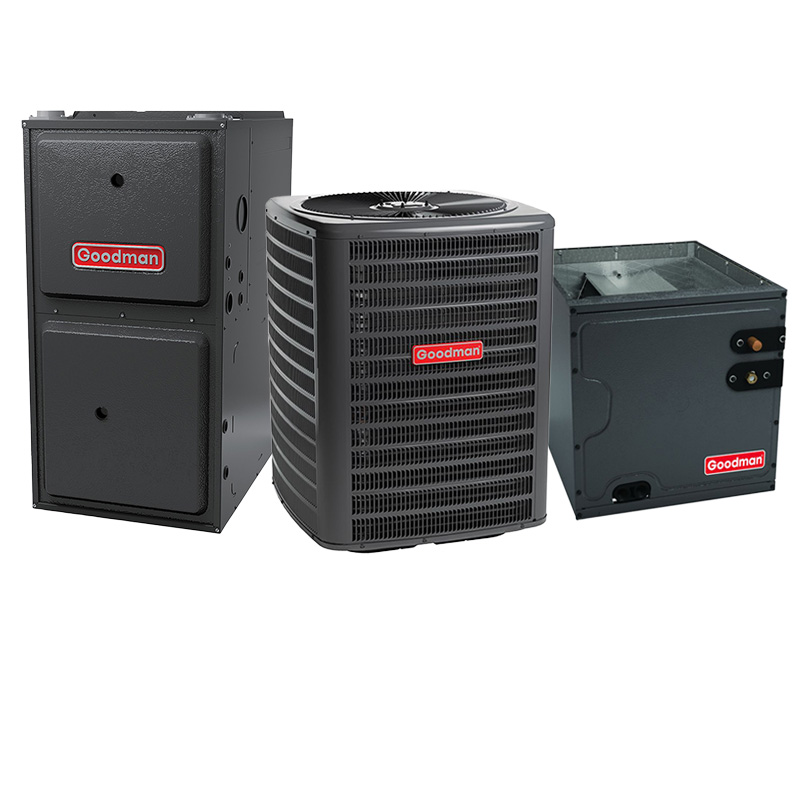
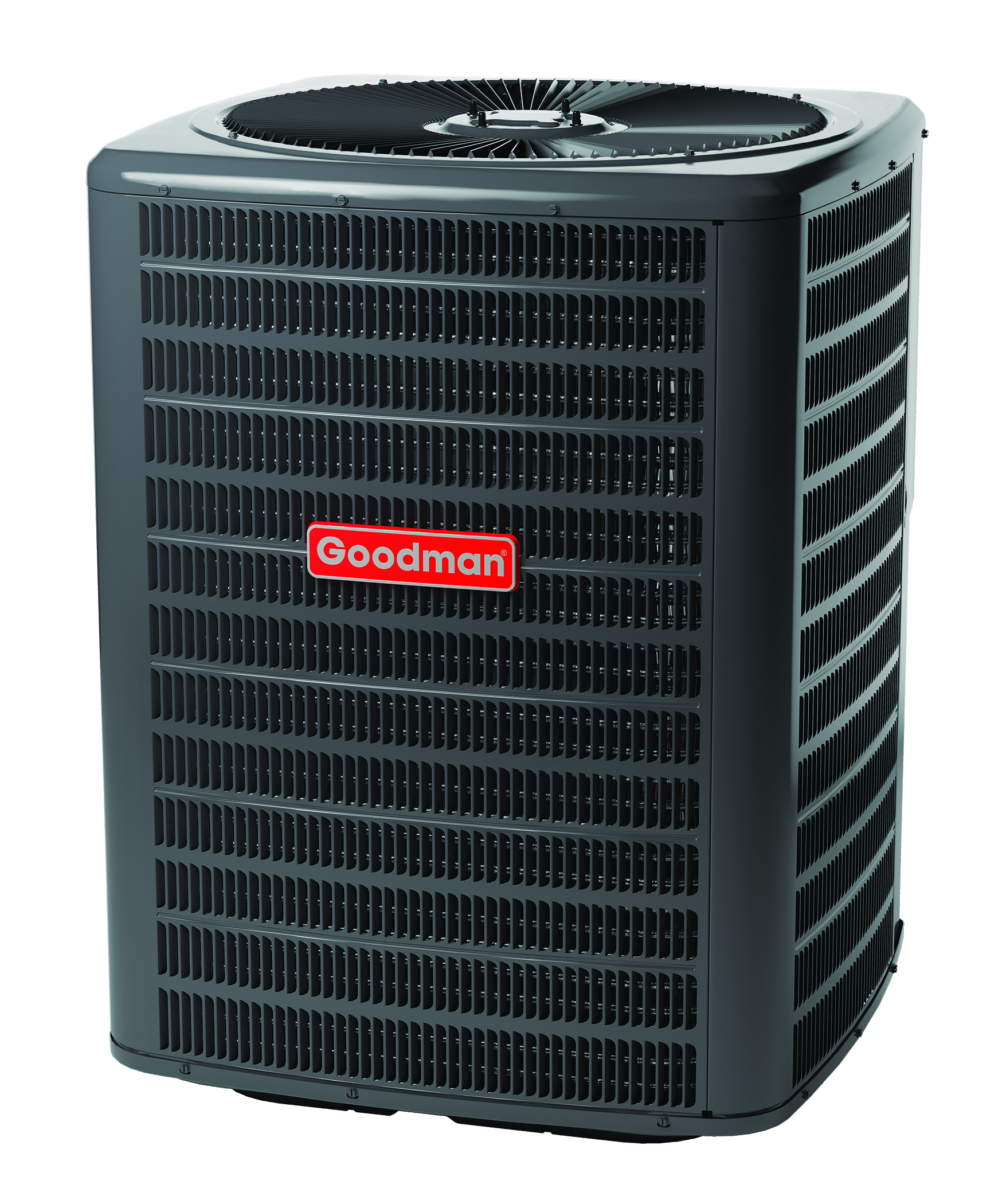
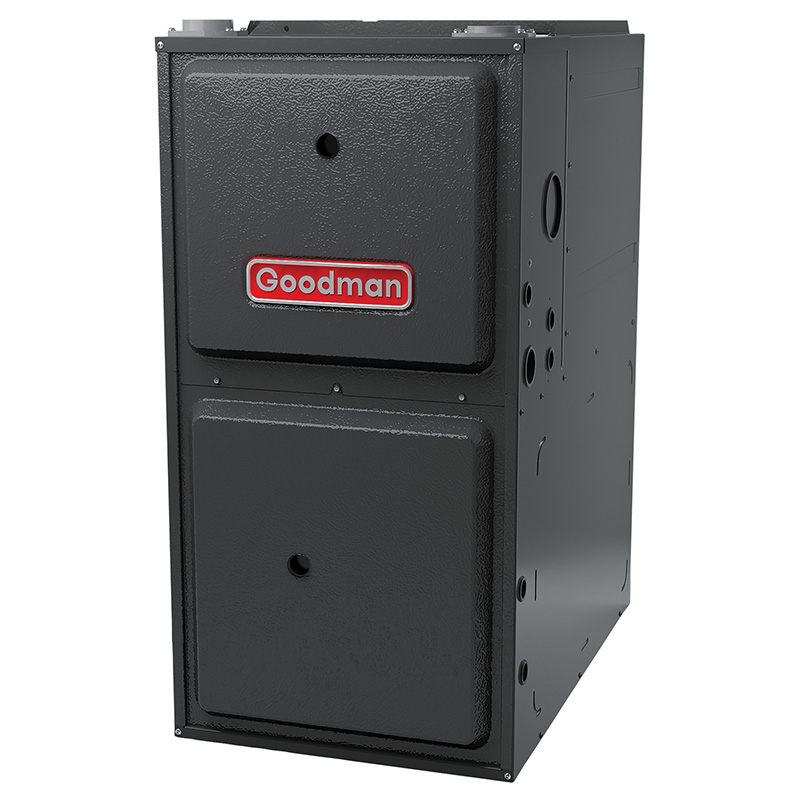
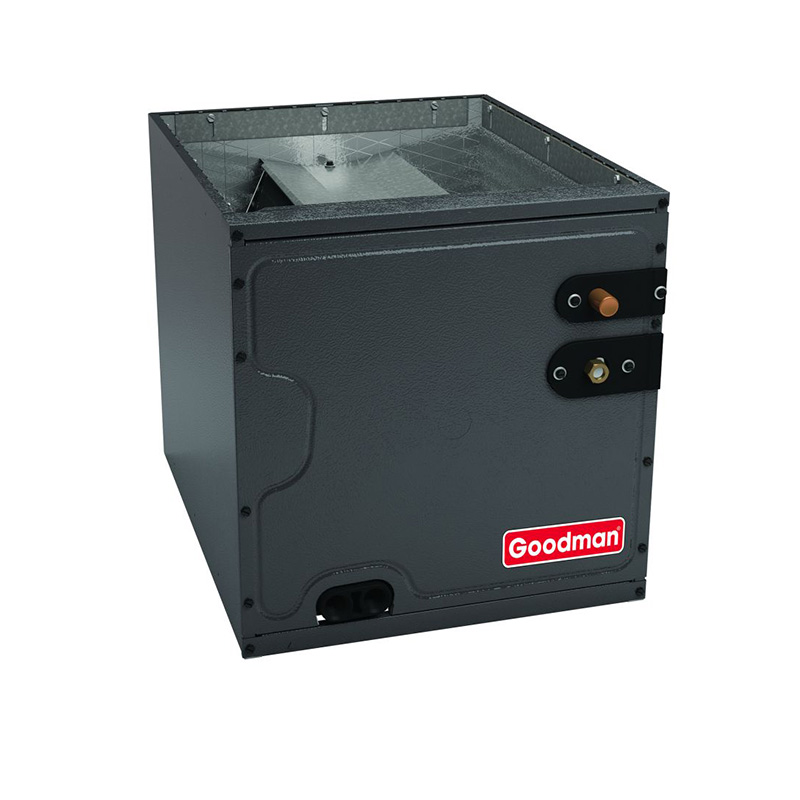
Goodman AC And Furnace – 4 Ton 17.2 SEER2 2 Stage AC With 100000 BTU 97% AFUE Modulating Variable-Speed ECM Gas Furnace System – Upflow | R32
View on AC Direct see your lowest price →Check current price on AC Direct →
Key features
- 4-ton two-stage compressor for reduced short-cycling and improved humidity control
- 17.2 SEER2 efficiency rating, above the federal minimum for most climate zones
- 100,000 BTU modulating gas furnace with 97% AFUE, near-maximum fuel efficiency
- Variable-speed ECM blower motor for quiet, low-energy air distribution
- R-32 refrigerant with lower global warming potential than R-410A
- Upflow configuration for homes with basement or crawl-space mechanical rooms
About this system
This Goodman bundle pairs a 4-ton, 17.2 SEER2 two-stage air conditioner with a 100,000 BTU, 97% AFUE modulating gas furnace in an upflow configuration. The two-stage compressor runs at low capacity on mild days and ramps to full power only when outdoor temperatures demand it, which reduces short-cycling, lowers humidity in the living space, and keeps energy bills more predictable than a single-stage system would. On the heating side, modulating operation means the furnace adjusts its flame in small increments rather than switching between just two outputs, and the variable-speed ECM blower motor follows suit, moving air quietly and efficiently across the whole run time rather than blasting on and off.
The 97% AFUE rating sits at the top tier for residential gas furnaces, meaning only about three cents of every fuel dollar is lost up the flue. Combined with R-32 refrigerant, which carries a lower global warming potential than R-410A and is increasingly the industry standard going forward, this system is positioned for both current and near-term regulatory requirements. Upflow configuration means conditioned air exits the top of the air handler and travels through overhead ductwork, making this a natural fit for homes with a basement or crawl-space mechanical room and ducts running through the ceiling or attic. Homeowners in climates with both hot summers and cold winters, and with duct layouts suited to upflow, will get the most from this combination.
Goodman sits at the value end of the market, typically priced 15 to 25 percent below Trane, Lennox, and Carrier equipment with comparable ratings. That gap is real, and so are the trade-offs. Long-term performance depends heavily on installation quality, and this system’s higher-end components, specifically the modulating furnace and variable-speed blower, require a technician who is comfortable commissioning those controls correctly. Buyers who prioritize upfront savings and plan to invest in a qualified installer are the natural audience here.
This Goodman bundle delivers top-tier furnace efficiency and above-average cooling performance at a price point that undercuts premium brands by a meaningful margin. The trade-off is a brand track record that shows more repair activity after year seven than competitors, along with documented vulnerabilities in capacitors and evaporator coils that a buyer should budget for. For a cost-conscious homeowner willing to hire a skilled installer and set aside a modest repair reserve, the value equation works; for someone who wants the longest possible compressor lifespan and the fewest service calls, premium brands have an edge.
Overall score is the average of the five ratings above.
What we like
- 97% AFUE furnace rating minimizes heating fuel costs in cold climates
- Modulating furnace and variable-speed ECM blower deliver quieter, more consistent comfort than single-stage equipment
- 17.2 SEER2 cooling efficiency qualifies for federal and many utility rebates
- R-32 refrigerant future-proofs the system against tightening environmental regulations
- Purchase price typically 15 to 25 percent below comparable Trane, Lennox, and Carrier systems
Trade-offs
- Compressor lifespan averages 10 to 14 years versus 15 to 20 years for premium-brand compressors
- Dual-run capacitor failures are the most commonly reported service issue, typically appearing after several years of use
- Evaporator coil leaks are documented in a meaningful share of owner feedback
- Modulating furnace and variable-speed controls require a knowledgeable installer to commission correctly; a poor install erodes all efficiency and comfort advantages
What homeowners and pros say about Goodman
Homeowners who research Goodman online encounter a split picture. Google dealer reviews settle around 3.8 out of 5, where the most common praise is straightforward: the equipment cost noticeably less than competing bids and the system worked as described at startup. ConsumerAffairs tells a harsher story, averaging about 2.5 out of 5, with the recurring complaint being that repair costs start accumulating after roughly year seven. Neither score is the whole truth. The ConsumerAffairs pool is heavily weighted toward frustrated owners, and the Google scores reflect the enthusiasm of recent installs before long-term wear patterns emerge. What both channels agree on, implicitly, is that early performance tends to be fine and that the question is really about what happens in year eight or ten.
HVAC technicians who work on Goodman equipment regularly point to three recurring issues worth knowing before you buy this system. Dual-run capacitors are the most frequently replaced component, a repair that typically runs in the 300 to 600 dollar range and is not a catastrophic failure but does become a predictable line item over time. Evaporator coil leaks show up in a meaningful share of owner accounts, which can be more disruptive and costly depending on when they occur. Compressor longevity is the other honest conversation: Goodman compressors tend to average 10 to 14 years in service, compared to 15 to 20 years for premium-brand compressors. For a modulating, variable-speed system like this one, technicians add a consistent caution: the higher-end controls only deliver their promised efficiency and comfort if the original installation is done correctly. A contractor who rushes commissioning or skips the static pressure checks will cost the homeowner far more than the upfront savings are worth.
Sources: ConsumerAffairs Goodman owner reviews, AHRI Directory of Certified Product Performance, U.S. DOE appliance and equipment efficiency standards, Goodman product specification sheets.
What it costs to run
At 17.2 SEER2, cooling this 4-ton system for a typical 1200-hour cooling season at the U.S. average electricity rate of $0.17/kWh works out to roughly $569 per year in cooling, about $162 less per year than a minimum-efficiency 13.4 SEER2 unit of the same size. Your real cost depends on your climate and local rate.
Method: (48,000 BTU/hr ÷ 17.2 SEER2) × 1200 hours ÷ 1000 × $0.17/kWh. Rate source: U.S. EIA average; cooling hours: moderate-climate estimate.
How it compares
| Brand | Comparable model | SEER2 | Stage | Price position |
|---|---|---|---|---|
| Goodman | 4-Ton 17.2 SEER2 Two-Stage AC + 100K BTU 97% AFUE Modulating Furnace | 17.2 | Two-stage | Value pick |
| Carrier | Comfort 24ACC636 / 59SC2 series | 16-17 | Two-stage | Typically 15 to 25 percent more than Goodman |
| Trane | XR17 / S9V2 series | 17 | Two-stage | Typically 15 to 25 percent more than Goodman |
| Lennox | Merit ML17XC2 / ML297V series | 17 | Two-stage | Typically 15 to 25 percent more than Goodman |
Competitor rows are comparable single-stage units at similar efficiency; price is relative position, not a quote.
Questions about this system
Does the modulating furnace require any special setup after installation, or does it self-configure?
Modulating furnaces need to be commissioned by a technician who understands variable-speed controls and gas valve calibration. Self-configuration is limited; without proper setup the furnace may default to a less efficient operating mode and the variable-speed blower will not perform as intended. Ask your contractor specifically about their experience commissioning modulating Goodman furnaces before signing a contract.
What is the warranty on this system, and do I have to register it to get full coverage?
Goodman typically offers a 10-year parts warranty on registered equipment and a lifetime heat exchanger warranty on qualifying furnaces. Registration must be completed within a set window after installation, usually 60 days. Failure to register generally drops coverage to a shorter base warranty, so confirm the current terms at registration and keep your paperwork.
Is R-32 refrigerant harder or more expensive to service than R-410A?
R-32 requires EPA-certified technicians and equipment rated for its slightly higher operating pressures, but it is not dramatically more complex to service than R-410A. As R-32 adoption grows, service availability is expanding. In the near term, confirm that your service contractors in your area already work with R-32 before purchasing.
The ConsumerAffairs score for Goodman is about 2.5 out of 5. Should that worry me?
ConsumerAffairs is a complaint-skewed channel where satisfied owners rarely post, so the score reflects the worst experiences rather than the average owner's outcome. The recurring theme in those reviews is repair costs climbing after roughly year seven, which aligns with the documented capacitor and evaporator coil failure patterns. Budgeting for one or two service calls in the second half of the equipment's life is a realistic expectation, not a reason to dismiss the brand entirely.
My house is 2,200 square feet in a mixed climate. Is 4 tons the right size, or should I get a load calculation done?
A proper Manual J load calculation is always the right starting point, regardless of square footage rules of thumb. In a mixed climate, 4 tons can easily be too large for a well-insulated 2,200-square-foot home, and oversizing a two-stage system still leads to short-cycling, elevated humidity, and premature wear. Ask your contractor to provide the load calculation in writing before ordering equipment.
Specifications
| Cooling capacity | 4 Ton |
| Efficiency | 17.2 SEER2 |
| Furnace output | 100000 BTU |
| Furnace efficiency | 97% AFUE |
| Configuration | Upflow |
| Refrigerant | R-32 |