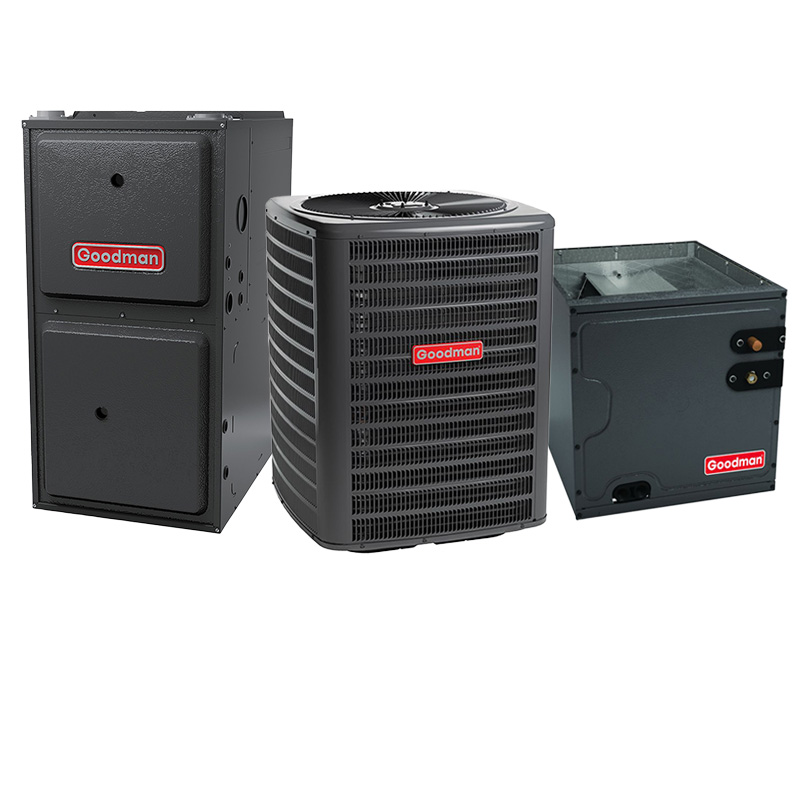
Goodman AC And Furnace – 5 Ton 16 SEER2 2 Stage AC With 100000 BTU 97% AFUE Modulating Variable-Speed ECM Gas Furnace System – Upflow | R32
View on AC Direct see your lowest price →Check current price on AC Direct →
Key features
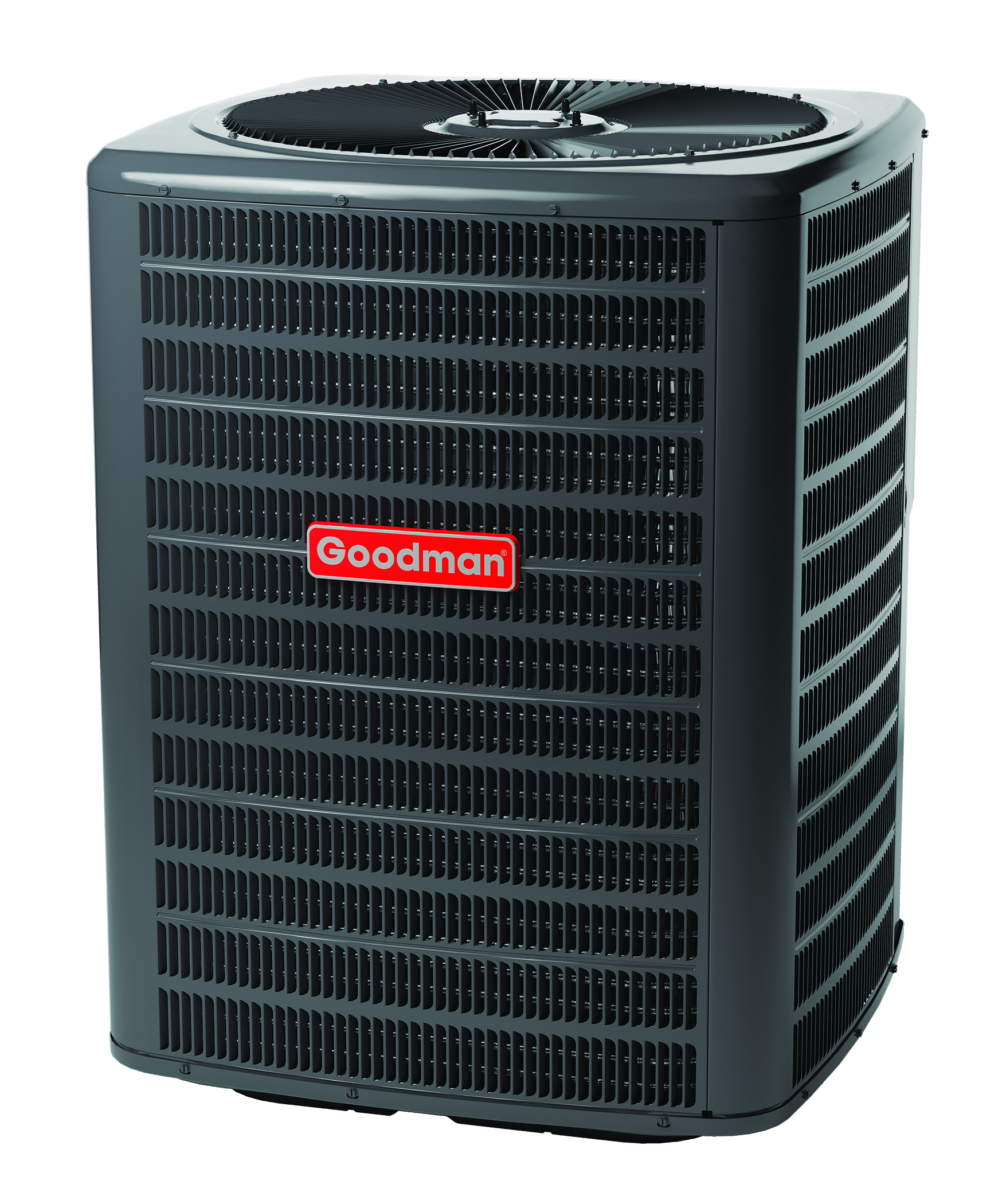
- 5-ton two-stage AC rated at 16 SEER2 for above-minimum efficiency without variable-speed compressor cost
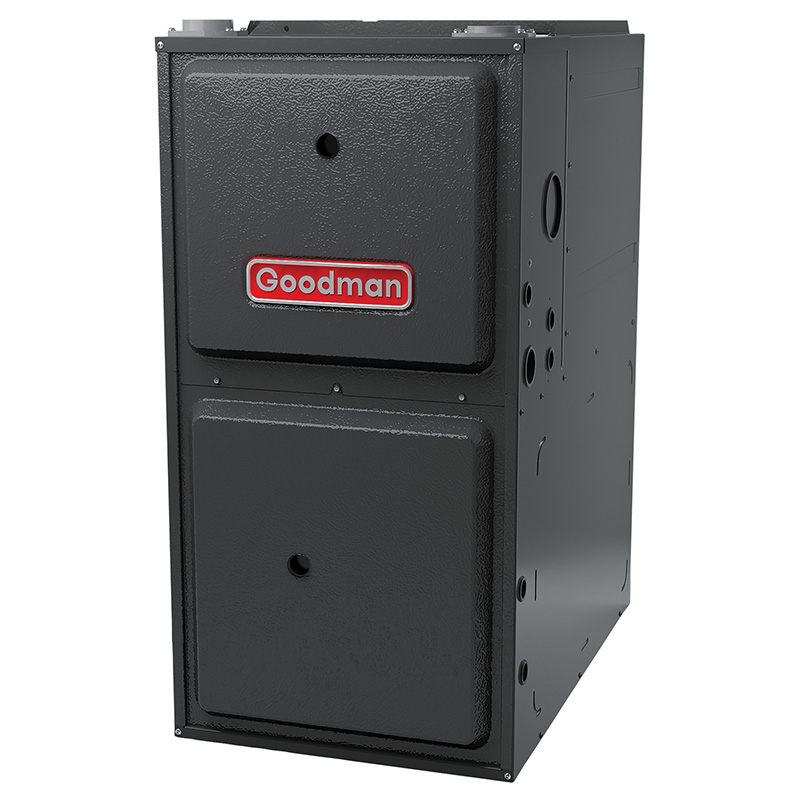
- 100,000 BTU modulating gas furnace at 97% AFUE, near the top of the efficiency scale for gas heat
- Variable-speed ECM blower motor reduces blower electricity use significantly versus PSC motors
- R-32 refrigerant with lower global-warming potential than outgoing R-410A refrigerant
- Upflow cabinet orientation suits basement and closet air handler installations
- Two-stage cooling improves dehumidification and comfort compared to single-stage operation
About this system
This Goodman bundle pairs a 5-ton, 16 SEER2 two-stage air conditioner with a 100,000 BTU, 97% AFUE modulating gas furnace in an upflow configuration. The two-stage compressor runs at low capacity during mild weather and only steps up to full output on the hottest days, which cuts short-cycling, keeps humidity in check better than a single-stage unit, and reduces peak electricity draws. The modulating furnace goes further on the heating side, adjusting its flame in small increments rather than simply flipping between high and low, while the variable-speed ECM blower motor delivers steady airflow at low wattage. Together these features represent genuine comfort engineering, not marketing language, and suit homes above roughly 2,500 square feet with meaningful heating loads in colder climates.
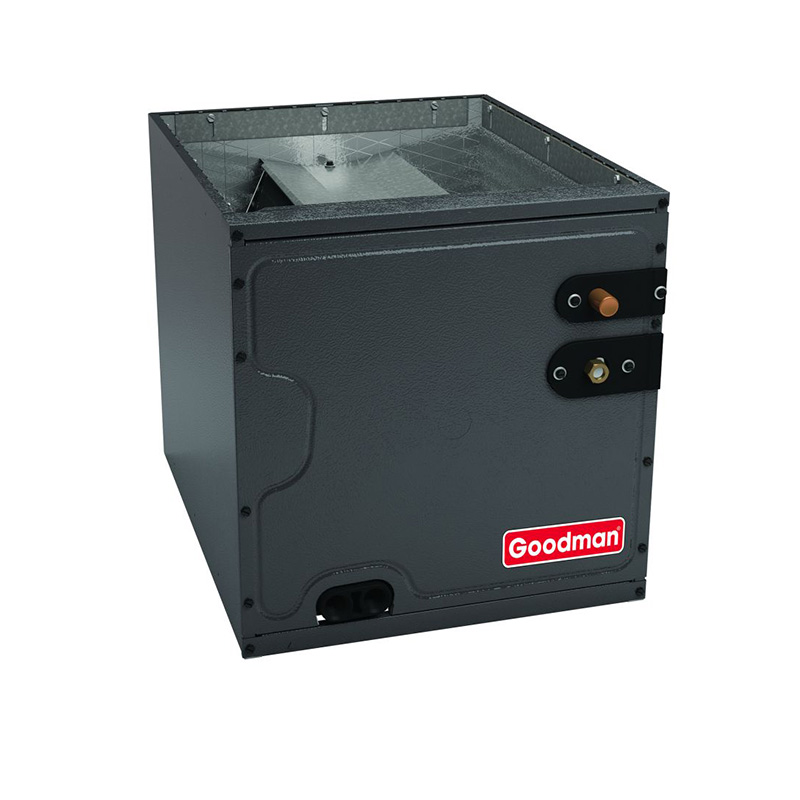
The R-32 refrigerant choice is worth noting. R-32 has a lower global-warming potential than the R-410A it is replacing industry-wide, and it operates at slightly higher pressures, which means the system requires technicians who are current on R-32 handling. The upflow configuration fits the most common North American installation layout, where the air handler sits in a basement or utility room and conditioned air rises into the duct system. Anyone replacing an existing upflow R-410A system should confirm refrigerant compatibility and line-set condition before purchasing, since existing copper line sets may need to be flushed or replaced depending on diameter and cleanliness.
This Goodman system delivers genuine high-efficiency specs at a price point 15 to 25 percent below comparable Trane, Carrier, and Lennox equipment, making it a legitimate option for buyers who vet their installer carefully. The modulating furnace and two-stage AC combination is real comfort technology, but Goodman's track record shows the long-term value hinges on installation quality and a willingness to budget for potential component repairs after year seven. Buyers who treat the savings as a reserve for future maintenance are better positioned than those expecting premium-brand longevity at a value price.
Overall score is the average of the five ratings above.
What we like
- 97% AFUE modulating furnace is among the most efficient gas heating options available at any price point
- Two-stage cooling with 16 SEER2 rating delivers meaningful humidity control and energy savings over single-stage entry-level units
- Variable-speed ECM blower cuts ongoing electricity costs compared to standard PSC blower motors
- R-32 refrigerant positions the system for regulatory compliance as R-410A is phased out
- Price is typically 15 to 25 percent below Trane, Carrier, and Lennox systems with comparable staging and efficiency
Trade-offs
- Dual-run capacitors are the most commonly reported failure point and often appear before the 10-year mark, adding service call costs
- Compressor lifespan averages 10 to 14 years versus 15 to 20 years reported for premium brands, raising long-term replacement risk
- A minority of owners report evaporator coil leaks and early refrigerant loss, and R-32 requires technicians trained on higher-pressure handling
- ConsumerAffairs ratings sit around 2.5 out of 5, with recurring complaints about repair costs climbing after roughly year seven
What homeowners and pros say about Goodman
Homeowners who chose this type of Goodman system for price reasons tend to be satisfied in the first five years, and that sentiment shows up in Google dealer reviews that average around 3.8 out of 5, where affordability and the quality of the installing dealer are the two most common themes. The picture grows more complicated in the back half of the system’s life. ConsumerAffairs ratings for Goodman sit at roughly 2.5 out of 5, a lower score partly because dissatisfied owners are more likely to post there, but the specific complaints are consistent enough to take seriously: dual-run capacitor failures showing up mid-life, evaporator coil leaks in a meaningful share of units, and compressor lifespans that owners describe as shorter than expected, which aligns with the documented 10-to-14-year average versus the 15-to-20 years more commonly reported for Trane and Carrier compressors.
HVAC technicians who service Goodman equipment regularly describe a pattern that is worth understanding before you buy. The capacitors are an easy and relatively inexpensive fix, and a good technician will often inspect and replace them proactively during annual tune-ups. Coil leaks are more disruptive and more expensive, and on R-32 systems they require a technician certified for higher-pressure refrigerant handling, which is not universal in every market. The consistent technician advice is that Goodman performs best when installed by an experienced contractor who sets refrigerant charge precisely, verifies airflow, and commissions the modulating furnace correctly, because the equipment’s tolerance for shortcut installs is lower than premium brands. If your installer is strong, this system can deliver real comfort at a genuine discount. If the install is rushed, the brand’s documented weak points will surface sooner.
Sources: ConsumerAffairs Goodman owner reviews, AHRI Directory of Certified Product Performance, U.S. DOE appliance and equipment efficiency standards, Goodman product specification sheets.
What it costs to run
At 16 SEER2, cooling this 5-ton system for a typical 1200-hour cooling season at the U.S. average electricity rate of $0.17/kWh works out to roughly $765 per year in cooling, about $148 less per year than a minimum-efficiency 13.4 SEER2 unit of the same size. Your real cost depends on your climate and local rate.
Method: (60,000 BTU/hr ÷ 16 SEER2) × 1200 hours ÷ 1000 × $0.17/kWh. Rate source: U.S. EIA average; cooling hours: moderate-climate estimate.
How it compares
| Brand | Comparable model | SEER2 | Stage | Price position |
|---|---|---|---|---|
| Goodman | This system (2-stage AC + modulating furnace bundle) | 16 | Two-stage cooling / Modulating heat | Value pick |
| Carrier | Performance 17 (25HCC) with 96% AFUE Infinity or Performance furnace | 17 | Two-stage | Typically 15 to 25 percent more than this Goodman bundle |
| Trane | XR17 with S9V2 96% AFUE variable-speed furnace | 17 | Two-stage | Typically 15 to 25 percent more than this Goodman bundle |
| Lennox | Merit ML17XC1 with SLP98V modulating furnace | 17 | Two-stage / Modulating heat | Typically 15 to 25 percent more than this Goodman bundle |
Competitor rows are comparable single-stage units at similar efficiency; price is relative position, not a quote.
Questions about this system
Can my existing R-410A line set be reused with this R-32 system?
Possibly, but it depends on the line set diameter and whether residual R-410A oil contamination can be removed. R-32 requires clean copper line sets and compatible fittings, so a qualified technician should assess and flush or replace the line set before installation. Reusing a contaminated line set is one of the most common causes of early refrigerant issues.
How often do the dual-run capacitors typically fail, and what does it cost to fix?
Dual-run capacitors are Goodman's most commonly reported failure point and can fail in as few as five to eight years depending on operating hours and climate. Replacement is generally a straightforward repair in the 300 to 600 dollar range including labor, so it is worth setting aside a small maintenance reserve rather than treating the system as set-and-forget.
Is a 5-ton unit the right size for my home, or should I have a load calculation done?
A Manual J load calculation is strongly recommended before purchasing a 5-ton system. Oversizing a two-stage unit is less damaging than oversizing a single-stage unit because it can run in low stage more often, but an oversized system still short-cycles more than optimal and reduces dehumidification efficiency. Have a licensed HVAC contractor run the numbers for your specific home.
Does the 97% AFUE rating mean my gas bills will drop significantly compared to an older furnace?
If you are replacing a furnace rated at 80% AFUE, you are converting roughly 17 more cents of every dollar of gas into usable heat, which can translate to noticeable savings in colder climates with long heating seasons. In mild climates with short winters, payback on the efficiency premium takes longer. Actual savings depend on local gas rates, home insulation, and thermostat settings.
What warranty does Goodman provide on this system, and are there any conditions to know about?
Goodman typically offers a 10-year parts limited warranty when the equipment is registered within a specified window after installation, and the compressor often carries a longer limited warranty under registered terms. The warranty generally requires professional installation and, in some cases, matching Goodman coil components. Confirm current warranty terms at time of purchase, since warranty structures can change, and keep all installation paperwork as proof.
Specifications
| Cooling capacity | 5 Ton |
| Efficiency | 16 SEER2 |
| Furnace output | 100000 BTU |
| Furnace efficiency | 97% AFUE |
| Configuration | Upflow |
| Refrigerant | R-32 |