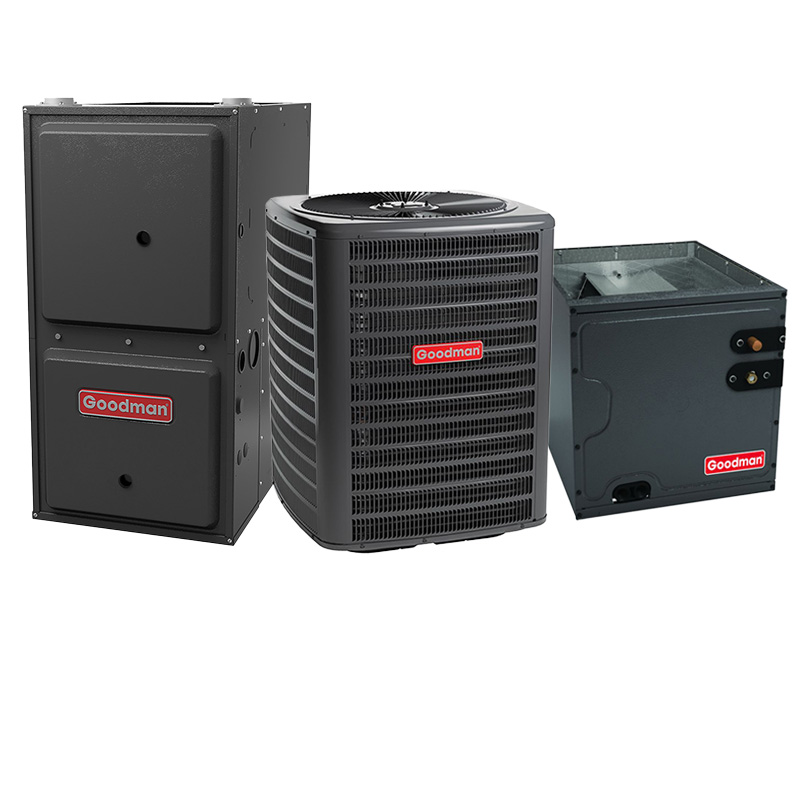
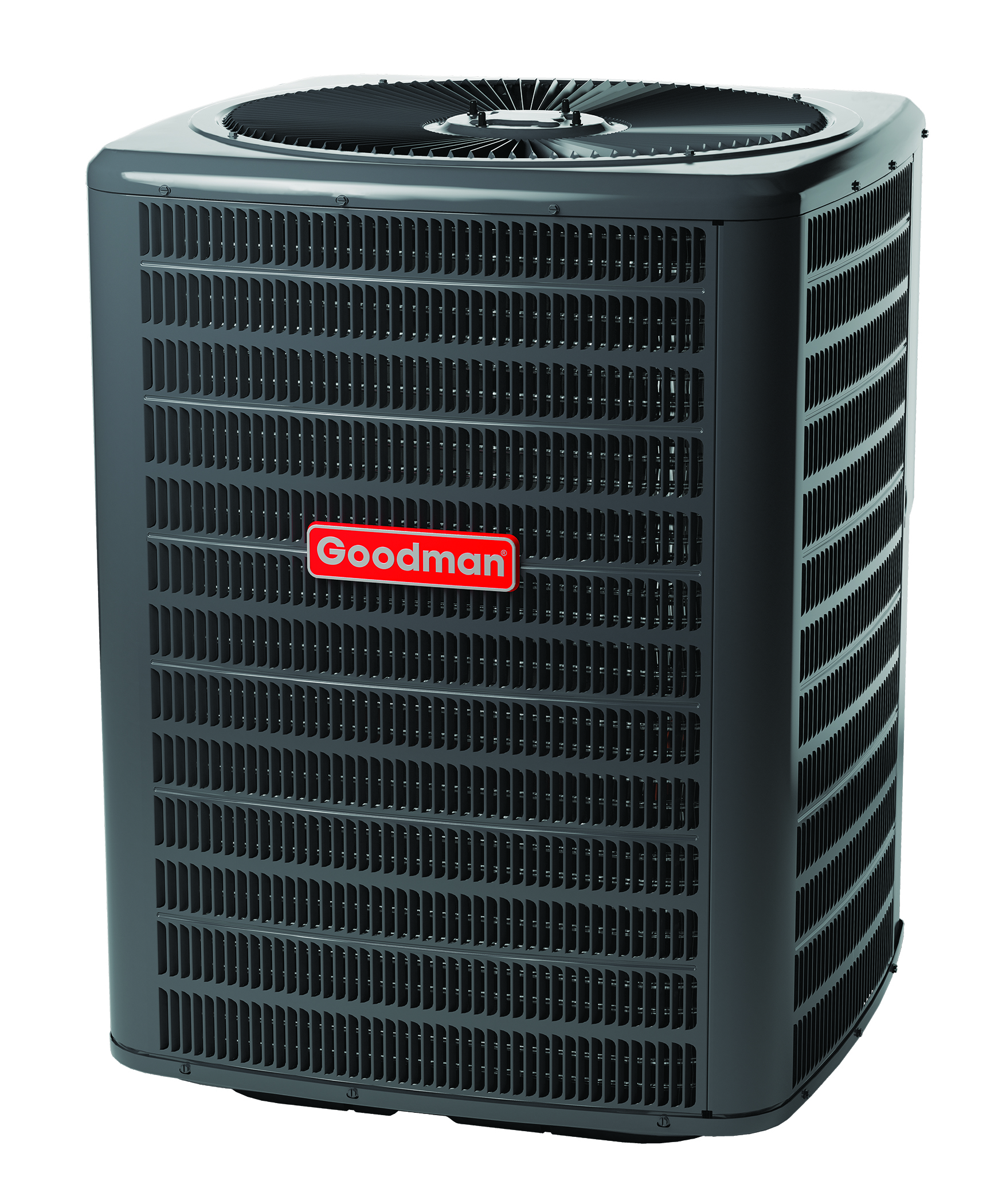
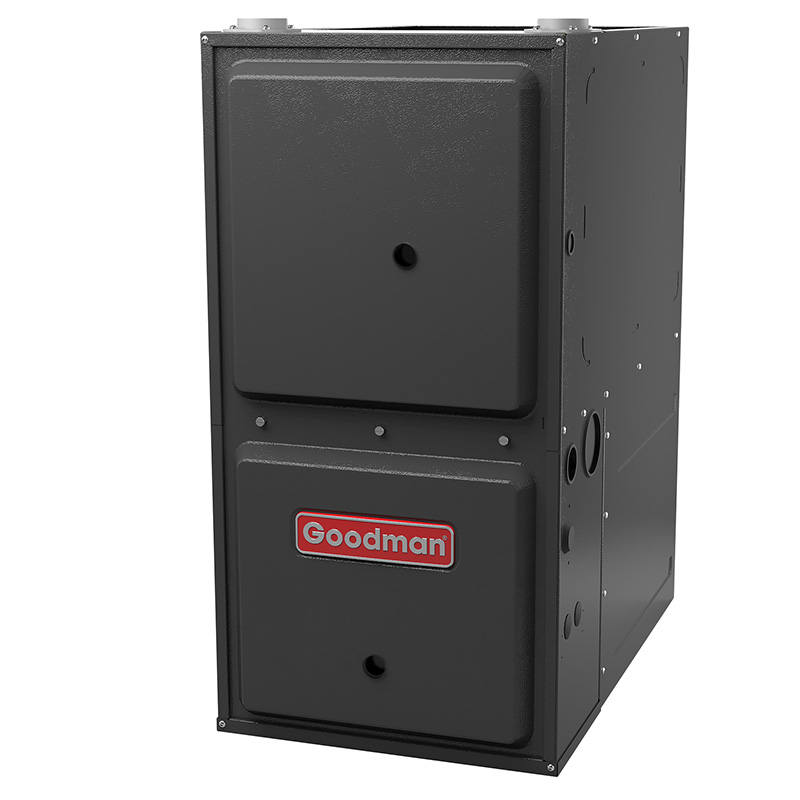
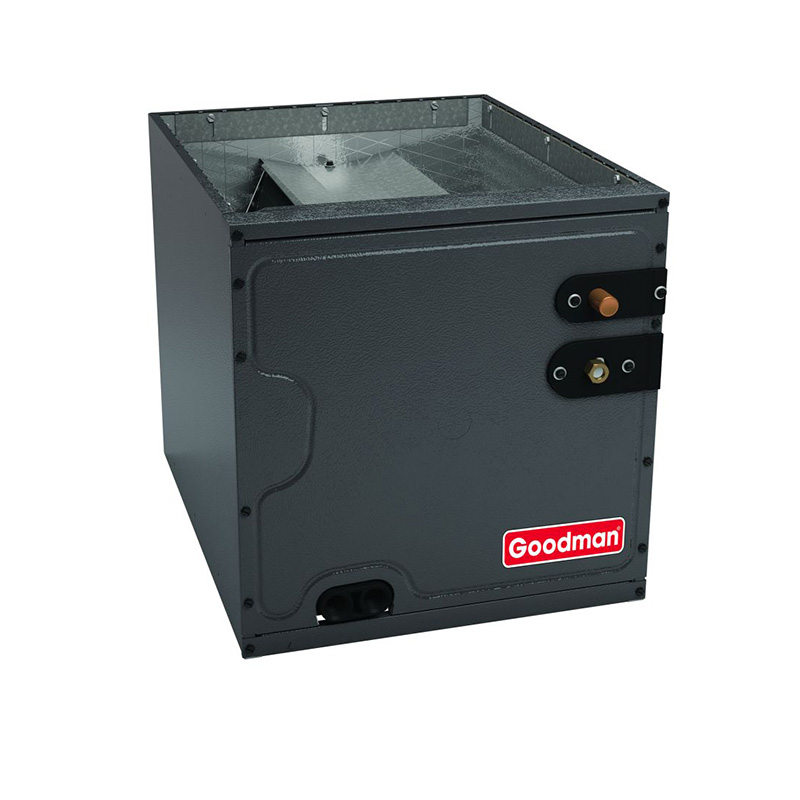
Goodman AC And Furnace – 2 Ton 17.5 SEER2 2 Stage AC With 80000 BTU 97% AFUE Modulating Variable-Speed ECM Gas Furnace System – Downflow | R32
View on AC Direct see your lowest price →Check current price on AC Direct →
Key features
- 17.5 SEER2 two-stage AC with R-32 refrigerant
- 97% AFUE modulating gas furnace, near-maximum residential efficiency
- Variable-speed ECM blower for continuous airflow adjustment
- Downflow configuration for attic, closet, or platform installations
- 80,000 BTU heating capacity for medium to larger homes
- R-32 refrigerant: lower global warming potential than R-410A
About this system
This Goodman bundle pairs a 2-ton, 17.5 SEER2 two-stage air conditioner with an 80,000 BTU, 97% AFUE modulating gas furnace in a downflow configuration, making it a strong candidate for homes where the air handler sits in an attic, closet, or platform above the living space and supply air flows downward. The R-32 refrigerant charge is a forward-looking choice: R-32 has a lower global warming potential than the R-410A it is replacing across the industry, and it tends to require a smaller charge by weight, which can reduce operating costs if a future recharge is ever needed.
The efficiency numbers here are genuinely competitive. A 17.5 SEER2 rating clears the current federal minimums by a comfortable margin and sits in the upper-mid tier for split systems, meaning real-world cooling costs should be noticeably lower than an entry-level 14 or 15 SEER2 unit. The 97% AFUE modulating furnace is near the top of what residential gas equipment can achieve, and the variable-speed ECM blower adjusts airflow continuously rather than cycling on at full blast, which improves comfort, humidity control, and filter efficiency. Two-stage cooling on the AC side lets the unit run at a lower capacity on mild days, reducing short-cycling and evening out temperatures across the home. Together these features suit homeowners with moderate to high heating loads who want a capable, efficient system without paying premium-brand prices.
This Goodman bundle delivers genuinely high efficiency at a price point that typically undercuts Trane, Carrier, and Lennox by 15 to 25 percent for comparable specs, making it an attractive option for budget-conscious buyers who want near-premium performance. The trade-off is a brand reliability record that trails the top tier, with capacitors and evaporator coil leaks being the most documented weak points and a compressor lifespan that tends to average shorter than premium competitors. How well this system performs long-term will depend heavily on the quality of the installing contractor.
Overall score is the average of the five ratings above.
What we like
- 17.5 SEER2 rating meaningfully reduces cooling energy costs versus minimum-efficiency equipment
- 97% AFUE modulating furnace is among the most efficient gas heating available for residential use
- Variable-speed ECM blower improves comfort and humidity control compared to single-speed alternatives
- R-32 refrigerant is more environmentally responsible and easier to source as R-410A phases out
- Priced 15 to 25 percent below comparable Trane, Carrier, and Lennox systems
Trade-offs
- Dual-run capacitors are the most frequently reported failure point, typically needing replacement within 7 to 10 years
- Evaporator coil leaks appear in a notable share of owner reviews, a more costly repair than a capacitor swap
- Compressor lifespan averages 10 to 14 years versus 15 to 20 years for premium-brand compressors
- Downflow-only configuration limits installation flexibility; not suitable for horizontal or upflow applications without a different cabinet
What homeowners and pros say about Goodman
On Google dealer review pages, where scores for Goodman installers cluster around 3.8 out of 5 across hundreds of reviews per location, the most common praise is straightforward: buyers feel they got a functional, efficient system for considerably less than a Trane or Carrier quote would have cost. That affordability reputation is real and well-earned at this price tier. The ConsumerAffairs channel paints a harder picture, sitting at roughly 2.5 out of 5, though that platform skews toward owners who are actively frustrated rather than satisfied. The recurring theme there is repair costs that start climbing after around year 7, which aligns with the documented pattern of dual-run capacitor failures being the most common service call. Capacitor replacements are generally a quick, low-cost fix in the 300 to 600 dollar range, but they do add up over time.
HVAC technicians who work on Goodman equipment frequently point to two more serious failure modes worth knowing before you buy. Evaporator coil leaks appear in a meaningful share of owner reviews and represent a more substantial repair expense than a capacitor swap. Compressor longevity is the other honest trade-off: Goodman compressors tend to average 10 to 14 years of service life, while premium-brand compressors more commonly reach 15 to 20 years. For a high-efficiency system like this one, with a modulating furnace and variable-speed blower adding complexity, a small number of owners have also reported refrigerant leaks in the first year, almost always linked to the initial installation charge rather than a factory defect. The consistent message from the trade is that this equipment rewards careful installation and regular maintenance, and it penalizes shortcuts.
Sources: ConsumerAffairs Goodman owner reviews, AHRI Directory of Certified Product Performance, U.S. DOE appliance and equipment efficiency standards, Goodman product specification sheets.
What it costs to run
At 17.5 SEER2, cooling this 2-ton system for a typical 1200-hour cooling season at the U.S. average electricity rate of $0.17/kWh works out to roughly $280 per year in cooling, about $85 less per year than a minimum-efficiency 13.4 SEER2 unit of the same size. Your real cost depends on your climate and local rate.
Method: (24,000 BTU/hr ÷ 17.5 SEER2) × 1200 hours ÷ 1000 × $0.17/kWh. Rate source: U.S. EIA average; cooling hours: moderate-climate estimate.
How it compares
| Brand | Comparable model | SEER2 | Stage | Price position |
|---|---|---|---|---|
| Goodman | 2-Ton 17.5 SEER2 Two-Stage AC / 80K BTU 97% AFUE Modulating Furnace (Downflow, R-32) | 17.5 | Two-stage cooling / Modulating heat | Value pick |
| Carrier | Comfort 16 / Performance 96 Series bundle | 17 | Two-stage cooling / Two-stage heat | Typically 15 to 25 percent higher than this Goodman bundle |
| Trane | XR17 AC / S9V2 Variable-Speed Furnace bundle | 17 | Two-stage cooling / Modulating heat | Typically 20 to 30 percent higher than this Goodman bundle |
| Lennox | XC17 AC / SLP98V Furnace bundle | 17.5 | Two-stage cooling / Modulating heat | Typically 25 to 40 percent higher than this Goodman bundle |
Competitor rows are comparable single-stage units at similar efficiency; price is relative position, not a quote.
Questions about this system
Why is this system downflow only, and does that affect what I can buy?
Downflow means the furnace cabinet is designed to draw return air in at the top and discharge heated or cooled air downward into the duct system below. This suits installations in attics, platforms, or closets where ducts run under the unit. If your existing ductwork or installation site requires upflow or horizontal airflow, you would need a different cabinet configuration entirely, so confirm your site requirements with your contractor before purchasing.
What does R-32 refrigerant mean for me as a homeowner?
R-32 has a lower global warming potential than the R-410A it replaces across the industry, and it requires a smaller refrigerant charge by weight. For you practically, it means your system is ahead of regulatory trends, and future service charges may be less expensive since R-32 is becoming more widely available. Any technician working on it will need EPA 608 certification and R-32-specific training, so confirm your service contractor is qualified before scheduling maintenance.
What is the most common repair this system will likely need, and roughly what does it cost?
Based on Goodman's documented failure pattern, dual-run capacitors are the most frequently reported part to fail, usually appearing after year 7 or so. A capacitor replacement is typically a straightforward repair in the 300 to 600 dollar range including labor. Evaporator coil leaks are a more significant documented failure mode and carry a higher repair cost, so registering the warranty promptly and scheduling annual maintenance checks is worthwhile.
How important is the installing contractor for a system like this?
Critically important. Goodman technicians and owners consistently cite install quality as the single biggest factor in how long the system performs reliably. A minority of owners report refrigerant leaks within the first year, and these are almost always traced to improper charging or install errors rather than manufacturing defects. Choosing a licensed contractor with documented Goodman experience and verifying they perform a full startup checklist is not optional if you want to protect the investment.
How does the modulating furnace actually improve comfort compared to a standard two-stage furnace?
A modulating furnace adjusts its firing rate in small increments rather than switching between just two levels, so it can closely match the exact heat demand of your home at any given moment. Combined with the variable-speed ECM blower that adjusts airflow continuously, the result is steadier temperatures, fewer hot and cold swings between cycles, and better humidity removal during cooling season since the blower runs longer at lower speeds. This is where much of the 97% AFUE efficiency gain comes from.
Specifications
| Cooling capacity | 2 Ton |
| Efficiency | 17.5 SEER2 |
| Furnace output | 80000 BTU |
| Furnace efficiency | 97% AFUE |
| Configuration | Downflow |
| Refrigerant | R-32 |