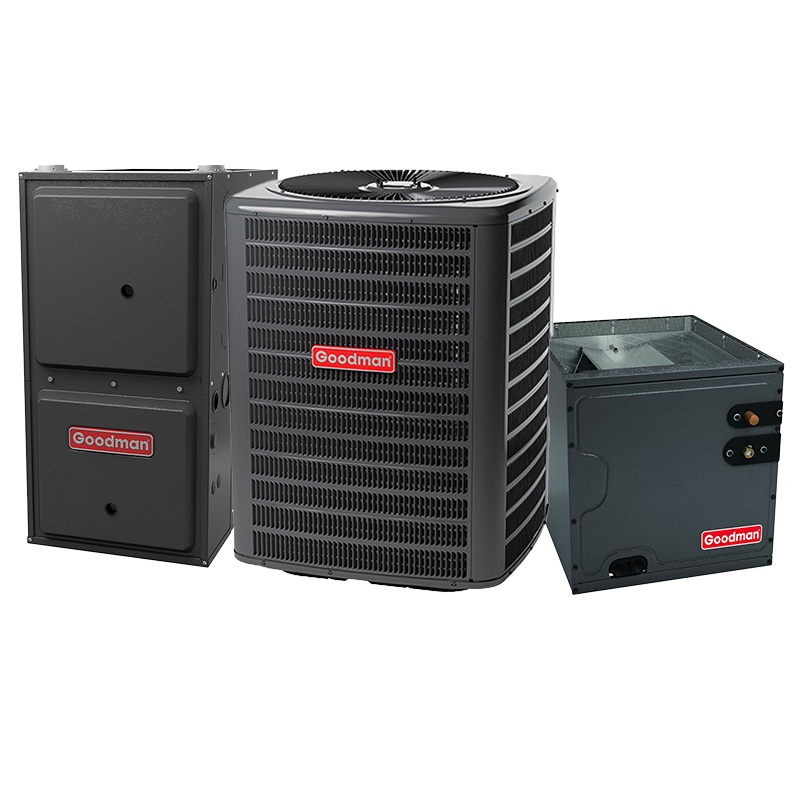
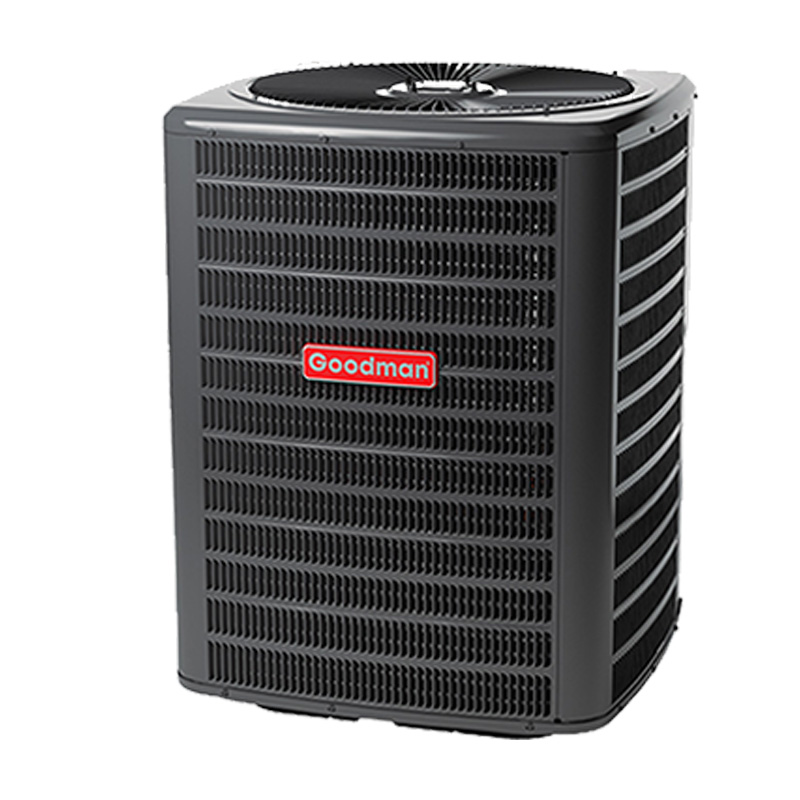
Goodman 3.5 Ton 13.4 SEER2 AC With 100000 BTU 96% AFUE 2-Stage Variable-Speed ECM Gas Furnace System – Downflow | R32
View on AC Direct see your lowest price →Check current price on AC Direct →
Key features
- 3.5-ton cooling capacity matched with 100,000 BTU heating output for larger homes
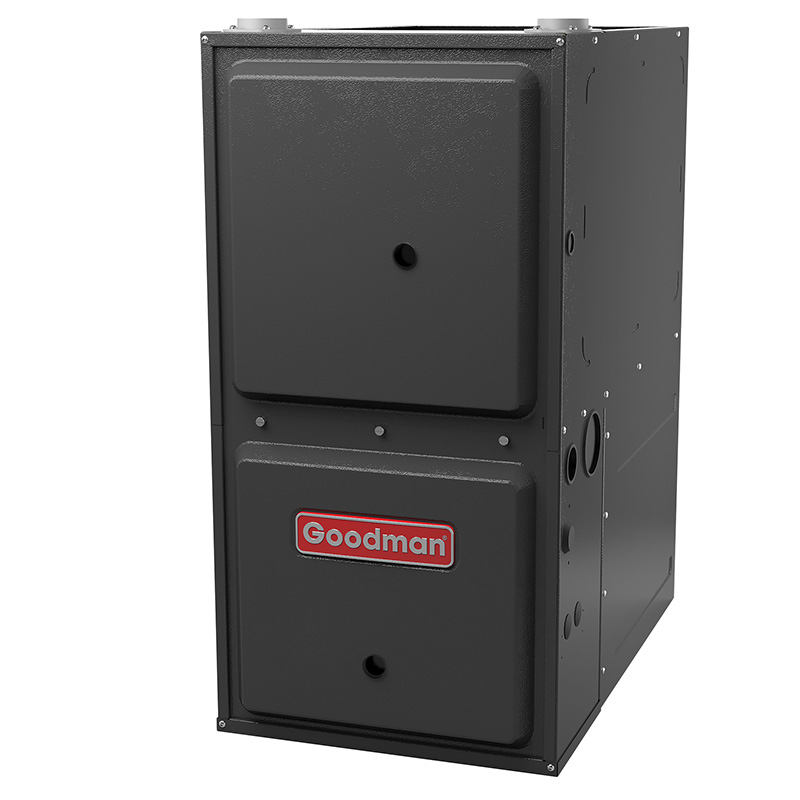
- 96% AFUE two-stage gas furnace reduces fuel waste and improves comfort consistency
- Variable-speed ECM blower motor cuts electricity use and reduces noise versus PSC motors
- 13.4 SEER2 cooling efficiency meets current federal minimums for most regions
- Downflow configuration designed for installations where supply air exits from the bottom of the unit
- R-32 refrigerant charge with lower global-warming potential than R-410A
About this system
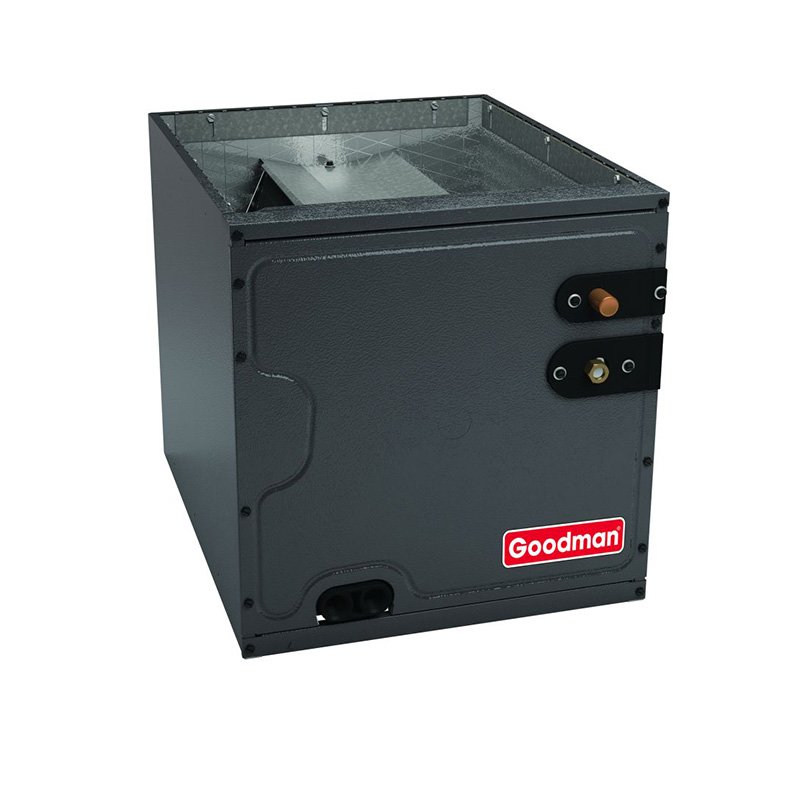
This Goodman bundle pairs a 3.5-ton, 13.4 SEER2 central air conditioner with a 100,000 BTU, 96% AFUE two-stage gas furnace in a downflow configuration, making it a practical match for homes where the air handler sits above a crawlspace or in a closet that blows air downward. The R-32 refrigerant charge reflects the industry’s ongoing shift away from R-410A, offering a lower global-warming potential while remaining compatible with modern residential equipment. At 13.4 SEER2, efficiency sits right at the federal minimum threshold for most northern U.S. regions, so buyers in high-cooling-demand climates or those chasing lower utility bills may want to consider a higher SEER2 tier.
The furnace side is where this system earns more of its keep: 96% AFUE means only about four cents of every dollar spent on gas escapes as waste heat, and the two-stage burner combined with a variable-speed ECM blower motor keeps the system from cycling on and off at full blast every time the thermostat calls. That combination tends to improve humidity control, reduce temperature swings between rooms, and run quieter than single-stage alternatives. The ECM motor also draws significantly less electricity than a standard PSC motor, partially offsetting the modest cooling-side efficiency. This system suits homeowners in mixed heating and cooling climates who want a capable furnace at a budget-conscious price point and can accept baseline cooling efficiency.
This Goodman bundle is a cost-effective way to get a genuinely capable two-stage, variable-speed heating system paired with baseline cooling efficiency, and the price gap versus Trane or Lennox equivalents is real and meaningful. The furnace specs punch above the system's price class, but the AC side offers no efficiency headroom, and Goodman's documented reliability record means long-term ownership costs depend heavily on install quality and a willingness to budget for periodic repairs after year seven.
Overall score is the average of the five ratings above.
What we like
- 96% AFUE two-stage furnace with variable-speed ECM motor is a strong value at this price tier
- Priced 15 to 25 percent below comparable Carrier, Trane, and Lennox systems
- R-32 refrigerant is more environmentally responsible than R-410A and increasingly supported by service techs
- Two-stage operation improves humidity control and reduces temperature swings versus single-stage
- ECM blower motor meaningfully lowers electricity consumption during heating season
Trade-offs
- 13.4 SEER2 is the federal floor for cooling efficiency, offering no savings buffer over minimum-code equipment
- Dual-run capacitor failures and evaporator coil leaks are documented recurring issues in this product line
- Compressor lifespan averages 10 to 14 years versus 15 to 20 years typical of premium brands
- Downflow-only configuration limits installation flexibility compared to multi-position units
What homeowners and pros say about Goodman
Homeowners who chose this Goodman system most often point to the price as the deciding factor, and the Google dealer review average of around 3.8 out of 5 reflects a buyer base that largely got what it expected: a functioning system at a lower upfront cost than the major premium brands. The two-stage furnace and ECM blower draw consistent praise for comfort improvements over basic single-stage setups, with owners noting less blasting and more even temperatures. ConsumerAffairs tells a harsher story, sitting near 2.5 out of 5, though that channel captures a complaint-skewed sample, and the recurring theme there is repair costs that start climbing after roughly year seven of ownership.
HVAC technicians tend to view Goodman as a workable budget option that lives or dies by the quality of the installation. The dual-run capacitor is the documented weak point, a well-known failure mode in this product line that usually means a 300 to 600 dollar service call but is considered a routine fix by most experienced technicians. Evaporator coil leaks are a more serious concern that shows up in a meaningful share of owner feedback and carries higher repair costs. On the compressor side, Goodman equipment typically averages 10 to 14 years of service life, which falls short of the 15 to 20 years more common with Trane, Lennox, or Carrier equipment. A small minority of owners have reported refrigerant leaks in the first year, which technicians generally attribute to installation or initial charge issues rather than a manufacturing defect. For buyers willing to invest in a quality install and keep a repair budget on hand, the system can deliver solid years of service at a price that is hard to argue with.
Sources: ConsumerAffairs Goodman owner reviews, AHRI Directory of Certified Product Performance, U.S. DOE appliance and equipment efficiency standards, Goodman product specification sheets.
What it costs to run
At 13.4 SEER2, cooling this 3.5-ton system for a typical 1200-hour cooling season at the U.S. average electricity rate of $0.17/kWh works out to roughly $639 per year in cooling, about $0 less per year than a minimum-efficiency 13.4 SEER2 unit of the same size. Your real cost depends on your climate and local rate.
Method: (42,000 BTU/hr ÷ 13.4 SEER2) × 1200 hours ÷ 1000 × $0.17/kWh. Rate source: U.S. EIA average; cooling hours: moderate-climate estimate.
How it compares
| Brand | Comparable model | SEER2 | Stage | Price position |
|---|---|---|---|---|
| Goodman | 3.5T 13.4 SEER2 AC + 96% AFUE 2-Stage ECM Furnace (Downflow, R-32) | 13.4 | Two-stage furnace / single-stage AC | Value pick |
| Carrier | Performance 13 (24ACC6) + 96% Performance Gas Furnace (59TP6) | 13.4 | Two-stage furnace / single-stage AC | Roughly 15 to 20 percent more than this Goodman bundle |
| Trane | XR13c AC + S9V2 96% Two-Stage Variable-Speed Furnace | 13.4 | Two-stage furnace / single-stage AC | Typically 20 to 25 percent more than this Goodman bundle |
| Lennox | Merit ML14XC1 AC + SLP98V 96% Variable-Stage Furnace | 14.3 | Variable-stage furnace / single-stage AC | Premium over this Goodman bundle, often 25 percent or more |
Competitor rows are comparable single-stage units at similar efficiency; price is relative position, not a quote.
Questions about this system
Is 13.4 SEER2 going to noticeably increase my electric bills compared to a higher-efficiency unit?
In moderate climates with two to three months of heavy AC use, the real-world dollar difference between 13.4 SEER2 and 16 SEER2 is often modest but not negligible. If you live in the Southeast or Southwest where the AC runs six or more months a year, the efficiency gap adds up over a 10-year ownership period, and moving to a higher SEER2 tier would likely pay back the price difference.
What does the downflow configuration actually mean, and can I install this in a standard utility closet?
Downflow means the furnace takes return air in at the top and pushes conditioned air out the bottom, so it requires a plenum below the unit connected to floor or crawlspace ductwork. It is not interchangeable with upflow or horizontal configurations, so your existing duct layout must match or be adapted before installation.
What are the most common repairs I should budget for on a Goodman system after the first few years?
Dual-run capacitor failures are the most frequently reported issue and typically cost between 300 and 600 dollars to repair. Evaporator coil leaks also appear in a meaningful share of owner reports and are more expensive to address. Setting aside a dedicated HVAC repair fund after year five is a reasonable precaution with this brand.
Does R-32 refrigerant require any special handling or affect service costs compared to R-410A?
R-32 is classified as mildly flammable, so technicians need certification to handle it and must use R-32-rated equipment and procedures. It is increasingly common in residential systems, and most established HVAC contractors in 2024 and beyond are equipped to work with it, but it is worth confirming with your service provider before scheduling routine maintenance or repairs.
What warranty does Goodman provide on this system, and what does it actually cover?
Goodman typically offers a 10-year parts limited warranty when the equipment is registered within a set window after installation, covering major components including the compressor and heat exchanger. Labor is not included, which means a compressor replacement inside the warranty period can still cost several hundred to over a thousand dollars in service fees. Confirm the exact registration requirements and coverage terms in the documentation that ships with your specific unit.
Specifications
| Cooling capacity | 3.5 Ton |
| Efficiency | 13.4 SEER2 |
| Furnace output | 100000 BTU |
| Furnace efficiency | 96% AFUE |
| Configuration | Downflow |
| Refrigerant | R-32 |