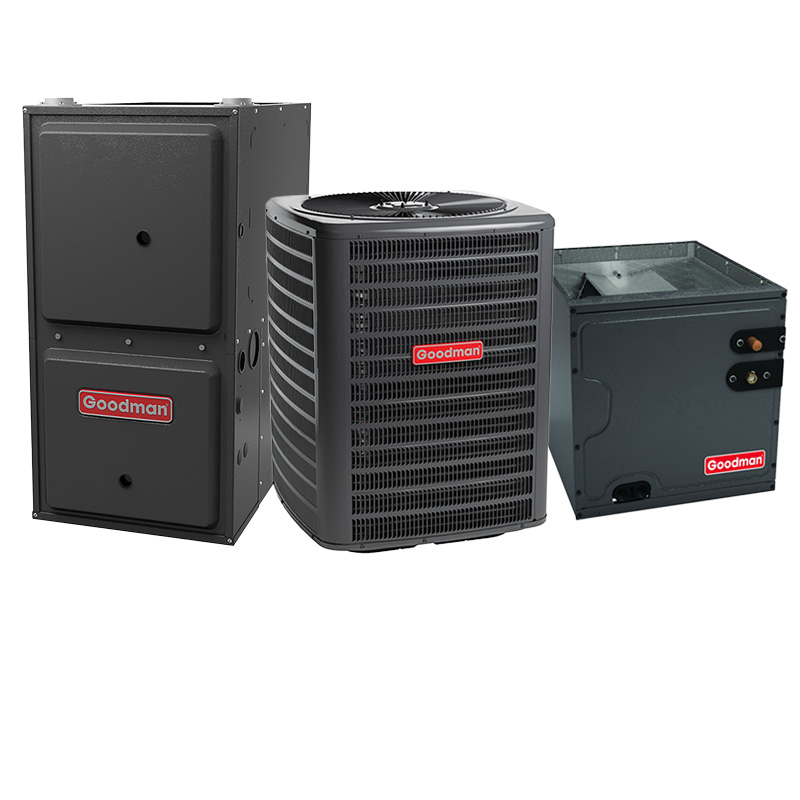
Goodman AC And Furnace – 5 Ton 16 SEER2 2 Stage AC With 100000 BTU 97% AFUE Modulating Variable-Speed ECM Gas Furnace System – Downflow | R32
View on AC Direct see your lowest price →Check current price on AC Direct →
Key features
- 5-ton, 16 SEER2 two-stage cooling for improved humidity control and fewer on/off cycles
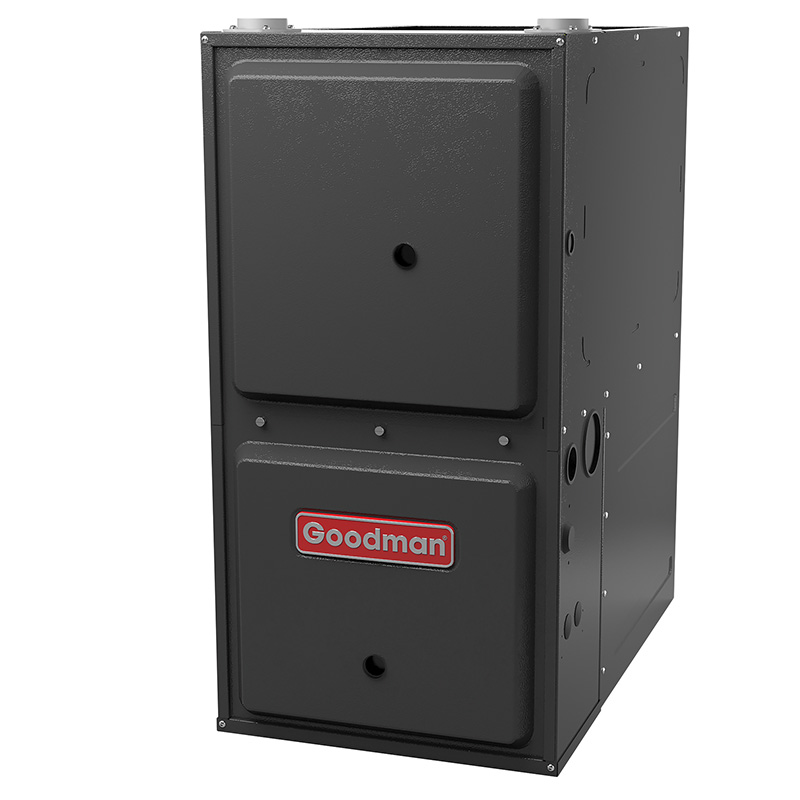
- 100,000 BTU modulating gas furnace rated at 97% AFUE for near-maximum fuel efficiency
- Variable-speed ECM blower motor reduces electricity consumption and improves airflow consistency
- Downflow configuration suits closet, basement, and utility-room installations with floor-level duct outlets
- R-32 refrigerant with lower global warming potential than legacy R-410A systems
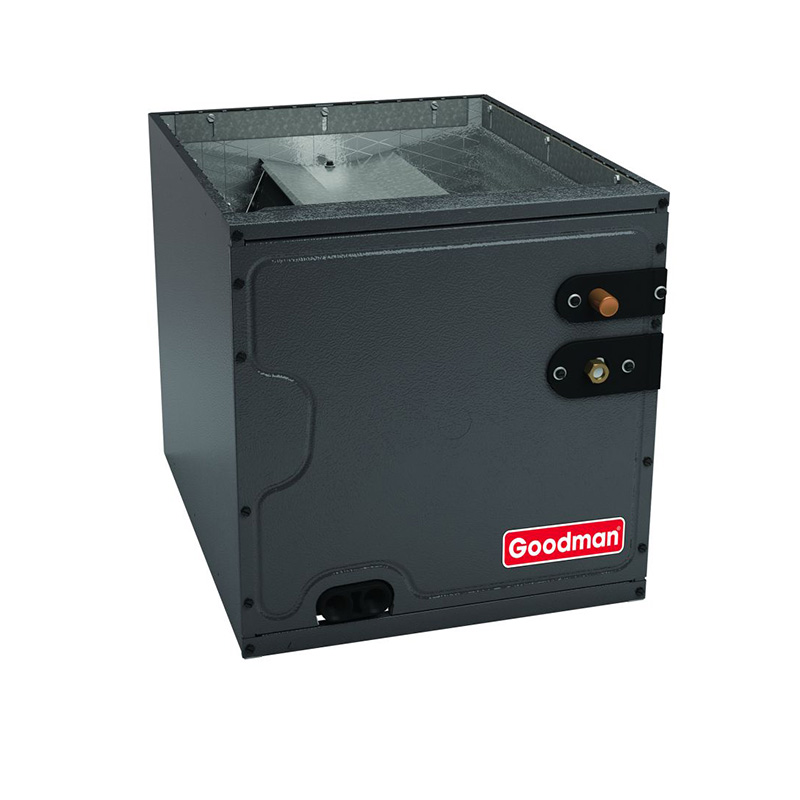
- Matched system designed for single-contractor installation with compatible coil and control wiring
About this system
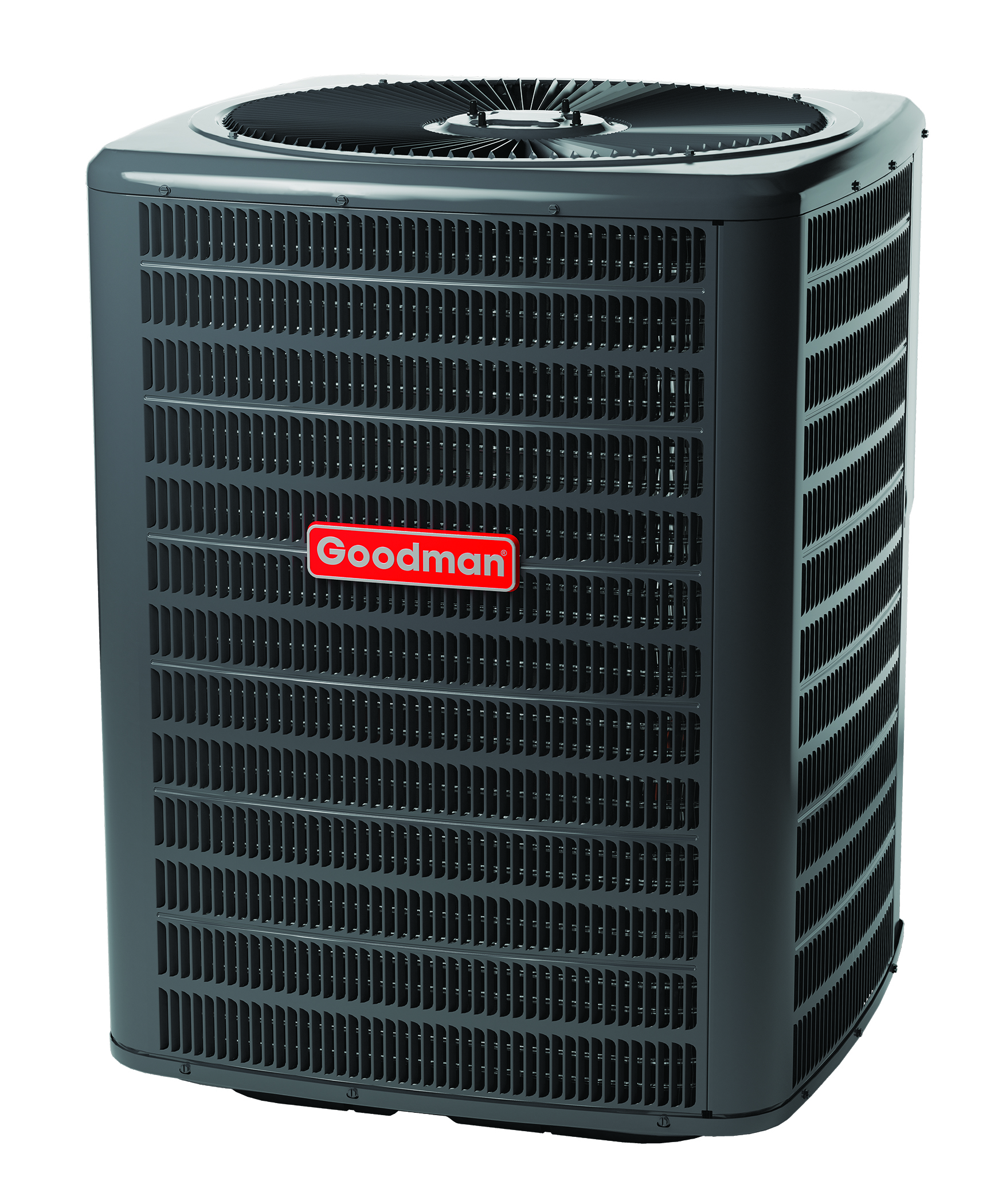
This Goodman bundle pairs a 5-ton, 16 SEER2 two-stage air conditioner with a 100,000 BTU, 97% AFUE modulating gas furnace in a downflow configuration, making it a strong candidate for homes where the air handler sits in a closet, basement utility room, or crawl space with ductwork running beneath the floor. The R-32 refrigerant charge is a forward-looking choice: R-32 has a lower global warming potential than the R-410A it replaces and is increasingly standard as the industry phases out older blends. At 5 tons, this system is sized for larger homes, typically in the 2,400 to 3,200 square foot range depending on climate, insulation, and window load, though proper Manual J load calculation by your installer should always confirm sizing before purchase.
The combination of two-stage cooling and modulating heat with a variable-speed ECM blower is where this system earns its keep on the comfort side. Two-stage cooling means the compressor runs at a reduced capacity most of the time, cycling less often, removing more humidity, and maintaining more even temperatures than a single-stage unit. The modulating furnace adjusts heat output in small increments rather than blasting full capacity, and the ECM motor uses significantly less electricity than a standard PSC blower. Together, these features push comfort and efficiency noticeably beyond entry-level equipment, though 16 SEER2 is a mid-tier efficiency rating rather than a top-tier one, sitting above federal minimum thresholds but well below the 18 to 21 SEER2 range premium brands offer at higher prices.
This Goodman bundle delivers genuine mid-tier comfort features at a price point meaningfully below comparable Carrier, Trane, or Lennox configurations, making it a reasonable choice for cost-conscious buyers who vet their installer carefully. The modulating furnace and two-stage AC are real upgrades over entry-level equipment, but Goodman's documented history of capacitor failures, evaporator coil leaks, and compressor lifespans shorter than premium brands means long-term ownership costs can partially close the upfront savings gap. Buyers who prioritize lowest out-of-pocket cost now and plan to maintain aggressively will find this system competitive; those who want the longest probable service life with fewest interventions should compare it honestly against premium alternatives.
Overall score is the average of the five ratings above.
What we like
- Priced 15 to 25 percent below comparable Trane, Lennox, and Carrier systems at similar efficiency and staging
- Modulating furnace at 97% AFUE represents near-best-in-class fuel efficiency, minimizing heating bills in cold climates
- Two-stage compressor provides better dehumidification and temperature stability than single-stage alternatives
- R-32 refrigerant is a more environmentally responsible choice and positions the system for near-term regulatory alignment
- Variable-speed ECM blower lowers blower electricity draw and supports quieter, more consistent air distribution
Trade-offs
- Dual-run capacitors are the most frequently reported failure point, with repair costs typically in the 300 to 600 dollar range, often appearing before year 10
- Evaporator coil leaks appear in a meaningful share of owner reports, a known weak point that can be costly if it falls outside warranty coverage
- Compressor lifespan averages 10 to 14 years versus 15 to 20 years for premium brands, relevant for a 5-ton unit where replacement is a major expense
- System performance is heavily dependent on install quality, meaning a poor installation can undercut every efficiency and comfort advantage on paper
What homeowners and pros say about Goodman
Homeowners who have owned Goodman systems tend to land in two camps, and both are reflected in the brand’s ratings. On ConsumerAffairs, the score sits at roughly 2.5 out of 5, driven largely by owners dealing with repair costs that climb after around year seven, particularly around dual-run capacitor failures and evaporator coil leaks, two failure modes that show up repeatedly in owner accounts. On Google dealer reviews, the picture is a bit warmer at around 3.8 out of 5, where the most common positive note is straightforward: the system delivered reliable cooling and heat at a price that competing brands could not match. Neither number is fabricated optimism or unfair criticism; they reflect a brand that genuinely delivers value upfront while asking more from owners in terms of maintenance attention and realistic expectations about mid-life component replacement.
HVAC technicians who work on Goodman equipment regularly tend to echo a consistent observation: the brand performs much closer to its rated specs when the installation is done right, and it falls short faster when it is not. Refrigerant leaks in the first year, another documented pattern with Goodman systems, are almost always traced back to improper charge or connection issues at install rather than a factory defect. For a 5-ton modulating system like this one, where the controls and variable-speed components are more involved than a basic single-stage unit, that installer dependency matters more, not less. Buyers who take the time to hire a contractor with demonstrated experience on matched Goodman systems, check that registration is handled correctly, and schedule annual maintenance checks are the ones most likely to see this system reach a respectable service life despite the brand’s shorter average compressor longevity compared to premium competitors.
Sources: ConsumerAffairs Goodman owner reviews, AHRI Directory of Certified Product Performance, U.S. DOE appliance and equipment efficiency standards, Goodman product specification sheets.
What it costs to run
At 16 SEER2, cooling this 5-ton system for a typical 1200-hour cooling season at the U.S. average electricity rate of $0.17/kWh works out to roughly $765 per year in cooling, about $148 less per year than a minimum-efficiency 13.4 SEER2 unit of the same size. Your real cost depends on your climate and local rate.
Method: (60,000 BTU/hr ÷ 16 SEER2) × 1200 hours ÷ 1000 × $0.17/kWh. Rate source: U.S. EIA average; cooling hours: moderate-climate estimate.
How it compares
| Brand | Comparable model | SEER2 | Stage | Price position |
|---|---|---|---|---|
| Goodman | This system: 5-ton 16 SEER2 Two-Stage AC + 97% AFUE Modulating Furnace, Downflow, R-32 | 16 | Two-stage | Value pick |
| Carrier | Performance 17 Series (24ACC636 + 59TP6) two-stage AC and modulating furnace bundle | 17 | Two-stage | Typically 20 to 25 percent above this Goodman bundle |
| Trane | XR17 (4TTR7060) two-stage AC paired with XC95m modulating furnace | 17 | Two-stage | Typically 20 to 30 percent above this Goodman bundle |
| Lennox | Merit 16ACX two-stage AC with SL280V variable-capacity furnace | 16 | Two-stage | Typically 15 to 25 percent above this Goodman bundle |
Competitor rows are comparable single-stage units at similar efficiency; price is relative position, not a quote.
Questions about this system
Is a 5-ton system actually the right size for my house, or is bigger always better?
Bigger is not better in HVAC. An oversized system short-cycles, meaning it turns on and off too frequently, which hurts dehumidification, increases wear, and wastes energy. A proper Manual J load calculation by your installer is the only reliable way to confirm whether 5 tons fits your home's actual heat gain and heat loss numbers before you purchase.
What does the downflow configuration mean, and how do I know if my home needs it?
Downflow means the furnace takes air in at the top and discharges conditioned air downward, into ductwork that runs below the unit. It is the right choice when your air handler sits in a main-floor closet or basement utility space with supply ducts running under the floor. If your ductwork runs through an attic or above the unit, you likely need an upflow or horizontal configuration instead.
Goodman has mixed reviews online. Should that worry me before buying this system?
Goodman scores around 2.5 out of 5 on ConsumerAffairs, a channel that skews toward frustrated owners, and around 3.8 out of 5 on Google dealer reviews, where affordability is the most common praise. The documented weak points are real: dual-run capacitors, evaporator coil leaks, and a compressor lifespan that averages shorter than premium brands. Knowing these ahead of time lets you budget for an extended warranty and schedule proactive maintenance rather than being caught off guard.
What is the warranty on this system and what does it actually cover?
Goodman typically offers a 10-year parts warranty on registered systems, which covers components including the compressor and heat exchanger when you register within the required window after installation. It does not cover labor, refrigerant, or diagnostic charges, so repair calls still carry out-of-pocket costs even within the warranty period. Confirming registration requirements with your installer at the time of installation is important.
Why does this system use R-32 instead of R-410A, and does that affect service costs?
R-32 has a lower global warming potential than R-410A and is being adopted industry-wide as regulations tighten around high-GWP refrigerants. Most licensed HVAC technicians are already certified to handle R-32, and it is not expected to create meaningful service cost differences compared to R-410A systems. However, you should confirm that any technician you hire for future service has the appropriate certification before scheduling work.
Specifications
| Cooling capacity | 5 Ton |
| Efficiency | 16 SEER2 |
| Furnace output | 100000 BTU |
| Furnace efficiency | 97% AFUE |
| Configuration | Downflow |
| Refrigerant | R-32 |