Goodman 3 Ton 17.2 SEER2 AC With 80000 BTU 96% AFUE 2-Stage Variable-Speed ECM Gas Furnace System – Horizontal | 2-Stage High Efficiency AC | R32
View on AC Direct see your lowest price →Check current price on AC Direct →
Key features
- 17.2 SEER2 two-stage cooling on a 3-ton R-32 platform
- 96% AFUE two-stage gas furnace rated at 80,000 BTU output
- Variable-speed ECM blower motor for precise airflow and humidity control
- Horizontal configuration for attic and crawlspace installations
- R-32 refrigerant with lower global-warming potential than R-410A
- Two-stage operation on both heating and cooling sides for reduced short-cycling
About this system
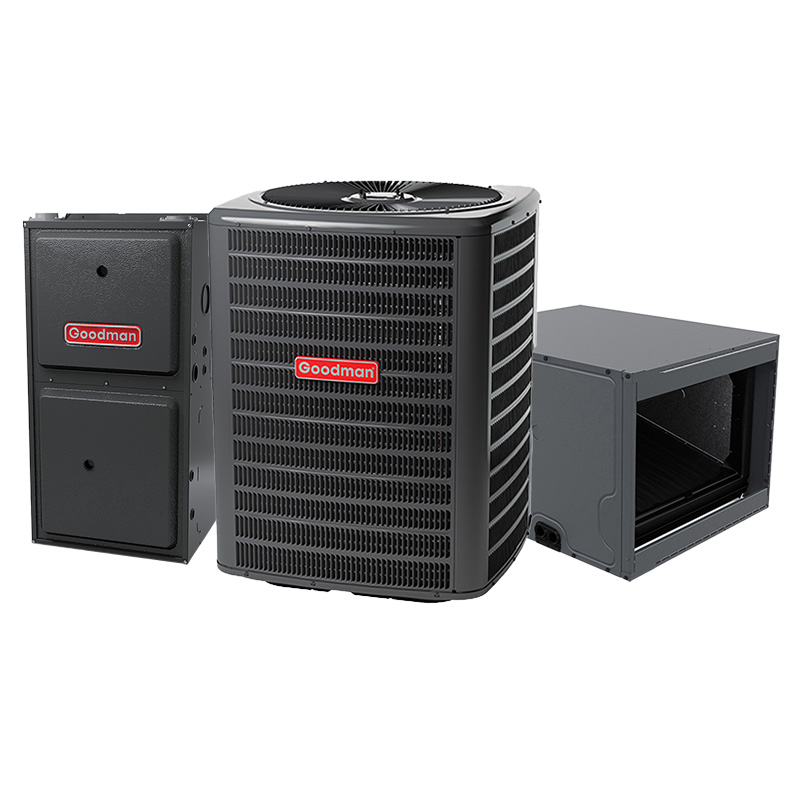
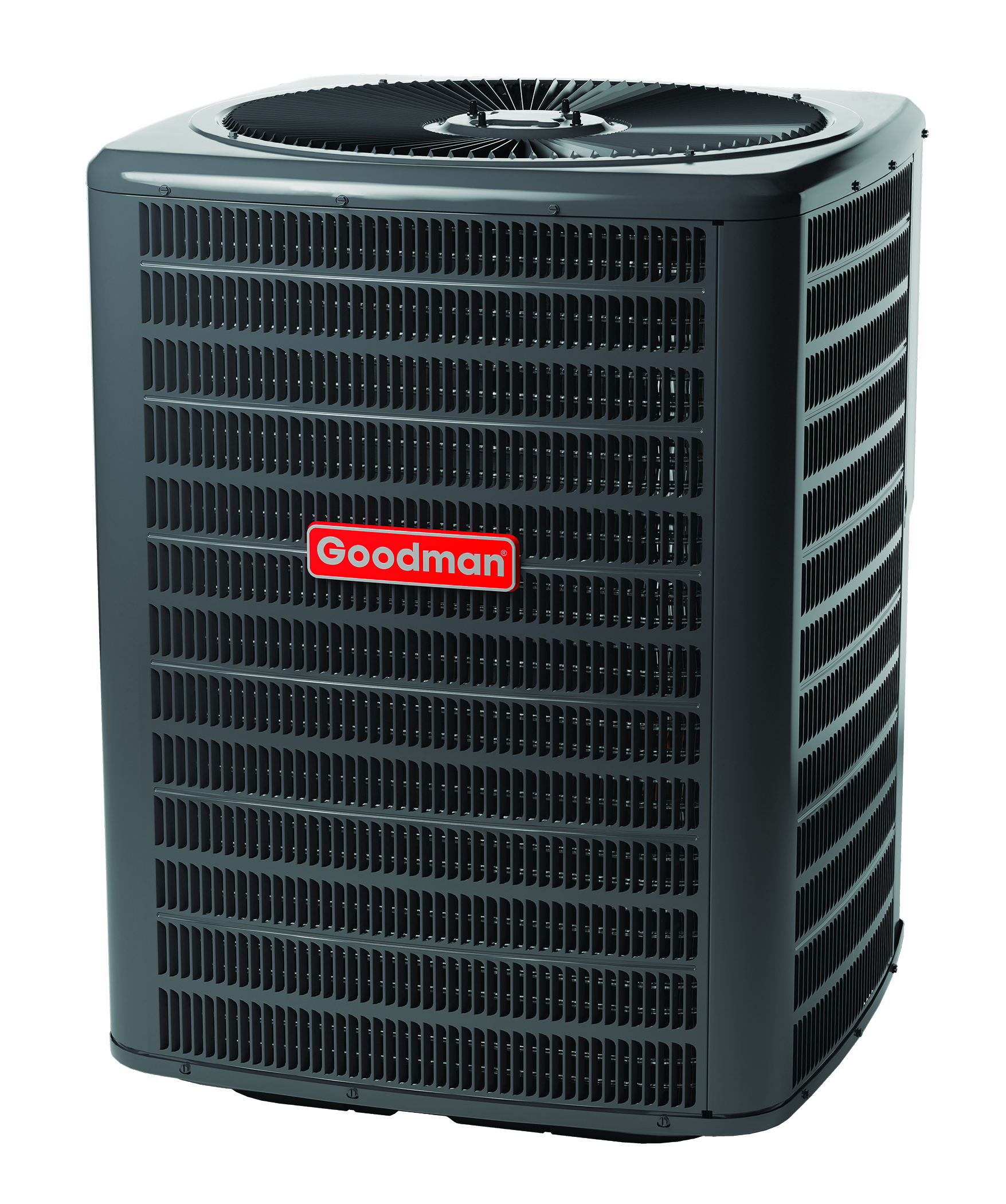
The Goodman GLXT7CA3610 pairs a 3-ton, 17.2 SEER2 two-stage air conditioner with an 80,000 BTU, 96% AFUE two-stage gas furnace in a horizontal configuration, making it a solid choice for homes with attic or crawlspace installations where vertical airflow is not practical. The R-32 refrigerant charge is a forward-looking detail: R-32 has a lower global-warming potential than the R-410A it replaces, and its higher energy density often allows slightly smaller charge volumes. At 17.2 SEER2, this system clears the federal minimum for the Northern region and edges into high-efficiency territory without reaching the premium price tier of variable-capacity equipment.
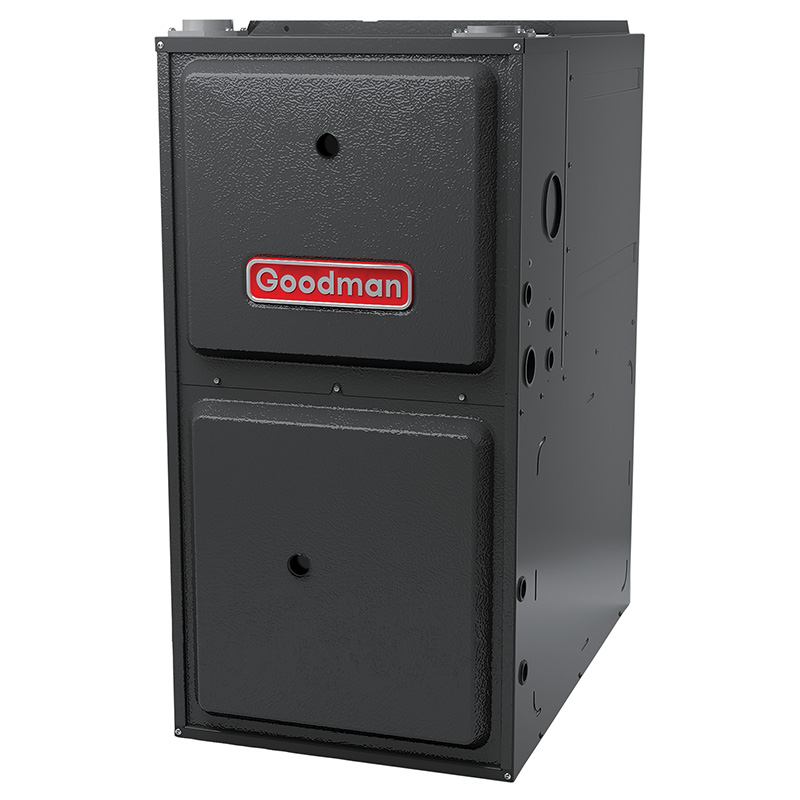
The variable-speed ECM blower motor on the furnace side is the spec that matters most for day-to-day comfort. ECM motors ramp airflow up and down in small increments rather than switching between two fixed speeds, which reduces temperature swings, improves humidity control during long low-load cooling cycles, and cuts blower electricity consumption meaningfully compared to a standard PSC motor. The two-stage compressor on the AC side complements that by running at a lower capacity on mild days, keeping the system on longer and removing more moisture before cycling off. Combined, those two features make this a noticeably more comfortable system than a single-stage, fixed-speed setup at a fraction of the cost of a full variable-speed inverter-driven system.
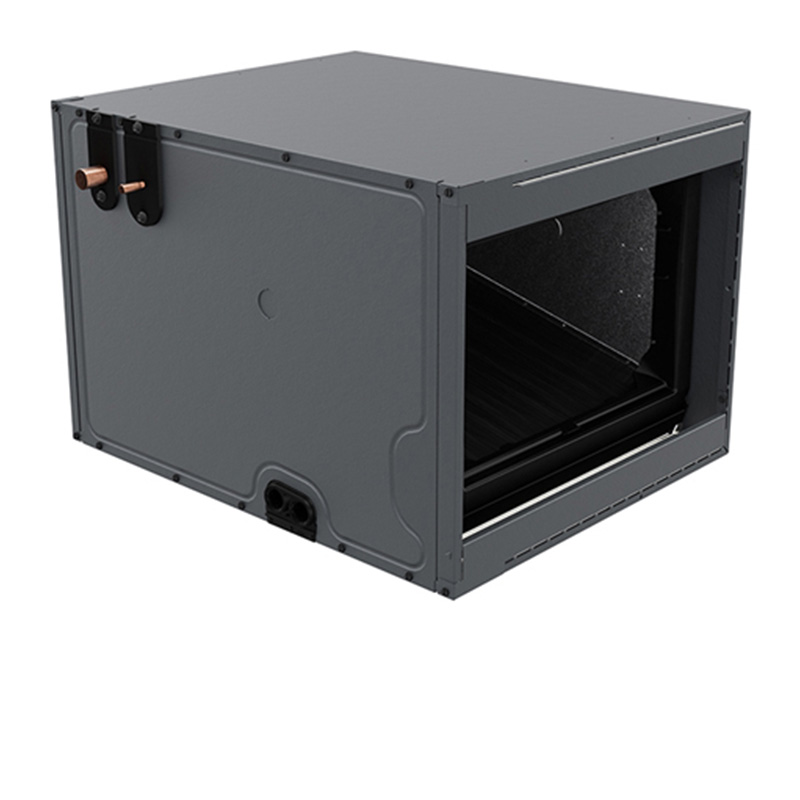
Horizontal discharge is a specific constraint worth noting before buying. The air handler must be mounted on its side, typically in a tight attic or utility closet with horizontal ductwork. That configuration adds complexity at install time and can make future service calls harder if clearances are tight. This system suits a cost-conscious buyer who wants above-average efficiency and genuine comfort improvements over base equipment, understands that Goodman’s long-term performance is closely tied to installer quality, and is not expecting the build finish or component longevity of a Trane or Lennox at this price point.
This system offers a genuine step up in comfort and efficiency over entry-level equipment at a price that undercuts comparable Carrier, Trane, and Lennox configurations by a meaningful margin. The ECM blower and two-stage compressor deliver real-world benefits in humidity control and temperature consistency, but Goodman's documented component failure rates and compressor longevity gap versus premium brands are trade-offs buyers should weigh honestly. For budget-focused homeowners with access to a skilled installer, it earns its place; for buyers prioritizing 20-plus years of low-maintenance operation, the premium brands may justify the higher upfront cost.
Overall score is the average of the five ratings above.
What we like
- 17.2 SEER2 rating reduces seasonal cooling costs compared to minimum-efficiency alternatives
- Variable-speed ECM motor cuts blower energy use and improves humidity removal during long cooling cycles
- Two-stage operation on both units reduces short-cycling and improves temperature consistency
- Priced 15 to 25 percent below comparable Trane, Carrier, and Lennox systems
- R-32 refrigerant is more environmentally responsible and widely available through certified techs
Trade-offs
- Dual-run capacitors are the most frequently reported failure point, typically adding a 300 to 600 dollar service call
- Evaporator coil leaks appear in a meaningful share of owner reviews, a more costly repair than capacitor replacement
- Compressor lifespan averages 10 to 14 years versus 15 to 20 years for premium-brand compressors
- Horizontal-only configuration increases installation complexity and can restrict service access in tight spaces
What homeowners and pros say about Goodman
Homeowners and HVAC technicians generally describe Goodman in the same terms: reliable enough when the install is done right, but not a set-it-and-forget-it brand the way Trane or Lennox can be. On ConsumerAffairs, Goodman sits at roughly 2.5 out of 5, though that channel skews heavily toward frustrated owners who sought out a review platform after a bad experience. The recurring theme in those reviews is repair costs climbing after about year 7, which aligns with the documented compressor lifespan of 10 to 14 years versus the 15 to 20 years more commonly seen from premium-brand compressors. Google dealer reviews tell a more balanced story, averaging around 3.8 out of 5, where affordability is the most frequently cited positive and installer responsiveness is the variable that separates good outcomes from bad ones.
Among the specific failure modes tied to Goodman equipment, dual-run capacitors are the most talked-about issue, typically a quick fix in the 300 to 600 dollar range that most homeowners encounter at least once over the life of the system. More consequential are evaporator coil leaks, which show up in a meaningful portion of owner reviews and carry a higher repair cost. A minority of owners also report refrigerant leaks in the first year, which technicians generally attribute to installation or initial charge issues rather than a defect in the equipment itself. The takeaway for this horizontal system specifically is that installation quality is not just a general caveat: a horizontal configuration in a tight attic already presents more opportunities for an imprecise install, which makes choosing an experienced, detail-oriented contractor more important than it would be for a straightforward upflow setup.
Sources: ConsumerAffairs Goodman owner reviews, AHRI Directory of Certified Product Performance, U.S. DOE appliance and equipment efficiency standards, Goodman product specification sheets.
What it costs to run
At 17.2 SEER2, cooling this 3-ton system for a typical 1200-hour cooling season at the U.S. average electricity rate of $0.17/kWh works out to roughly $427 per year in cooling, about $121 less per year than a minimum-efficiency 13.4 SEER2 unit of the same size. Your real cost depends on your climate and local rate.
Method: (36,000 BTU/hr ÷ 17.2 SEER2) × 1200 hours ÷ 1000 × $0.17/kWh. Rate source: U.S. EIA average; cooling hours: moderate-climate estimate.
How it compares
| Brand | Comparable model | SEER2 | Stage | Price position |
|---|---|---|---|---|
| Goodman | GLXT7CA3610 | 17.2 | Two-stage | Value pick |
| Carrier | Comfort 17 (24ACC7) | 17 | Two-stage | Typically 20 to 25 percent more than this Goodman |
| Trane | XR17 | 17 | Two-stage | Typically 20 to 30 percent more than this Goodman |
| Lennox | Merit ML17XC2 | 17 | Two-stage | Typically 25 to 35 percent more than this Goodman |
Competitor rows are comparable single-stage units at similar efficiency; price is relative position, not a quote.
Questions about this system
Is a horizontal-only system harder to service than a standard upflow furnace?
Yes, in most cases. Horizontal units mounted in attics or crawlspaces often have limited clearance around the cabinet, which can make coil inspections, capacitor replacements, and filter changes more time-consuming for a technician. Before installation, confirm that your installer will leave at least the minimum recommended service clearance on the access panel side.
What is the warranty coverage on this Goodman system?
Goodman typically offers a 10-year parts limited warranty when the system is registered within 60 days of installation by a licensed contractor. Failure to register usually drops coverage to 5 years on parts. The warranty covers parts but not labor, so out-of-pocket costs for covered repairs can still be significant depending on your service rates.
Does using R-32 refrigerant affect who can service this system?
R-32 is a mildly flammable (A2L) refrigerant, and some jurisdictions require technicians to have specific training or certification to handle it. Most established HVAC companies are already equipped or in the process of certifying their techs as R-32 becomes the industry standard, but it is worth confirming with your local service provider before committing to this system.
How does a two-stage system compare to a variable-speed inverter system at this efficiency level?
A variable-speed inverter-driven compressor can modulate output across a wide continuous range, typically 30 to 100 percent capacity, which allows even finer humidity control and can push SEER2 ratings into the low-to-mid 20s. This two-stage system operates at two fixed capacities, which is a real comfort improvement over single-stage but does not match the granular control of a true inverter system. The trade-off is a lower upfront cost and simpler repair profile.
Is the 3-ton size right for my home, or should I size up to a 3.5 or 4 ton?
Tonnage should be determined by a Manual J load calculation specific to your home's square footage, insulation levels, window area, and climate zone, not by the size of the equipment being replaced. Oversizing a two-stage system leads to short-cycling, poor humidity removal, and accelerated wear even with the lower stage engaged. Ask your installer to provide a load calculation before finalizing the tonnage.
Specifications
| Cooling capacity | 3 Ton |
| Efficiency | 17.2 SEER2 |
| Furnace output | 80000 BTU |
| Furnace efficiency | 96% AFUE |
| Configuration | Horizontal |
| Refrigerant | R-32 |
| Model | GLXT7CA3610 |