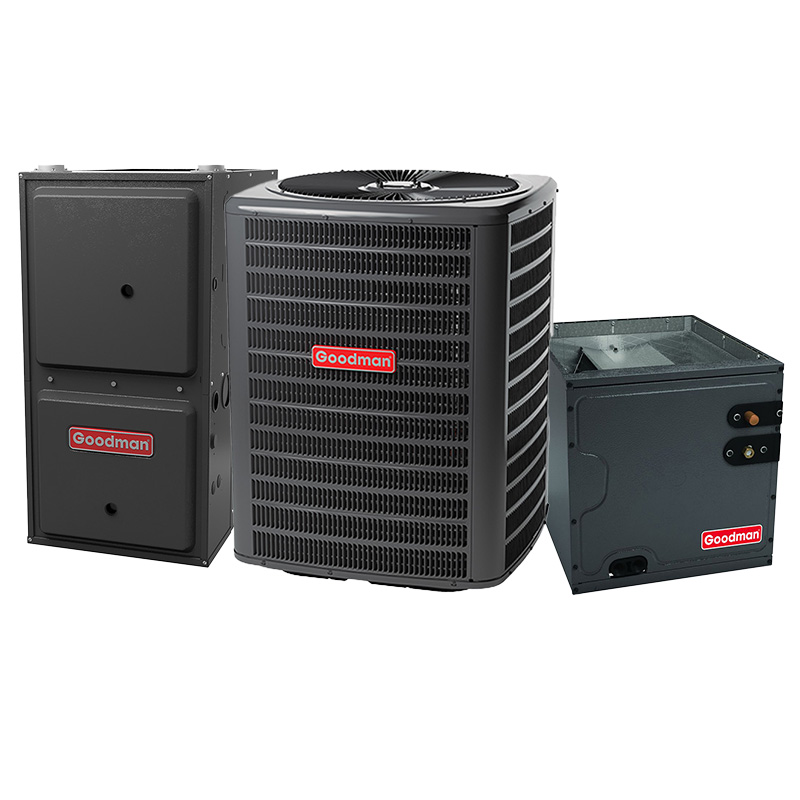
Goodman 5 Ton 16 SEER2 AC With 120000 BTU 96% AFUE 2-Stage Variable-Speed ECM Gas Furnace System – Downflow | 2-Stage High Efficiency AC | R32
View on AC Direct see your lowest price →Check current price on AC Direct →
Key features
- 5-ton two-stage AC rated at 16 SEER2 using R-32 refrigerant
- 120,000 BTU two-stage gas furnace with 96% AFUE
- Variable-speed ECM blower motor for improved humidity control and lower fan energy use
- Downflow configuration for floor-level supply duct installations
- Two-stage operation on both cooling and heating for reduced temperature swings
- Factory-matched split system designed to satisfy AHRI efficiency ratings when installed together
About this system
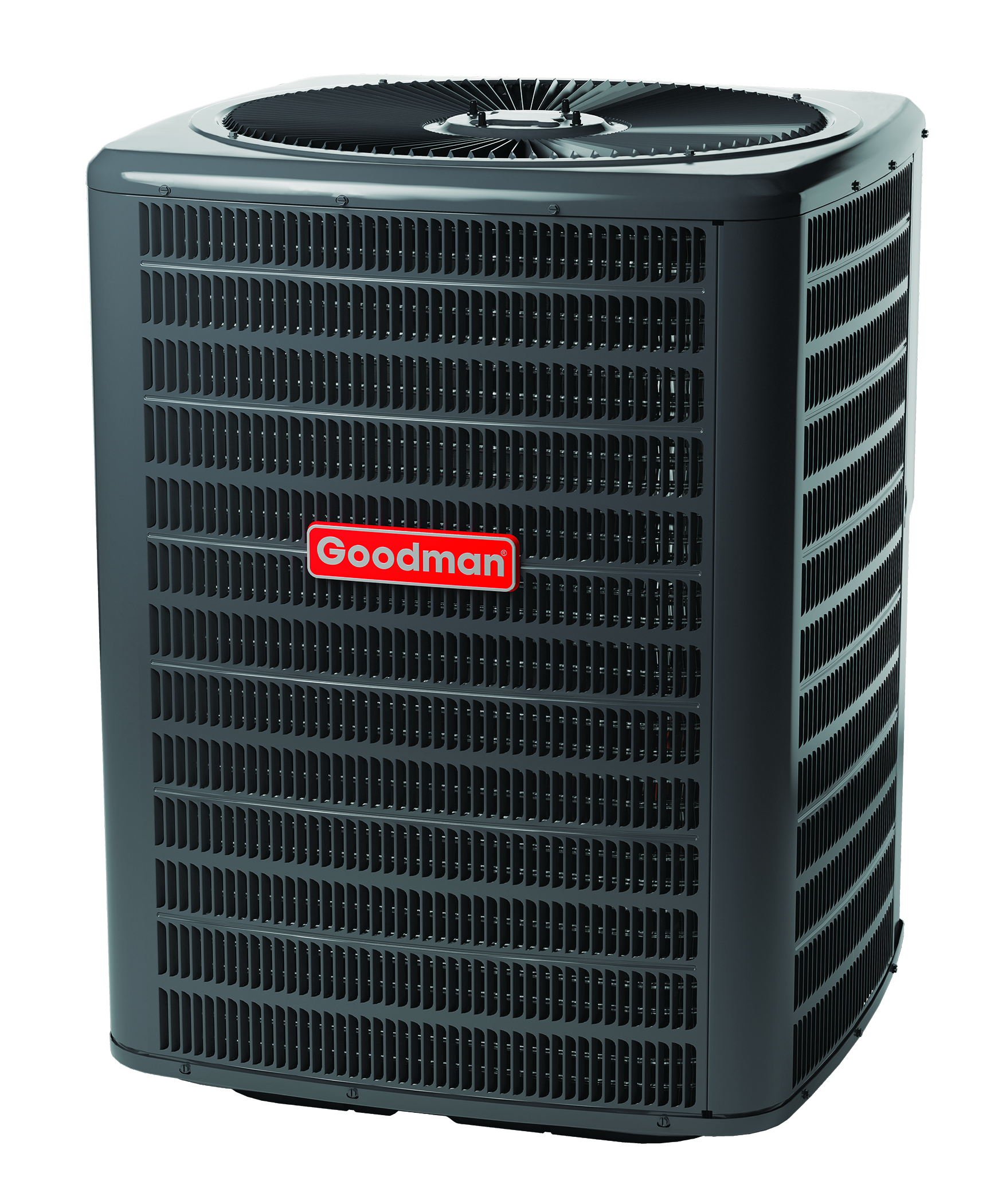
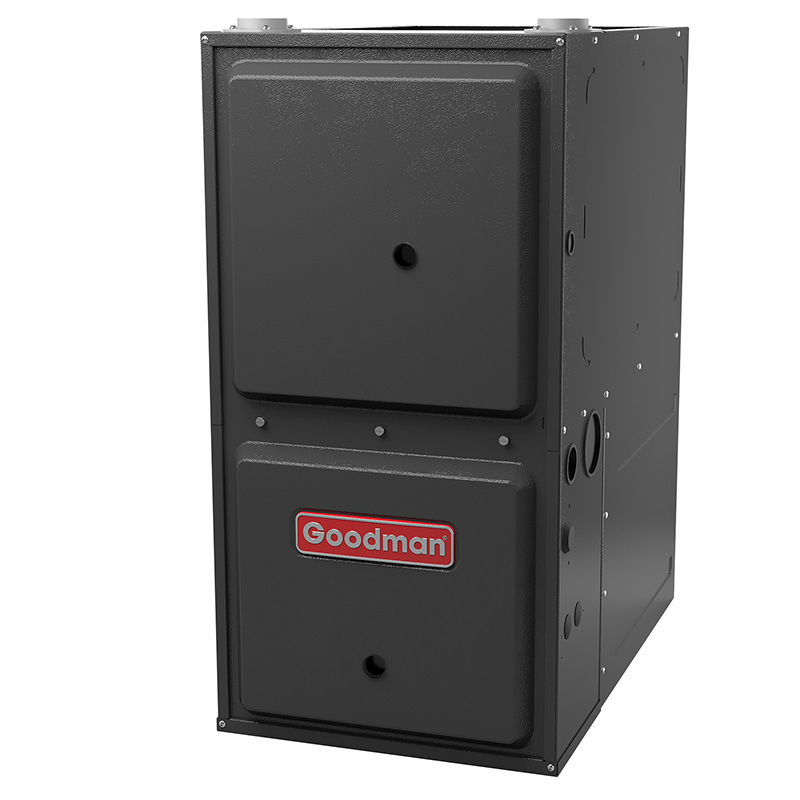
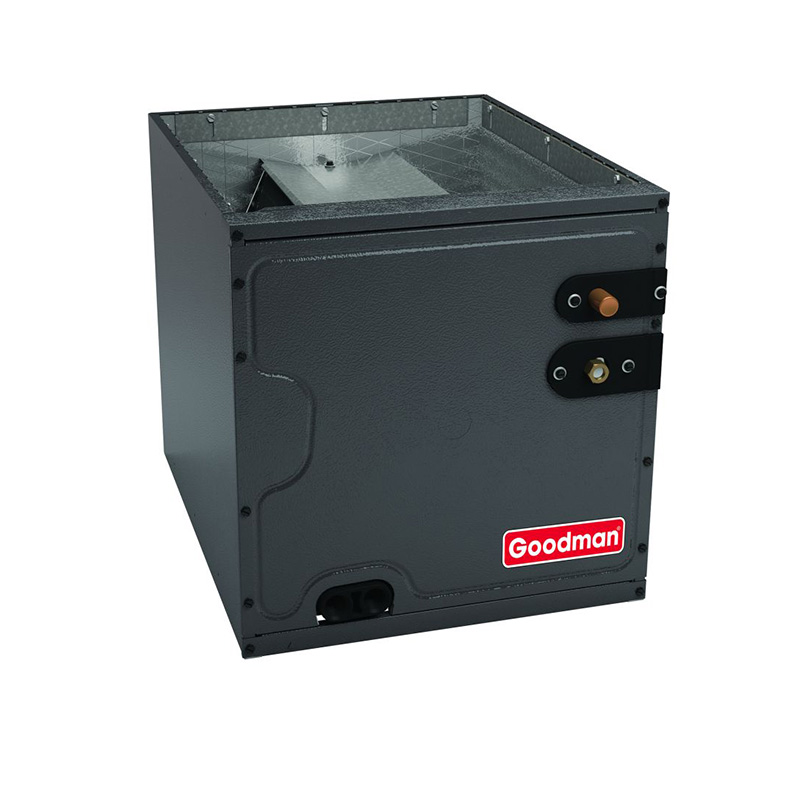
The Goodman GLXT7CA6010 pairs a 5-ton, 16 SEER2 two-stage central air conditioner using R-32 refrigerant with a 120,000 BTU, 96% AFUE two-stage variable-speed ECM gas furnace in a downflow configuration. That combination suits larger homes, typically in the 2,500 to 3,500 square foot range, where comfort demands are high and the air handler sits above the living space discharging conditioned air downward through floor-level supply ducts. The downflow orientation is less common than upflow, so buyers should confirm early that their existing duct layout and equipment closet actually support it before purchasing.
The efficiency specs sit solidly in the mid-tier. A 16 SEER2 rating clears the federal minimums for most climate zones and will produce real savings over an older 10 to 13 SEER system, but it stops well short of the 18 to 22 SEER2 territory where utility rebates often become more generous. The 96% AFUE furnace is genuinely high-efficiency, meaning roughly 96 cents of every dollar spent on gas goes toward heat rather than out the flue. Two-stage operation on both units, combined with a variable-speed ECM blower motor, lets the system run at a lower capacity most of the time, which improves humidity control, reduces temperature swings, and cuts blower electricity use compared to single-stage equipment. R-32 refrigerant carries a lower global warming potential than the R-410A it replaces and is becoming the new standard across the industry.
This system delivers genuine mid-tier efficiency and solid comfort features at a price point well below comparable Carrier, Trane, or Lennox equipment, making it a reasonable choice for cost-conscious buyers who prioritize upfront savings. The trade-off is a documented history of capacitor failures, coil leaks, and a compressor lifespan shorter than premium brands, which means long-term ownership costs depend heavily on install quality and an extended parts warranty. Buyers who plan to stay in the home beyond 10 years should price out a service contract before committing.
Overall score is the average of the five ratings above.
What we like
- Priced 15 to 25 percent below comparable premium-brand systems, lowering the upfront barrier significantly
- 96% AFUE furnace is genuine high efficiency and will cut heating bills versus mid-efficiency equipment
- Variable-speed ECM blower reduces fan electricity use and improves humidity management during shoulder seasons
- Two-stage operation on both units means the system rarely runs at full blast, producing steadier temperatures
- R-32 refrigerant is the emerging industry standard with lower environmental impact than R-410A
Trade-offs
- Dual-run capacitors are the most commonly reported failure, typically occurring within the first several years and costing $300 to $600 per service call
- Evaporator coil leaks appear in a meaningful portion of owner feedback and can be expensive to diagnose and repair
- Compressor life averages 10 to 14 years versus 15 to 20 for premium brands, a real factor for long-term homeowners
- Downflow configuration limits installer pool and raises the stakes on install quality, which is the single biggest factor in how long any Goodman system lasts
What homeowners and pros say about Goodman
On ConsumerAffairs, Goodman equipment sits at roughly 2.5 out of 5, a score shaped by the platform’s tendency to attract dissatisfied owners more than satisfied ones. The recurring complaints align with the brand’s documented failure modes: dual-run capacitor failures that typically surface within the first several years, evaporator coil leaks that generate expensive service visits, and compressor longevity that averages 10 to 14 years rather than the 15 to 20 years owners of premium brands often see. Across Google dealer reviews, the picture is more balanced, with scores averaging around 3.8 out of 5 and affordability cited most often as the reason buyers chose Goodman in the first place. For a 5-ton downflow system with a two-stage high-efficiency furnace, that price gap versus Carrier, Trane, or Lennox is real and meaningful.
HVAC technicians who work on Goodman equipment regularly tend to echo a consistent theme: the hardware is serviceable, but the outcome depends heavily on how well the system is installed and commissioned. An improperly charged R-32 system, a loose fitting, or an undersized return can produce the kind of first-year refrigerant leak complaints that show up in a minority of owner reviews and that are almost always traced back to the installation rather than the factory. Technicians also note that the capacitor is essentially a wear item on these units and should be inspected at every annual tune-up. For a large home needing a downflow configuration at a lower upfront cost, this system is a competitive option, but pairing it with a reputable local installer and a solid extended parts warranty is not optional if you want to protect the investment past year seven.
Sources: ConsumerAffairs Goodman owner reviews, AHRI Directory of Certified Product Performance, U.S. DOE appliance and equipment efficiency standards, Goodman product specification sheets.
What it costs to run
At 16 SEER2, cooling this 5-ton system for a typical 1200-hour cooling season at the U.S. average electricity rate of $0.17/kWh works out to roughly $765 per year in cooling, about $148 less per year than a minimum-efficiency 13.4 SEER2 unit of the same size. Your real cost depends on your climate and local rate.
Method: (60,000 BTU/hr ÷ 16 SEER2) × 1200 hours ÷ 1000 × $0.17/kWh. Rate source: U.S. EIA average; cooling hours: moderate-climate estimate.
How it compares
| Brand | Comparable model | SEER2 | Stage | Price position |
|---|---|---|---|---|
| Goodman | GLXT7CA6010 | 16 | Two-stage | Value pick |
| Carrier | Performance 17 (24ACC7) | 17 | Two-stage | Typically 15 to 20 percent higher than this Goodman system |
| Trane | XR17 | 17 | Two-stage | Typically 20 to 25 percent higher than this Goodman system |
| Lennox | Merit 16ACX | 16 | Single-stage | Typically 10 to 20 percent higher than this Goodman system |
Competitor rows are comparable single-stage units at similar efficiency; price is relative position, not a quote.
Questions about this system
Why does this system use a downflow configuration and how do I know if my home is set up for it?
Downflow means the furnace draws return air from the top and discharges heated or cooled air out the bottom into floor-level supply ducts. It is common in homes where the air handler sits in a main-floor closet above a crawlspace or slab with ducts running below. Check your existing furnace orientation or ask your installer to confirm your duct layout before ordering, because swapping from upflow to downflow typically requires significant ductwork changes.
What are the most likely repair costs I should plan for with this Goodman system?
The most commonly reported failure on Goodman AC equipment is the dual-run capacitor, a repair that typically runs $300 to $600 including a service call. Evaporator coil leaks also appear in a meaningful share of owner reviews and carry higher repair costs. Budgeting for at least one capacitor replacement within the first 10 years is a reasonable expectation based on the brand's documented failure patterns.
Is 16 SEER2 efficient enough to qualify for utility rebates or federal tax credits?
Federal tax credits under current law generally require higher efficiency thresholds, and 16 SEER2 may or may not qualify depending on the specific program year and climate zone requirements. Utility rebates vary widely by provider. Check your local utility's rebate portal and consult a tax professional before assuming this system qualifies, because a few SEER2 points can determine eligibility.
What does R-32 refrigerant mean for service and future maintenance costs?
R-32 is the refrigerant replacing R-410A across the HVAC industry and carries a lower global warming potential. It is increasingly available through HVAC distributors, so sourcing it for service calls should not be a problem. Technicians do need specific equipment to handle R-32 safely, so confirm your service provider is certified before signing a maintenance contract.
Does a two-stage furnace paired with a two-stage AC actually improve indoor humidity control compared to single-stage equipment?
Yes, in practical terms. Running at lower capacity for longer cycles allows the evaporator coil to remove more moisture from the air than short, high-capacity blasts do. The variable-speed ECM blower reinforces this by moving air more slowly during low-stage operation, increasing contact time with the coil. Most homeowners in humid climates notice a measurable improvement in summer comfort compared to older single-stage systems.
Specifications
| Cooling capacity | 5 Ton |
| Efficiency | 16 SEER2 |
| Furnace output | 120000 BTU |
| Furnace efficiency | 96% AFUE |
| Configuration | Downflow |
| Refrigerant | R-32 |
| Model | GLXT7CA6010 |