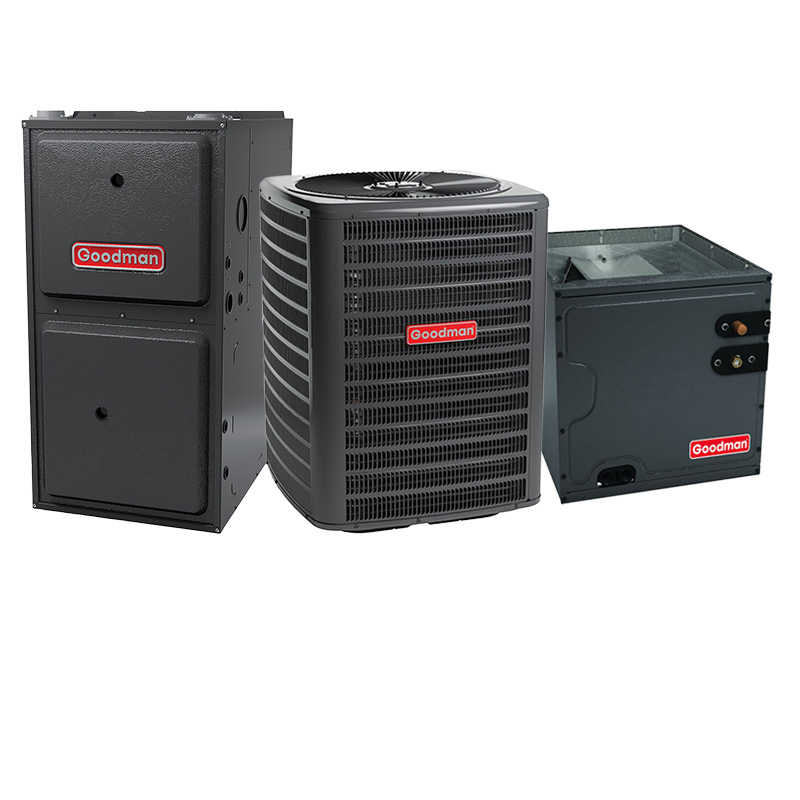
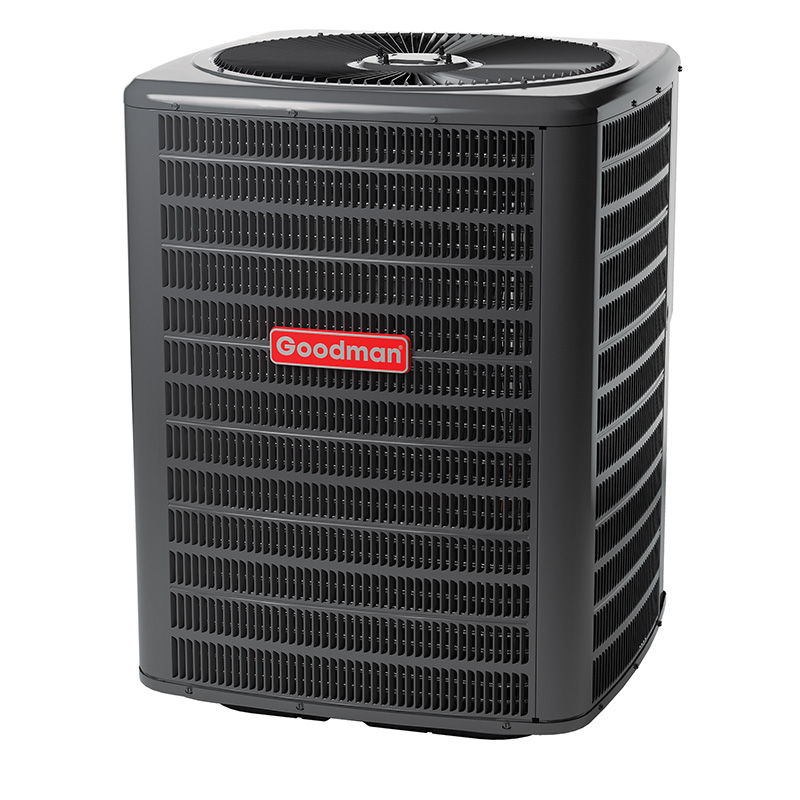
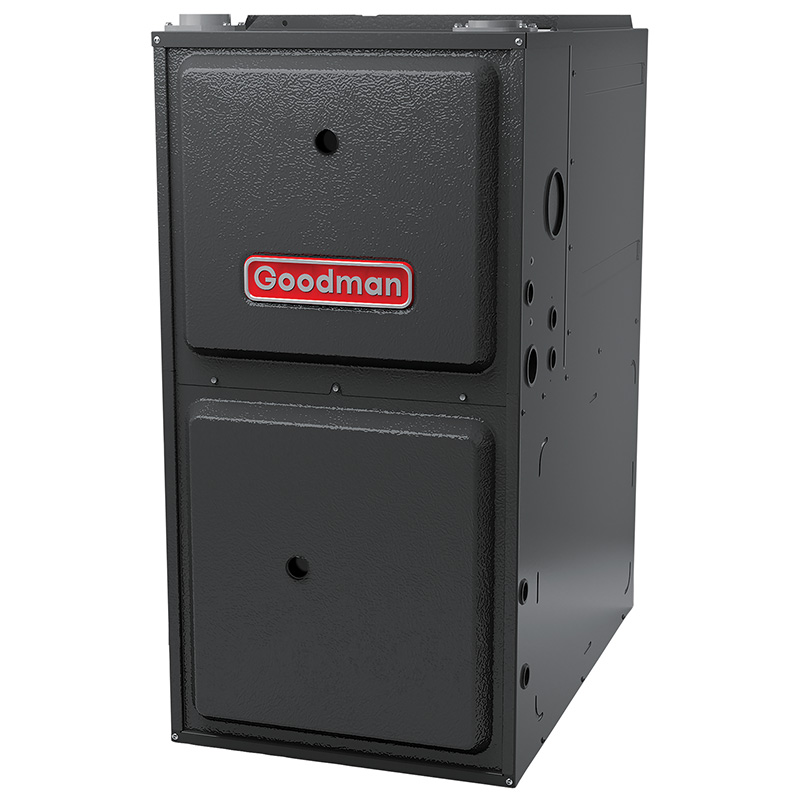
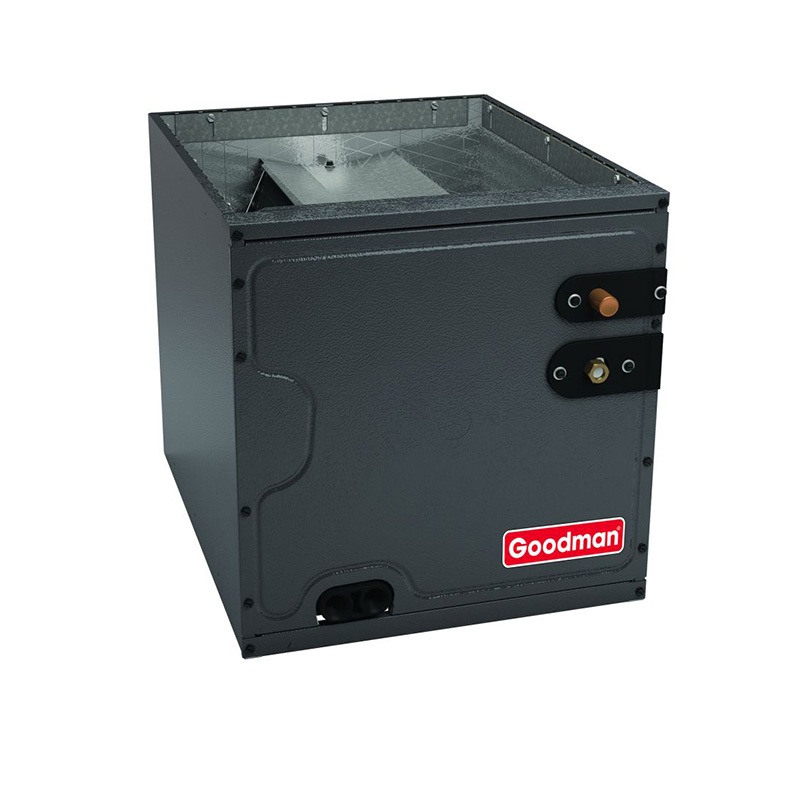
Goodman Air Conditioning And Heating – 1.5 Ton 14.5 SEER2 AC With 40000 BTU 96% AFUE Two Stage Multi-Speed ECM Gas Furnace System – Upflow | R32
View on AC Direct see your lowest price →Check current price on AC Direct →
Key features
- 1.5-ton cooling capacity rated at 14.5 SEER2, meeting current federal minimum efficiency standards
- 40,000 BTU two-stage gas furnace at 96% AFUE for high-efficiency heating with reduced short-cycling
- Multi-speed ECM blower motor lowers electricity consumption compared to standard PSC motors
- Upflow configuration designed for installations where air discharges upward through top-mounted ductwork
- R-32 refrigerant with lower global warming potential than R-410A, aligned with industry transition direction
- Two-stage burner operation allows the furnace to run at partial capacity on milder days for steadier comfort
About this system
This Goodman bundle pairs a 1.5-ton, 14.5 SEER2 air conditioner with a 40,000 BTU, 96% AFUE two-stage gas furnace in an upflow configuration, making it a practical match for smaller homes, conditioned basements served by upflow ductwork, or additions in the 600-to-900 square foot range depending on local climate and insulation. The R-32 refrigerant charge is lower in global warming potential than the older R-410A it replaces, and it aligns with where the industry is heading on environmental compliance, so this system should remain serviceable and rechargeable for the foreseeable future.
The 14.5 SEER2 rating lands right at the federal minimum for most U.S. regions, which means you are not paying a premium for high-efficiency cooling but you are also not leaving efficiency gains on the table relative to code. Where this bundle genuinely earns its keep is on the heating side: 96% AFUE is a high-efficiency rating that recovers nearly all fuel energy as usable heat, and the two-stage burner combined with a multi-speed ECM blower motor lets the furnace run at a lower output on moderate days, which reduces short-cycling, keeps humidity steadier, and trims gas bills compared to a single-stage unit. The ECM motor also draws significantly less electricity than a standard PSC blower, which adds up over a heating season.
This system suits budget-conscious buyers who want a competent, code-compliant cooling system paired with genuinely capable high-efficiency heating, and who are comfortable with the understanding that long-term reliability depends heavily on proper installation and routine maintenance. It is not the right fit for buyers who want premium longevity or the peace-of-mind warranty depth of Trane, Lennox, or Carrier.
This Goodman bundle delivers solid value for buyers who prioritize upfront affordability and want a genuine high-efficiency furnace without paying premium-brand prices. The two-stage furnace and ECM motor are real performance upgrades over entry-level systems, but the cooling side is code-minimum efficiency and the brand's documented failure patterns mean budgeting for capacitor replacements and watching for coil integrity is part of ownership. It is a reasonable choice when installed correctly by a qualified technician.
Overall score is the average of the five ratings above.
What we like
- 96% AFUE furnace is a legitimately high-efficiency rating that meaningfully reduces gas consumption versus 80% AFUE alternatives
- Two-stage burner reduces short-cycling and maintains more consistent indoor temperatures and humidity
- ECM blower motor cuts electricity use during the long heating season compared to standard PSC motors
- R-32 refrigerant positions the system well for regulatory longevity as R-410A is phased down
- Priced approximately 15 to 25 percent below comparable Trane, Lennox, and Carrier bundles, freeing budget for quality installation
Trade-offs
- 14.5 SEER2 cooling efficiency is code minimum only, offering no headroom above baseline energy savings on cooling
- Dual-run capacitor failures are the most commonly documented issue, typically appearing in mid-life and costing 300 to 600 dollars to remedy
- Compressor lifespan averages 10 to 14 years based on owner experience, shorter than the 15 to 20 years reported for premium brands
- A minority of owners have reported refrigerant leaks within the first year, most often traced to installation or initial charge issues rather than equipment defects
What homeowners and pros say about Goodman
Homeowners who research Goodman online quickly encounter a split picture. Google dealer reviews average around 3.8 out of 5, where the most consistent praise centers on affordability and the accessibility of local service. ConsumerAffairs tells a harder story, with Goodman sitting near 2.5 out of 5, pulled down by owners describing repair costs that escalate after roughly year seven of ownership. The failure modes that show up most often in those accounts are dual-run capacitor replacements, which are relatively inexpensive at 300 to 600 dollars but frustrating on a newer system, and evaporator coil leaks, which are a more involved repair. Neither issue is unique to Goodman, but they appear with enough frequency across owner reviews to take seriously when budgeting for long-term costs.
HVAC technicians who work on Goodman equipment regularly tend to echo a consistent point: the equipment performs roughly as advertised when it is installed correctly and maintained on schedule, but corners cut during installation show up faster with Goodman than with premium brands that carry more engineering tolerance. For this specific bundle, the two-stage furnace with ECM motor is a legitimate step up from entry-level single-stage equipment, and the 96% AFUE rating is not marketing inflation. The compressor lifespan question is the honest concern, with Goodman averaging 10 to 14 years in owner experience versus the 15 to 20 years cited for Trane, Carrier, and Lennox. For a buyer who plans to sell a home in under a decade or who is prioritizing low upfront cost in a smaller space, this system makes sense. For someone expecting a 20-year worry-free run, the premium brands are worth the additional investment.
Sources: ConsumerAffairs Goodman owner reviews, AHRI Directory of Certified Product Performance, U.S. DOE appliance and equipment efficiency standards, Goodman product specification sheets.
What it costs to run
At 14.5 SEER2, cooling this 1.5-ton system for a typical 1200-hour cooling season at the U.S. average electricity rate of $0.17/kWh works out to roughly $253 per year in cooling, about $21 less per year than a minimum-efficiency 13.4 SEER2 unit of the same size. Your real cost depends on your climate and local rate.
Method: (18,000 BTU/hr ÷ 14.5 SEER2) × 1200 hours ÷ 1000 × $0.17/kWh. Rate source: U.S. EIA average; cooling hours: moderate-climate estimate.
How it compares
| Brand | Comparable model | SEER2 | Stage | Price position |
|---|---|---|---|---|
| Goodman | 1.5T 14.5 SEER2 AC + 40K BTU 96% AFUE Two-Stage ECM Gas Furnace (this system) | 14.5 | Two-stage furnace / standard AC | Value pick |
| Carrier | Comfort Series (24ACC6 AC + 59SC2 Furnace bundle) | 14.5-15 | Single-stage | Typically 15 to 25 percent more than this Goodman bundle |
| Trane | XR14c AC + S8X1 Furnace bundle | 14.5-15 | Single-stage | Typically 15 to 25 percent more than this Goodman bundle |
| Lennox | Merit Series (ML14XC1 AC + ML196E Furnace bundle) | 14.5-15 | Single-stage | Typically 15 to 25 percent more than this Goodman bundle |
Competitor rows are comparable single-stage units at similar efficiency; price is relative position, not a quote.
Questions about this system
Will this system work with my existing upflow ductwork, or do I need modifications?
This unit is specifically configured for upflow installations where the air handler discharges upward into supply ductwork above the unit. If your existing duct layout matches that orientation, a retrofit is straightforward, but your installer should verify static pressure, duct sizing, and register placement are appropriate for 1.5-ton airflow to avoid performance problems.
What does two-stage mean on the furnace, and will I actually notice a difference?
Two-stage means the burner runs at a lower output level on mild days and steps up to full capacity only when conditions demand it. In practice, most homeowners notice fewer on-off cycles, more even temperatures room to room, and somewhat better humidity control during shoulder seasons compared to a single-stage furnace.
R-32 is newer to residential systems. Will I be able to get it serviced and recharged locally?
R-32 availability is growing rapidly as manufacturers transition away from R-410A, and most HVAC supply houses in major markets already stock it. However, R-32 requires specific recovery equipment and handling procedures, so confirm that your service technician is equipped and certified to work with it before signing a maintenance agreement.
Goodman's ConsumerAffairs score is low. Should I be worried about reliability on a new unit?
Goodman's roughly 2.5-out-of-5 ConsumerAffairs score reflects a complaint-heavy channel and concentrates heavily on repair costs that climb after roughly year seven. Dual-run capacitor failures and evaporator coil leaks are the most commonly cited issues. A new unit under warranty with a quality install and annual maintenance is in a different position than an aging one, but it is fair to budget for these potential mid-life repairs.
Is 14.5 SEER2 going to cost me noticeably more to run than a higher-efficiency unit?
For a 1.5-ton system in a smaller space, the gap between 14.5 SEER2 and, say, 17 or 18 SEER2 translates to real but modest savings over a cooling season. The payback period on a higher-efficiency AC rarely makes financial sense when the price premium is substantial, so for this size and use case the code-minimum efficiency is a reasonable trade-off, especially since most of this bundle's efficiency story is on the heating side where 96% AFUE genuinely earns its keep.
Specifications
| Cooling capacity | 1.5 Ton |
| Efficiency | 14.5 SEER2 |
| Furnace output | 40000 BTU |
| Furnace efficiency | 96% AFUE |
| Configuration | Upflow |
| Refrigerant | R-32 |