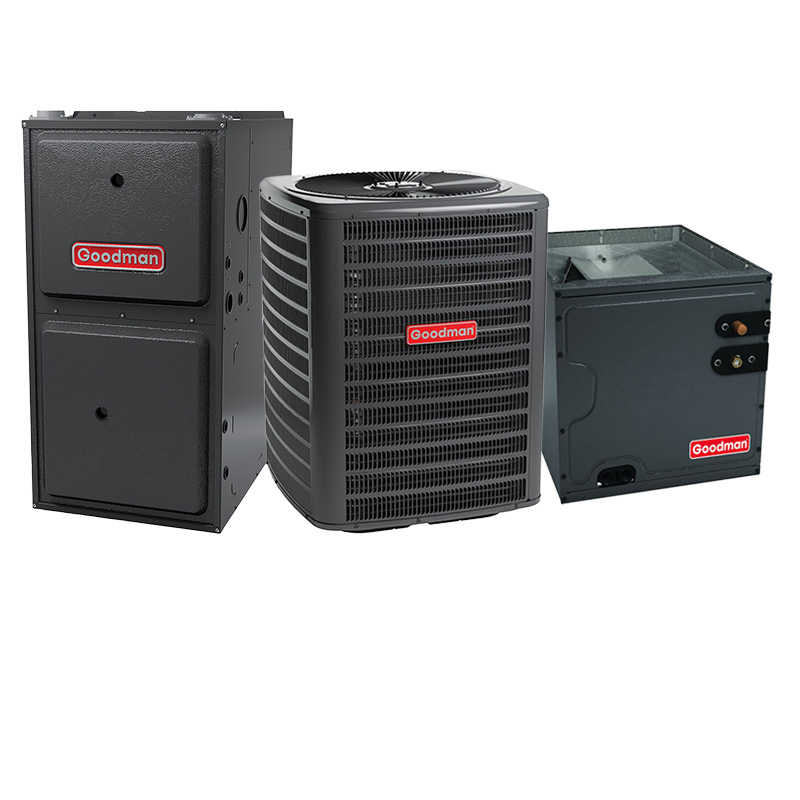
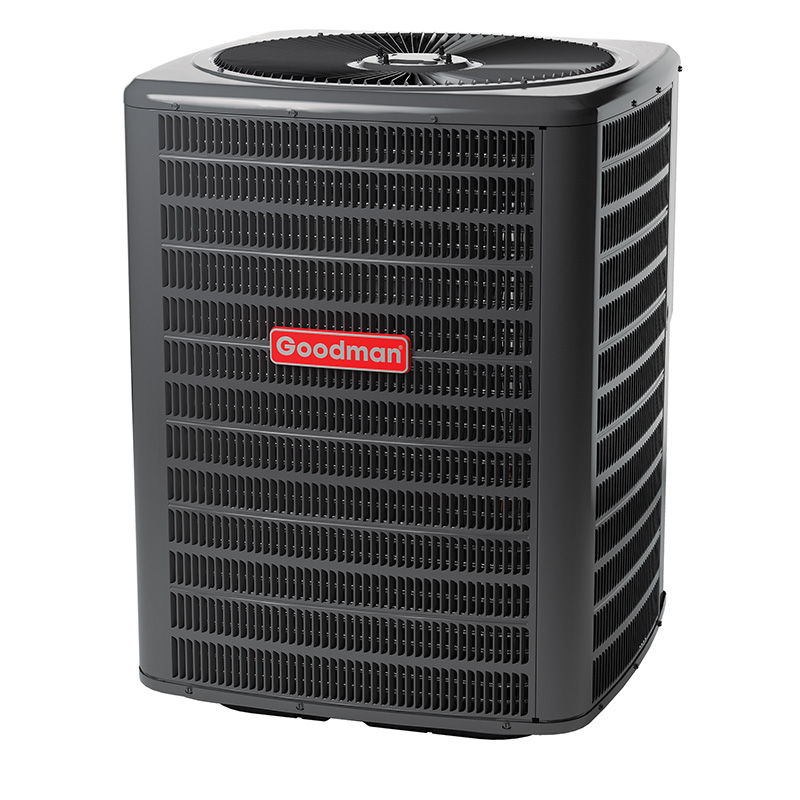
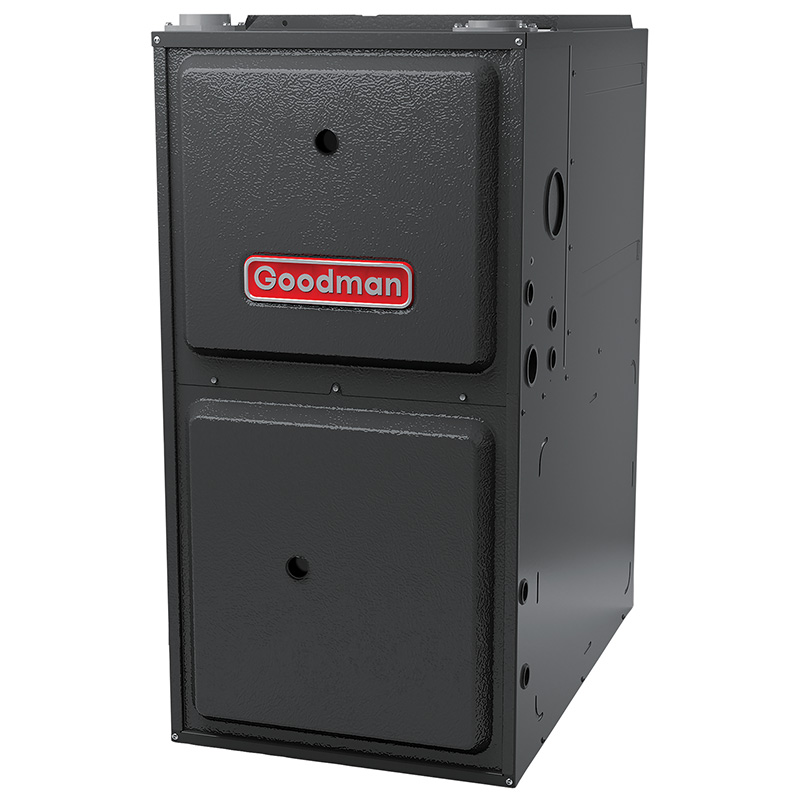
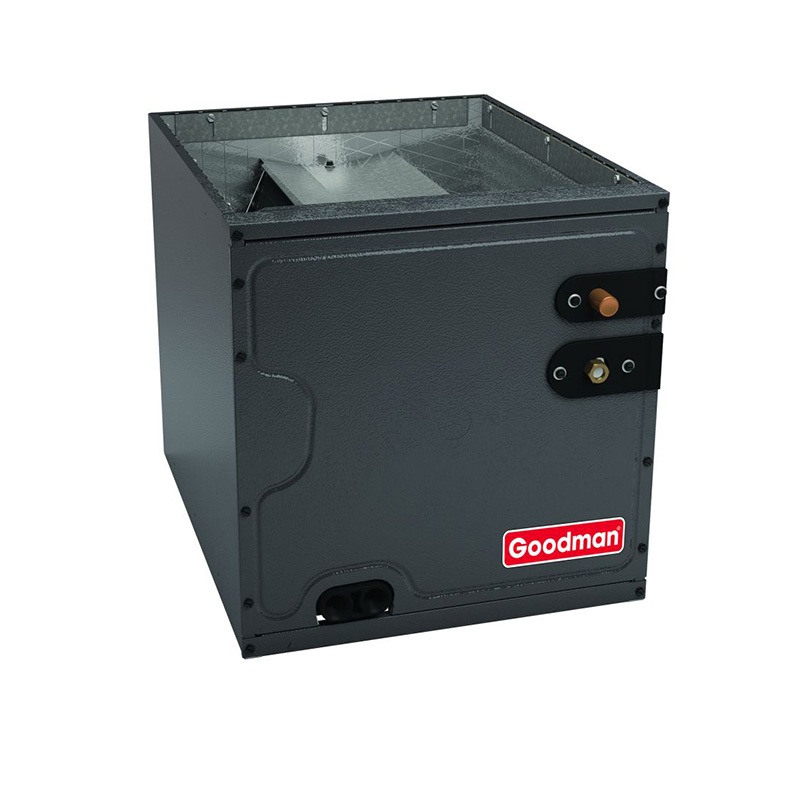
Goodman Air Conditioning And Heating – 2.5 Ton 15.2 SEER2 AC With 60000 BTU 96% AFUE Two Stage Multi-Speed ECM Gas Furnace System – Upflow | R32
View on AC Direct see your lowest price →Check current price on AC Direct →
Key features
- 2.5-ton cooling capacity rated at 15.2 SEER2 for mid-tier efficiency
- 60,000 BTU two-stage gas furnace with 96% AFUE for high-efficiency heating
- Multi-speed ECM blower motor reduces electricity use and operating noise
- R-32 refrigerant with lower global-warming potential than legacy R-410A
- Upflow configuration matches the most common residential duct layout
- Matched system design allows single-warranty coverage across both components
About this system
This Goodman bundle pairs a 2.5-ton, 15.2 SEER2 air conditioner with a 60,000 BTU, 96% AFUE two-stage gas furnace in an upflow configuration, making it a practical choice for homes roughly 1,200 to 1,800 square feet depending on climate zone and insulation quality. The R-32 refrigerant charge is worth noting: R-32 has a lower global-warming potential than the R-410A it replaces and carries slightly better thermodynamic properties, though not every technician in every market is yet fully tooled for it, so confirming local familiarity before purchase is a reasonable step.
The 96% AFUE two-stage furnace is the standout spec here. Two-stage operation means the furnace runs at a lower firing rate on most days, cycling less aggressively, distributing heat more evenly, and saving measurable fuel compared to a single-stage unit at the same AFUE rating. The multi-speed ECM blower motor complements that by adjusting airflow continuously rather than hammering on at full speed, which lowers operating noise and electricity draw. At 15.2 SEER2 the cooling side clears the current federal minimum comfortably but sits below the variable-speed premium tier, so owners in moderate climates will see solid efficiency without the top-shelf utility savings of a 18-plus SEER2 system.
The upflow configuration suits the most common North American installation scenario: a furnace in a basement, utility room, or ground-floor closet with ductwork running upward through the living space. Buyers replacing an existing upflow system will generally find the mechanical footprint familiar. As with any Goodman product, the installed price typically lands 15 to 25 percent below comparable Trane, Lennox, or Carrier bundles, which is the brand’s primary value argument and the reason it dominates the contractor and builder markets despite middling owner satisfaction scores on complaint-heavy review channels.
This Goodman bundle delivers genuinely efficient heating through a 96% AFUE two-stage furnace and a competent 15.2 SEER2 cooling system at a price point that undercuts premium brands by a meaningful margin. It is a reasonable choice for budget-conscious buyers who are willing to accept a shorter compressor lifespan on average and a repair record that becomes more active after year seven. Install quality is not a footnote with Goodman; it is arguably the most important variable in how long this system performs.
Overall score is the average of the five ratings above.
What we like
- Purchase price typically 15 to 25 percent below Trane, Carrier, and Lennox equivalents
- 96% AFUE two-stage furnace delivers efficient, even heat on most days
- Multi-speed ECM motor lowers blower electricity consumption versus standard PSC motors
- R-32 refrigerant has a lower environmental impact than the R-410A it replaces
- Matched factory bundle simplifies warranty administration and coil compatibility
Trade-offs
- Dual-run capacitors are the most frequently reported failure point, typically needed within the first several years
- Compressor lifespan averages 10 to 14 years versus 15 to 20 years for premium-brand compressors
- Evaporator coil leaks appear in a meaningful share of owner reviews, adding refrigerant and repair costs
- R-32 is not yet universally familiar to every service technician, which can complicate future service calls in some markets
What homeowners and pros say about Goodman
Homeowners discussing Goodman on review channels tend to split along a familiar line: early-year owners who appreciate the lower purchase price, and owners past the seven-year mark who report rising repair frequency. On ConsumerAffairs, Goodman scores roughly 2.5 out of 5, a channel weighted toward complaints, where the recurring theme is repair costs accumulating in the second half of the system’s life. Google dealer reviews land closer to 3.8 out of 5 across several hundred reviews per location, where affordability is cited most often as the reason for choosing the brand. For this specific configuration, with a two-stage furnace and ECM blower, owners in heating-dominated climates tend to report the most satisfaction, since the furnace technology is where the comfort and efficiency gains show up most clearly day to day.
HVAC technicians have a nuanced view of Goodman. Most acknowledge that a well-installed Goodman system performs adequately and that the low upfront cost frees budget for a quality labor contract or extended service plan. The documented failure modes they cite most often are dual-run capacitor failures, a frequent but inexpensive fix typically running 300 to 600 dollars; evaporator coil leaks that show up in a meaningful portion of units over time; and compressor lifespans that average 10 to 14 years rather than the 15 to 20 years technicians associate with Trane, Carrier, or Lennox compressors. For this system specifically, the R-32 refrigerant adds a note of caution from some technicians in markets where tooling and certification for A2L refrigerants is still catching up, making the choice of a well-equipped installer more consequential than usual.
Sources: ConsumerAffairs Goodman owner reviews, AHRI Directory of Certified Product Performance, U.S. DOE appliance and equipment efficiency standards, Goodman product specification sheets.
What it costs to run
At 15.2 SEER2, cooling this 2.5-ton system for a typical 1200-hour cooling season at the U.S. average electricity rate of $0.17/kWh works out to roughly $403 per year in cooling, about $54 less per year than a minimum-efficiency 13.4 SEER2 unit of the same size. Your real cost depends on your climate and local rate.
Method: (30,000 BTU/hr ÷ 15.2 SEER2) × 1200 hours ÷ 1000 × $0.17/kWh. Rate source: U.S. EIA average; cooling hours: moderate-climate estimate.
How it compares
| Brand | Comparable model | SEER2 | Stage | Price position |
|---|---|---|---|---|
| Goodman | 2.5T 15.2 SEER2 AC + 60K BTU 96% AFUE Two-Stage ECM Furnace (this system) | 15.2 | Two-stage furnace / single-stage AC | Value pick |
| Carrier | Performance 16 (24ACC6) with 58CVA Performance Gas Furnace | 15.2-16 | Two-stage furnace / single-stage AC | Typically 15 to 25 percent more than this Goodman bundle |
| Trane | XR15 (4TTR5) with S9V2 Gas Furnace | 15-15.2 | Two-stage furnace / single-stage AC | Typically 15 to 25 percent more than this Goodman bundle |
| Lennox | Merit 16ACX with ML196E Gas Furnace | 15.5-16 | Two-stage furnace / single-stage AC | Typically 15 to 25 percent more than this Goodman bundle |
Competitor rows are comparable single-stage units at similar efficiency; price is relative position, not a quote.
Questions about this system
Is R-32 refrigerant safe to use, and can my local HVAC technician service it?
R-32 is an A2L refrigerant, meaning it is mildly flammable but considered low-risk when handled with proper tools and ventilation. It is increasingly common, but not every technician in every market is yet equipped for it. Before purchasing, confirm that your installer and at least one local service company are certified and tooled for R-32 work.
What does two-stage operation actually mean for my heating bills and comfort?
A two-stage furnace fires at a lower capacity, often around 65 percent, on mild days and steps up to full output only when temperatures drop significantly. This reduces short-cycling, keeps temperatures steadier throughout the home, and can lower gas consumption compared to a single-stage unit rated at the same AFUE. The improvement is most noticeable in climates with long shoulder seasons.
How long should I expect this system to last, and what are the most likely repair costs?
Goodman compressors average roughly 10 to 14 years in documented owner feedback, shorter than the 15 to 20 years reported for premium brands. The most frequently documented failure is the dual-run capacitor, typically a 300 to 600 dollar repair that is quick to complete. Evaporator coil leaks are also reported by a meaningful share of owners and cost significantly more to address.
Does Goodman cover parts and labor under warranty, and do I need to register the system?
Goodman offers a 10-year parts warranty on registered units for the original owner, which drops to a shorter coverage window if registration is not completed within the required period after installation. Labor is not covered by the manufacturer; that protection, if desired, must come from an installer's own workmanship warranty or a separate service agreement. Always confirm registration requirements with your installer at the time of setup.
How important is the installer for a Goodman system compared to a premium brand?
Contractor feedback consistently identifies install quality as the single biggest factor in Goodman system longevity, more so than with premium brands that tolerate minor setup variations more gracefully. Proper refrigerant charge, correct airflow setup, and accurate sizing are non-negotiable here. Spending the price difference on a highly rated local contractor rather than on a premium brand name is a legitimate strategy, but only if that contractor is genuinely skilled.
Specifications
| Cooling capacity | 2.5 Ton |
| Efficiency | 15.2 SEER2 |
| Furnace output | 60000 BTU |
| Furnace efficiency | 96% AFUE |
| Configuration | Upflow |
| Refrigerant | R-32 |