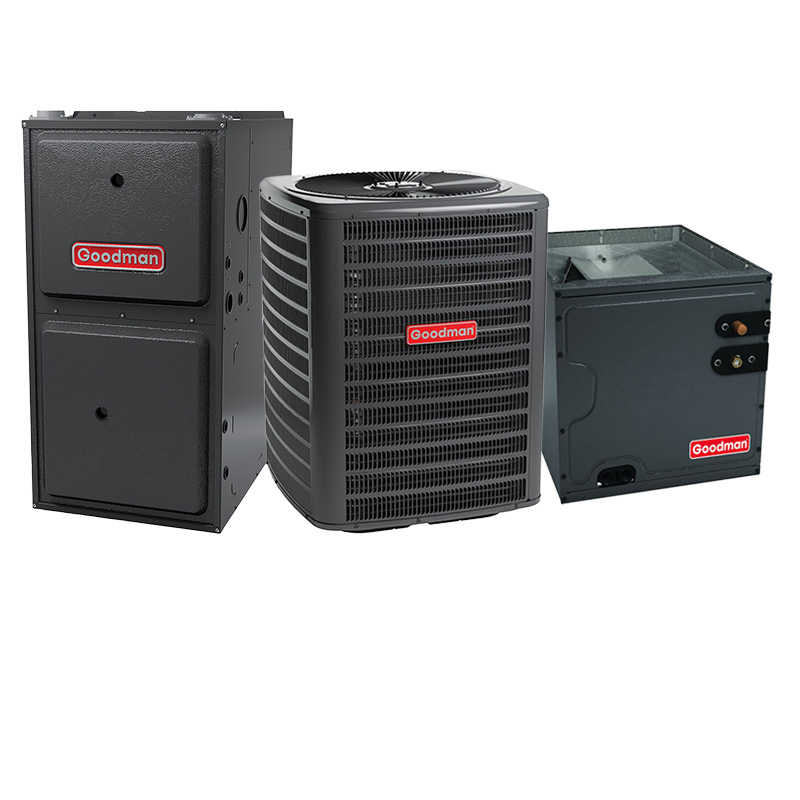
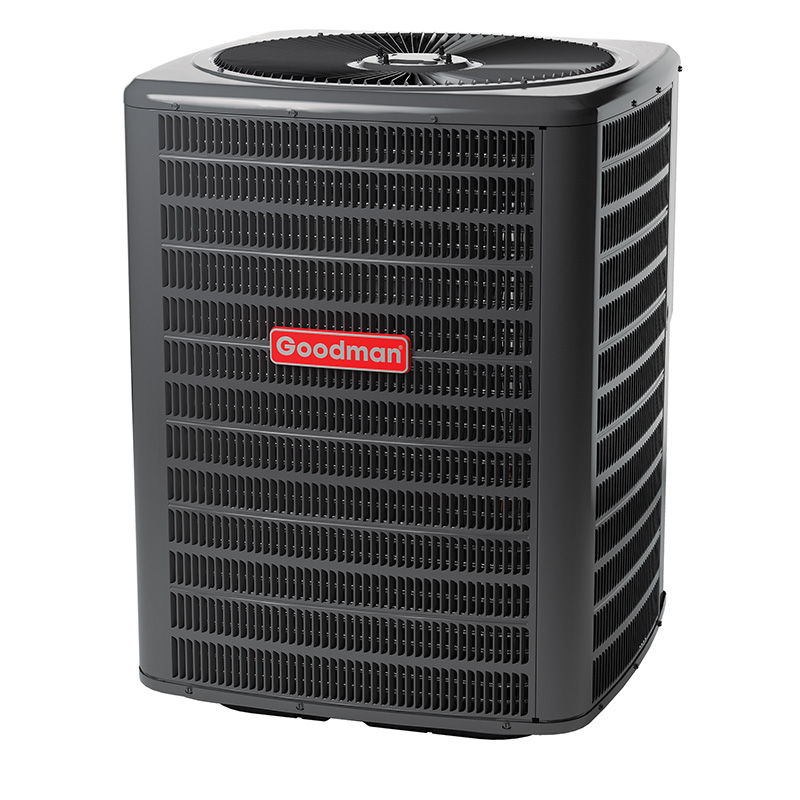
Goodman Air Conditioning And Heating – 2 Ton 14.5 SEER2 AC With 40000 BTU 96% AFUE Two Stage Multi-Speed ECM Gas Furnace System – Upflow | R32
View on AC Direct see your lowest price →Check current price on AC Direct →
Key features
- 2-ton cooling capacity with 14.5 SEER2 efficiency rating
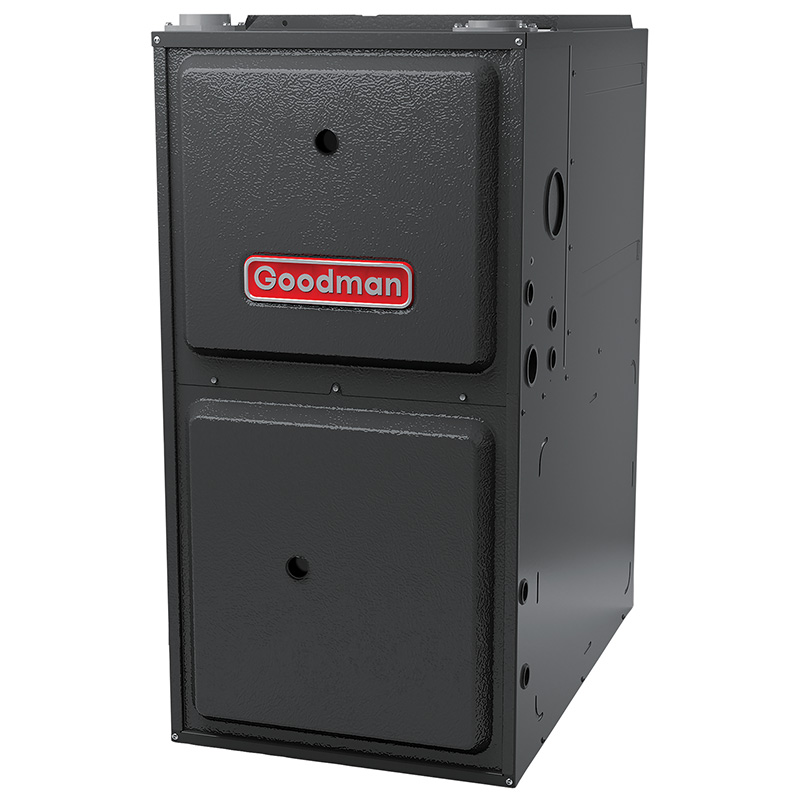
- 96% AFUE two-stage gas furnace at 40,000 BTU output
- Multi-speed ECM blower motor for quieter, lower-wattage airflow
- Upflow configuration for basement or ground-level air handler placement
- R-32 refrigerant with lower global-warming potential than R-410A
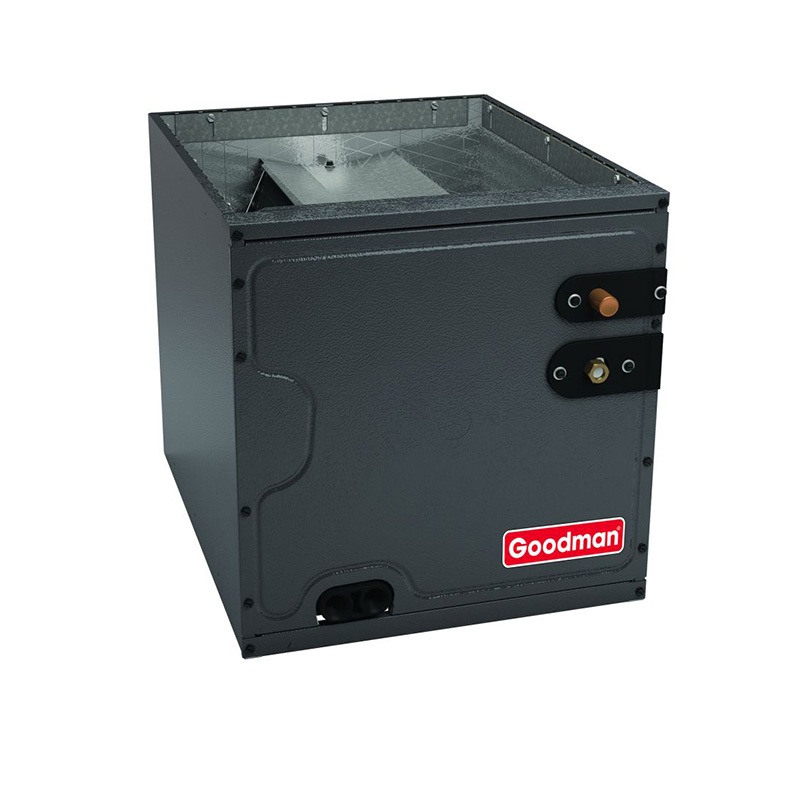
- Factory-matched system designed for simplified installation and coil compatibility
About this system
This Goodman bundle pairs a 2-ton, 14.5 SEER2 air conditioner with a 40,000 BTU, 96% AFUE two-stage gas furnace in an upflow configuration, making it a practical choice for smaller homes or individual zones in the 700-to-1,000-square-foot range. The 96% AFUE rating means only about four cents of every heating dollar escapes as exhaust, which puts this furnace solidly in the high-efficiency tier. The two-stage burner runs at a lower fire most of the time, cycling up only on the coldest days, which reduces temperature swings and tends to lower gas bills compared with a single-stage unit.
The multi-speed ECM blower motor is a meaningful upgrade over a standard PSC motor. ECM motors consume significantly less electricity at lower speeds and run more quietly, which homeowners notice on mild days when the furnace is holding temperature rather than recovering from a setback. The R-32 refrigerant charge is a forward-looking detail: R-32 has a lower global-warming potential than the R-410A it replaces, and as regulations tighten, replacement refrigerant should remain available without the supply disruptions that some older refrigerants have faced. At 14.5 SEER2, efficiency sits right at the federal minimum threshold for northern regions and a step above it in the South, so this is a compliant, workmanlike system rather than a flagship performer.
Goodman positions this system as a value-oriented package, typically priced 15 to 25 percent below comparable equipment from Trane, Lennox, and Carrier. That gap makes it appealing for rental properties, budget renovations, or homeowners who want a complete matched system without paying premium-brand prices. The trade-off is that longevity and repair history lag behind those premium names, and getting the most out of this equipment depends heavily on proper installation and commissioning.
This Goodman bundle delivers genuine high-efficiency heating and adequate cooling at a price point that undercuts major competitors by a meaningful margin. It is a solid entry-level matched system whose long-term performance will depend more on who installs it and how well it is maintained than on any single component. Buyers who accept the brand's documented reliability limitations and budget for occasional repairs will find reasonable value here.
Overall score is the average of the five ratings above.
What we like
- 96% AFUE furnace meaningfully reduces heating costs versus mid-efficiency alternatives
- Two-stage operation cuts gas use on mild days and improves indoor comfort
- ECM blower motor lowers electricity consumption and reduces operating noise
- Priced 15 to 25 percent below Trane, Carrier, and Lennox comparable systems
- R-32 refrigerant is forward-compatible with tightening environmental regulations
Trade-offs
- Dual-run capacitors are the brand's most common failure point, typically requiring a 300-to-600-dollar repair within the first decade
- Evaporator coil leaks appear in a notable share of owner reports, which can be costly to address
- Compressor lifespan averages 10 to 14 years, shorter than the 15 to 20 years reported for premium brands
- A minority of owners report refrigerant leaks in the first year, usually tied to installation or initial charge issues rather than a manufacturing defect
What homeowners and pros say about Goodman
Goodman’s reputation among homeowners is genuinely split. On ConsumerAffairs, the brand earns roughly 2.5 out of 5 stars, a channel that skews toward frustrated customers and where the most repeated complaint is repair costs climbing after about year seven. Google dealer reviews tell a more balanced story, averaging around 3.8 out of 5 stars across hundreds of location reviews, with affordability cited most often as the reason buyers chose the brand. For this specific system, the two-stage furnace and ECM blower tend to draw fewer complaints than basic single-stage Goodman models, likely because they run less aggressively and cycle less frequently.
HVAC technicians are consistent about two things when discussing Goodman: the dual-run capacitor is the brand’s most predictable failure point, a relatively inexpensive fix in the 300-to-600-dollar range but one that catches some owners off guard around years five through nine. Evaporator coil leaks also appear in a meaningful share of owner reports and are a more disruptive repair. Compressor longevity averages 10 to 14 years across Goodman units, which is measurably shorter than the 15 to 20 years technicians associate with Trane and Carrier compressors. A minority of owners also report refrigerant loss in the first year, which pros generally attribute to installation or initial charge errors rather than a factory defect. For this upflow system with R-32, making sure your installer is familiar with that refrigerant’s handling requirements is a practical step worth taking before the job starts.
Sources: ConsumerAffairs Goodman owner reviews, AHRI Directory of Certified Product Performance, U.S. DOE appliance and equipment efficiency standards, Goodman product specification sheets.
What it costs to run
At 14.5 SEER2, cooling this 2-ton system for a typical 1200-hour cooling season at the U.S. average electricity rate of $0.17/kWh works out to roughly $338 per year in cooling, about $27 less per year than a minimum-efficiency 13.4 SEER2 unit of the same size. Your real cost depends on your climate and local rate.
Method: (24,000 BTU/hr ÷ 14.5 SEER2) × 1200 hours ÷ 1000 × $0.17/kWh. Rate source: U.S. EIA average; cooling hours: moderate-climate estimate.
How it compares
| Brand | Comparable model | SEER2 | Stage | Price position |
|---|---|---|---|---|
| Goodman | 2-Ton 14.5 SEER2 AC / 96% AFUE Two-Stage ECM Gas Furnace (this system) | 14.5 | Two-stage | Value pick |
| Carrier | Performance 14 Series (24PAA / 59TP6) | 14.3-15 | Single-stage | Typically 15 to 25 percent more than this Goodman system |
| Trane | XR14 / S9X2 80/96 Series | 14-15 | Single-stage | Typically 15 to 25 percent more than this Goodman system |
| Lennox | Merit 14ACX / ML196E Series | 14-14.5 | Single-stage | Typically 15 to 25 percent more than this Goodman system |
Competitor rows are comparable single-stage units at similar efficiency; price is relative position, not a quote.
Questions about this system
Will 2 tons and 40,000 BTU be enough for my home?
Two tons of cooling covers roughly 700 to 1,000 square feet in most climates, though a proper Manual J load calculation by your installer is the only reliable way to confirm. At 40,000 BTU, the furnace is appropriate for smaller homes in mild-to-moderate heating climates. Oversizing or undersizing either side of the system hurts both comfort and efficiency, so do not skip the load calc.
What does two-stage heating actually mean for my gas bill?
A two-stage furnace runs at a reduced firing rate, often around 65 to 70 percent of full capacity, most of the time and only steps up to full capacity on the coldest days. This means fewer short on-off cycles, more even temperatures room to room, and lower gas consumption on moderate winter days compared with a single-stage unit running at full fire every cycle.
Is R-32 refrigerant going to be hard to find or expensive to service?
R-32 is already widely used in mini-split systems and is increasingly common in split systems as manufacturers phase away from R-410A. Supply is currently healthy, and because R-32 requires only about two-thirds the refrigerant charge by weight that R-410A does, recharge costs should be manageable. Technicians working on it do need specific training for its mildly flammable classification, so confirm your HVAC contractor is certified before scheduling service.
What is the warranty on this Goodman system and what does it actually cover?
Goodman typically offers a 10-year parts warranty when the system is registered within 60 days of installation, dropping to a shorter period if registration is missed. The warranty covers replacement parts but not labor, which can be a significant expense on a compressor or coil claim. Read the warranty certificate closely for exclusions, and ask your installer whether they offer a separate labor warranty.
How important is installer quality for this specific system?
Critically important. HVAC technicians consistently cite installation quality as the single biggest factor in how long a Goodman unit lasts. Proper refrigerant charge, correct duct static pressure for the ECM blower, accurate gas valve setup for two-stage operation, and a leak-free linesets are all areas where a rushed or inexperienced install can cause problems that get attributed to the equipment. Choosing a licensed contractor who pulls permits and performs a full commissioning check is worth as much as any other factor in this purchase.
Specifications
| Cooling capacity | 2 Ton |
| Efficiency | 14.5 SEER2 |
| Furnace output | 40000 BTU |
| Furnace efficiency | 96% AFUE |
| Configuration | Upflow |
| Refrigerant | R-32 |