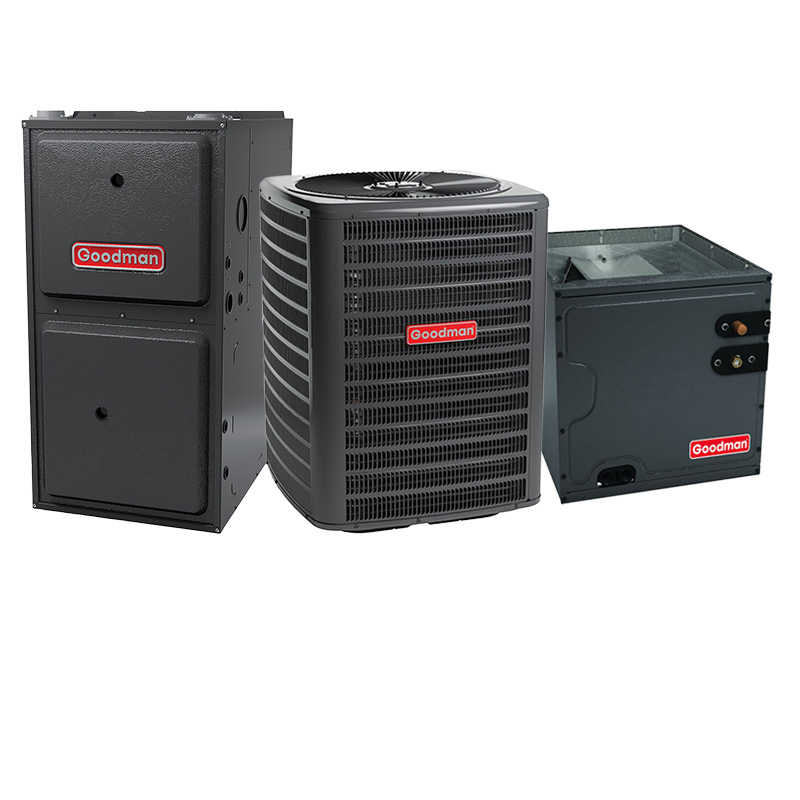
Goodman Air Conditioning And Heating – 3.5 Ton 15.2 SEER2 AC With 120000 BTU 96% AFUE Two Stage Multi-Speed ECM Gas Furnace System – Upflow | R32
View on AC Direct see your lowest price →Check current price on AC Direct →
Key features
- 3.5-ton cooling capacity with 15.2 SEER2 efficiency rating
- 120,000 BTU two-stage gas furnace at 96% AFUE
- Multi-speed ECM blower motor for reduced electricity use and better humidity control
- R-32 refrigerant with lower global warming potential than R-410A
- Upflow configuration for basement or closet installations with overhead ductwork
- Two-stage heating reduces temperature swings on mild and severe cold days
About this system
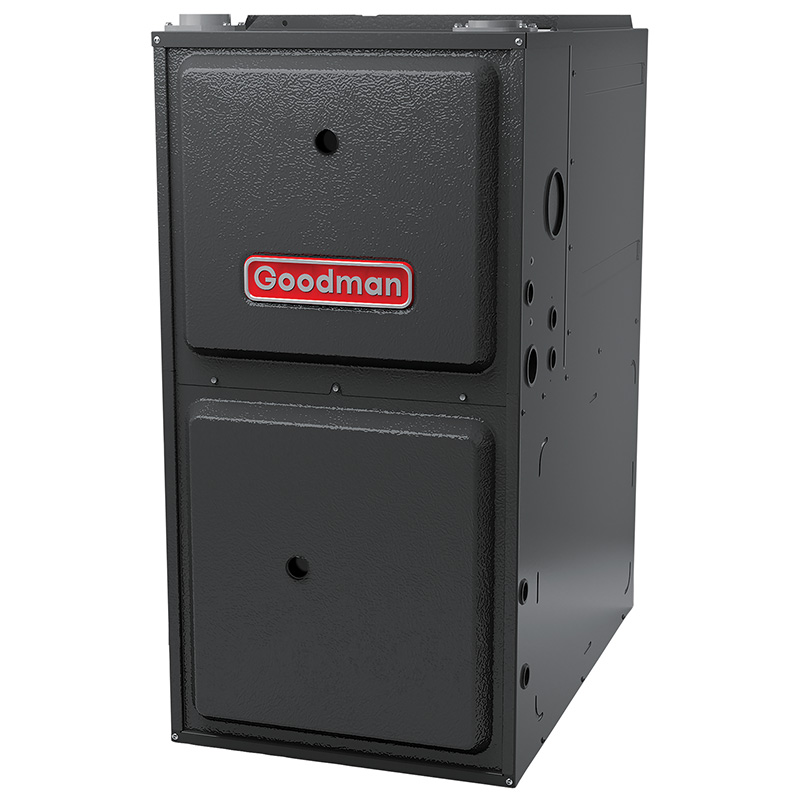
This Goodman bundle pairs a 3.5-ton, 15.2 SEER2 air conditioner with a 120,000 BTU, 96% AFUE two-stage gas furnace in an upflow configuration, making it a practical choice for larger homes in the 2,000 to 2,800 square-foot range that need both serious cooling capacity and efficient winter heating. The 96% AFUE rating means only four cents of every heating dollar escapes as exhaust, which is solidly high-efficiency territory without reaching the premium-tier pricing of condensing furnaces from Trane or Lennox. The two-stage furnace operation runs at lower capacity on moderate days and ramps up only when temperatures drop hard, which reduces temperature swings and keeps the blower from cycling on and off constantly.
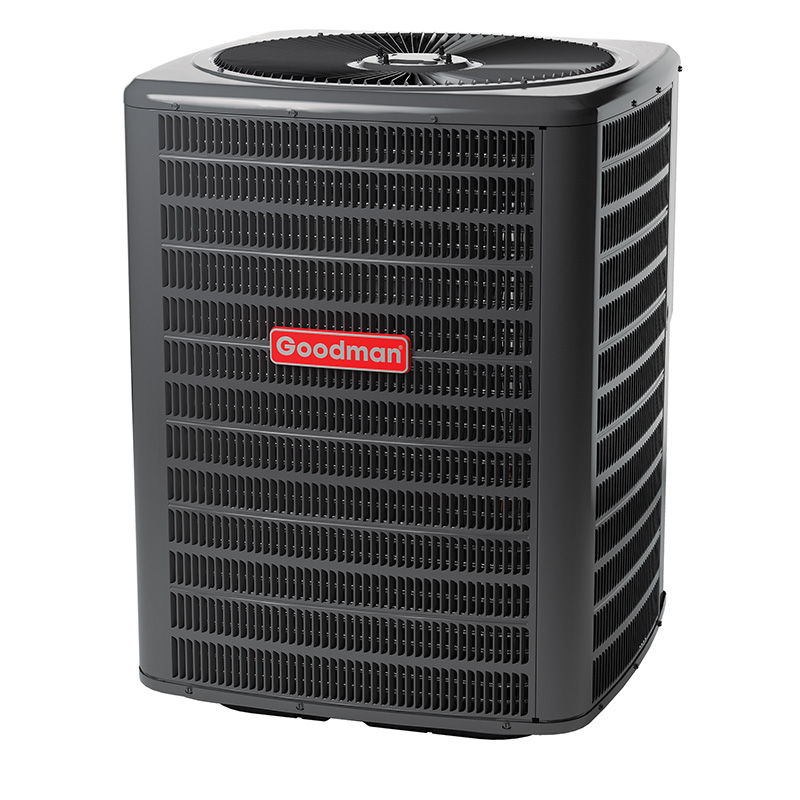
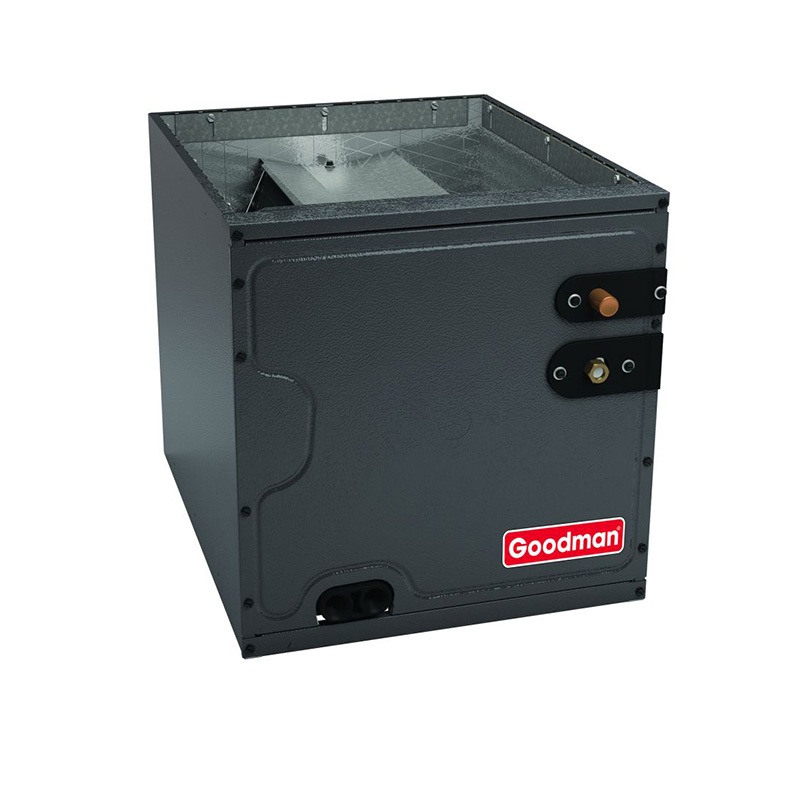
The multi-speed ECM blower motor is worth noting because it draws significantly less electricity than a standard PSC motor, manages humidity more effectively by running longer at lower speeds, and plays well with variable airflow needs across a larger duct system. The system uses R-32 refrigerant, which has a lower global warming potential than the R-410A it replaces and is increasingly standard on new equipment. Upflow configuration suits homes where the furnace sits in a basement or utility closet and conditioned air rises into overhead ductwork, so confirm your existing setup before ordering. This is a split system, meaning the air handler and outdoor condenser are separate units that require a licensed HVAC technician for installation and refrigerant charging.
This Goodman combo delivers genuine high-efficiency heating and respectable cooling efficiency at a price point that undercuts comparable Trane, Carrier, and Lennox packages by a meaningful margin. The two-stage furnace and ECM motor add real comfort value that entry-level single-stage systems cannot match. The trade-off is a reliability track record that lags premium brands, and long-term ownership costs depend heavily on install quality and your willingness to budget for potential repairs after year seven.
Overall score is the average of the five ratings above.
What we like
- 96% AFUE furnace keeps heating bills low throughout a full winter season
- Two-stage operation reduces temperature swings and improves comfort on moderate days
- ECM blower motor uses less electricity and handles humidity better than PSC motors
- R-32 refrigerant is environmentally preferable and increasingly supported by technicians
- Price typically runs 15 to 25 percent below comparable Carrier, Trane, and Lennox bundles
Trade-offs
- Dual-run capacitors are the most documented failure point, typically needing replacement within the first ten years
- Evaporator coil leaks appear in a meaningful share of owner reports, a more costly repair than a capacitor swap
- Compressor lifespan averages 10 to 14 years versus 15 to 20 years for premium-brand compressors
- A minority of owners report refrigerant leaks within the first year, most often tied to install or charge issues rather than the equipment itself
What homeowners and pros say about Goodman
Homeowners who have lived with a Goodman system for a few years tend to split into two camps. Those who had a careful, experienced installer often report years of trouble-free operation and point to the lower upfront cost as genuine value. Those who ran into problems early tend to cluster around the documented failure modes: a capacitor swap that needed to happen in year four, or a refrigerant charge that was never quite right from day one. On Google dealer reviews, Goodman-equipped installs average around 3.8 out of 5 stars across locations with several hundred reviews each, where affordability is the praise that comes up most often. On ConsumerAffairs, a complaint-skewed channel, the score drops to about 2.5 out of 5, with repair costs climbing after roughly year seven as the most consistent theme.
HVAC technicians tend to be candid about the brand: it is workable equipment at an honest price, but the install matters more with Goodman than with a premium brand that has more tolerance for minor setup imperfections. The failure modes they call out by name are dual-run capacitors, which wear out on most brands but show up frequently on Goodman service calls; evaporator coil leaks, which are a more expensive and more brand-specific concern; and compressor longevity averaging 10 to 14 years rather than the 15 to 20 years a well-maintained Carrier or Trane might deliver. For this particular bundle, the two-stage furnace and ECM motor are genuine upgrades over base-tier Goodman offerings and should reduce wear from constant cycling, but those documented weak points still apply to the cooling side of the system.
Sources: ConsumerAffairs Goodman owner reviews, AHRI Directory of Certified Product Performance, U.S. DOE appliance and equipment efficiency standards, Goodman product specification sheets.
What it costs to run
At 15.2 SEER2, cooling this 3.5-ton system for a typical 1200-hour cooling season at the U.S. average electricity rate of $0.17/kWh works out to roughly $564 per year in cooling, about $75 less per year than a minimum-efficiency 13.4 SEER2 unit of the same size. Your real cost depends on your climate and local rate.
Method: (42,000 BTU/hr ÷ 15.2 SEER2) × 1200 hours ÷ 1000 × $0.17/kWh. Rate source: U.S. EIA average; cooling hours: moderate-climate estimate.
How it compares
| Brand | Comparable model | SEER2 | Stage | Price position |
|---|---|---|---|---|
| Goodman | 3.5T 15.2 SEER2 AC + 96% AFUE Two-Stage ECM Furnace (this system) | 15.2 | Two-stage furnace / standard AC | Value pick |
| Carrier | Comfort 15 series (24ACC6) paired with 59SC2 two-stage furnace | 15.2 | Two-stage furnace / standard AC | Typically 15 to 25 percent more than Goodman |
| Trane | XR15 (4TTR5) paired with S9X2 two-stage furnace | 15.0-15.5 | Two-stage furnace / standard AC | Typically 15 to 25 percent more than Goodman |
| Lennox | Merit ML15 paired with ML196 two-stage furnace | 15.0-15.5 | Two-stage furnace / standard AC | Typically 15 to 25 percent more than Goodman |
Competitor rows are comparable single-stage units at similar efficiency; price is relative position, not a quote.
Questions about this system
Will 3.5 tons and 120,000 BTU be enough for my house, or should I size up?
Proper sizing depends on your home's square footage, insulation, ceiling height, window area, and local climate, not just square footage alone. A licensed HVAC technician should perform a Manual J load calculation before you commit to this bundle. Oversizing a two-stage system is less harmful than oversizing a single-stage unit, but it still causes short-cycling and humidity problems if the mismatch is large.
What does R-32 refrigerant mean for me as an owner?
R-32 has a lower global warming potential than R-410A and is gaining wider adoption, so technician familiarity is growing. It does require slightly different handling procedures and some R-410A recovery equipment is not rated for R-32, so confirm your service technician is equipped for it before scheduling work. Refrigerant costs and availability are generally comparable to R-410A at this point.
How worried should I be about the capacitor and coil leak issues documented in Goodman reviews?
Capacitor failures are common across most HVAC brands and are typically a low-cost repair in the 300 to 600 dollar range when caught early. Evaporator coil leaks are more expensive and more specific to Goodman's documented track record, so it is worth asking your installer about coil protection options and keeping up with annual maintenance visits that can catch small refrigerant charge drops before they become full leak events.
Does this system qualify for federal tax credits or utility rebates?
As of 2025, the federal Inflation Reduction Act offers a tax credit of up to 30 percent on qualifying high-efficiency HVAC equipment, with the furnace and air conditioner evaluated separately under specific efficiency thresholds. Check the ENERGY STAR database and your utility's rebate portal with the exact model numbers to confirm eligibility before purchasing, since program rules and equipment qualifications can change.
Can I install this system myself to save on labor costs?
No. R-32 refrigerant requires EPA Section 608 certification to handle legally, and improper refrigerant charging is the most common cause of the first-year leaks documented in Goodman reviews. Beyond the legal requirement, a poor install is the single biggest factor in how long a Goodman system lasts, according to technicians who service them. Budget for professional installation and treat it as part of the total system cost.
Specifications
| Cooling capacity | 3.5 Ton |
| Efficiency | 15.2 SEER2 |
| Furnace output | 120000 BTU |
| Furnace efficiency | 96% AFUE |
| Configuration | Upflow |
| Refrigerant | R-32 |