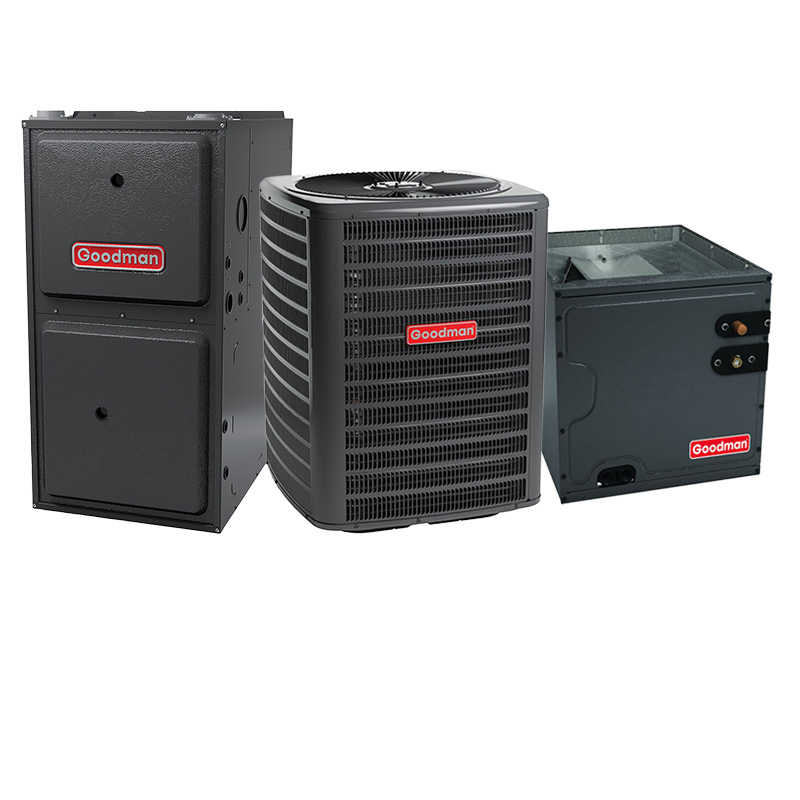
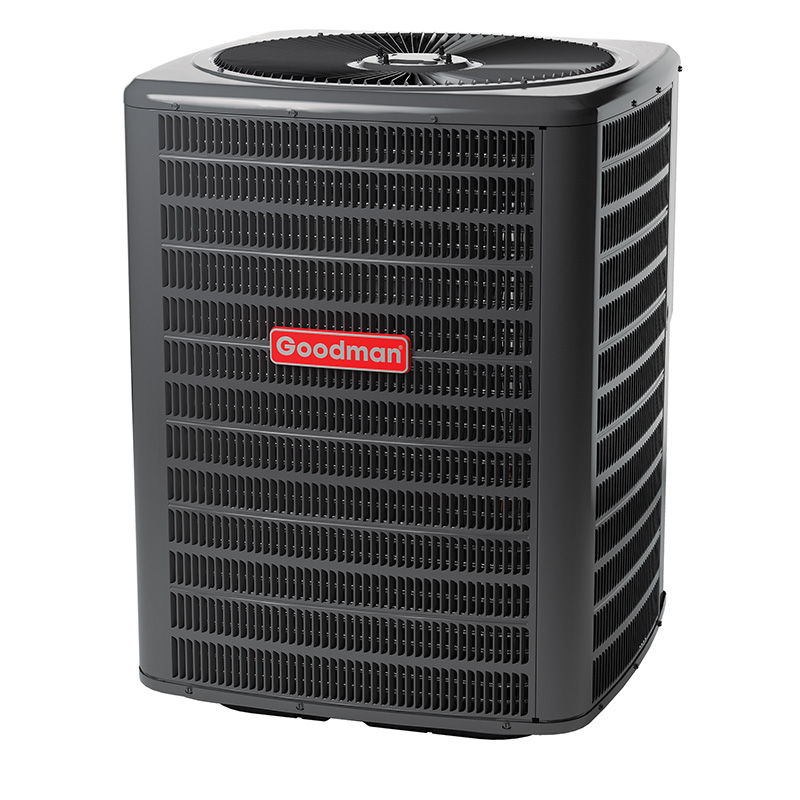
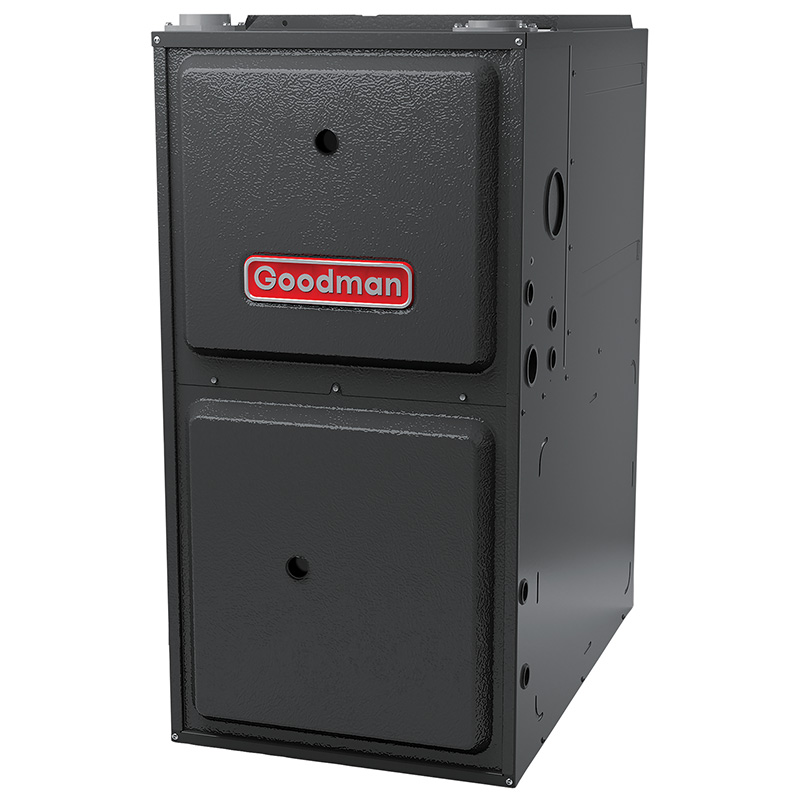
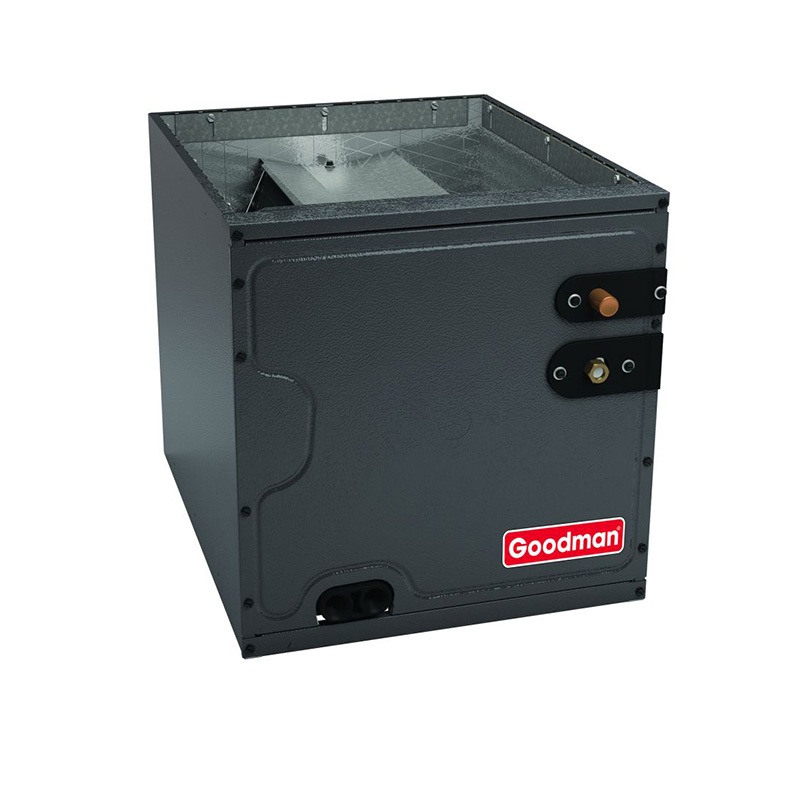
Goodman Air Conditioning And Heating – 3 Ton 15.2 SEER2 AC With 100000 BTU 96% AFUE Two Stage Multi-Speed ECM Gas Furnace System – Upflow | R32
View on AC Direct see your lowest price →Check current price on AC Direct →
Key features
- 3-ton cooling capacity rated at 15.2 SEER2 for mid-range efficiency under current DOE standards
- 100,000 BTU two-stage gas furnace at 96% AFUE for high-efficiency heating with reduced short-cycling
- Multi-speed ECM blower motor lowers electrical consumption and improves dehumidification compared to single-speed PSC motors
- Upflow configuration designed for basement, closet, or utility room installations with overhead duct systems
- R-32 refrigerant with lower global warming potential than R-410A and good thermodynamic performance
- Two-stage gas valve allows low-fire operation on moderate heating days, extending equipment run times and improving comfort
About this system
This Goodman bundle pairs a 3-ton, 15.2 SEER2 air conditioner with a 100,000 BTU, 96% AFUE two-stage gas furnace in an upflow configuration, making it a practical choice for mid-sized homes in climates that demand serious heating and cooling in equal measure. The 96% AFUE rating means only 4% of combustion energy escapes as exhaust, which translates to real savings on gas bills compared to the 80% units still common in older homes. Two-stage heating lets the furnace run at a lower capacity on mild days and ramp up only when temperatures drop sharply, which smooths out temperature swings and reduces short-cycling.
The multi-speed ECM blower motor is one of the more useful features here. ECM motors use significantly less electricity than standard PSC motors, and they ramp airflow up gradually rather than blasting at full speed, which improves humidity removal and reduces that jarring on-off feel. R-32 refrigerant replaces R-410A in this system, offering a lower global warming potential and slightly better thermodynamic efficiency. The upflow configuration means the air handler pushes conditioned air upward into overhead ductwork, which suits most basement or utility-closet installations in single-story and two-story homes across the northern two-thirds of the country.
Buyers choosing this system are typically looking for a proven equipment tier without the price premium of Trane, Lennox, or Carrier. That trade-off is real: Goodman builds to a competitive price point, and long-term durability leans heavily on how well the system is installed and how consistently it is maintained. This bundle makes the most sense for homeowners with a qualified installer lined up and a realistic expectation of routine service over the system’s life.
This Goodman system delivers genuinely solid efficiency specs at a price point that undercuts the major premium brands by 15 to 25 percent, making it a reasonable choice for budget-conscious buyers who secure a skilled installer. The two-stage furnace and ECM blower are real comfort upgrades over entry-level equipment. The honest caveat is that Goodman's documented reliability record, particularly around capacitors, evaporator coils, and compressor lifespan, means ongoing maintenance costs deserve a place in the total-cost calculation.
Overall score is the average of the five ratings above.
What we like
- 96% AFUE furnace rating is near the top of the efficiency scale for gas heat and delivers measurable monthly savings over 80% units
- Two-stage gas valve reduces temperature swings and short-cycling, producing more even heat distribution throughout the home
- ECM blower motor cuts fan energy use and improves moisture removal during cooling season compared to standard motors
- R-32 refrigerant is a lower-GWP alternative to R-410A and is increasingly supported by technicians in the field
- Priced 15 to 25 percent below comparable Trane, Lennox, and Carrier bundles, lowering the upfront barrier significantly
Trade-offs
- Dual-run capacitors are the most commonly reported failure point and typically require replacement within the first 7 to 10 years, though the repair cost of roughly 300 to 600 dollars is manageable
- Evaporator coil leaks appear in a meaningful share of owner reviews and can be a more expensive repair if the coil needs replacement
- Compressor lifespan averages 10 to 14 years, shorter than the 15 to 20 years reported for premium brands at similar usage levels
- A minority of owners report refrigerant leaks within the first year, most often traced to installation or initial charge issues rather than equipment defects
What homeowners and pros say about Goodman
Homeowners who shop Goodman tend to split into two camps online. Those who had a careful, experienced installer and keep up with annual maintenance often report years of trouble-free operation, and that affordability versus the big-name brands comes up repeatedly in dealer reviews, which average around 3.8 out of 5 on Google across dealer locations. The other camp, represented more heavily on ConsumerAffairs where the brand scores roughly 2.5 out of 5, describes a familiar pattern: the system works adequately for the first several years, then repair calls start to stack up around year 7 and beyond. The specific failure modes that appear most often are dual-run capacitor replacements, which are a relatively low-cost fix in the 300 to 600 dollar range, and evaporator coil leaks, which are a more significant expense. A smaller but notable share of owners report refrigerant leaks in the first year, and most HVAC technicians point to installation quality or initial charge errors rather than factory defects as the root cause.
HVAC professionals generally describe Goodman as serviceable equipment that rewards skilled installation and punishes poor workmanship more visibly than premium brands. Technicians who work on both Goodman and higher-tier brands consistently note that Goodman compressors average around 10 to 14 years of useful life, compared to the 15 to 20 years more commonly seen in Trane, Carrier, and Lennox units under similar conditions. For this specific system, the two-stage furnace and ECM blower are genuine comfort upgrades that pros tend to view positively, since those components reduce run-cycle stress and improve humidity control. The honest professional consensus is that Goodman is not a bad choice if the budget is the primary constraint, but it asks more of the installer and the owner than the premium tier does.
Sources: ConsumerAffairs Goodman owner reviews, AHRI Directory of Certified Product Performance, U.S. DOE appliance and equipment efficiency standards, Goodman product specification sheets.
What it costs to run
At 15.2 SEER2, cooling this 3-ton system for a typical 1200-hour cooling season at the U.S. average electricity rate of $0.17/kWh works out to roughly $483 per year in cooling, about $65 less per year than a minimum-efficiency 13.4 SEER2 unit of the same size. Your real cost depends on your climate and local rate.
Method: (36,000 BTU/hr ÷ 15.2 SEER2) × 1200 hours ÷ 1000 × $0.17/kWh. Rate source: U.S. EIA average; cooling hours: moderate-climate estimate.
How it compares
| Brand | Comparable model | SEER2 | Stage | Price position |
|---|---|---|---|---|
| Goodman | GSXH5 / GMVC96 Series | 15.2 | Two-stage | Value pick |
| Carrier | Comfort 16 / 58CV Series | 15.2 | Single-stage | Typically 15 to 25 percent more than this Goodman bundle |
| Trane | XR15 / S9V2 Series | 15.2 | Single-stage | Typically 15 to 25 percent more than this Goodman bundle |
| Lennox | Merit ML15 / ML196 Series | 15.2 | Single-stage | Typically 15 to 25 percent more than this Goodman bundle |
Competitor rows are comparable single-stage units at similar efficiency; price is relative position, not a quote.
Questions about this system
Is the 15.2 SEER2 rating on this system going to qualify for any federal tax credits?
As of the current federal guidelines under the Inflation Reduction Act, split system central air conditioners generally need to meet a SEER2 threshold of 15.2 or higher in most northern regions to qualify for the 25C tax credit, so this system sits right at the qualifying line for those regions. Check the current IRS guidance and your region's specific requirements before filing, as thresholds differ between northern and southern climate zones and rules can change.
Why does my installer keep emphasizing the refrigerant charge on an R-32 system?
R-32 has a narrower acceptable charge range than R-410A, so an over- or undercharged system will lose efficiency quickly and can stress the compressor. A documented minority of early refrigerant leak reports with Goodman units trace back to install or charge issues, which is exactly why a precise initial charge and a leak check at startup matter on this platform.
What does the two-stage gas furnace actually do differently from a single-stage unit on mild days?
On mild heating days the furnace fires at its lower stage, typically around 65 to 70 percent of full capacity, running longer cycles at lower intensity instead of blasting on and off repeatedly. This reduces temperature swings between thermostat calls, keeps air circulating more consistently, and puts less wear on the heat exchanger compared to constant full-fire starts.
Goodman has mixed reviews online. How worried should I be about long-term repair costs?
Goodman scores around 2.5 out of 5 on ConsumerAffairs, a channel that skews toward complaints, where the recurring theme is repair costs climbing after roughly year 7. Google dealer reviews average closer to 3.8 out of 5, with affordability as the most common praise. The documented weak points are dual-run capacitors, which are a relatively inexpensive fix, and evaporator coil leaks, which are more costly. Budgeting for a capacitor replacement within the first decade and keeping the system on a regular maintenance schedule are practical steps to manage those risks.
Is a 100,000 BTU furnace the right size for my home with a 3-ton AC?
Furnace and air conditioner sizing are calculated separately because heating and cooling loads depend on different factors. A 3-ton AC suits roughly 1,500 to 2,100 square feet in a reasonably insulated home depending on climate, while 100,000 BTU of heat output is appropriate for larger homes or colder climates. A proper Manual J load calculation by your installer is the only reliable way to confirm both sizes are correct for your specific home.
Specifications
| Cooling capacity | 3 Ton |
| Efficiency | 15.2 SEER2 |
| Furnace output | 100000 BTU |
| Furnace efficiency | 96% AFUE |
| Configuration | Upflow |
| Refrigerant | R-32 |