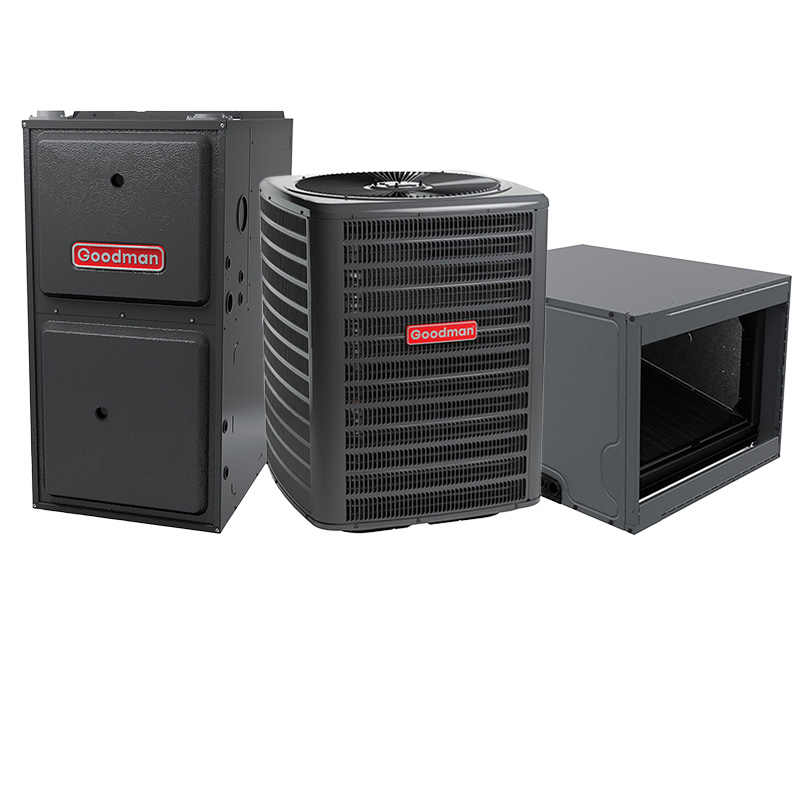
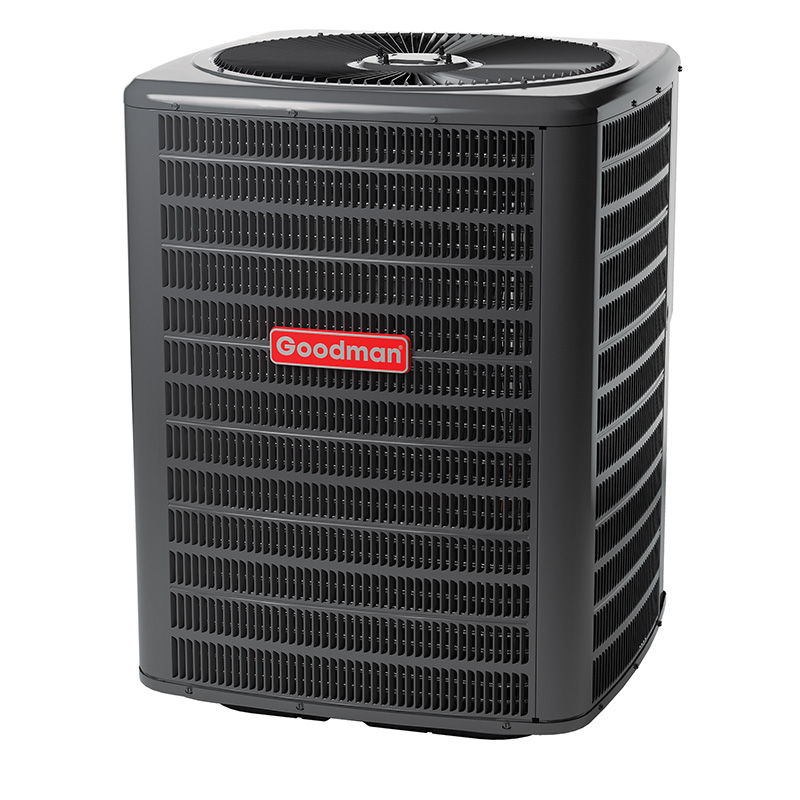
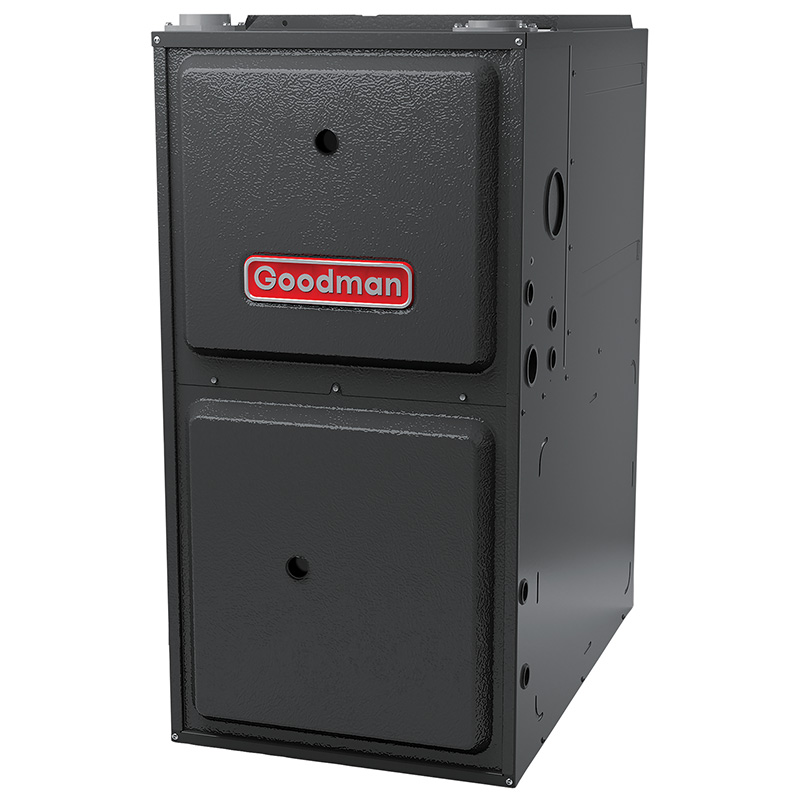
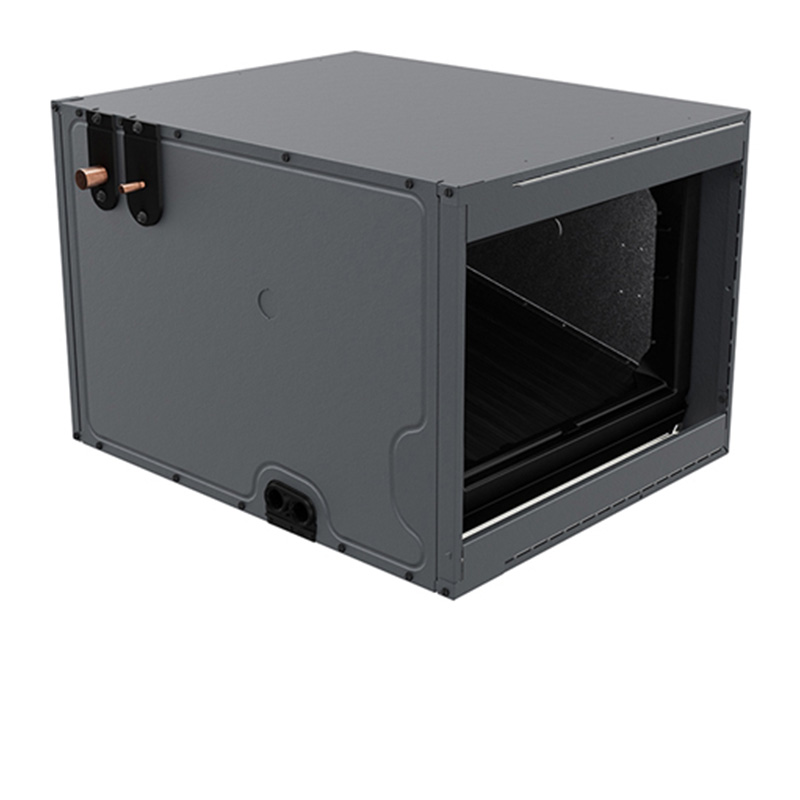
Goodman Air Conditioning And Heating – 4 Ton 14.5 SEER2 AC With 100000 BTU 96% AFUE Two Stage Multi-Speed ECM Gas Furnace System – Horizontal | R32
View on AC Direct see your lowest price →Check current price on AC Direct →
Key features
- 4-ton, 14.5 SEER2 cooling efficiency, meeting current federal minimums with moderate headroom
- 100,000 BTU two-stage gas furnace with 96% AFUE for high-efficiency heating
- Multi-speed ECM blower motor reduces electrical consumption and lowers noise at partial load
- Horizontal configuration designed for attic, crawl-space, or side-mount installations
- R-32 refrigerant with lower global-warming potential than outgoing R-410A
- Two-stage heating operation for more consistent temperatures and fewer on-off cycles
About this system
This Goodman bundle pairs a 4-ton, 14.5 SEER2 air conditioner with a 100,000 BTU, 96% AFUE two-stage gas furnace in a horizontal configuration, making it a practical choice for homes with attic or crawl-space installations where vertical clearance is limited. The R-32 refrigerant charge is a forward-looking detail: R-32 has a lower global-warming potential than the R-410A it replaces, and regulators are moving in that direction industry-wide. At 14.5 SEER2, this system sits just above the federal minimum efficiency threshold, which means lower upfront cost but moderately higher operating expenses compared to 16 SEER2 or higher tiers.
The two-stage furnace and multi-speed ECM blower motor are the standout specs here. Two-stage heating means the furnace runs at a lower capacity most of the time, cycling on and off less abruptly and doing a better job of evening out temperatures room to room. The ECM motor uses significantly less electricity than a standard PSC blower motor and is quieter at low speeds, which adds comfort value that the SEER2 number alone does not capture. This combination suits a 2,000 to 2,800 square foot home in a mixed heating-and-cooling climate reasonably well, provided the home has been properly load-calculated and the ductwork can support 4-ton airflow.
Horizontal configuration adds a layer of installation complexity. The unit must sit level and drain condensate properly; a slight tilt in the wrong direction can cause water damage or inhibit drain pan function. That makes choosing an experienced installer more important than usual with this particular configuration. Goodman keeps pricing 15 to 25 percent below Trane, Carrier, and Lennox for comparable specs, so the savings are real, but they come with the understanding that install quality and early-year maintenance will have an outsized effect on how long the system performs.
This Goodman bundle offers a genuinely capable feature set, including two-stage heating and an ECM blower, at a price point that undercuts comparable premium-brand systems by a meaningful margin. The efficiency numbers are respectable without being class-leading, and the long-term picture depends heavily on who installs it and how well early maintenance is handled. Buyers willing to invest in a qualified installer and stay on top of annual tune-ups will likely get fair value; those expecting set-and-forget reliability on par with Trane or Lennox may be disappointed.
Overall score is the average of the five ratings above.
What we like
- Two-stage furnace and ECM blower motor deliver better comfort and lower blower electricity costs than single-stage alternatives at this price
- 96% AFUE is near the top of the gas furnace efficiency range, reducing heating fuel costs in cold climates
- R-32 refrigerant is a future-ready choice as regulations phase out higher-GWP alternatives
- Priced 15 to 25 percent below Carrier, Trane, and Lennox for comparable specs, leaving room in the budget for a quality install
- Horizontal configuration broadens installation flexibility for homes without a vertical furnace closet
Trade-offs
- Dual-run capacitors are the most frequently reported failure component and can start failing around years 5 to 7, adding recurring service costs
- Evaporator coil leaks appear in a notable share of owner reports, which can be costly if outside the warranty window
- Compressor lifespan averages 10 to 14 years versus 15 to 20 years for premium brands, meaning earlier replacement risk
- Horizontal installation increases complexity and the consequences of a poor setup, including condensate drainage problems
What homeowners and pros say about Goodman
Homeowners who post about Goodman equipment tend to land in one of two camps. Those who had a qualified installer and kept up with annual maintenance often report years of trouble-free operation and point to the lower purchase price as a genuine win. The more critical voices, reflected in a ConsumerAffairs score of roughly 2.5 out of 5, describe repair costs that start accumulating around year 7 or 8, most often tied to dual-run capacitor failures, evaporator coil leaks, or compressor issues earlier than expected. Google dealer reviews tell a somewhat more balanced story, averaging around 3.8 out of 5 across hundreds of reviews per location, where the most consistent praise is affordability and the most consistent frustration is component longevity compared to premium brands.
HVAC technicians who work on Goodman equipment regularly tend to share a similar view: the units are straightforward to service, parts are widely available, and the capacitor swaps are frequent but cheap. The concern they raise more often is compressor lifespan, which they peg at roughly 10 to 14 years on Goodman versus 15 to 20 years on Trane, Carrier, or Lennox equipment under similar conditions. For this specific system, the horizontal configuration draws extra attention from installers because a unit that is not sitting level or draining correctly will develop problems faster than one in a standard vertical install. The two-stage furnace and ECM blower get credit from pros as features that punch above the price point, but they also note that those gains are only realized when the installation and duct system are sized and sealed properly.
Sources: ConsumerAffairs Goodman owner reviews, AHRI Directory of Certified Product Performance, U.S. DOE appliance and equipment efficiency standards, Goodman product specification sheets.
What it costs to run
At 14.5 SEER2, cooling this 4-ton system for a typical 1200-hour cooling season at the U.S. average electricity rate of $0.17/kWh works out to roughly $675 per year in cooling, about $56 less per year than a minimum-efficiency 13.4 SEER2 unit of the same size. Your real cost depends on your climate and local rate.
Method: (48,000 BTU/hr ÷ 14.5 SEER2) × 1200 hours ÷ 1000 × $0.17/kWh. Rate source: U.S. EIA average; cooling hours: moderate-climate estimate.
How it compares
| Brand | Comparable model | SEER2 | Stage | Price position |
|---|---|---|---|---|
| Goodman | 4-Ton 14.5 SEER2 AC / 96% AFUE Two-Stage ECM Furnace (Horizontal, R-32) | 14.5 | Two-stage | Value pick |
| Carrier | Performance 16 Series (24ACC6) | 15-16 | Single-stage | Typically 15 to 25 percent more than Goodman |
| Trane | XR15 Series | 15 | Single-stage | Typically 15 to 25 percent more than Goodman |
| Lennox | Merit ML14XC1 Series | 14.5-15 | Single-stage | Typically 15 to 25 percent more than Goodman |
Competitor rows are comparable single-stage units at similar efficiency; price is relative position, not a quote.
Questions about this system
Is a 4-ton system the right size for my home, or do I need a load calculation first?
A load calculation is strongly recommended before purchasing any 4-ton system. Rules of thumb like square footage alone regularly lead to oversized or undersized equipment, both of which shorten system life and reduce comfort. Ask your installer to perform a Manual J calculation specific to your home's insulation, window area, and climate zone before committing to this tonnage.
What does horizontal configuration actually mean, and is my attic suitable for this unit?
Horizontal configuration means the furnace lies on its side and the airflow moves laterally rather than upward, which is common in attic and crawl-space installs. Your attic needs adequate clearance for the unit plus service access, and the mounting surface must allow the unit to sit perfectly level so condensate drains correctly. A site inspection by your installer before ordering is the right first step.
How does R-32 refrigerant affect servicing and future costs compared to R-410A?
R-32 requires technicians who are certified to handle mildly flammable refrigerants, and not all local HVAC companies have made that transition yet, so it is worth confirming your service contractor is R-32 qualified before you buy. On the cost side, R-32 is expected to remain available and reasonably priced as the industry moves away from R-410A, so long-term service costs should be comparable or slightly lower.
Goodman's ConsumerAffairs score is about 2.5 out of 5. Should that concern me?
ConsumerAffairs is a complaint-skewed channel, meaning satisfied owners rarely bother to post, so the 2.5 score reflects the dissatisfied minority more than the full ownership picture. Google dealer reviews tend to average around 3.8 out of 5, which is more representative of typical outcomes. The recurring theme in negative reviews is repair costs climbing after about year 7, particularly around capacitors, coil leaks, and compressor longevity, so budgeting for those eventualities is sensible.
What are the most common repairs I should plan for over the life of this system?
Dual-run capacitor failure is the most frequently reported issue and is generally a straightforward repair in the 300 to 600 dollar range. Evaporator coil leaks appear in a meaningful share of owner reports and can be substantially more expensive if the system is out of warranty. Compressors on Goodman units tend to average 10 to 14 years, so factoring in a potential compressor replacement or full system replacement earlier than you might with a premium brand is realistic financial planning.
Specifications
| Cooling capacity | 4 Ton |
| Efficiency | 14.5 SEER2 |
| Furnace output | 100000 BTU |
| Furnace efficiency | 96% AFUE |
| Configuration | Horizontal |
| Refrigerant | R-32 |