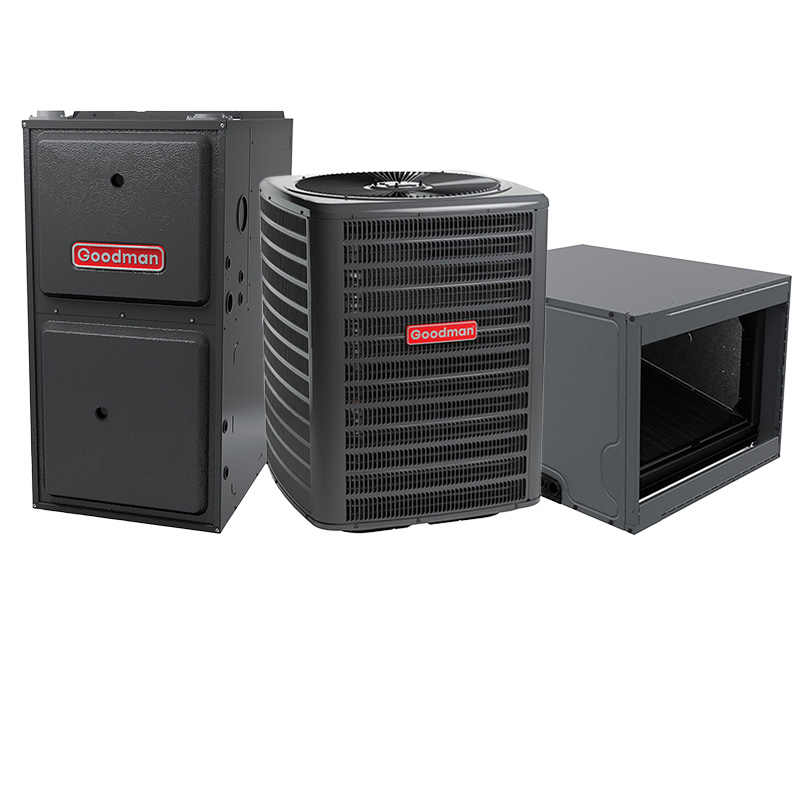
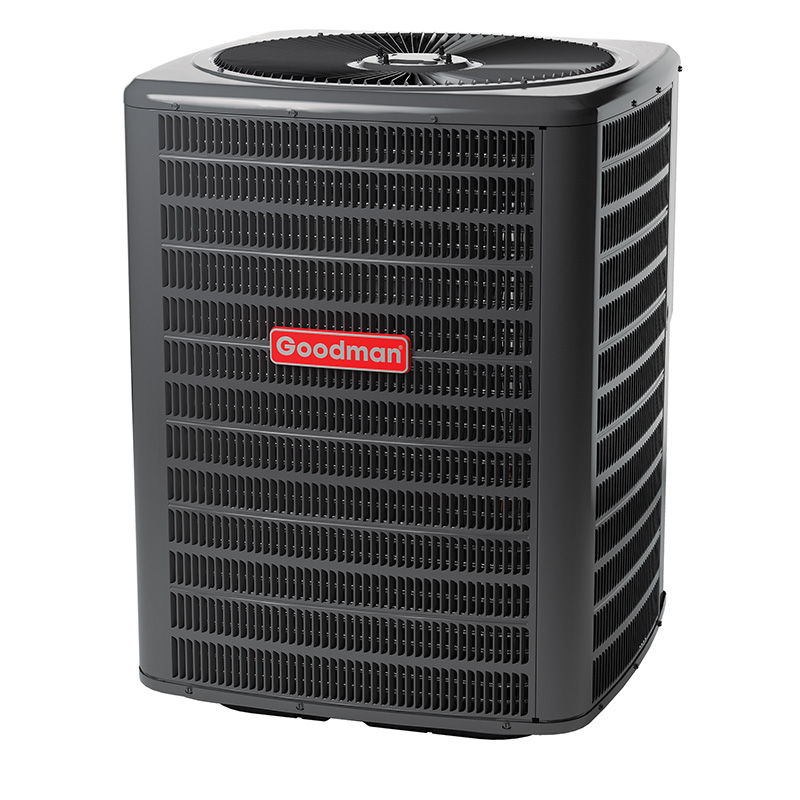
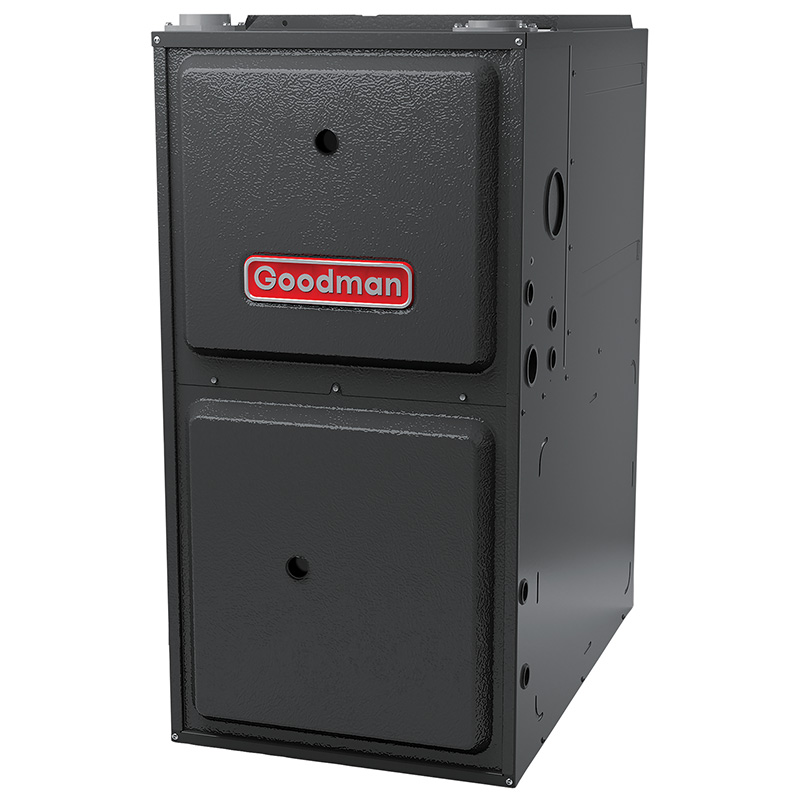
Goodman Air Conditioning And Heating – 5 Ton 15.2 SEER2 AC With 120000 BTU 96% AFUE Two Stage Multi-Speed ECM Gas Furnace System – Horizontal | R32
View on AC Direct see your lowest price →Check current price on AC Direct →
Key features
- 5-ton cooling capacity with 15.2 SEER2 efficiency rating
- 120,000 BTU two-stage gas furnace at 96% AFUE
- ECM variable-speed blower motor for quieter, more efficient airflow
- Horizontal configuration for attic, crawlspace, or side-load installations
- R-32 refrigerant with lower global-warming potential than R-410A
- Two-stage heating reduces short-cycling and improves temperature consistency
About this system
This Goodman package pairs a 5-ton, 15.2 SEER2 air conditioner with a 120,000 BTU, 96% AFUE two-stage gas furnace in a horizontal configuration, making it a practical choice for homes where attic or crawlspace installation is the only viable route. The horizontal orientation suits ranch-style houses, manufactured homes, and additions where vertical clearance is limited. R-32 refrigerant gives this system a lower global-warming footprint than the R-410A equipment it replaces, and it operates at slightly higher pressure, so technicians working on it will need R-32 certification and compatible recovery equipment.
The 15.2 SEER2 rating lands the system in the baseline-meets-federal-minimums tier for most U.S. climate zones, which is an honest starting point rather than an efficiency showcase. The two-stage furnace runs at a reduced fire rate during mild weather, cutting on-off cycling and keeping indoor temperatures more stable than a single-stage unit would. The ECM blower motor adjusts airflow continuously, which reduces electricity draw on the air handler side and is noticeably quieter at lower speeds than a standard PSC motor. Combined, these features make the system a reasonable fit for budget-conscious homeowners in mid-size homes who want better-than-entry-level comfort without paying a premium-brand price.
Because this is a split or package system in a horizontal configuration, the installation is more involved than a standard upflow closet setup. Proper refrigerant charging, duct connections, and drain line routing all become more critical when equipment is tucked into a tight attic or crawlspace. Goodman’s own engineering is sound at this price point, but technician skill and attention to detail during installation will do more to determine how this system performs over its life than any spec on the sheet.
This Goodman system offers a legitimate value for large homes needing horizontal installation, with two-stage heating and an ECM motor that lift it above entry-level comfort. Buyers should plan for the documented weak points, particularly capacitor replacement around year 5 to 8, and understand that a skilled install is not optional here. At 15 to 25 percent below comparable Carrier, Trane, or Lennox equipment, the savings are real, but so is the trade-off in long-term compressor longevity.
Overall score is the average of the five ratings above.
What we like
- Priced 15 to 25 percent below premium-brand equivalents, leaving real budget room for installation quality or a service contract
- 96% AFUE two-stage furnace meaningfully reduces heating bills compared to single-stage or 80% AFUE alternatives
- ECM blower motor lowers electricity use and reduces noise at partial-load operation
- R-32 refrigerant has a lower environmental impact and is increasingly supported by certified technicians
- Horizontal configuration broadens the range of homes this system can serve without major structural changes
Trade-offs
- Dual-run capacitors are the most frequently reported failure, typically appearing within 5 to 8 years and costing $300 to $600 to replace
- Compressor lifespan averages 10 to 14 years versus 15 to 20 for premium-brand compressors, meaning earlier capital replacement decisions
- A minority of owners report refrigerant leaks within the first year, most often traceable to installation or initial charge issues rather than equipment defects
- Evaporator coil leaks appear in a meaningful share of owner reviews, which can be costly to diagnose and repair outside of warranty
What homeowners and pros say about Goodman
Goodman earns a split verdict from the people who buy and install its equipment. On Google dealer reviews, the brand averages around 3.8 out of 5 stars, where the most consistent praise is straightforward: the systems cost less up front, and for homeowners replacing aging equipment on a fixed budget, that gap matters. On ConsumerAffairs, the picture is rougher, with scores hovering around 2.5 out of 5, though that channel skews toward owners motivated to vent frustration rather than report satisfaction. The recurring theme in those negative reviews is repair costs climbing after roughly year 7, which tracks with the documented compressor lifespan of 10 to 14 years versus the 15 to 20 years owners of premium-brand equipment more commonly report.
HVAC technicians who work on Goodman equipment regularly point to a few consistent patterns with this product line. Dual-run capacitor failures are the call they expect, typically somewhere between years 5 and 8, and most describe it as a routine and relatively inexpensive repair rather than a crisis. Evaporator coil leaks show up in a meaningful share of owner accounts and are less straightforward to resolve, particularly in horizontal configurations where access is limited. A smaller share of owners report refrigerant leaks in the first year, which technicians almost universally attribute to installation problems rather than factory defects, underscoring how heavily Goodman’s long-term performance depends on who does the work and how carefully they do it. For this 5-ton horizontal system specifically, the two-stage furnace and ECM motor represent a genuine step up from base-model Goodman equipment, but those components do not change the brand’s underlying reliability profile or its susceptibility to the failure modes owners have documented over years of real-world use.
Sources: ConsumerAffairs Goodman owner reviews, AHRI Directory of Certified Product Performance, U.S. DOE appliance and equipment efficiency standards, Goodman product specification sheets.
What it costs to run
At 15.2 SEER2, cooling this 5-ton system for a typical 1200-hour cooling season at the U.S. average electricity rate of $0.17/kWh works out to roughly $805 per year in cooling, about $108 less per year than a minimum-efficiency 13.4 SEER2 unit of the same size. Your real cost depends on your climate and local rate.
Method: (60,000 BTU/hr ÷ 15.2 SEER2) × 1200 hours ÷ 1000 × $0.17/kWh. Rate source: U.S. EIA average; cooling hours: moderate-climate estimate.
How it compares
| Brand | Comparable model | SEER2 | Stage | Price position |
|---|---|---|---|---|
| Goodman | 5T 15.2 SEER2 AC + 120K BTU 96% AFUE Two-Stage ECM Horizontal | 15.2 | Two-stage | Value pick |
| Carrier | Performance 16 (24ACC6 series) with 96% AFUE two-stage furnace | 16 | Two-stage | Typically 15 to 25 percent more than the Goodman |
| Trane | XR15 with S9X2 two-stage gas furnace | 15.2 | Two-stage | Typically 15 to 25 percent more than the Goodman |
| Lennox | Merit 16ACX with ML196E two-stage furnace | 16 | Two-stage | Typically 15 to 25 percent more than the Goodman |
Competitor rows are comparable single-stage units at similar efficiency; price is relative position, not a quote.
Questions about this system
Is R-32 refrigerant going to be easy to find if this system needs a recharge or repair?
R-32 availability is growing rapidly as manufacturers shift away from R-410A, and most metropolitan areas now have distributors stocking it. That said, not every local HVAC technician is yet certified for R-32 handling, so confirm your service provider has the required equipment and certification before you buy.
What does horizontal configuration actually mean and how does it affect installation cost?
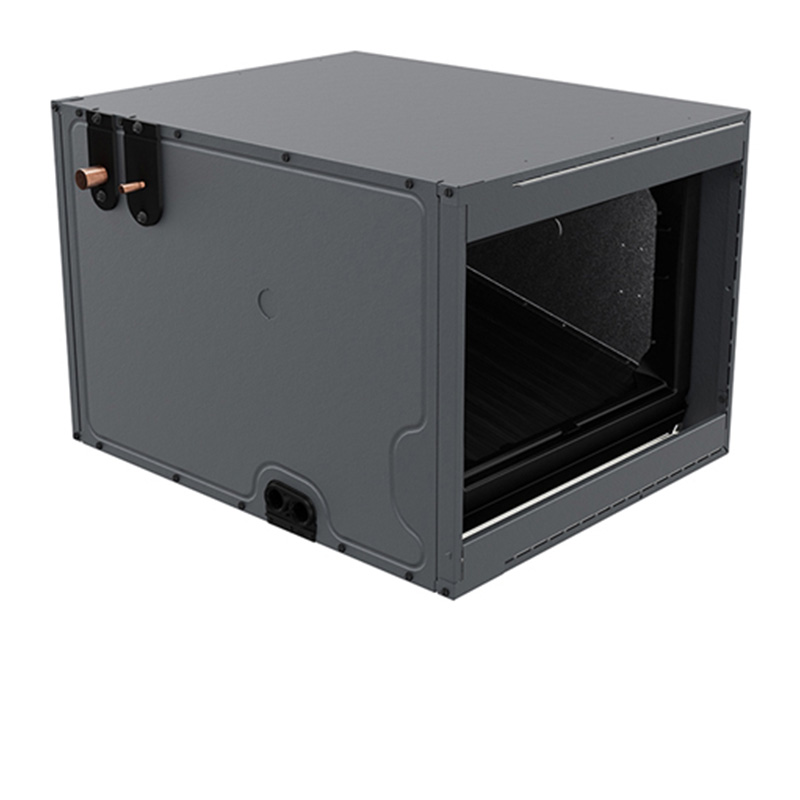
Horizontal means the air handler is mounted on its side so airflow travels left-to-right rather than up or down, which is necessary in attics, crawlspaces, or utility areas with low vertical clearance. Installation tends to take longer than a standard upflow closet job because drain pans, refrigerant line routing, and duct connections are all more awkward to access, so expect labor costs to reflect that added complexity.
How likely is the capacitor failure issue to affect me, and what does it cost to fix?
Dual-run capacitor failure is the single most commonly reported issue with Goodman equipment, with owners typically seeing it between years 5 and 8. The repair is generally straightforward and falls in the $300 to $600 range, so it is not catastrophic, but budgeting for at least one service call in that window is realistic planning rather than pessimism.
Will the two-stage furnace actually make a noticeable comfort difference over a single-stage unit?
Yes, particularly in a large home where a single-stage furnace would blast on at full capacity, overshoot the set temperature, and shut off repeatedly. The two-stage unit runs longer at a lower fire rate during mild weather, which distributes heat more evenly, reduces temperature swings, and keeps humidity better controlled.
Does Goodman's warranty cover the evaporator coil if it develops a leak?
Goodman offers a 10-year parts warranty when the system is registered within 60 days of installation by a licensed contractor, which does cover the evaporator coil under that parts coverage. However, warranty claims require documentation of proper installation and maintenance, and labor costs to access and replace a coil in a horizontal attic configuration are not covered and can be substantial.
Specifications
| Cooling capacity | 5 Ton |
| Efficiency | 15.2 SEER2 |
| Furnace output | 120000 BTU |
| Furnace efficiency | 96% AFUE |
| Configuration | Horizontal |
| Refrigerant | R-32 |