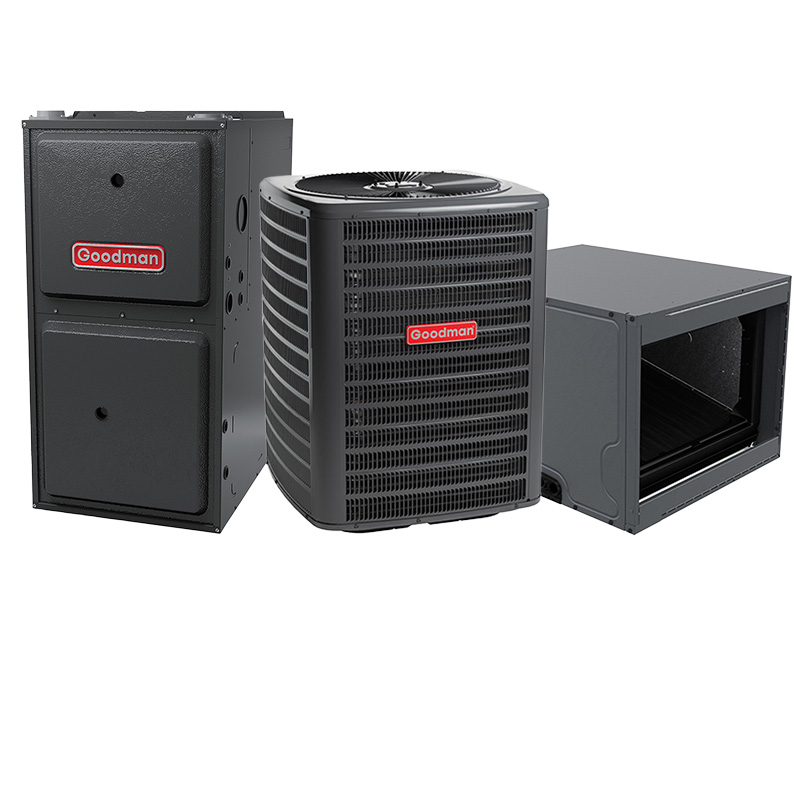
Goodman Furnace AC – 1.5 Ton 15.2 SEER2 AC With 40000 BTU 96% AFUE Multi-Speed ECM Gas Furnace System – Horizontal | R32
View on AC Direct see your lowest price →Check current price on AC Direct →
Key features
- 1.5-ton cooling capacity with 15.2 SEER2 efficiency rating
- 40,000 BTU, 96% AFUE two-stage-equivalent gas furnace
- Multi-speed ECM blower motor for quieter, more consistent airflow
- Horizontal cabinet orientation for attic, crawl space, or side-load installations
- R-32 refrigerant charge with lower global-warming potential than R-410A
- Factory-matched system designed for simplified commissioning and warranty compliance
About this system
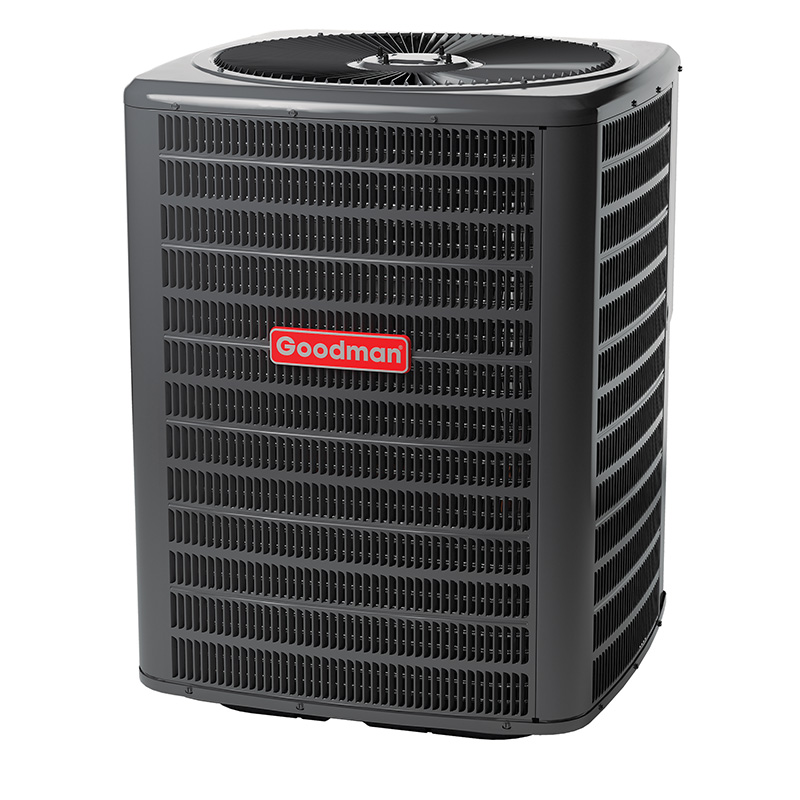
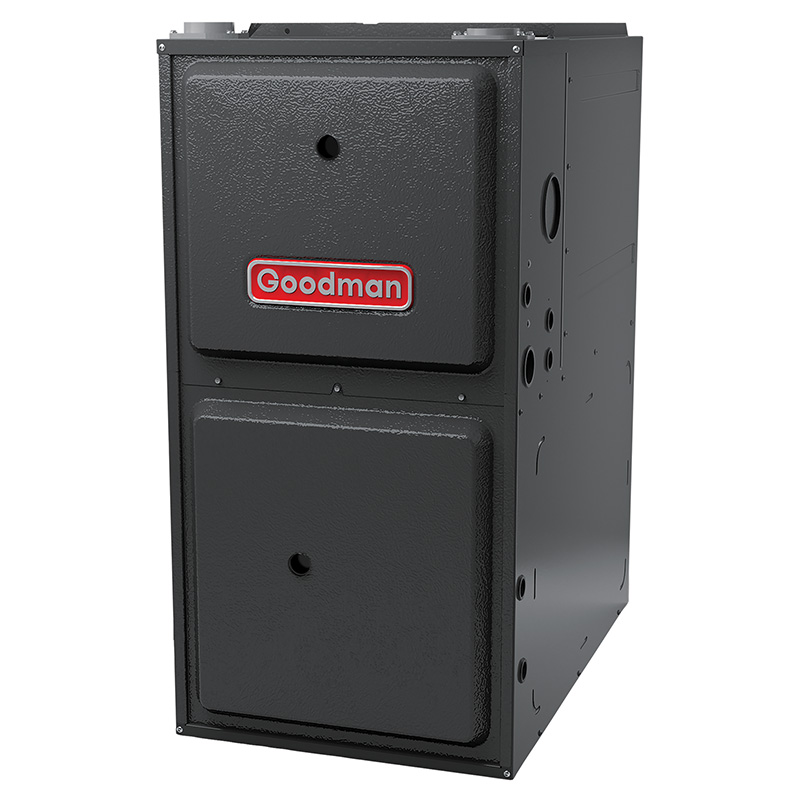
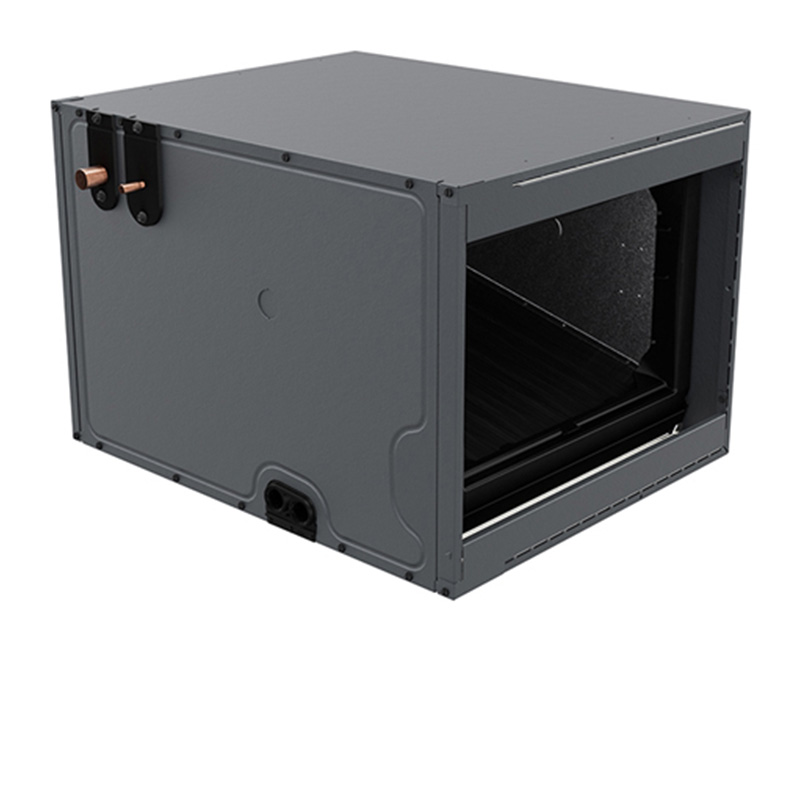
This Goodman bundle pairs a 1.5-ton, 15.2 SEER2 central air conditioner with a 40,000 BTU, 96% AFUE multi-speed ECM gas furnace in a horizontal configuration, making it a practical choice for attic installs, crawl spaces, or tight mechanical rooms where an upflow or downflow cabinet simply will not fit. The R-32 refrigerant charge is a forward-looking detail: R-32 carries a lower global-warming potential than the R-410A it replaces and is becoming the industry standard, so sourcing refrigerant for future service calls should remain straightforward for years to come.
On the numbers, 15.2 SEER2 clears the federal minimum in most climate zones and will deliver a noticeable efficiency gain over an aging 13 or 14 SEER system, though it sits below the 17-plus SEER2 variable-speed tier that earns the largest utility rebates. The 96% AFUE furnace is a genuine high-efficiency rating, meaning 96 cents of every dollar spent on gas becomes heat. The ECM multi-speed blower motor improves airflow consistency and trims electricity consumption compared with a standard PSC motor, which helps with humidity control as well as operating costs. This combination is best suited for a smaller home, a single-zone addition, or a zone with modest heating loads in a mixed climate.
This Goodman system delivers solid mid-tier efficiency at a price point that is genuinely hard to match, and the horizontal ECM furnace is one of the more practical options for attic or crawl-space installs where space is tight. The trade-off is a brand with a documented history of capacitor and coil issues after the first several years, and a compressor lifespan that tends to trail premium competitors, so buyers should budget for routine maintenance and factor in service access when choosing an installer.
Overall score is the average of the five ratings above.
What we like
- 15.2 SEER2 clears federal minimums and delivers meaningful savings over older 13 SEER equipment
- 96% AFUE is a true high-efficiency rating, minimizing heat lost up the flue
- ECM multi-speed motor reduces electricity use and improves humidity control versus a basic PSC motor
- R-32 refrigerant is more widely serviceable going forward as the industry moves away from R-410A
- Priced 15 to 25 percent below comparable Carrier, Trane, and Lennox bundles, lowering the upfront barrier
Trade-offs
- Dual-run capacitors are the most frequently reported failure point, typically appearing after year 5 to 7 and costing 300 to 600 dollars to address
- Evaporator coil leaks appear in a notable share of owner reviews, a repair that can run into the thousands if the coil needs replacement
- Compressor longevity averages 10 to 14 years, shorter than the 15 to 20 years commonly seen with premium-brand compressors
- A minority of owners report refrigerant leaks within the first year, most often traced to install quality rather than the unit itself, which underscores how critical technician skill is with this brand
What homeowners and pros say about Goodman
Homeowners who have lived with Goodman equipment report a recognizable pattern: the first several years tend to be uneventful, and affordability at purchase is consistently the most cited reason for choosing the brand, reflected in roughly 3.8 out of 5 across Google dealer reviews. After year seven or so, repair calls start appearing more frequently in owner accounts, a theme that surfaces in Goodman’s approximately 2.5 out of 5 ConsumerAffairs score, where the complaint thread is dominated by rising service costs in the second decade of ownership. The specific failure modes that show up most often are dual-run capacitors, an inexpensive and quick fix in the 300 to 600 dollar range that still requires a service call, and evaporator coil leaks, which are a costlier problem and appear in a meaningful share of reviews. Compressor longevity averaging 10 to 14 years is the other recurring data point, noticeably shorter than the 15 to 20 years owners of Carrier and Trane equipment more commonly report.
HVAC technicians tend to have a pragmatic view of Goodman: the equipment is serviceable and the parts are widely stocked, but they consistently name install quality as the variable that separates a 15-year Goodman from a 9-year one. For this particular horizontal ECM system, that means the startup matters more than usual because horizontal coil drainage, refrigerant charge verification on R-32, and proper duct static pressure all carry more consequence in an attic or crawl-space install where future access is harder. Pros also flag that the minority of first-year refrigerant leak complaints in owner reviews almost always point back to installation workmanship rather than a factory defect, reinforcing the point that who installs this system is as important a purchase decision as the system itself.
Sources: ConsumerAffairs Goodman owner reviews, AHRI Directory of Certified Product Performance, U.S. DOE appliance and equipment efficiency standards, Goodman product specification sheets.
What it costs to run
At 15.2 SEER2, cooling this 1.5-ton system for a typical 1200-hour cooling season at the U.S. average electricity rate of $0.17/kWh works out to roughly $242 per year in cooling, about $32 less per year than a minimum-efficiency 13.4 SEER2 unit of the same size. Your real cost depends on your climate and local rate.
Method: (18,000 BTU/hr ÷ 15.2 SEER2) × 1200 hours ÷ 1000 × $0.17/kWh. Rate source: U.S. EIA average; cooling hours: moderate-climate estimate.
How it compares
| Brand | Comparable model | SEER2 | Stage | Price position |
|---|---|---|---|---|
| Goodman | GLXS3BA18 + GMVM960403BN (this system) | 15.2 | Multi-speed | Value pick |
| Carrier | Comfort 15 Series (24ACC6) | 15.2 | Single-stage | Typically 15 to 25 percent more than this Goodman bundle |
| Trane | XR15 Series (4TTR5) | 15.0 to 15.5 | Single-stage | Typically 15 to 25 percent more than this Goodman bundle |
| Lennox | Merit 14ACX Series | 15.0 to 15.5 | Single-stage | Typically 15 to 25 percent more than this Goodman bundle |
Competitor rows are comparable single-stage units at similar efficiency; price is relative position, not a quote.
Questions about this system
Why does this system use R-32 instead of R-410A, and does that affect service costs?
R-32 is the refrigerant Goodman is transitioning to as the industry phases out R-410A under updated EPA regulations. It has a lower global-warming potential and is generally available through the same HVAC supply houses, so service costs should be comparable to R-410A work today and likely more stable long-term as R-410A becomes harder to source.
Is 1.5 tons actually enough cooling capacity, or will this system short-cycle?
A proper Manual J load calculation is the only reliable way to confirm sizing. For reference, 1.5 tons is typically appropriate for roughly 600 to 900 square feet of well-insulated living space in a moderate climate, but ceiling height, window area, duct condition, and local design temperatures all shift that range. Short-cycling from an oversized unit causes more comfort and humidity problems than most homeowners expect, so resist the urge to upsize without a calculation.
What does the horizontal configuration mean, and can this furnace be installed in other orientations?
Horizontal means the furnace cabinet is designed to lie on its side, with airflow moving from one end to the other rather than up or down. This makes it well suited for attic platforms or low crawl spaces. Installing a horizontal-rated cabinet in an upflow or downflow position is not permitted by the manufacturer and voids the warranty, so confirm your mechanical space orientation before purchasing.
Goodman has mixed reviews online. Should I be worried about reliability on a new unit?
Goodman carries roughly a 2.5 out of 5 on ConsumerAffairs, a channel that skews toward complaints, and around 3.8 out of 5 on Google dealer reviews where affordability is the most common praise. The documented weak points are dual-run capacitors (a relatively inexpensive fix), evaporator coil leaks, and compressor lifespans that average 10 to 14 years versus 15 to 20 for premium brands. Many technicians say install quality is the single biggest predictor of how long a Goodman unit lasts, so vetting your installer carefully is at least as important as the unit itself.
What warranty comes with this system, and are there conditions I need to meet?
Goodman typically offers a 10-year parts warranty on registered units, which requires online registration within a set window after installation. Failure to register usually drops coverage to a shorter base period. The warranty also generally requires installation by a licensed HVAC contractor, and some exclusions apply to labor and refrigerant, so review the current warranty certificate at the time of purchase since terms can change between model years.
Specifications
| Cooling capacity | 1.5 Ton |
| Efficiency | 15.2 SEER2 |
| Furnace output | 40000 BTU |
| Furnace efficiency | 96% AFUE |
| Configuration | Horizontal |
| Refrigerant | R-32 |