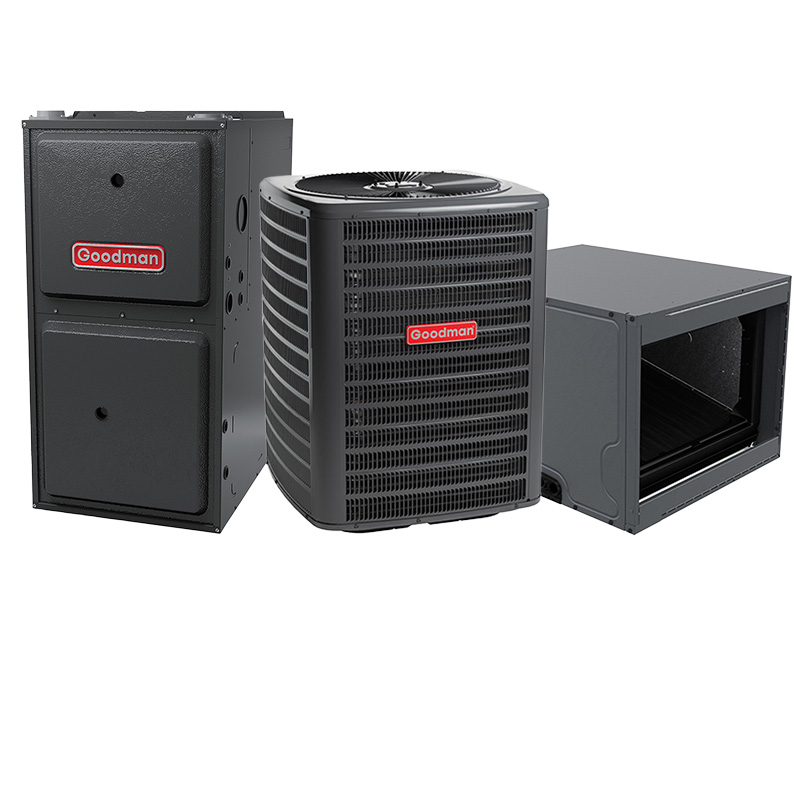
Goodman Furnace AC – 1.5 Ton 15.2 SEER2 AC With 60000 BTU 96% AFUE Multi-Speed ECM Gas Furnace System – Horizontal | R32
View on AC Direct see your lowest price →Check current price on AC Direct →
Key features
- 15.2 SEER2 cooling efficiency, meeting or exceeding 2023 federal minimums for most U.S. regions
- 96% AFUE gas furnace, converting nearly all fuel to heat and qualifying for common utility rebates
- Multi-speed ECM blower motor for lower fan electricity use and more consistent airflow
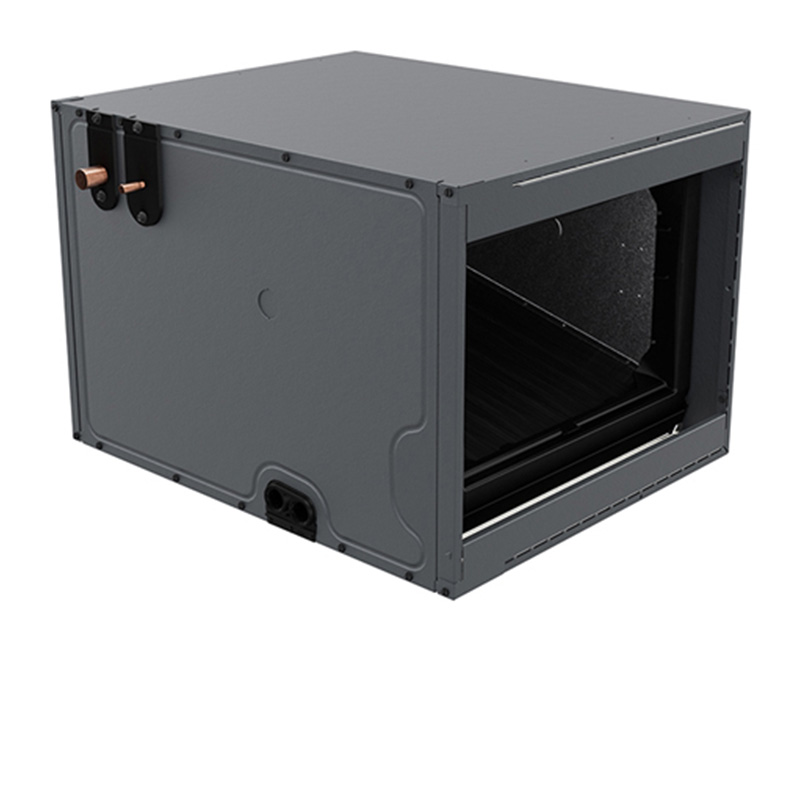
- Horizontal configuration designed for attic, crawlspace, or side-discharge closet installations
- R-32 refrigerant with lower global warming potential than R-410A
- 1.5-ton cooling capacity suited to smaller conditioned spaces, approximately 600 to 900 square feet
About this system
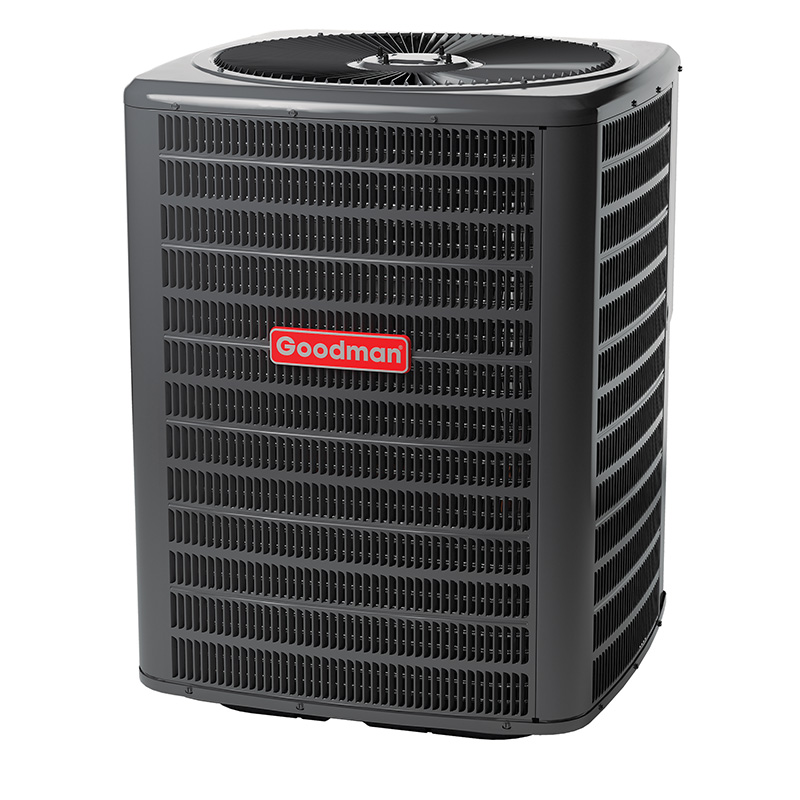
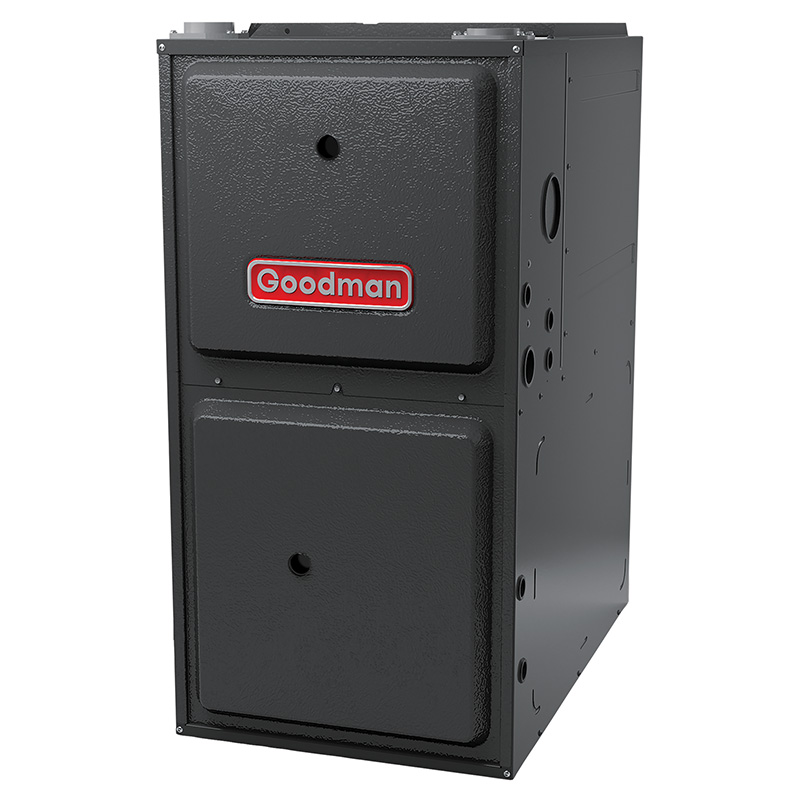
This Goodman package pairs a 1.5-ton, 15.2 SEER2 air conditioner with a 60,000 BTU, 96% AFUE multi-speed ECM gas furnace in a horizontal configuration, making it a practical choice for homes where the air handler sits in a tight crawlspace, attic, or closet with a side-discharge layout. At 1.5 tons, it is sized for smaller homes typically in the 600 to 900 square foot range, though proper Manual J load calculations should always confirm sizing before purchase. The R-32 refrigerant is a forward-looking choice: it carries a lower global warming potential than R-410A and is increasingly the industry standard as the HVAC sector phases down older refrigerants.
The 96% AFUE rating means 96 cents of every dollar spent on gas is converted to usable heat, landing this furnace firmly in the high-efficiency tier and qualifying it for many utility rebate programs. The multi-speed ECM (electronically commutated motor) blower improves airflow consistency and humidity control compared to a basic single-speed PSC motor, and it draws significantly less electricity during fan-only operation. The 15.2 SEER2 efficiency sits just above the federal minimum for most northern U.S. climate zones, so it meets code without the premium cost of a 17 or 18 SEER2 system. For a budget-conscious buyer who wants a capable, code-compliant system and is not chasing top-tier efficiency or premium brand cachet, this combo covers the essentials at a competitive price point.
This Goodman system delivers solid mid-tier efficiency at a price point noticeably below Trane, Lennox, and Carrier alternatives, making it a reasonable budget choice for smaller homes. The specs are honest and competitive, but Goodman's real-world longevity depends heavily on installation quality and routine maintenance, and owners should budget for likely capacitor replacements and possible coil issues after the first several years. It is not the most durable option on the market, but the cost savings upfront are real.
Overall score is the average of the five ratings above.
What we like
- Priced 15 to 25 percent below comparable Carrier, Trane, and Lennox systems, providing genuine upfront savings
- 96% AFUE furnace rating reduces monthly gas bills and may unlock utility rebate dollars
- ECM multi-speed blower improves comfort and cuts fan electricity costs versus single-speed motors
- R-32 refrigerant is future-ready and environmentally preferable to R-410A
- Horizontal configuration opens installation options in attics and crawlspaces where vertical units cannot fit
Trade-offs
- Compressor lifespan averages 10 to 14 years, shorter than the 15 to 20 years typical of premium brands
- Dual-run capacitor failures are the most commonly reported repair, usually appearing after the first few years of use
- Evaporator coil leaks appear in a meaningful share of owner reviews and can be costly to address
- A minority of owners report refrigerant leaks within the first year, typically tied to install or factory charge issues
What homeowners and pros say about Goodman
Homeowners who buy Goodman equipment tend to fall into two camps, and both are visible in the public record. On Google dealer reviews, where Goodman installers average around 3.8 out of 5 across hundreds of location-level ratings, the most frequent praise centers on affordability: buyers appreciate getting a functional, warrantied system installed for noticeably less than a Carrier or Trane quote. On ConsumerAffairs, the brand sits closer to 2.5 out of 5, a lower score that reflects the complaint-heavy nature of that platform and a recurring pattern of owners reporting that repair costs climb after roughly year seven. Neither number tells the whole story, but together they sketch a picture of a brand that delivers on price and does the job adequately when conditions are right.
HVAC technicians who service Goodman equipment point to a few specific failure patterns worth knowing before purchase. Dual-run capacitors are the most commonly reported problem on Goodman air conditioners and are generally a quick, low-cost fix in the 300 to 600 dollar range. More consequential are evaporator coil leaks, which appear in a meaningful share of owner reports and can mean a larger repair bill. Compressor longevity is also a real consideration: Goodman compressors tend to average 10 to 14 years, compared to 15 to 20 years on premium-brand equipment. A small share of first-year refrigerant leak reports rounds out the documented concerns, though technicians typically attribute those to installation or charging errors rather than factory defects. For this specific horizontal system, proper commissioning in an attic or crawlspace is especially important given the tighter working conditions involved.
Sources: ConsumerAffairs Goodman owner reviews, AHRI Directory of Certified Product Performance, U.S. DOE appliance and equipment efficiency standards, Goodman product specification sheets.
What it costs to run
At 15.2 SEER2, cooling this 1.5-ton system for a typical 1200-hour cooling season at the U.S. average electricity rate of $0.17/kWh works out to roughly $242 per year in cooling, about $32 less per year than a minimum-efficiency 13.4 SEER2 unit of the same size. Your real cost depends on your climate and local rate.
Method: (18,000 BTU/hr ÷ 15.2 SEER2) × 1200 hours ÷ 1000 × $0.17/kWh. Rate source: U.S. EIA average; cooling hours: moderate-climate estimate.
How it compares
| Brand | Comparable model | SEER2 | Stage | Price position |
|---|---|---|---|---|
| Goodman | GLXS15H / GCVC96 Series (this system) | 15.2 | Single-stage / Multi-speed | Value pick |
| Carrier | Comfort 14 / 15 Series (24ACC / 58STA) | 15.2 | Single-stage | Typically 15 to 25 percent more than this Goodman system |
| Trane | XR15 / S9X1 Series | 15.2 | Single-stage | Typically 15 to 25 percent more than this Goodman system |
| Lennox | Merit 14ACX / ML96V Series | 15.2 | Single-stage / Multi-speed | Typically 15 to 25 percent more than this Goodman system |
Competitor rows are comparable single-stage units at similar efficiency; price is relative position, not a quote.
Questions about this system
Is 1.5 tons the right size for my home, or do I need a load calculation?
A Manual J load calculation is always the correct way to confirm sizing. As a rough guideline, 1.5 tons covers approximately 600 to 900 square feet in an average climate, but insulation levels, ceiling height, window area, and local weather all affect the actual number. An oversized or undersized system will run inefficiently and wear faster, so do not skip the calculation.
What does the horizontal configuration mean, and will it work in my attic or crawlspace?
Horizontal means the air handler is designed to lie on its side, with airflow entering and exiting from the ends rather than the bottom. This makes it well suited for low-clearance attics, crawlspaces, and some closets with side-discharge ductwork. Confirm with your installer that your specific space and duct layout match this orientation before ordering.
Why does this system use R-32 refrigerant, and does that affect service costs?
R-32 has a lower global warming potential than the R-410A used in most older systems and is being adopted broadly as the industry moves away from higher-GWP refrigerants. It is mildly flammable (A2L classification), which means technicians need specific handling certification. Most modern HVAC contractors are already equipped for it, but it is worth confirming with your service provider before installation.
What repairs should I budget for over the life of this Goodman system?
The dual-run capacitor is the most commonly reported failure on Goodman equipment and typically costs between 300 and 600 dollars to diagnose and replace. Evaporator coil leaks show up in a meaningful share of owner reviews and can run higher depending on severity. Compressors on Goodman units tend to average 10 to 14 years, so budgeting for a potential compressor repair or replacement in that window is prudent.
How important is installation quality with a Goodman system, and what should I look for in a contractor?
Installation quality is the single biggest factor in how long a Goodman system lasts, according to HVAC technicians who service these units. A minority of owners experience refrigerant leaks in the first year, which is almost always a charge or connection issue from the install rather than a factory defect. Look for a licensed contractor who performs a Manual J load calculation, pressure-tests the refrigerant circuit, and commissions the system properly rather than simply swapping equipment.
Specifications
| Cooling capacity | 1.5 Ton |
| Efficiency | 15.2 SEER2 |
| Furnace output | 60000 BTU |
| Furnace efficiency | 96% AFUE |
| Configuration | Horizontal |
| Refrigerant | R-32 |