Goodman Furnace AC – 2.5 Ton 16 SEER2 AC With 80000 BTU 96% AFUE Multi-Speed ECM Gas Furnace System – Horizontal | R32
View on AC Direct see your lowest price →Check current price on AC Direct →
Key features
- 2.5-ton cooling capacity rated at 16 SEER2 for above-minimum efficiency
- 80,000 BTU gas furnace at 96% AFUE with multi-speed ECM blower motor
- Horizontal configuration for attic, crawlspace, or side-discharge installations
- R-32 refrigerant charge with lower global warming potential than R-410A
- ECM motor reduces blower electricity use and supports quieter, variable airflow
- Matched system design allows for a single compatible warranty registration
About this system
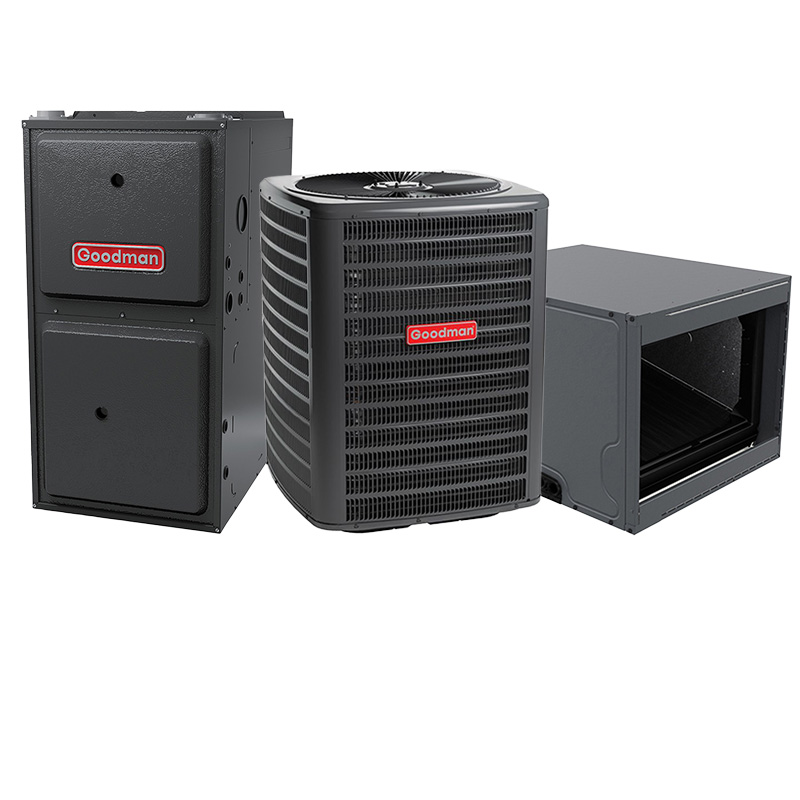
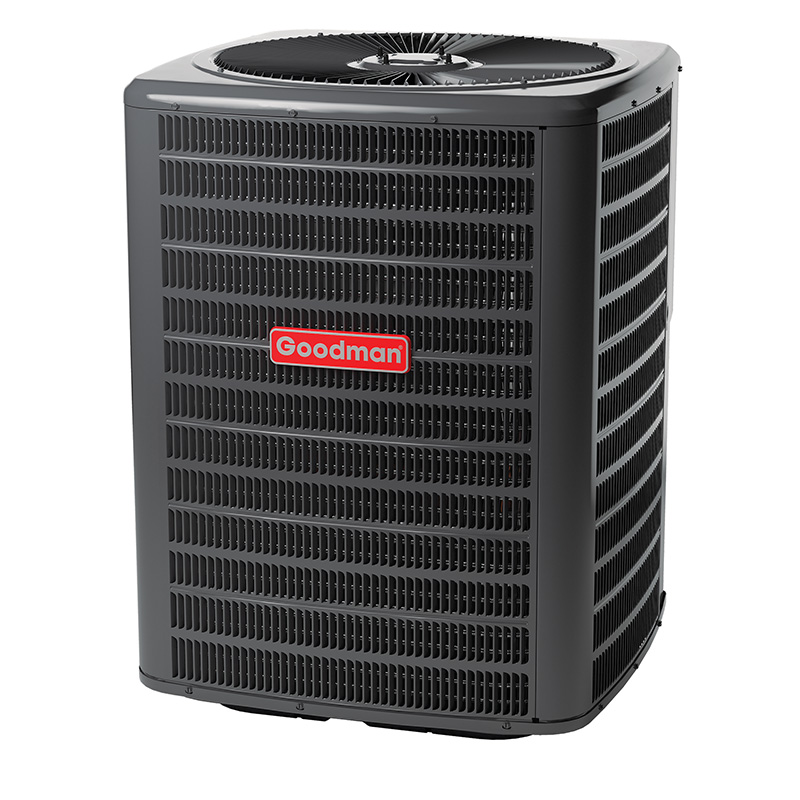
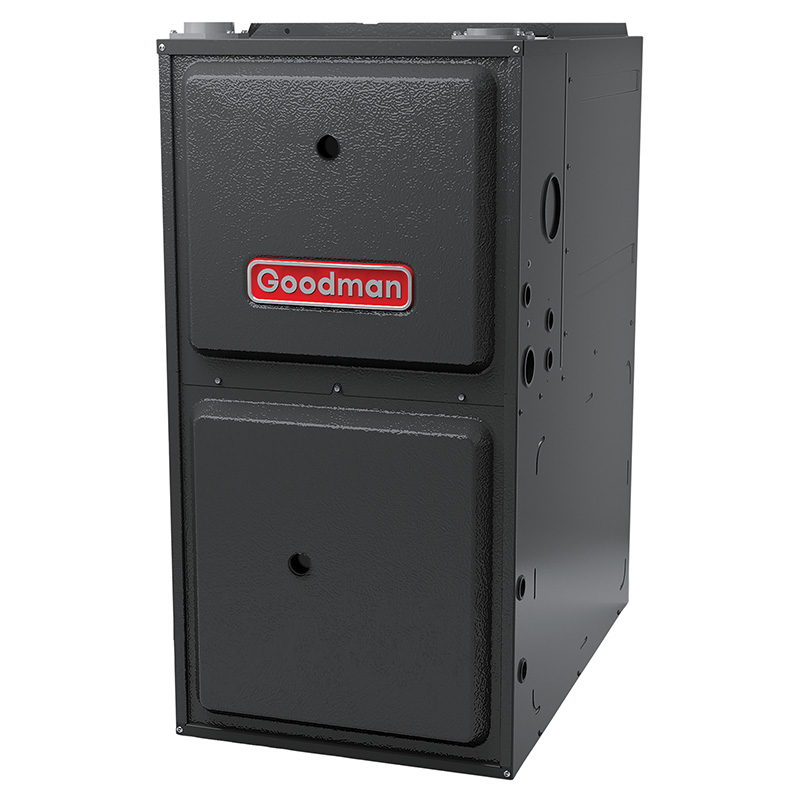
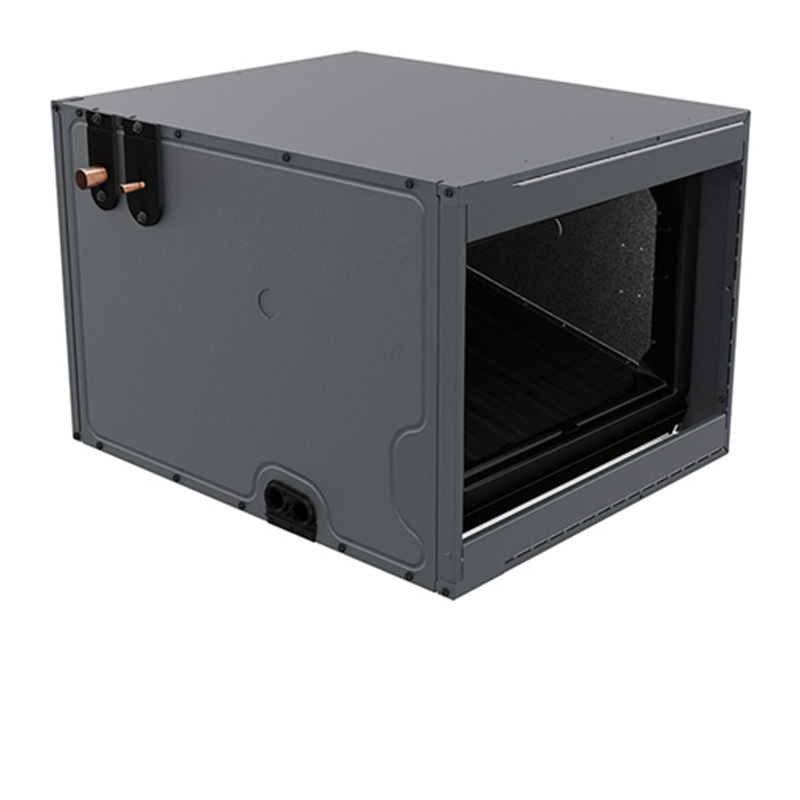
This Goodman system pairs a 2.5-ton, 16 SEER2 central air conditioner with an 80,000 BTU, 96% AFUE multi-speed ECM gas furnace in a horizontal configuration, making it a practical choice for homes where the air handler sits in a crawlspace, attic, or side-discharge closet rather than an upright basement installation. The R-32 refrigerant charge is a meaningful forward-looking detail: R-32 has a lower global warming potential than the R-410A it replaces and is now the direction the industry is heading, so sourcing refrigerant for future service calls should remain straightforward.
On the efficiency side, 16 SEER2 sits comfortably above the federal minimum for most U.S. climate zones without reaching into the premium-price variable-speed tier. The 96% AFUE furnace means roughly 96 cents of every dollar in gas goes toward heat, which qualifies for federal energy-efficiency tax credits in many cases. The ECM (electronically commutated motor) blower is a genuine advantage over older PSC motors: it ramps speed to match demand, uses noticeably less electricity during long blower runs, and tends to run quieter. Together, these specs suit a mid-size home, typically 1,200 to 1,800 square feet depending on climate, insulation, and ceiling height, where the owner wants solid efficiency without the cost of premium brands or variable-capacity compressors.
This Goodman combo delivers legitimate mid-tier efficiency at a price point that undercuts Carrier, Trane, and Lennox by a meaningful margin, making it a reasonable choice for budget-conscious buyers who prioritize upfront cost and plan to stay on top of maintenance. The horizontal-only configuration limits where it can go, and Goodman's documented reliability record means long-term ownership costs deserve honest scrutiny before purchase. Buyers who can stretch the budget for a variable-capacity system or a premium brand will likely see better compressor longevity, but for straightforward replacements with good installation, this system earns its place in the market.
Overall score is the average of the five ratings above.
What we like
- 96% AFUE furnace is a genuinely high-efficiency rating that can reduce annual gas bills compared to 80% units
- 16 SEER2 exceeds federal minimums in most regions and avoids the cost premium of variable-speed inverter systems
- ECM blower motor cuts fan electricity use and provides quieter, more even airflow versus older PSC motors
- R-32 refrigerant is the industry's forward direction, keeping future service refrigerant readily available
- Priced 15 to 25 percent below comparable Trane, Lennox, and Carrier equipment, lowering the barrier for full system replacement
Trade-offs
- Horizontal-only configuration means this specific unit cannot be installed vertically, limiting its use to homes with appropriate space orientation
- Dual-run capacitors are the most commonly reported failure point; budget for at least one replacement, typically in the 300 to 600 dollar range, within the first decade
- Compressor lifespan averages 10 to 14 years in owner reports, shorter than the 15 to 20 years more commonly seen with premium-brand compressors
- A minority of first-year owners have reported refrigerant leaks, which are usually traced to installation or initial charge quality rather than the equipment itself, underscoring the importance of hiring a skilled installer
What homeowners and pros say about Goodman
Homeowners who have owned Goodman equipment land in two fairly distinct camps when they share their experiences. On Google dealer reviews, where the average sits around 3.8 out of 5, the most repeated praise is affordability: buyers say they got a functioning, reasonably efficient system installed for thousands less than competing bids on Carrier or Trane equipment. Complaints in that same channel tend to focus on responsiveness when something goes wrong rather than the equipment failing immediately out of the box. The picture shifts on ConsumerAffairs, where Goodman scores closer to 2.5 out of 5, though that platform draws disproportionately from frustrated owners rather than satisfied ones. The recurring theme there is repair costs that start climbing around year seven or eight, with capacitor replacements being the most common and most manageable issue, and evaporator coil leaks being the complaint that generates the most frustration because they are harder to diagnose and more expensive to fix.
HVAC technicians who work on Goodman equipment regularly tend to hold a pragmatic view: the hardware is functional and the parts are inexpensive and widely stocked, which matters when a capacitor fails on a July weekend. Where pros push back is on compressor longevity, noting that Goodman compressors have realistically averaged 10 to 14 years in field experience versus the 15 to 20 years they see more often from premium-brand compressors. They also emphasize that for this specific horizontal configuration, a tight, properly charged installation is not optional: the first-year refrigerant leaks that show up in owner reports are almost always an installation issue, not a factory one. The consensus among experienced techs is that a well-installed Goodman in a home with consistent maintenance performs far closer to a premium brand than a poorly installed premium brand does. That makes installer selection at least as important as brand selection for this system.
Sources: ConsumerAffairs Goodman owner reviews, AHRI Directory of Certified Product Performance, U.S. DOE appliance and equipment efficiency standards, Goodman product specification sheets.
What it costs to run
At 16 SEER2, cooling this 2.5-ton system for a typical 1200-hour cooling season at the U.S. average electricity rate of $0.17/kWh works out to roughly $382 per year in cooling, about $75 less per year than a minimum-efficiency 13.4 SEER2 unit of the same size. Your real cost depends on your climate and local rate.
Method: (30,000 BTU/hr ÷ 16 SEER2) × 1200 hours ÷ 1000 × $0.17/kWh. Rate source: U.S. EIA average; cooling hours: moderate-climate estimate.
How it compares
| Brand | Comparable model | SEER2 | Stage | Price position |
|---|---|---|---|---|
| Goodman | GSXH5 / GMVC96 Series (this system) | 16 | Single-stage AC / Multi-speed furnace | Value pick |
| Carrier | Performance 16 (24ACC6) with 58MVC Gas Furnace | 16 | Single-stage AC / Multi-speed furnace | 15 to 25 percent higher than this Goodman system |
| Trane | XR16 (4TTR6) with S9V2 Gas Furnace | 16 | Single-stage AC / Multi-speed furnace | 15 to 25 percent higher than this Goodman system |
| Lennox | Merit 16ACX with ML96V Gas Furnace | 16 | Single-stage AC / Multi-speed furnace | 20 to 30 percent higher than this Goodman system |
Competitor rows are comparable single-stage units at similar efficiency; price is relative position, not a quote.
Questions about this system
Can this system be installed in a vertical upflow or downflow position, or is it strictly horizontal?
This specific configuration is rated and designed for horizontal installation only, which suits attics and crawlspaces where the unit lies on its side. If your home needs an upflow or downflow furnace, you would need a different Goodman model rated for that orientation. Confirm the required orientation with your installer before purchasing.
Does this system qualify for the federal energy-efficiency tax credit?
The 96% AFUE furnace meets the efficiency threshold that qualifies for the federal 25C tax credit, which can cover up to 30 percent of equipment and installation costs up to the annual cap. The AC portion at 16 SEER2 may or may not qualify depending on the specific credit rules in effect at the time of installation; check with a tax professional or the ENERGY STAR database before filing.
Why is R-32 used here instead of R-410A, and does it affect service costs?
R-32 has a significantly lower global warming potential than R-410A and is now the direction the HVAC industry is moving as R-410A is phased down under federal regulations. From a service standpoint, R-32 is widely available and compatible with standard recovery and charging equipment used by certified technicians, so it should not add cost or complexity to routine service calls.
How do Goodman's documented failure modes affect my ownership costs for this system?
The most commonly reported failure on Goodman equipment is the dual-run capacitor, typically a quick repair in the 300 to 600 dollar range and usually not a sign of larger problems. Evaporator coil leaks show up in a notable share of owner reviews and can be more expensive to address. Compressors on Goodman units have averaged 10 to 14 years in real-world reports, so budgeting for a potential compressor replacement or full system swap in that window is realistic planning rather than pessimism.
How much does installer quality really matter with this Goodman system?
It matters considerably. Goodman's own dealer community consistently cites installation quality as the single largest factor in how long a unit lasts. The first-year refrigerant leaks that some owners report are almost always traced to improper charging or connection work rather than a factory defect. Getting multiple bids, verifying NATE certification, and confirming the installer will perform a full Manual J load calculation before sizing the system are worth the extra effort.
Specifications
| Cooling capacity | 2.5 Ton |
| Efficiency | 16 SEER2 |
| Furnace output | 80000 BTU |
| Furnace efficiency | 96% AFUE |
| Configuration | Horizontal |
| Refrigerant | R-32 |