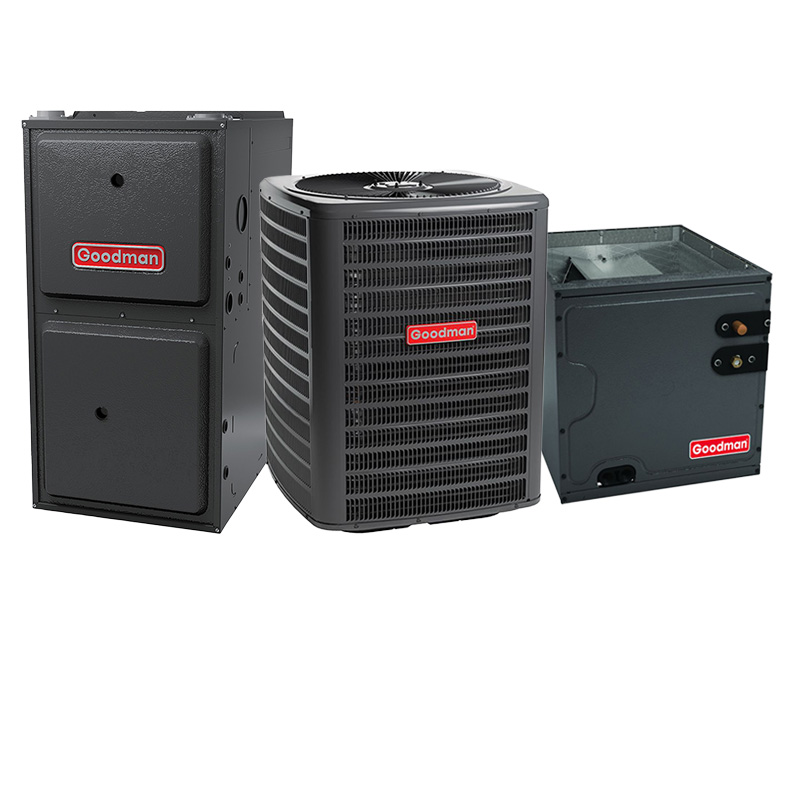
Goodman Furnace AC – 2 Ton 15.2 SEER2 AC With 60000 BTU 96% AFUE Multi-Speed ECM Gas Furnace System – Upflow | R32
View on AC Direct see your lowest price →Check current price on AC Direct →
Key features
- 15.2 SEER2 cooling efficiency meets current federal minimums for most U.S. climate zones
- 96% AFUE furnace in the high-efficiency tier, potentially eligible for utility rebates
- Multi-speed ECM blower motor reduces fan electricity use and improves humidity control
- R-32 refrigerant with lower global-warming potential than legacy R-410A systems
- Upflow configuration designed for attic duct runs or main-floor utility closet installs
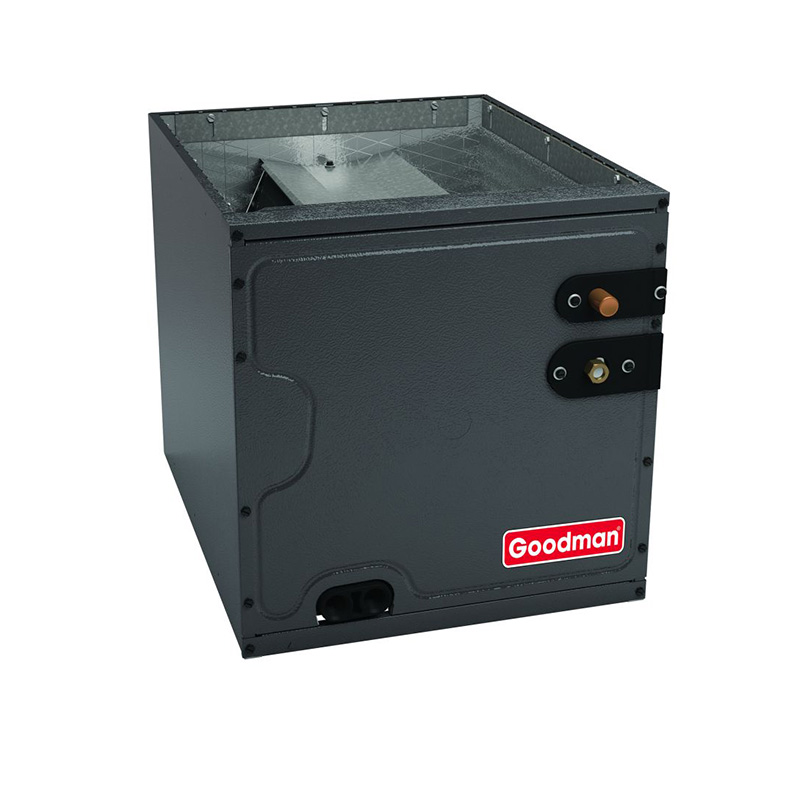
- Matched system sold as a bundle, simplifying coil compatibility and warranty registration
About this system
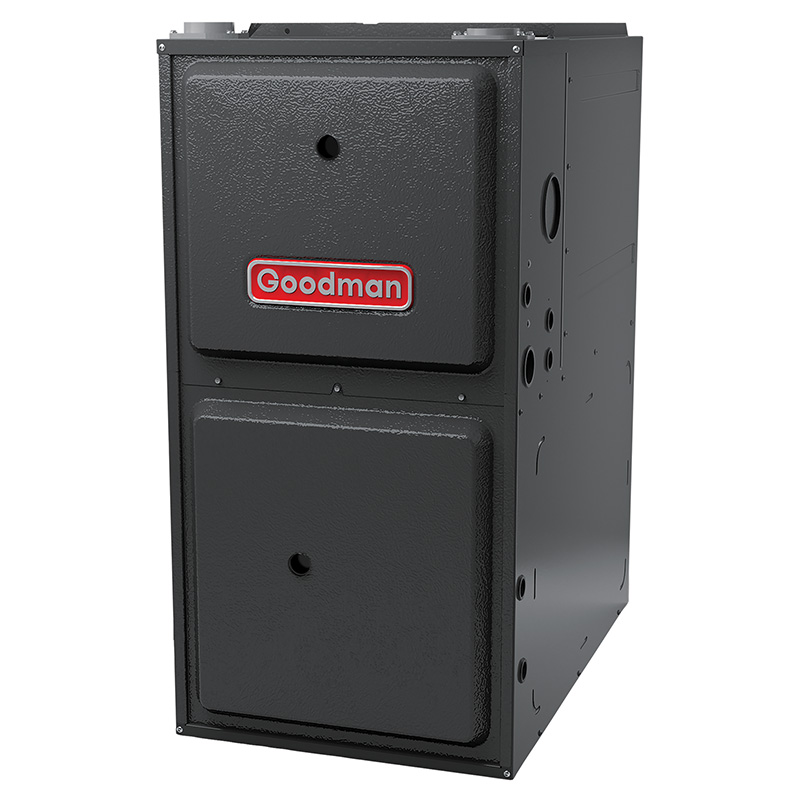
This Goodman bundle pairs a 2-ton, 15.2 SEER2 central air conditioner with a 60,000 BTU, 96% AFUE multi-speed ECM gas furnace in an upflow configuration. The combination is aimed at smaller to mid-size homes, roughly 800 to 1,200 square feet depending on climate and insulation, where the heating and cooling loads both sit on the modest end. The 96% AFUE rating means the furnace converts 96 cents of every dollar of natural gas into usable heat, which puts it firmly in the high-efficiency tier and qualifies many installations for utility rebates. The ECM blower motor adjusts airflow in multiple steps rather than running at a single fixed speed, which lowers electricity consumption during the longer shoulder-season blower runs and helps with humidity management.
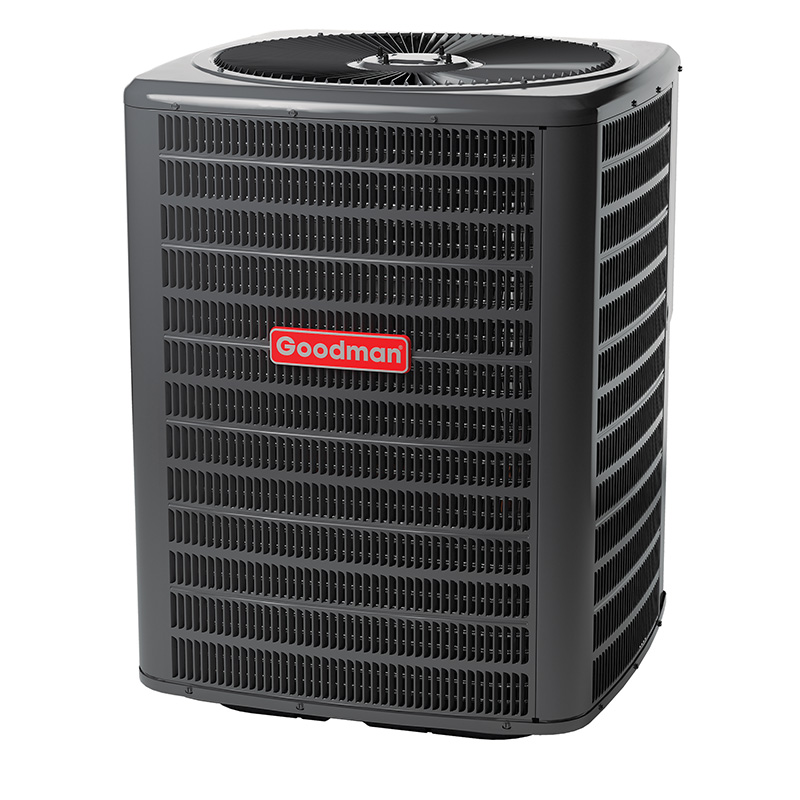
The air conditioner side uses R-32 refrigerant, a lower global-warming-potential option that is increasingly common as the industry moves away from R-410A. At 15.2 SEER2, efficiency sits right at the current federal minimum threshold for northern states and just above it for most southern regions, so it is code-compliant but not a high-efficiency standout. Upflow furnaces discharge conditioned air through the top and draw return air from the bottom, making this configuration the right fit for homes where ductwork runs through the attic or through a utility closet on the main floor. This system will appeal most to budget-conscious buyers who want a reliable workhorse install without paying the premium that name-brand equipment commands.
This Goodman bundle delivers solid baseline efficiency and a matched system at a price point that undercuts Carrier, Trane, and Lennox by a meaningful margin. The 96% AFUE furnace and ECM motor are genuine strengths, but the air conditioner side is entry-level efficiency only, and long-term reliability depends heavily on installation quality and whether documented failure points like capacitors and evaporator coils hold up past year seven.
Overall score is the average of the five ratings above.
What we like
- High-efficiency 96% AFUE furnace qualifies for utility rebates in many service areas
- ECM blower motor lowers electricity costs during shoulder-season operation
- R-32 refrigerant is future-ready as the industry phases out older refrigerants
- Priced 15 to 25 percent below comparable Carrier, Trane, and Lennox systems
- Matched bundle simplifies coil selection and supports a unified warranty claim
Trade-offs
- 15.2 SEER2 is code-minimum efficiency; higher SEER2 options are available at moderate cost increases
- Compressor lifespan averages 10 to 14 years versus 15 to 20 years on premium brands
- Dual-run capacitor failures and evaporator coil leaks are documented recurring issues in owner feedback
- A minority of owners report refrigerant leaks in year one, typically tied to install or charge quality
What homeowners and pros say about Goodman
Homeowners who chose Goodman equipment tend to split into two camps. Those whose systems were installed carefully by an experienced contractor and who kept up with maintenance generally report satisfactory operation for 10-plus years with modest repair costs. Those who encountered problems early often trace the root cause back to installation shortcuts rather than the equipment itself, which lines up with how HVAC technicians frame it: Goodman’s performance ceiling is set by how well the system is put in. On ConsumerAffairs, the brand sits at roughly 2.5 out of 5, a channel that skews toward frustrated owners, where complaints frequently mention repair costs rising after around year seven. Google dealer reviews paint a more moderate picture at around 3.8 out of 5, where affordability is the word that appears most often in positive feedback.
For this specific 2-ton, 15.2 SEER2 and 96% AFUE bundle, the furnace side tends to draw fewer complaints than the cooling equipment. The documented weak points on the AC side are dual-run capacitor failures, which are a low-cost fix but an inconvenient one in a heat wave, and evaporator coil leaks that show up in a meaningful share of owner reviews over time. Compressor longevity is a legitimate concern: Goodman compressors average 10 to 14 years in practice versus 15 to 20 for premium-brand units. A small number of owners also report refrigerant leaks within the first year, which technicians typically attribute to improper charging or line set handling at install rather than a factory defect. Vetting your installer carefully and confirming they have experience with R-32 systems is the single most important step you can take to protect this investment.
Sources: ConsumerAffairs Goodman owner reviews, AHRI Directory of Certified Product Performance, U.S. DOE appliance and equipment efficiency standards, Goodman product specification sheets.
What it costs to run
At 15.2 SEER2, cooling this 2-ton system for a typical 1200-hour cooling season at the U.S. average electricity rate of $0.17/kWh works out to roughly $322 per year in cooling, about $43 less per year than a minimum-efficiency 13.4 SEER2 unit of the same size. Your real cost depends on your climate and local rate.
Method: (24,000 BTU/hr ÷ 15.2 SEER2) × 1200 hours ÷ 1000 × $0.17/kWh. Rate source: U.S. EIA average; cooling hours: moderate-climate estimate.
How it compares
| Brand | Comparable model | SEER2 | Stage | Price position |
|---|---|---|---|---|
| Goodman | 2-Ton 15.2 SEER2 AC with 60,000 BTU 96% AFUE ECM Furnace (this system) | 15.2 | Single-stage | Value pick |
| Carrier | Comfort 14 / 15 Series (24ACC6) | 15 | Single-stage | Typically 15 to 25 percent more than this Goodman bundle |
| Trane | XR15 | 15.2 | Single-stage | Typically 15 to 25 percent more than this Goodman bundle |
| Lennox | Merit ML15XC1 | 15.2 | Single-stage | Typically 15 to 25 percent more than this Goodman bundle |
Competitor rows are comparable single-stage units at similar efficiency; price is relative position, not a quote.
Questions about this system
Is 15.2 SEER2 going to cost me noticeably more to run than a higher-rated unit?
At 2 tons and in a smaller home, the annual operating cost difference between 15.2 SEER2 and, say, 17 SEER2 is real but modest, often in the range of $50 to $120 per year depending on local electricity rates and cooling hours. If you run the air conditioner heavily through long summers, stepping up to a higher-efficiency unit can pay back the cost difference within several years.
Will this system work with my existing R-410A line set?
R-32 systems can often reuse existing copper line sets, but the lines must be clean, the correct diameter, and free of R-410A residue or oil contamination. Your installer needs to verify line set condition and flush or replace as needed before charging; skipping this step is a common cause of first-year refrigerant issues.
What does the Goodman warranty actually cover and for how long?
Goodman typically offers a 10-year parts warranty on registered systems, which includes the compressor and heat exchanger. Registration must be completed within a set window after installation. Labor is not covered, so repair bills beyond parts costs fall on the homeowner or a separate labor warranty purchased through the installer.
How often should I expect to replace the dual-run capacitor?
Capacitor failure is the most commonly reported repair on Goodman equipment and can show up anywhere from year 3 onward, with a higher frequency reported after year 7. The repair itself is typically $300 to $600 parts and labor, and keeping a preventive maintenance contract can catch a weakening capacitor before it causes a no-cool situation in peak summer heat.
Does the upflow configuration mean I cannot use this in a basement?
An upflow furnace draws return air from the bottom and pushes heated or cooled air upward through the supply plenum, which can work in a basement installation as long as the ductwork is configured to carry air up to the living spaces. However, if your basement duct layout is designed for a downflow or horizontal unit, the upflow configuration will require modifications.
Specifications
| Cooling capacity | 2 Ton |
| Efficiency | 15.2 SEER2 |
| Furnace output | 60000 BTU |
| Furnace efficiency | 96% AFUE |
| Configuration | Upflow |
| Refrigerant | R-32 |