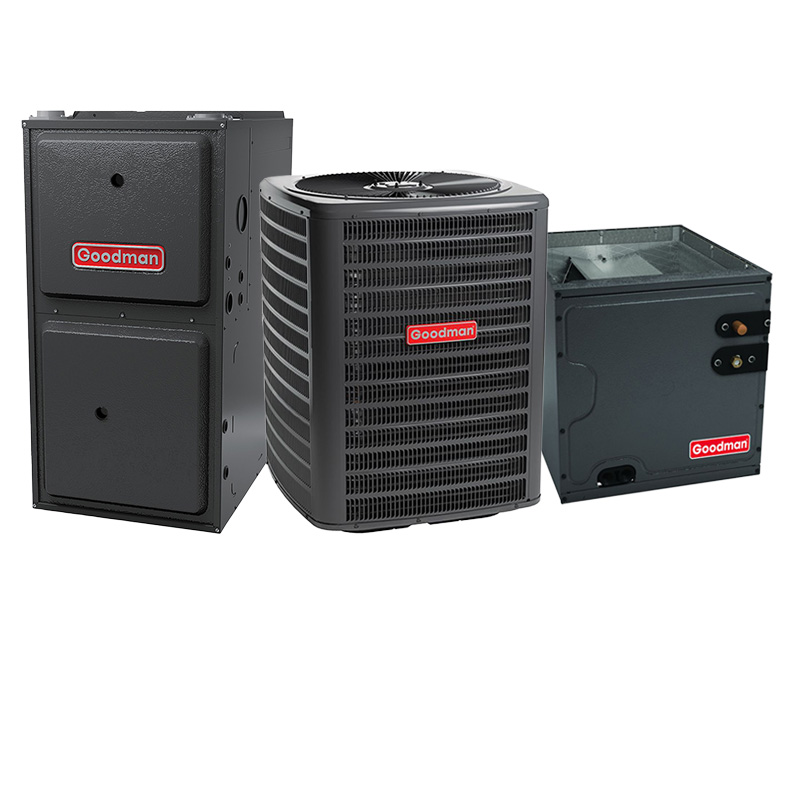
Goodman Furnace AC – 3.5 Ton 15.2 SEER2 AC With 100000 BTU 96% AFUE Multi-Speed ECM Gas Furnace System – Upflow | R32
View on AC Direct see your lowest price →Check current price on AC Direct →
Key features
- 3.5-ton cooling capacity with 15.2 SEER2 efficiency rating
- 100,000 BTU output, 96% AFUE multi-speed ECM gas furnace
- Upflow configuration for basement or ground-level air handler installations
- R-32 refrigerant with lower global warming potential than R-410A
- ECM blower motor reduces electricity use and improves temperature consistency
- Goodman 10-year parts warranty when registered within 60 days of installation
About this system
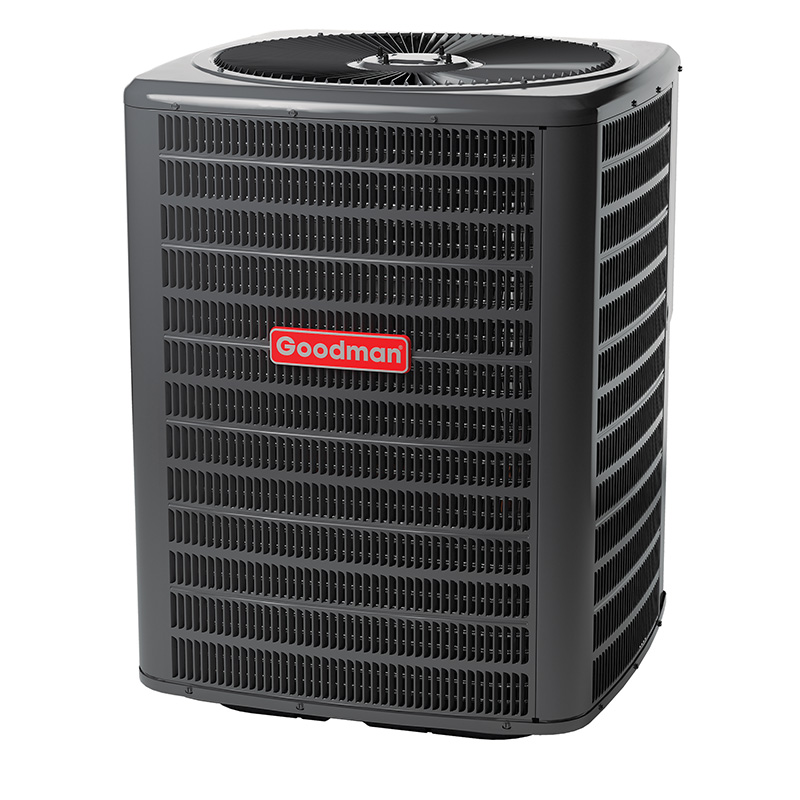
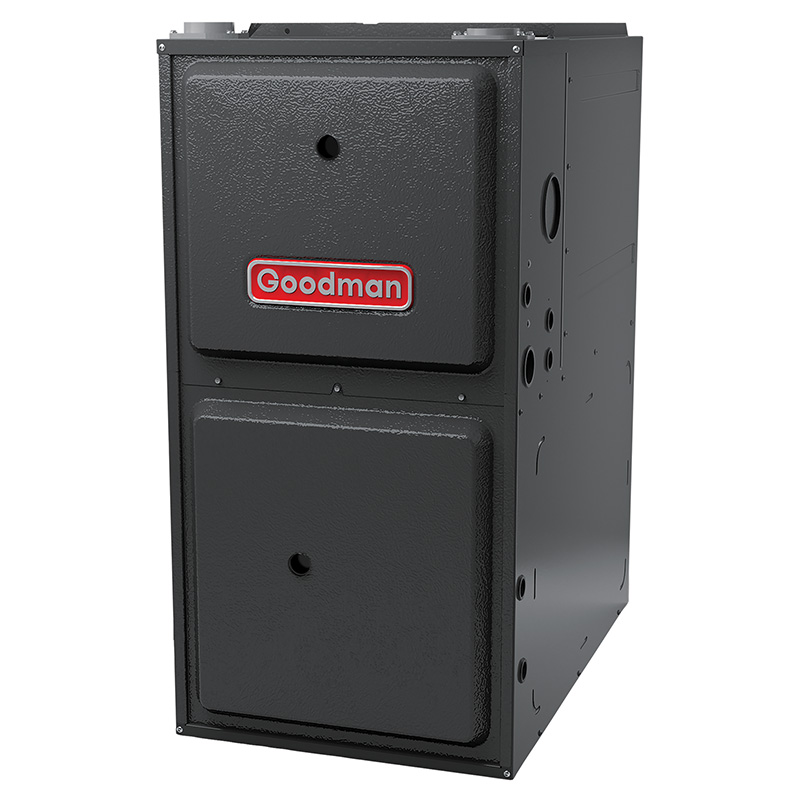
This Goodman bundle pairs a 3.5-ton, 15.2 SEER2 air conditioner with a 100,000 BTU, 96% AFUE multi-speed ECM gas furnace in an upflow configuration. The cooling side lands just above the federal minimum efficiency threshold, which keeps upfront costs reasonable without reaching into premium-tier pricing. The furnace side is genuinely strong: 96% AFUE means nearly all of the fuel you burn converts to usable heat, and the multi-speed ECM blower motor modulates airflow to reduce temperature swings and lower electricity consumption compared to a fixed-speed unit.
The upflow configuration suits the majority of homes where the air handler sits in a basement or ground-level utility closet and distributes conditioned air upward through the duct system. R-32 refrigerant is a more environmentally responsible choice than the older R-410A it replaces, carrying a lower global warming potential, and it is the direction the industry is moving. This system is best suited to homes in the 2,000 to 2,800 square foot range in moderate to cold climates, where the heating output and high-efficiency furnace will carry real weight on annual energy bills. It is not the right pick for mild climates where cooling dominates and a higher SEER2 rating would pay back faster.
The combination of a mid-tier cooling efficiency and a high-efficiency furnace reflects a practical value decision. Buyers who heat with gas more months than they cool will see a faster return on the 96% AFUE spec than on a jump to, say, 17 SEER2. That trade-off is worth understanding before purchase, because the same budget applied to a lower-AFUE furnace with a higher SEER2 coil might suit a warmer climate better.
This Goodman bundle delivers genuinely high furnace efficiency and adequate cooling efficiency at a price point meaningfully below Carrier, Trane, and Lennox equivalents, making it a solid choice for budget-conscious buyers who heat more than they cool. The trade-off is a brand track record that shows real durability gaps after year seven and compressor longevity that trails premium competitors. How long this system lasts will depend heavily on who installs it and how consistently it is maintained.
Overall score is the average of the five ratings above.
What we like
- 96% AFUE furnace cuts fuel waste to 4 cents on the dollar, delivering real savings in cold climates
- 15.2 SEER2 cooling meets current federal standards and qualifies for many utility rebates
- ECM blower motor improves comfort and reduces electricity draw versus single-speed alternatives
- R-32 refrigerant is the forward-compatible choice as the industry phases out R-410A
- Priced roughly 15 to 25 percent below comparable Carrier, Trane, and Lennox systems
Trade-offs
- Dual-run capacitors are the most commonly reported failure point, typically within years five through ten
- Evaporator coil leaks appear in a meaningful share of owner reviews, adding potential repair cost
- Compressor lifespan averages 10 to 14 years, noticeably shorter than the 15 to 20 years cited for premium brands
- A minority of owners report refrigerant leaks within the first year, most often traced to installation or initial charge issues
What homeowners and pros say about Goodman
Goodman sits in an interesting spot with buyers and installers. On Google dealer review pages it averages around 3.8 out of 5 stars across hundreds of reviews per location, and the most consistent praise is straightforward: the equipment costs less than the name-brand alternatives and, when installed correctly, it cools and heats a house without drama for the first several years. Contractors who work on tight project budgets and homeowners replacing older systems without the capital for a premium brand tend to find that the value proposition is real, not just marketing language. On ConsumerAffairs, which draws a disproportionate share of frustrated owners, Goodman scores about 2.5 out of 5, and the complaint pattern is predictable: repair costs start climbing after roughly year seven, and some owners feel the savings on purchase day evaporated by the time they paid for a second or third service call.
For this specific 3.5-ton, 96% AFUE system, the feedback landscape reflects those same patterns. Technicians flag dual-run capacitors as the most common failure point, a relatively inexpensive fix but one that shows up often enough to be worth budgeting for. Evaporator coil leaks are a documented concern across Goodman’s residential line, and compressor longevity in the 10 to 14 year range sits below what premium-brand owners typically report. A small but notable minority of owners have reported refrigerant leaks within the first year, and installers consistently point to charge and connection quality at initial setup as the cause. The takeaway from both camps is consistent: this system rewards a careful installation and routine maintenance, and it penalizes neglect more visibly than a premium-tier unit would.
Sources: ConsumerAffairs Goodman owner reviews, AHRI Directory of Certified Product Performance, U.S. DOE appliance and equipment efficiency standards, Goodman product specification sheets.
What it costs to run
At 15.2 SEER2, cooling this 3.5-ton system for a typical 1200-hour cooling season at the U.S. average electricity rate of $0.17/kWh works out to roughly $564 per year in cooling, about $75 less per year than a minimum-efficiency 13.4 SEER2 unit of the same size. Your real cost depends on your climate and local rate.
Method: (42,000 BTU/hr ÷ 15.2 SEER2) × 1200 hours ÷ 1000 × $0.17/kWh. Rate source: U.S. EIA average; cooling hours: moderate-climate estimate.
How it compares
| Brand | Comparable model | SEER2 | Stage | Price position |
|---|---|---|---|---|
| Goodman | GSXH5 / GMVC96 Series (this system) | 15.2 | Single-stage AC / Multi-speed furnace | Value pick |
| Carrier | Comfort 24ACC6 / 59SC5 Series | 15.2 | Single-stage AC / Multi-speed furnace | Typically 15 to 25 percent more than this Goodman system |
| Trane | XR15 / S9V2 Series | 15.0 to 15.6 | Single-stage AC / Multi-speed furnace | Typically 15 to 25 percent more than this Goodman system |
| Lennox | Merit ML15XC1 / ML296V Series | 15.2 | Single-stage AC / Multi-speed furnace | Typically 15 to 25 percent more than this Goodman system |
Competitor rows are comparable single-stage units at similar efficiency; price is relative position, not a quote.
Questions about this system
Will this system work with my existing R-410A line set and coil?
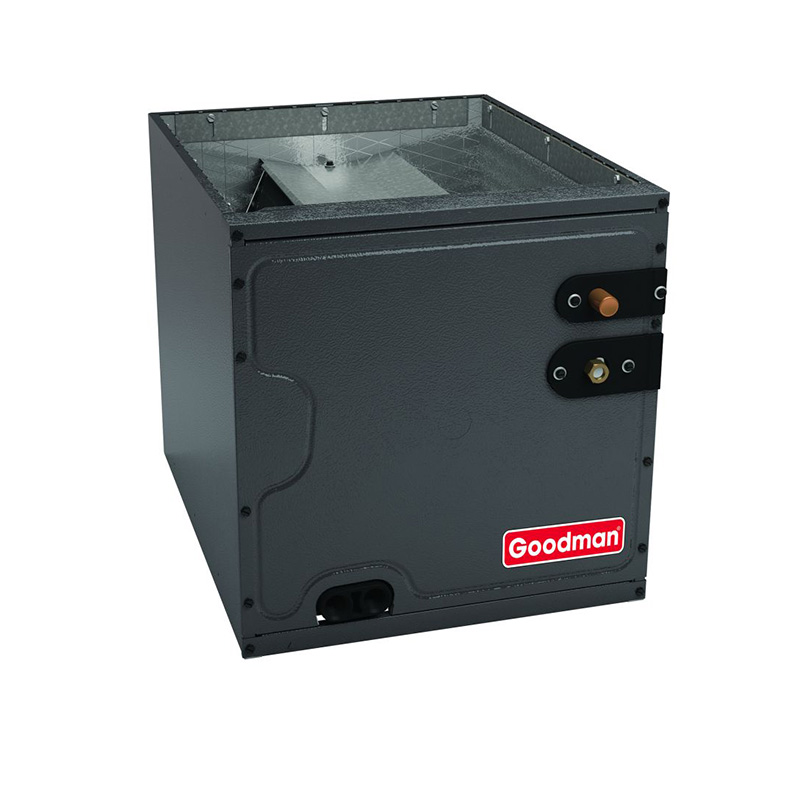
No. R-32 requires a dedicated coil and clean copper line set rated for the refrigerant. Your installer must flush or replace existing line sets and use components specifically approved for R-32. Mixing refrigerants or reusing incompatible parts will void the warranty and create safety risks.
What does the 10-year parts warranty actually cover, and are there conditions?
Goodman's 10-year parts warranty covers the compressor and most functional components when the system is registered online within 60 days of installation by a licensed contractor. Failure to register drops coverage to five years on parts. Labor is never included, so a mid-life compressor replacement could still cost you $1,000 or more out of pocket.
Is 3.5 tons the right size for my home?
Tonnage should be confirmed by a Manual J load calculation performed by your installer, not estimated by square footage alone. Ceiling height, insulation levels, window area, and climate zone all affect the correct size. An oversized unit short-cycles and causes humidity problems; an undersized one runs constantly in peak heat. Ask your contractor to show you the calculation.
How does the multi-speed ECM furnace actually change day-to-day comfort compared to a single-speed unit?
The ECM motor ramps airflow up and down rather than switching between full-blast and off. In practice this means more even temperatures between rooms, quieter operation at lower speeds, and measurably lower electricity consumption on the blower. For a 100,000 BTU furnace running through a cold winter, the electricity savings on the motor alone can offset a portion of the system's cost premium over time.
What are the most likely repair costs I should budget for over the first 10 years?
Based on Goodman's documented failure patterns, a dual-run capacitor replacement is the most probable early repair, typically running $300 to $600 including labor and a quick fix for most technicians. Evaporator coil leaks are a secondary concern and can cost considerably more depending on whether the coil needs replacement. Setting aside a few hundred dollars annually in a maintenance fund is a reasonable precaution with any value-tier brand.
Specifications
| Cooling capacity | 3.5 Ton |
| Efficiency | 15.2 SEER2 |
| Furnace output | 100000 BTU |
| Furnace efficiency | 96% AFUE |
| Configuration | Upflow |
| Refrigerant | R-32 |