Goodman Furnace AC – 3.5 Ton 15.2 SEER2 AC With 120000 BTU 96% AFUE Multi-Speed ECM Gas Furnace System – Upflow | R32
View on AC Direct see your lowest price →Check current price on AC Direct →
Key features
- 3.5-ton cooling capacity, 15.2 SEER2 rated efficiency
- 120,000 BTU output, 96% AFUE condensing gas furnace
- Multi-speed ECM blower motor reduces energy use and improves humidity control
- Upflow configuration for basement or ground-level installs with overhead duct systems
- R-32 refrigerant with lower global-warming potential than R-410A
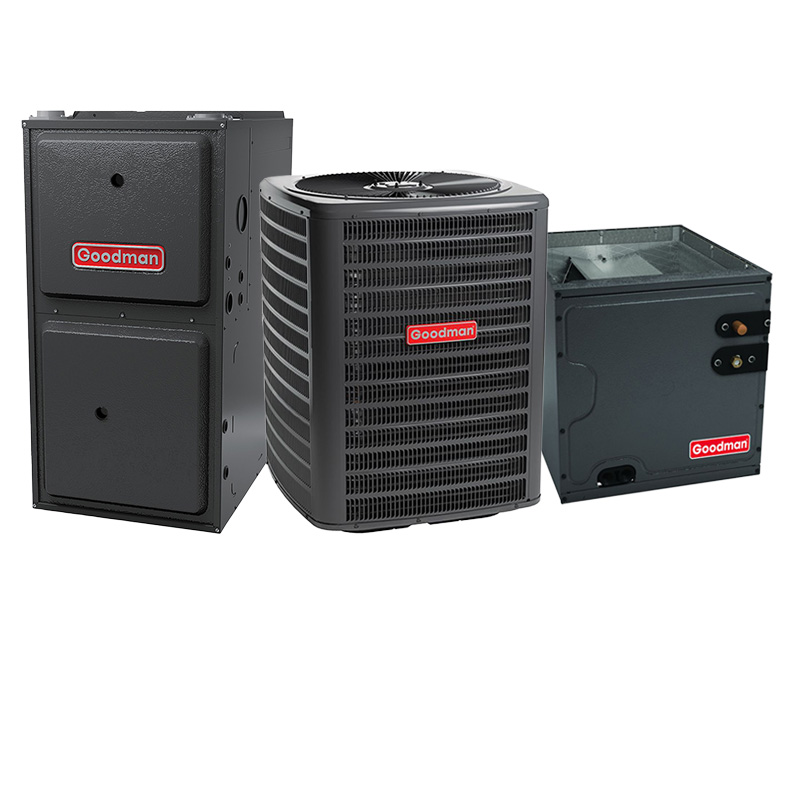
- Factory-matched system engineered to meet AHRI certified performance ratings as a pair
About this system
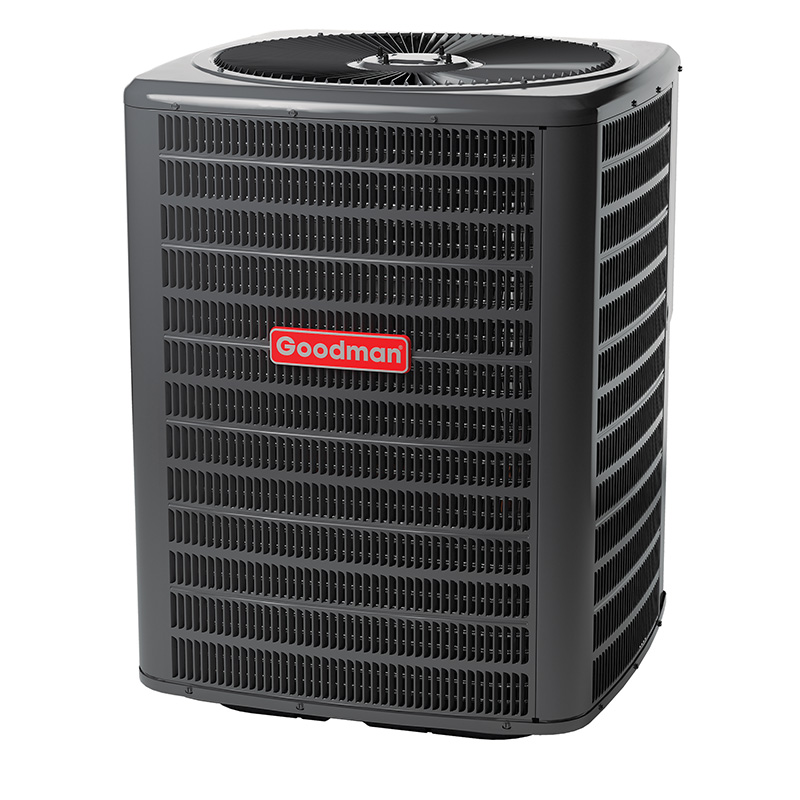
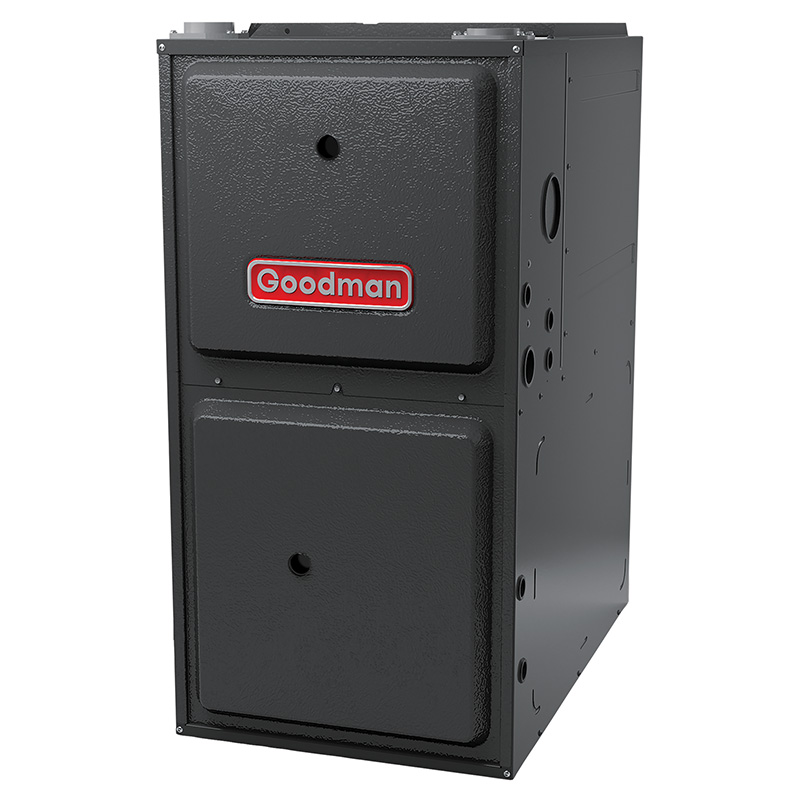
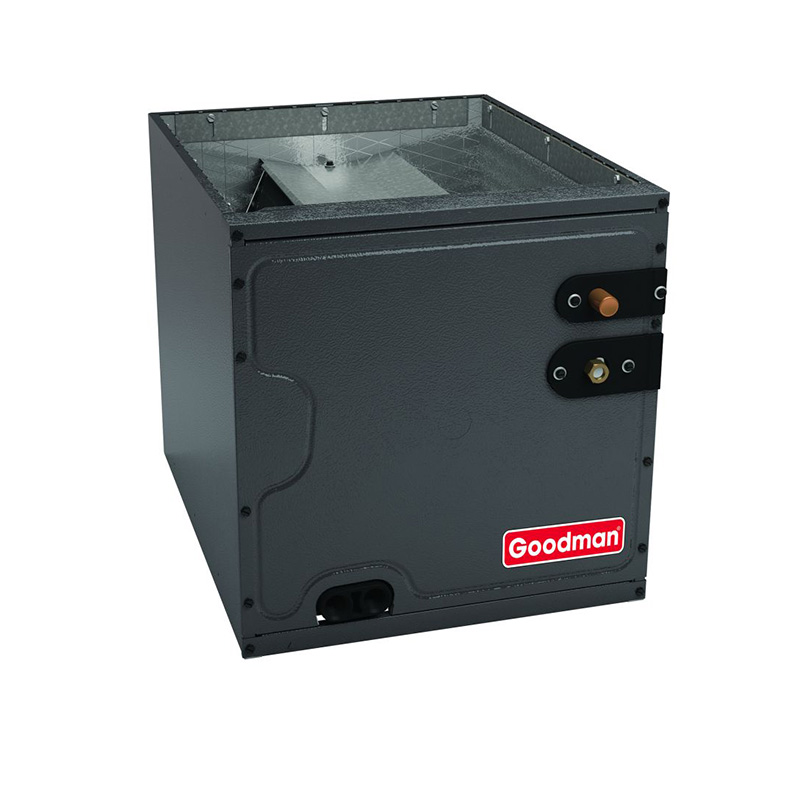
This Goodman bundle pairs a 3.5-ton, 15.2 SEER2 central air conditioner with a 120,000 BTU, 96% AFUE multi-speed ECM gas furnace in an upflow configuration. The cooling side clears the federally mandated minimum efficiency floor and lands in the lower tier of mid-efficiency equipment, which is adequate for most climates but not exceptional in regions with long cooling seasons where higher SEER2 ratings pay back more quickly. The furnace side is the stronger half of this package: 96% AFUE means only 4% of combustion energy escapes as exhaust, putting it firmly in the condensing-furnace category and qualifying it in most states for modest utility rebates. The multi-speed ECM blower motor adjusts airflow more precisely than a single-speed unit, which reduces temperature swings, lowers blower electricity use, and supports better humidity control during cooling mode.
The upflow configuration routes conditioned air upward through supply ducts above the air handler, which suits homes with duct systems in the attic or upper floors and furnaces installed in a basement or ground-floor mechanical closet. R-32 refrigerant is a lower global-warming-potential alternative to the R-410A it largely replaces, and it requires technicians who are certified and equipped to work with it, so factor that into your service planning. At 120,000 BTU this furnace is sized for larger homes, typically 2,800 to 4,000 square feet in colder climates, though a proper Manual J load calculation by your installer is the only reliable way to confirm the right size for your specific house. Oversizing a furnace shortens cycles, increases wear, and undermines comfort.
This Goodman system delivers a capable, code-compliant cooling and high-efficiency heating package at a price point that typically undercuts comparable Carrier, Trane, and Lennox systems by 15 to 25 percent. The 96% AFUE furnace with an ECM motor is genuinely competitive on paper, but long-term ownership costs depend heavily on installation quality and the luck of component longevity, two areas where Goodman's track record is more variable than premium brands. It is a reasonable choice for buyers working within a real budget who hire a skilled installer and are comfortable with the possibility of earlier component service.
Overall score is the average of the five ratings above.
What we like
- 96% AFUE condensing furnace meaningfully cuts heating costs versus 80% AFUE equipment
- Multi-speed ECM blower improves comfort and lowers blower motor electricity draw
- Factory-matched pair carries AHRI certified efficiency ratings as a system
- R-32 refrigerant has roughly one-third the global warming potential of R-410A
- Purchase price is typically 15 to 25 percent below equivalent Trane, Lennox, and Carrier systems
Trade-offs
- Dual-run capacitors are the most frequently reported failure point and can appear before year 7
- Evaporator coil leaks show up in a meaningful share of owner reports, a potential mid-life expense
- Compressor lifespan averages 10 to 14 years versus 15 to 20 years for premium-brand compressors
- A minority of owners report refrigerant leaks within the first year, typically tied to install or charge issues
What homeowners and pros say about Goodman
Homeowners who chose Goodman equipment most often point to the lower purchase price as the deciding factor, and that tracks with Google dealer review scores that average around 3.8 out of 5, where affordability is the most commonly cited reason for satisfaction. The feedback shifts as systems age. ConsumerAffairs, a platform that draws a disproportionate share of frustrated owners, rates Goodman around 2.5 out of 5, and the recurring complaint is that repair costs start to stack up after roughly year 7. The two failure modes that appear most consistently in owner reports are dual-run capacitor failures, typically a 300 to 600 dollar fix that many owners describe as manageable, and evaporator coil leaks, which are a more significant expense and more disruptive to repair. A smaller group of owners describes refrigerant leaks within the first year, which HVAC technicians generally attribute to installation or initial charge problems rather than a manufacturing defect.
HVAC professionals tend to hold a more nuanced view of this specific bundle. The 96% AFUE condensing furnace with a multi-speed ECM blower is considered a legitimate mid-tier product that performs as rated when installed correctly. Technicians consistently say that installation quality is the single biggest determinant of how long a Goodman system lasts, more so than with premium-brand equipment that tolerates a wider range of field conditions. Pros also note that the documented compressor lifespan for Goodman units, averaging 10 to 14 years against 15 to 20 years for Trane, Carrier, and Lennox compressors, is a real gap that can affect the total cost of ownership over a 15-year horizon. For buyers who hire a skilled installer, keep up with maintenance, and go in with clear expectations, this system can deliver solid value. For those who want to minimize the odds of a mid-cycle compressor or coil replacement, the premium brands carry a stronger track record.
Sources: ConsumerAffairs Goodman owner reviews, AHRI Directory of Certified Product Performance, U.S. DOE appliance and equipment efficiency standards, Goodman product specification sheets.
What it costs to run
At 15.2 SEER2, cooling this 3.5-ton system for a typical 1200-hour cooling season at the U.S. average electricity rate of $0.17/kWh works out to roughly $564 per year in cooling, about $75 less per year than a minimum-efficiency 13.4 SEER2 unit of the same size. Your real cost depends on your climate and local rate.
Method: (42,000 BTU/hr ÷ 15.2 SEER2) × 1200 hours ÷ 1000 × $0.17/kWh. Rate source: U.S. EIA average; cooling hours: moderate-climate estimate.
How it compares
| Brand | Comparable model | SEER2 | Stage | Price position |
|---|---|---|---|---|
| Goodman | 3.5 Ton 15.2 SEER2 AC / 120,000 BTU 96% AFUE Multi-Speed ECM Furnace | 15.2 | Single-stage / Multi-speed | Value pick |
| Carrier | Performance 15 Series (24ACC6) with 96% AFUE Performance Gas Furnace | 15.2 | Single-stage | Typically 15 to 25 percent more than this Goodman bundle |
| Trane | XR15 (4TTR5) with S9X2 96% AFUE Gas Furnace | 15.2 | Single-stage | Typically 15 to 25 percent more than this Goodman bundle |
| Lennox | Merit 14ACX with ML196E 96% AFUE Gas Furnace | 15.2 | Single-stage | Typically 15 to 25 percent more than this Goodman bundle |
Competitor rows are comparable single-stage units at similar efficiency; price is relative position, not a quote.
Questions about this system
Is 15.2 SEER2 efficient enough, or should I step up to a higher rating?
15.2 SEER2 meets current federal minimums and is adequate for moderate climates with shorter cooling seasons. In hot southern states where air conditioning runs five or more months a year, stepping to 17 or 18 SEER2 equipment can shorten the payback period on the higher upfront cost. Run a simple annual operating cost comparison using your local electricity rate and estimated cooling hours before deciding.
Will any certified HVAC technician be able to service the R-32 refrigerant in this system?
Not automatically. R-32 requires technicians to have standard EPA 608 certification, but it also requires equipment specifically rated for use with mildly flammable A2L refrigerants. Most established HVAC companies have already updated their tools and training, but it is worth confirming with any service contractor before scheduling work.
The furnace is 120,000 BTU, but how do I know that is the right size for my home?
You need a Manual J load calculation performed by your installer before equipment is ordered. Square footage is only a rough starting point; insulation levels, window area, climate zone, and duct design all affect the correct size. An oversized furnace short-cycles, increases wear on the heat exchanger and blower, and delivers uneven comfort.
Goodman has mixed reviews online. Should that concern me for a system this size?
Goodman's ConsumerAffairs score sits around 2.5 out of 5, though that platform skews heavily toward complaints. Google dealer reviews average closer to 3.8 out of 5, where affordability is the most cited positive. The real pattern in owner feedback is that repair needs tend to climb after year 7, with capacitors and evaporator coils as the most common issues. Budget for a service agreement or a small repair fund if long-term peace of mind matters to you.
What warranty does this Goodman system carry, and are there any registration requirements?
Goodman typically offers a 10-year parts warranty when the equipment is registered within a set window after installation, often 60 days. Failing to register usually reduces coverage to a shorter base period. The compressor may carry a separate limited warranty. Review the specific warranty documents included with your unit and register promptly, because an unregistered system on a product of this price and size leaves meaningful coverage on the table.
Specifications
| Cooling capacity | 3.5 Ton |
| Efficiency | 15.2 SEER2 |
| Furnace output | 120000 BTU |
| Furnace efficiency | 96% AFUE |
| Configuration | Upflow |
| Refrigerant | R-32 |