Goodman Furnace AC – 3.5 Ton 15 SEER2 AC With 120000 BTU 96% AFUE Multi-Speed ECM Gas Furnace System – Horizontal | R32
View on AC Direct see your lowest price →Check current price on AC Direct →
Key features
- 3.5-ton cooling capacity with 15 SEER2 efficiency rating
- 120,000 BTU gas furnace rated at 96% AFUE for high-efficiency heating
- Multi-speed ECM blower motor reduces electricity use and improves comfort
- Horizontal configuration for attic or crawlspace installations
- R-32 refrigerant with lower global warming potential than R-410A
- Bundled system with matched coil, reducing compatibility guesswork
About this system
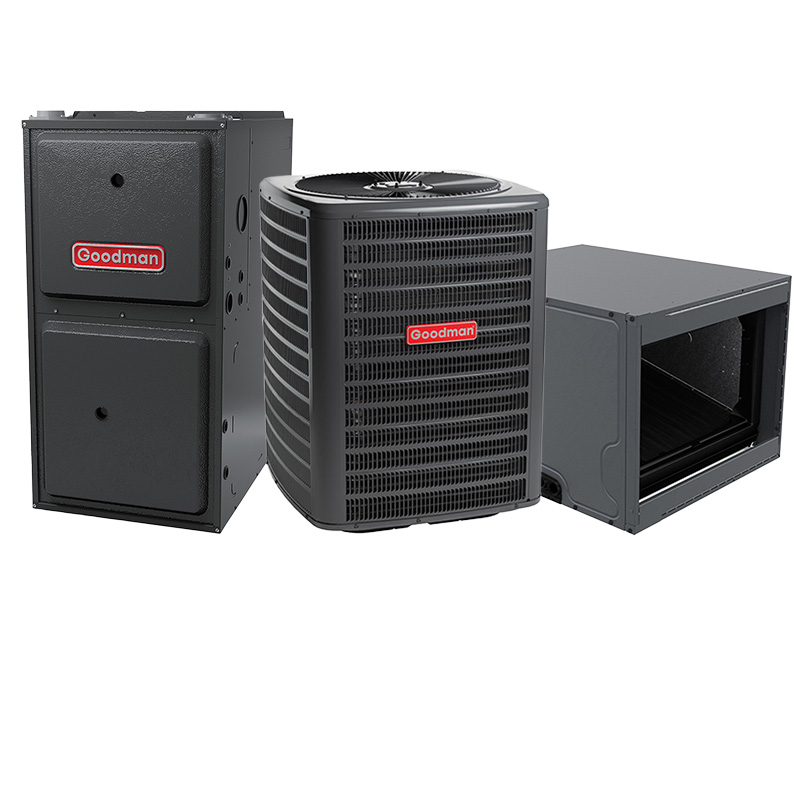
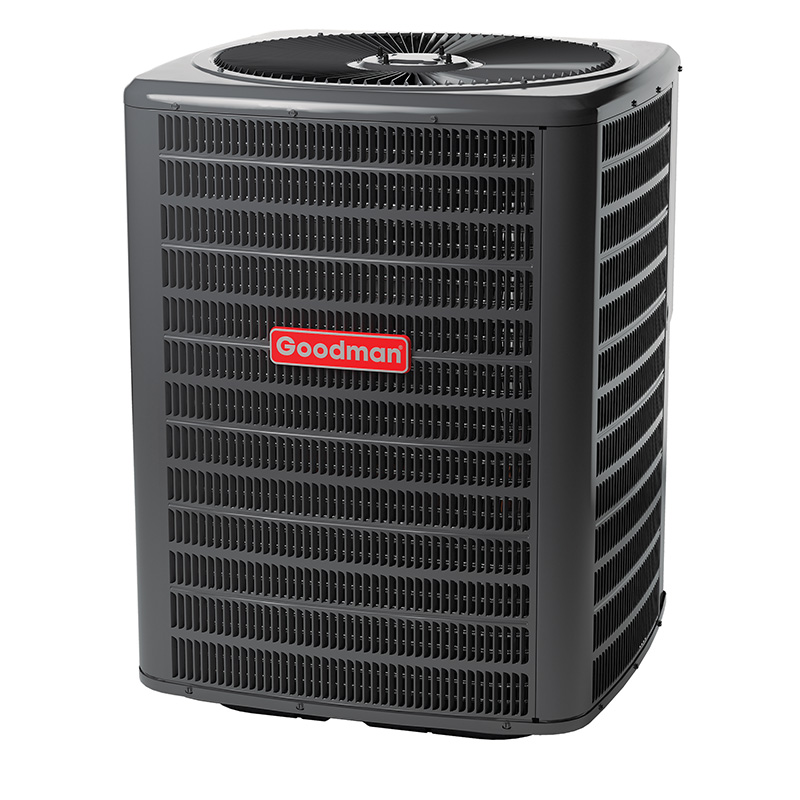
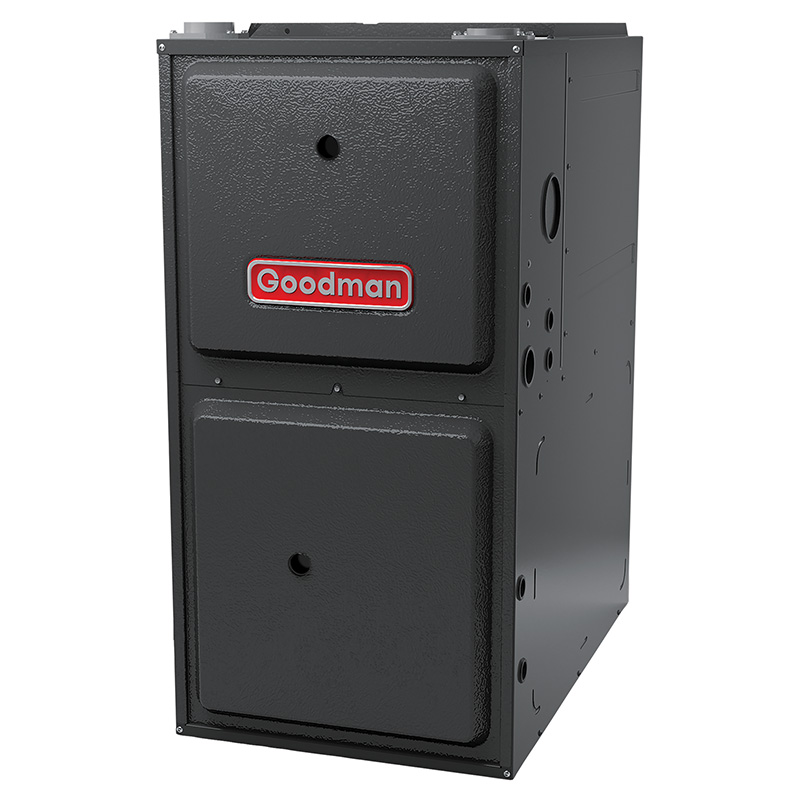
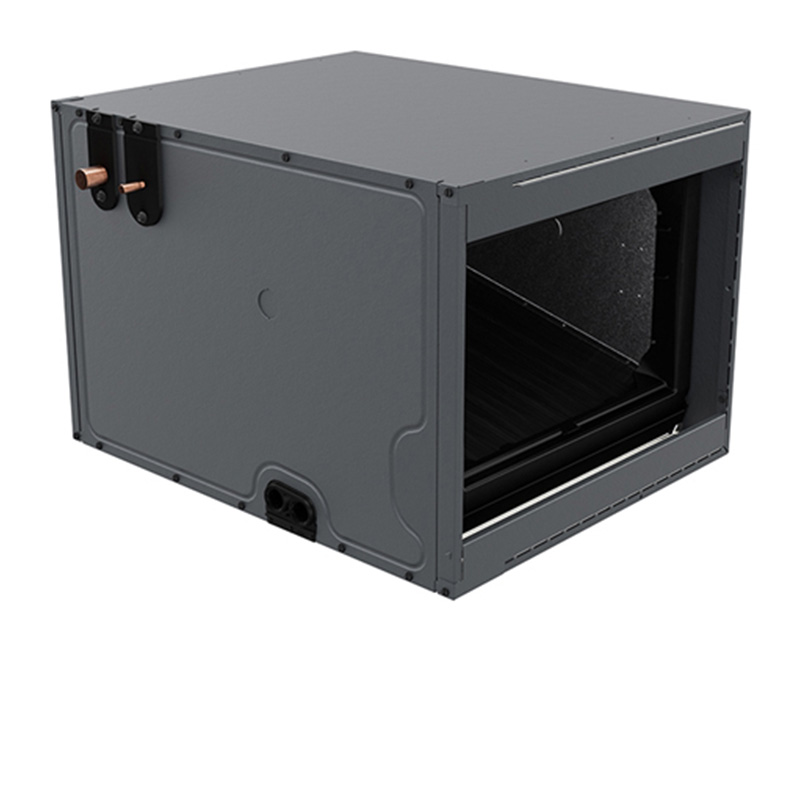
This Goodman bundle pairs a 3.5-ton, 15 SEER2 central air conditioner with a 120,000 BTU, 96% AFUE multi-speed ECM gas furnace configured for horizontal installation. The combination is aimed at larger homes, typically in the 2,000 to 2,800 square-foot range depending on climate and insulation, where high heating capacity matters as much as summer cooling. The horizontal orientation makes it a practical fit for attic or crawlspace installations where vertical clearance is limited.
The 96% AFUE rating means roughly 96 cents of every dollar spent on gas goes toward usable heat, putting this furnace in the high-efficiency tier without reaching the condensing-unit complexity of a 98% model. The multi-speed ECM blower motor runs at lower speeds during mild conditions, which reduces electricity consumption compared to a single-speed motor and contributes to more consistent temperature distribution. R-32 refrigerant has a lower global warming potential than the R-410A it replaces and is becoming the new industry baseline. At 15 SEER2, the AC meets federal minimum efficiency standards for most northern and some southern regions, though it sits at the lower end of what Goodman offers, so buyers in hot climates running the system heavily all summer may want to price a 17 or 18 SEER2 option before committing.
This Goodman combo delivers solid efficiency specs at a price point that typically undercuts Carrier, Trane, and Lennox by 15 to 25 percent, making it a reasonable value for budget-conscious buyers who secure a skilled installer. The trade-off is a documented history of capacitor failures, coil leak reports, and compressor longevity that falls short of premium brands, so owners should budget for maintenance and consider extended coverage.
Overall score is the average of the five ratings above.
What we like
- 96% AFUE furnace keeps heating bills competitive in cold climates
- ECM multi-speed blower improves comfort and lowers blower electricity costs vs. single-speed
- R-32 refrigerant is modern, increasingly supported by HVAC technicians
- Horizontal config solves installation constraints that vertical units cannot
- Bundled, matched system simplifies equipment selection and can streamline install
Trade-offs
- Dual-run capacitors are the most commonly reported failure, typically appearing after the first few years of use
- Evaporator coil leaks appear in a meaningful share of owner accounts and can be costly to address
- Compressor lifespan averages 10 to 14 years versus 15 to 20 for premium-brand compressors
- 15 SEER2 is the federal minimum threshold for many regions, offering limited long-term savings over higher-efficiency alternatives
What homeowners and pros say about Goodman
Homeowners who track their experience online tend to land in two camps with Goodman equipment. On Google dealer reviews, where the brand averages around 3.8 out of 5 stars, the most consistent praise is straightforward: the system cost noticeably less than competing bids and it works as described. On ConsumerAffairs, where the score drops to roughly 2.5 out of 5, the feedback skews toward owners who are deep into year seven or beyond and facing repair bills that have started to erode the original savings. The specific failure modes that appear repeatedly in both channels are dual-run capacitor failures, evaporator coil leaks, and, in a smaller subset of cases, refrigerant leaks showing up within the first year, which most HVAC technicians attribute to installation or initial charge issues rather than a factory defect.
Among HVAC professionals, the conversation about Goodman tends to center less on the equipment itself and more on how it is put in. Technicians who work on a range of brands regularly note that a carefully installed Goodman will outperform a carelessly installed premium unit, and that the documented compressor lifespan of 10 to 14 years, versus 15 to 20 years for top-tier brands, is partly a reflection of how these systems are maintained rather than purely a manufacturing gap. For this particular horizontal configuration, pros add that attic installs require extra attention to drainage, clearances, and ambient temperature management, and that skipping those details is where problems tend to start regardless of brand. The consensus among experienced installers is that Goodman is a workable choice when the budget is firm and the installer is competent, but not a set-and-forget investment in the way some premium brands can be.
Sources: ConsumerAffairs Goodman owner reviews, AHRI Directory of Certified Product Performance, U.S. DOE appliance and equipment efficiency standards, Goodman product specification sheets.
What it costs to run
At 15 SEER2, cooling this 3.5-ton system for a typical 1200-hour cooling season at the U.S. average electricity rate of $0.17/kWh works out to roughly $571 per year in cooling, about $68 less per year than a minimum-efficiency 13.4 SEER2 unit of the same size. Your real cost depends on your climate and local rate.
Method: (42,000 BTU/hr ÷ 15 SEER2) × 1200 hours ÷ 1000 × $0.17/kWh. Rate source: U.S. EIA average; cooling hours: moderate-climate estimate.
How it compares
| Brand | Comparable model | SEER2 | Stage | Price position |
|---|---|---|---|---|
| Goodman | GLXS4BA42 / GCVC961205DN (this system) | 15 | Multi-speed | Value pick |
| Carrier | Comfort 15 Series (24ACC6) | 15 | Single-stage | Typically 15 to 25 percent more than this Goodman bundle |
| Trane | XR15 Series (4TTR5) | 15 | Single-stage | Typically 15 to 25 percent more than this Goodman bundle |
| Lennox | Merit ML15XC1 Series | 15 | Single-stage | Typically 15 to 25 percent more than this Goodman bundle |
Competitor rows are comparable single-stage units at similar efficiency; price is relative position, not a quote.
Questions about this system
Is 120,000 BTU more furnace than a 3.5-ton AC system typically needs?
Possibly, yes. A 3.5-ton AC is sized for roughly 1,800 to 2,800 square feet depending on climate, but a 120,000 BTU furnace is often specified for larger or colder-climate homes. If your Manual J heat load calculation calls for significantly less, an oversized furnace will short-cycle, reducing efficiency and comfort. Have your contractor confirm sizing before purchase.
How common are capacitor failures on Goodman systems and what does repair cost?
Dual-run capacitor failure is the most frequently reported Goodman repair issue and tends to show up after the first several years of operation. The repair is generally straightforward and typically runs in the 300 to 600 dollar range including labor, making it one of the less expensive HVAC fixes.
Does the horizontal configuration affect efficiency or performance compared to a vertical setup?
Orientation itself does not change the rated efficiency numbers, but horizontal installs in attics can expose the system to greater temperature extremes, which may stress components over time. Proper insulation of the air handler space and ensuring adequate condensate drainage are important considerations for horizontal attic installs.
What does R-32 refrigerant mean for me as an owner compared to older R-410A systems?
R-32 has a lower global warming potential and is being adopted across the industry as R-410A is phased down. For owners, the practical difference is minimal in day-to-day operation, though you should confirm your servicing technician has the equipment and certification to handle R-32 before scheduling future maintenance.
How long should I realistically expect the compressor to last?
Based on documented owner experience with Goodman equipment, compressors tend to average 10 to 14 years, which is shorter than the 15 to 20 years often cited for premium-brand compressors. Keeping up with filter changes, annual coil cleaning, and capacitor checks can help maximize that lifespan.
Specifications
| Cooling capacity | 3.5 Ton |
| Efficiency | 15 SEER2 |
| Furnace output | 120000 BTU |
| Furnace efficiency | 96% AFUE |
| Configuration | Horizontal |
| Refrigerant | R-32 |