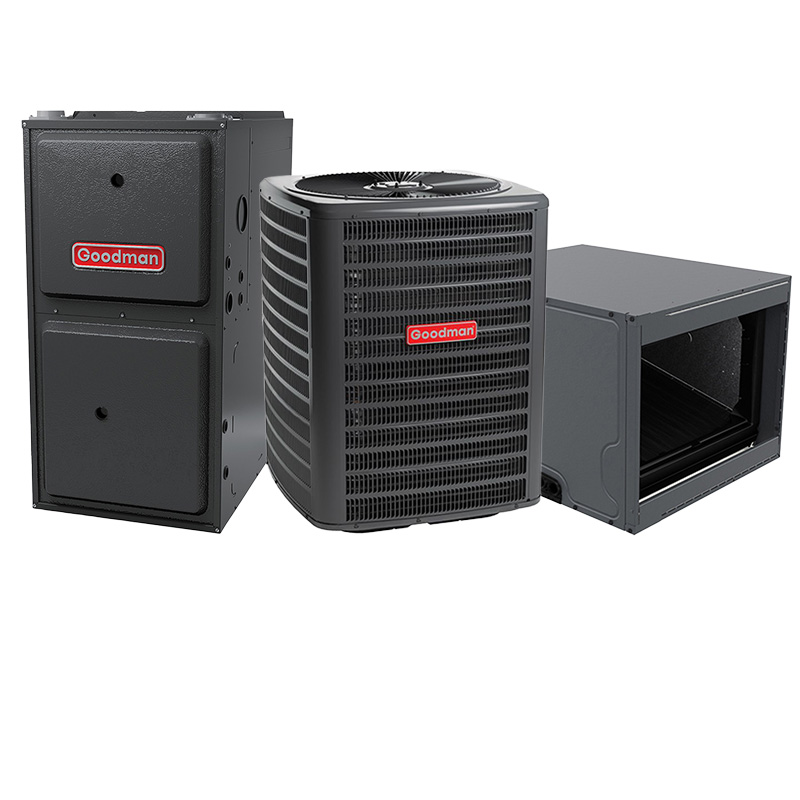
Goodman Furnace AC – 3.5 Ton 15.2 SEER2 AC With 100000 BTU 96% AFUE Multi-Speed ECM Gas Furnace System – Horizontal | R32
View on AC Direct see your lowest price →Check current price on AC Direct →
Key features
- 3.5-ton cooling capacity with 15.2 SEER2 efficiency rating
- 100,000 BTU furnace at 96% AFUE for high-efficiency gas heating
- Multi-speed ECM blower motor for improved humidity control and lower fan electricity use
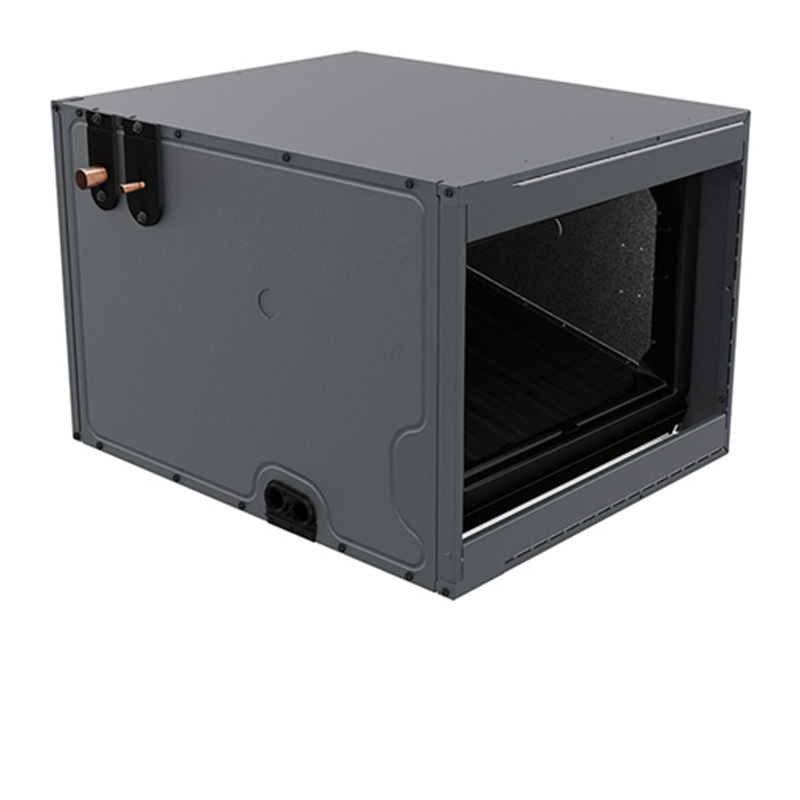
- Horizontal configuration designed for attic or crawl-space installations
- R-32 refrigerant, a lower global-warming-potential alternative to R-410A
- Factory-matched system engineered for rated performance when properly installed
About this system
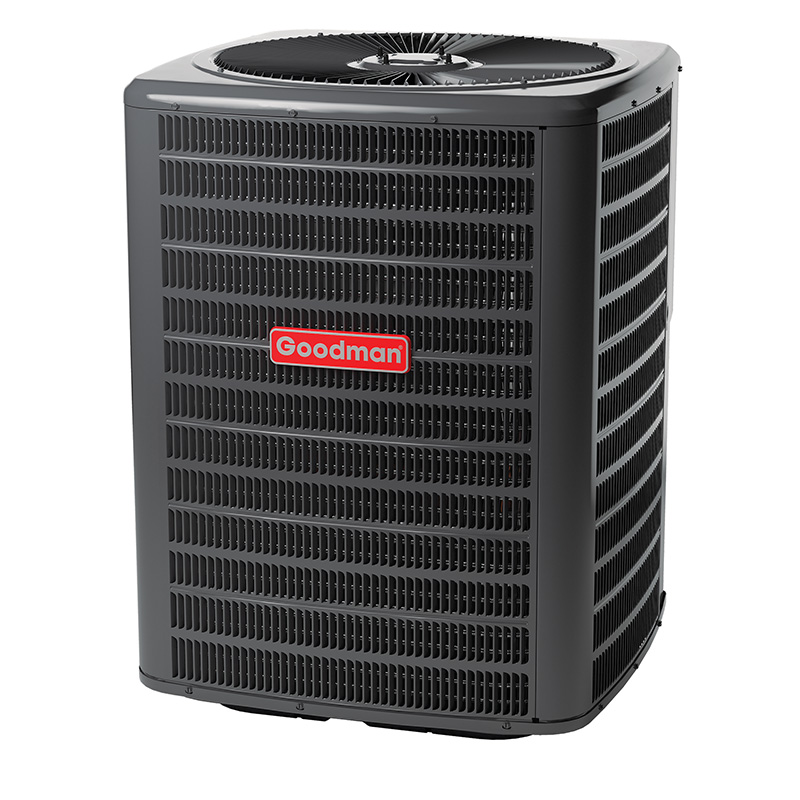
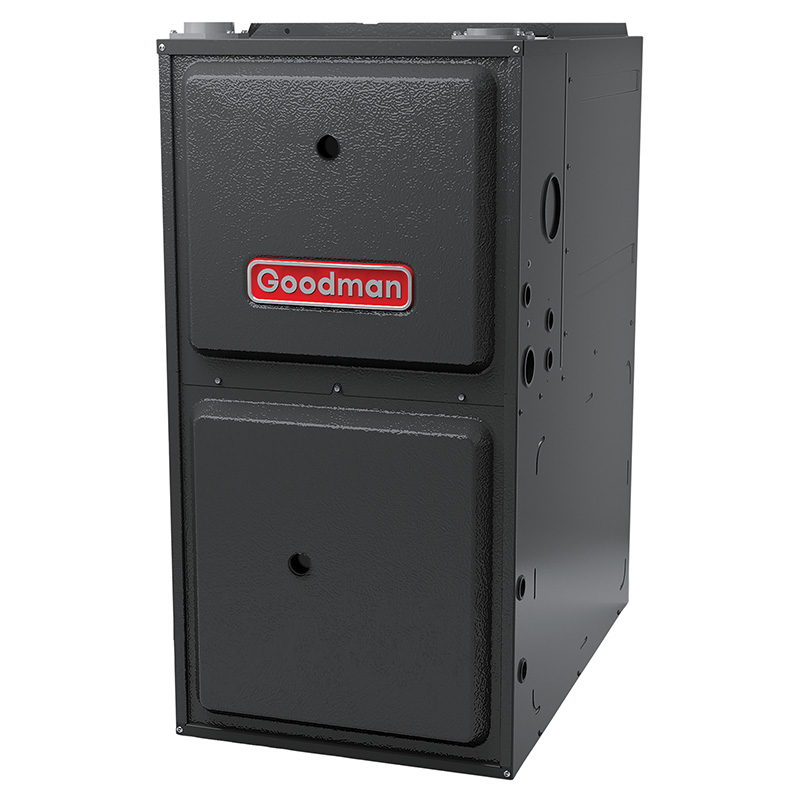
This Goodman combination system pairs a 3.5-ton, 15.2 SEER2 air conditioner with a 100,000 BTU, 96% AFUE multi-speed ECM gas furnace in a horizontal configuration, making it a purpose-built solution for attic or crawl-space installations where vertical clearance is limited. The R-32 refrigerant charge is a forward-looking choice: R-32 has a lower global warming potential than the R-410A it replaces, and it is increasingly common in new equipment as the industry moves away from older refrigerants. At 15.2 SEER2, efficiency sits just above the federal minimums that took effect in 2023, meaning you get a meaningful step up from entry-level gear without paying for the premium efficiency tiers that take many years to recoup in energy savings.
The 96% AFUE rating on the furnace is a genuine high-efficiency figure, meaning roughly 96 cents of every dollar spent on gas becomes usable heat. The multi-speed ECM blower motor is one of the better features at this price point: it ramps airflow up and down rather than running full blast or nothing, which helps with humidity control, reduces temperature swings, and cuts blower electricity consumption compared with a standard PSC motor. This system suits homeowners in mid-size to larger homes, roughly 1,800 to 2,800 square feet depending on climate zone and insulation, who want solid efficiency without stretching to premium-brand pricing and who have a qualified installer lined up ahead of time.
This Goodman bundle delivers genuinely good efficiency specs at a price point that is typically 15 to 25 percent below comparable Trane, Lennox, and Carrier systems, and the ECM motor and 96% AFUE furnace are legitimate upgrades over base-tier equipment. The trade-off is a brand with a mixed long-term reliability record and compressor longevity that tends to lag premium competitors, so the value proposition depends heavily on who installs it and whether you are prepared for possible repair costs after year seven.
Overall score is the average of the five ratings above.
What we like
- Priced 15 to 25 percent below comparable Carrier, Trane, and Lennox systems
- 96% AFUE furnace is a true high-efficiency rating with real heating-cost impact
- ECM multi-speed blower improves comfort and reduces blower motor energy use
- R-32 refrigerant is a more environmentally responsible choice than R-410A
- Horizontal layout solves installation in attics and crawl spaces where vertical units cannot fit
Trade-offs
- Dual-run capacitors are the most commonly reported failure, typically occurring within the first several years and costing $300 to $600 to fix
- Evaporator coil leaks appear in a meaningful share of owner reviews and can be expensive to address
- Compressor lifespan averages 10 to 14 years versus 15 to 20 years for premium-brand compressors
- A minority of owners report refrigerant leaks in the first year, typically tied to installation quality rather than the equipment itself
What homeowners and pros say about Goodman
Homeowners who have lived with Goodman equipment tend to land in one of two camps. Those who had a careful installation and kept up with basic maintenance often report years of trouble-free operation and point to the upfront savings as a genuine win. Those who ran into problems generally describe the frustration of repair bills climbing after year seven or eight, which aligns with the recurring theme in the brand’s ConsumerAffairs score of roughly 2.5 out of 5, a platform that skews toward people motivated enough by a bad experience to write a review. Google dealer reviews paint a more moderate picture, averaging around 3.8 out of 5 across hundreds of reviews per location, where affordability is the single most common reason for a positive rating.
HVAC technicians who work on Goodman equipment regularly are generally not dismissive of the brand, but they are consistent about one thing: install quality makes or breaks it. The most frequently documented failure on the AC side is the dual-run capacitor, a relatively inexpensive fix in the $300 to $600 range that many techs describe as routine on any brand but more common on Goodman units after several years of use. Evaporator coil leaks are a more serious documented issue and show up in a meaningful share of owner accounts over time. Compressor longevity is another honest concern: Goodman compressors tend to average 10 to 14 years in the field, which falls short of the 15 to 20 years owners of premium-brand systems often see. For this horizontal R-32 system specifically, confirming your contractor has experience with both horizontal installs and R-32 refrigerant handling is a practical step worth taking before signing any contract.
Sources: ConsumerAffairs Goodman owner reviews, AHRI Directory of Certified Product Performance, U.S. DOE appliance and equipment efficiency standards, Goodman product specification sheets.
What it costs to run
At 15.2 SEER2, cooling this 3.5-ton system for a typical 1200-hour cooling season at the U.S. average electricity rate of $0.17/kWh works out to roughly $564 per year in cooling, about $75 less per year than a minimum-efficiency 13.4 SEER2 unit of the same size. Your real cost depends on your climate and local rate.
Method: (42,000 BTU/hr ÷ 15.2 SEER2) × 1200 hours ÷ 1000 × $0.17/kWh. Rate source: U.S. EIA average; cooling hours: moderate-climate estimate.
How it compares
| Brand | Comparable model | SEER2 | Stage | Price position |
|---|---|---|---|---|
| Goodman | 3.5-Ton 15.2 SEER2 AC + 96% AFUE ECM Furnace (Horizontal, R-32) | 15.2 | Multi-speed | Value pick |
| Carrier | Comfort Series (CA16 AC + 96% AFUE 58MVC Furnace) | 15.2 | Single-stage / multi-speed | Typically 15 to 20 percent more than this Goodman system |
| Trane | XR15 AC + S9V2 96% AFUE Furnace | 15.2 | Single-stage / variable-speed | Typically 20 to 25 percent more than this Goodman system |
| Lennox | Merit Series (ML14XC1 AC + SLP98V Furnace) | 15.0 to 15.5 | Single-stage / variable-speed | Typically 20 to 30 percent more than this Goodman system |
Competitor rows are comparable single-stage units at similar efficiency; price is relative position, not a quote.
Questions about this system
Why does this system use a horizontal configuration, and can it be installed vertically?
This unit is specifically engineered for horizontal airflow, which suits attic installations or tight crawl spaces where a vertical cabinet would not fit. Using it in a vertical orientation is not recommended and can affect drainage, airflow, and potentially void the warranty. If you need vertical mounting, Goodman offers separate upflow and downflow models.
Is R-32 refrigerant harder or more expensive to service than R-410A?
R-32 requires technicians to use equipment rated for it, and not every older service van will be set up for it yet, so you may want to confirm your HVAC contractor works with R-32 before choosing this system. Refrigerant costs can vary, but R-32 is increasingly available as more manufacturers adopt it. The main advantage is its lower environmental impact, not a service cost savings.
What does the ECM multi-speed blower actually do differently from a standard motor?
An ECM motor adjusts its speed based on system demand rather than running at a fixed high speed, which smooths out temperature swings, helps remove more humidity during cooling cycles, and uses significantly less electricity than a standard PSC motor at lower speeds. For homes in humid climates or with comfort complaints, this is one of the more practical upgrades available at this price tier.
How much of Goodman's reliability depends on who installs it?
Technicians consistently cite install quality as the single biggest factor in how long a Goodman system lasts. Proper refrigerant charge, correct airflow setup, and a level horizontal install are all critical, and a minority of reported first-year refrigerant leaks trace back to installation rather than the equipment itself. Getting multiple bids from licensed contractors with experience on Goodman equipment is genuinely important with this brand.
What should I budget for potential repairs over the first ten years?
The most common repair on Goodman cooling equipment is a dual-run capacitor replacement, which typically runs $300 to $600 and is generally a quick fix. Evaporator coil leaks and compressor issues are more expensive and appear in a meaningful share of long-term owner reviews, with costs varying widely. Setting aside a service fund or purchasing an extended warranty after the manufacturer period ends is a reasonable precaution with this brand.
Specifications
| Cooling capacity | 3.5 Ton |
| Efficiency | 15.2 SEER2 |
| Furnace output | 100000 BTU |
| Furnace efficiency | 96% AFUE |
| Configuration | Horizontal |
| Refrigerant | R-32 |