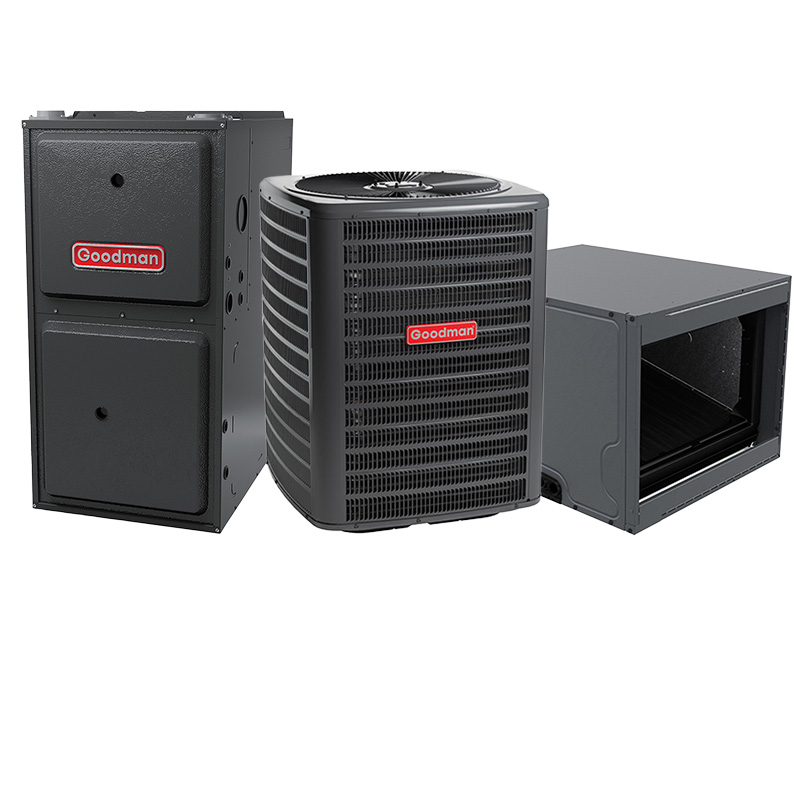
Goodman Furnace AC – 3 Ton 15.2 SEER2 AC With 100000 BTU 96% AFUE Multi-Speed ECM Gas Furnace System – Horizontal | R32
View on AC Direct see your lowest price →Check current price on AC Direct →
Key features
- 3-ton cooling capacity with 15.2 SEER2 efficiency rating
- 100,000 BTU gas furnace at 96% AFUE, high-efficiency tier
- Multi-speed ECM blower motor for reduced energy use and better humidity control
- Horizontal configuration for attic, crawlspace, or side-mount installations
- R-32 refrigerant, lower global warming potential than R-410A
- Single-stage cooling compressor with multi-speed air distribution
About this system
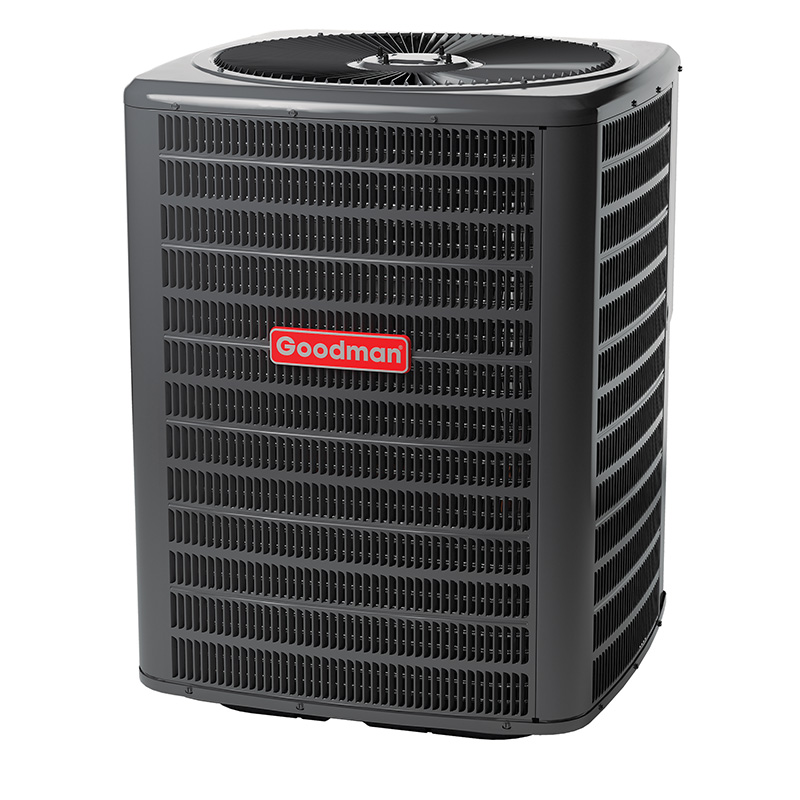
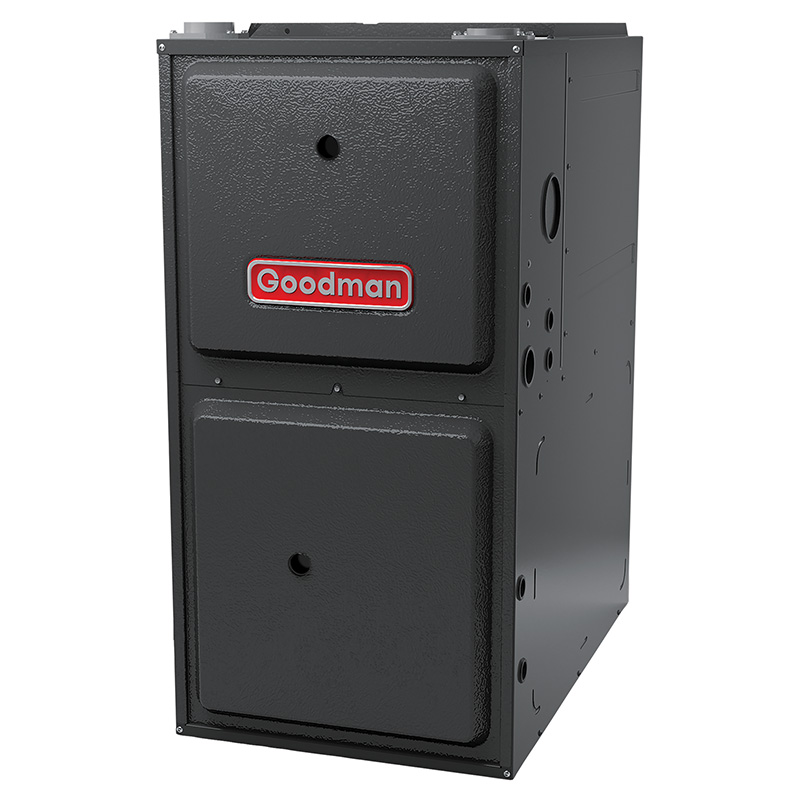
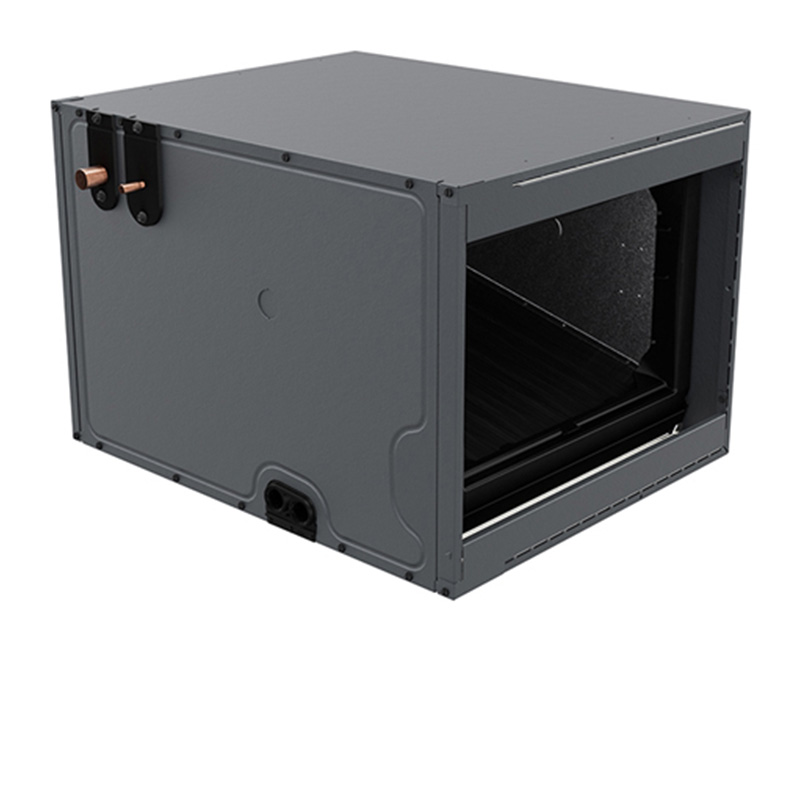
This Goodman package pairs a 3-ton, 15.2 SEER2 central air conditioner with a 100,000 BTU, 96% AFUE multi-speed ECM gas furnace in a horizontal configuration, meaning the air handler sits on its side, a layout common in attic installations, crawlspaces, and homes where vertical closet space simply does not exist. The R-32 refrigerant charge is a forward-looking choice: R-32 has a lower global warming potential than the R-410A it replaces, and it is becoming the industry standard as older refrigerants are phased out, so parts and service technicians familiar with it will only become more common over the next decade.
The 96% AFUE rating means the furnace converts 96 cents of every dollar of natural gas into usable heat, putting it firmly in the high-efficiency tier and making it eligible for federal energy tax credits in many installations. The multi-speed ECM blower motor ramps airflow up and down rather than running at a single fixed speed, which improves humidity control, reduces temperature swings room to room, and cuts blower electricity consumption compared to a standard PSC motor. At 15.2 SEER2, the air conditioner meets the 2023 federal minimum for most of the country and sits just above that threshold, so it is efficient enough to qualify as a meaningful upgrade from older equipment without carrying the price premium of a variable-speed or two-stage system. This setup suits homeowners replacing aging equipment on a defined budget who want reliable heating and cooling without paying for features they may not need.
This Goodman system delivers genuinely high furnace efficiency and a future-ready refrigerant at a price point typically 15 to 25 percent below comparable Carrier, Trane, and Lennox equipment. The horizontal configuration limits who can install it, so getting an experienced technician who knows this layout is critical, and the brand's real-world track record means you should budget for potential repairs, particularly after year seven. For buyers prioritizing upfront cost and strong heating efficiency over long-term reliability peace of mind, it is a reasonable but eyes-open choice.
Overall score is the average of the five ratings above.
What we like
- 96% AFUE furnace rating is genuinely high-efficiency and may qualify for federal tax credits
- R-32 refrigerant is a forward-looking choice with a lower environmental footprint
- Multi-speed ECM blower improves comfort and lowers operating costs versus single-speed motors
- Priced 15 to 25 percent below comparable Trane, Lennox, and Carrier systems
- 15.2 SEER2 meets current federal minimums and represents a real efficiency upgrade over older equipment
Trade-offs
- Dual-run capacitors are the most commonly reported failure point, typically a 300 to 600 dollar repair
- Evaporator coil leaks appear in a meaningful share of owner reviews, which can be a costly mid-life repair
- Compressor lifespan averages 10 to 14 years versus 15 to 20 years for premium-brand compressors
- Horizontal configuration requires a technician experienced with that specific orientation, and a poor install dramatically increases the risk of early refrigerant leaks and reduced efficiency
What homeowners and pros say about Goodman
Homeowners who review Goodman equipment on ConsumerAffairs give it roughly 2.5 out of 5, though that platform draws disproportionately from people who had a problem worth writing about. The recurring complaint there is repair costs that climb after roughly year seven, with dual-run capacitors being the most frequently cited failure, typically a 300 to 600 dollar fix. Evaporator coil leaks and, in a smaller share of cases, refrigerant loss within the first year (usually tied to installation quality rather than the equipment itself) also appear consistently in owner reports. Google dealer reviews tell a more favorable story, averaging around 3.8 out of 5, where affordability is the most common praise and many reviewers note the system is working exactly as expected for the money paid.
HVAC technicians who service Goodman equipment tend to hold a nuanced view of this specific horizontal system. They frequently point out that the brand’s reputation for reliability is heavily install-dependent: a properly commissioned system with correct refrigerant charge, good drainage slope, and clean airflow can run without incident for a decade, while a rushed or inexperienced installation amplifies every known failure point. For this horizontal configuration in particular, professionals recommend verifying your installer’s specific experience with attic or crawlspace layouts, confirming the drain pan and condensate line are correctly positioned, and scheduling annual maintenance to catch capacitor wear before it causes a compressor failure. Compressor lifespan on Goodman equipment is generally reported at 10 to 14 years, shorter than the 15 to 20 years more commonly seen in premium brands, which is a real trade-off worth weighing against the lower purchase price.
Sources: ConsumerAffairs Goodman owner reviews, AHRI Directory of Certified Product Performance, U.S. DOE appliance and equipment efficiency standards, Goodman product specification sheets.
What it costs to run
At 15.2 SEER2, cooling this 3-ton system for a typical 1200-hour cooling season at the U.S. average electricity rate of $0.17/kWh works out to roughly $483 per year in cooling, about $65 less per year than a minimum-efficiency 13.4 SEER2 unit of the same size. Your real cost depends on your climate and local rate.
Method: (36,000 BTU/hr ÷ 15.2 SEER2) × 1200 hours ÷ 1000 × $0.17/kWh. Rate source: U.S. EIA average; cooling hours: moderate-climate estimate.
How it compares
| Brand | Comparable model | SEER2 | Stage | Price position |
|---|---|---|---|---|
| Goodman | 3 Ton 15.2 SEER2 / 96% AFUE Horizontal R-32 System | 15.2 | Single-stage cooling, multi-speed furnace | Value pick |
| Carrier | Performance Series (24ACC6 / 59SC2) | 15-16 | Single-stage | Typically 15 to 25 percent more than Goodman |
| Trane | XR15 / S9X2 | 15-16 | Single-stage | Typically 15 to 25 percent more than Goodman |
| Lennox | Merit Series (14ACX / ML196) | 15-15.2 | Single-stage | Typically 15 to 25 percent more than Goodman |
Competitor rows are comparable single-stage units at similar efficiency; price is relative position, not a quote.
Questions about this system
Is horizontal installation harder to service than a standard upflow setup, and will it affect my warranty?
Horizontal units are accessible but require a technician who specifically knows how to handle that orientation for tasks like coil cleaning and drain pan maintenance. Improper installation in a horizontal position is a common cause of refrigerant leaks and drainage problems. Goodman warranties are not voided by horizontal installation when performed correctly, but you should confirm your installer has experience with this configuration before they start.
What does R-32 refrigerant mean for me as an owner, and will my technician know how to work with it?
R-32 is replacing R-410A across the industry, and most licensed HVAC technicians are already trained on it or actively getting certified. It is mildly flammable (A2L classification), which requires technicians to follow updated handling procedures, but this is not a safety concern for homeowners in normal operation. R-32 parts and refrigerant are readily available and will only become more so as adoption grows.
The system is 96% AFUE, but does that mean I will see a big drop in my gas bill?
If you are replacing an older 80% AFUE furnace, the jump to 96% AFUE can meaningfully reduce gas consumption, sometimes by 15 to 20 percent depending on your climate, home size, and usage patterns. However, your actual savings depend on local gas prices, insulation quality, and how well the system is sized and commissioned, so real-world results vary.
What should I budget for repairs over the life of this system?
Goodman's documented failure points include dual-run capacitors, which typically cost 300 to 600 dollars to replace and are a common fix after a few years of use. Evaporator coil leaks appear in a meaningful share of owner reviews and can run significantly more depending on labor and refrigerant costs. Planning a small annual maintenance budget and keeping the system under a service contract can help catch these issues before they become major expenses.
This is a single-stage AC compressor. Should I pay more for a two-stage or variable-speed system instead?
Single-stage cooling runs at full capacity or not at all, which means it can short-cycle in mild weather and deliver less-precise humidity control compared to two-stage or variable-speed systems. If your home has humidity issues or you want maximized comfort, stepping up is worth considering. For straightforward cooling in a reasonably insulated home, single-stage at this efficiency tier is functional and substantially cheaper upfront.
Specifications
| Cooling capacity | 3 Ton |
| Efficiency | 15.2 SEER2 |
| Furnace output | 100000 BTU |
| Furnace efficiency | 96% AFUE |
| Configuration | Horizontal |
| Refrigerant | R-32 |