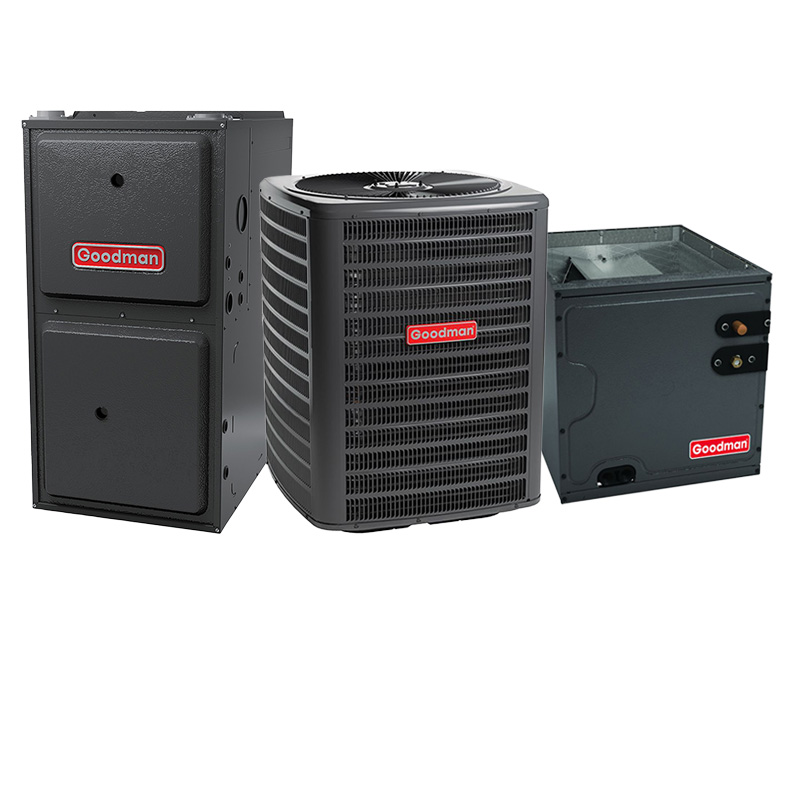
Goodman Furnace AC – 3 Ton 15.2 SEER2 AC With 60000 BTU 96% AFUE Multi-Speed ECM Gas Furnace System – Upflow | R32
View on AC Direct see your lowest price →Check current price on AC Direct →
Key features
- 3-ton cooling capacity with 15.2 SEER2 efficiency rating
- 60,000 BTU gas furnace at 96% AFUE for high-efficiency heating
- Multi-speed ECM blower motor reduces fan energy use and improves humidity control
- R-32 refrigerant with lower global-warming potential than R-410A
- Upflow configuration designed for basement or ground-floor mechanical rooms
- Factory-matched system for consistent efficiency and warranty compliance
About this system
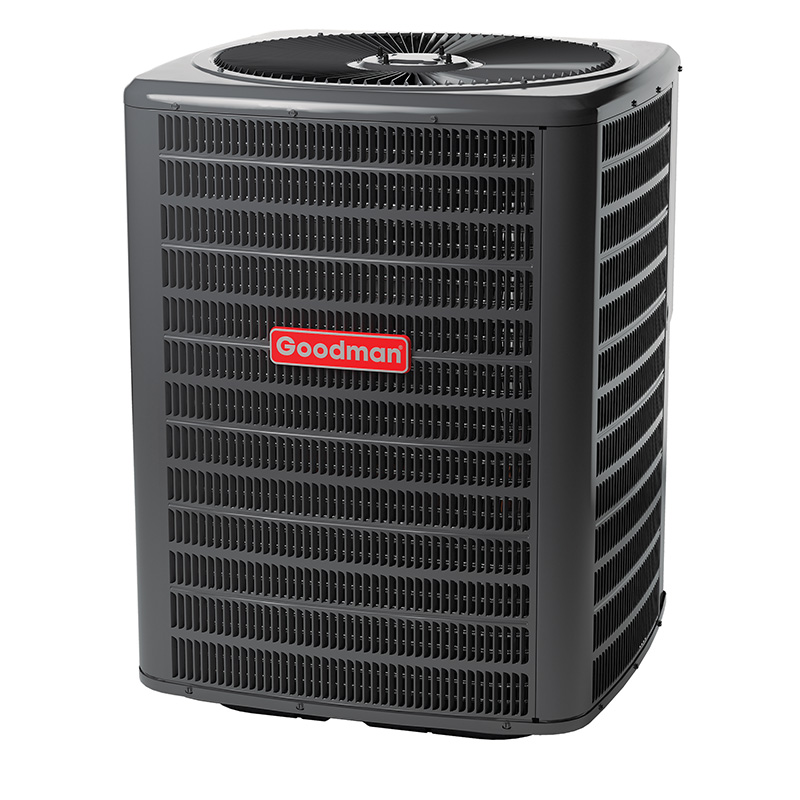
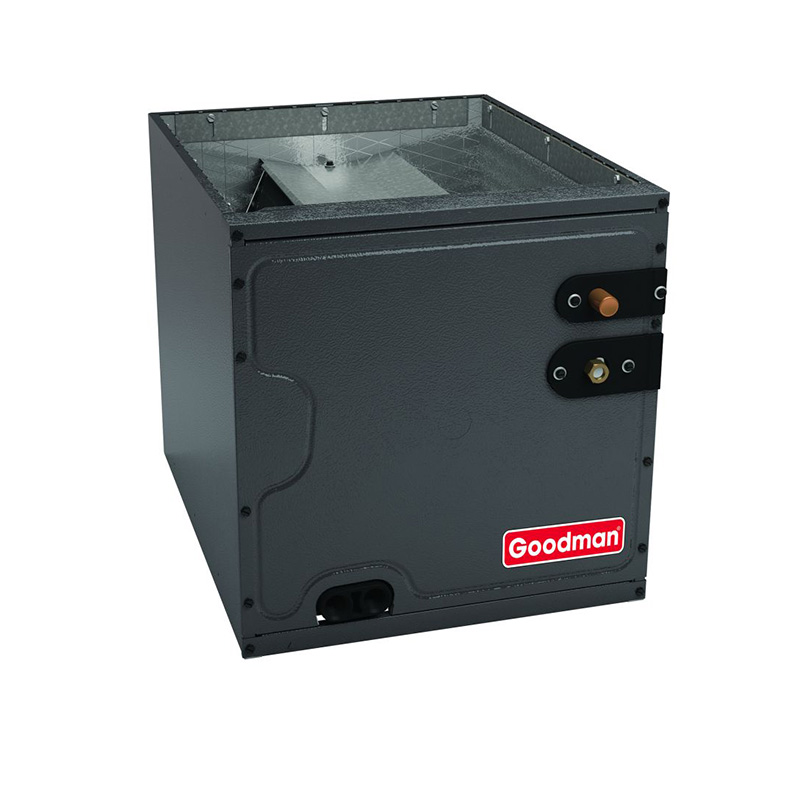
This Goodman bundle pairs a 3-ton, 15.2 SEER2 central air conditioner with a 60,000 BTU, 96% AFUE multi-speed ECM gas furnace in an upflow configuration. The efficiency numbers land in solid mid-tier territory: 15.2 SEER2 clears the federal minimums for most U.S. climate zones with room to spare, and 96% AFUE means only about four cents of every dollar spent on gas escapes without heating your home. The multi-speed ECM blower motor is a meaningful upgrade over a single-speed unit, running at lower speeds during mild weather to improve comfort, reduce humidity, and cut fan electricity costs. R-32 refrigerant, now appearing in newer Goodman equipment, has a lower global-warming potential than the R-410A it replaces and is what the industry is broadly moving toward.
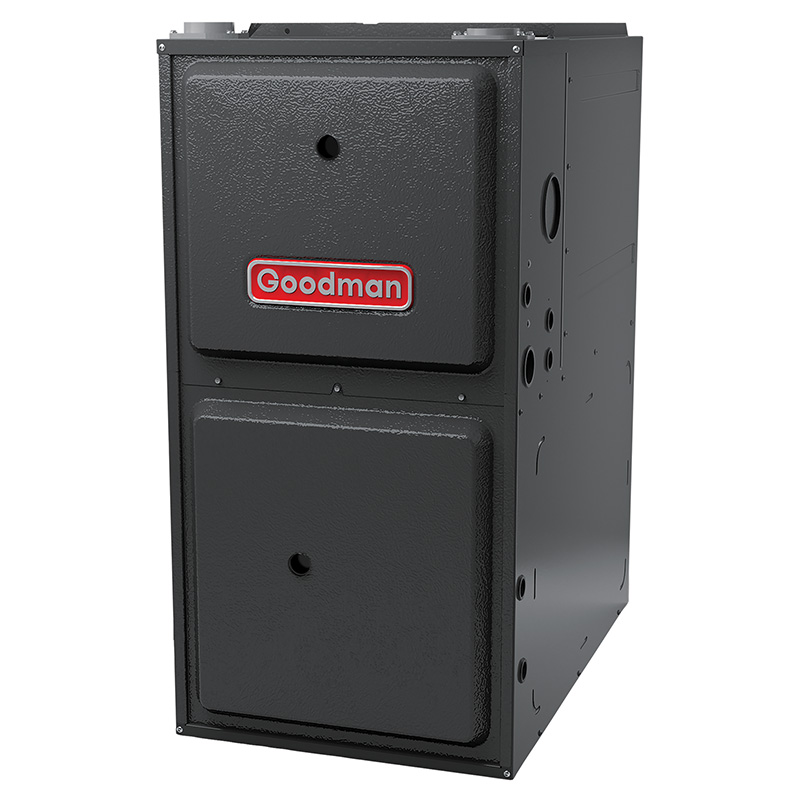
The upflow furnace configuration sends conditioned air upward through supply ducts above the unit, making this the right fit for homes where the air handler sits in a basement, utility closet, or ground-floor mechanical room with ductwork running overhead. The 60,000 BTU output suits homes roughly in the 1,200 to 2,000 square foot range depending on insulation, climate, and ceiling height, though a proper Manual J load calculation should always drive that decision. This system is sold as a matched, tested combination, which matters for efficiency ratings and warranty coverage. Buyers who want reliable baseline performance without paying the premium brand markup will find this combination a reasonable starting point, provided they invest in a qualified installation.
This Goodman bundle offers a genuinely competitive efficiency spec and a useful ECM blower at a price point that undercuts comparable Carrier, Trane, and Lennox systems by 15 to 25 percent. The trade-off is a brand track record that shows a higher incidence of mid-life component failures than premium competitors, and a compressor lifespan that typically runs shorter. For buyers who prioritize upfront cost and are comfortable budgeting for possible repairs after year 7, this system delivers solid value when installed correctly.
Overall score is the average of the five ratings above.
What we like
- 15.2 SEER2 efficiency clears minimum federal standards and reduces cooling operating costs
- 96% AFUE furnace is near the top of the efficiency range for gas heat
- ECM multi-speed blower improves comfort and lowers blower electricity consumption versus single-speed units
- Priced 15 to 25 percent below comparable Trane, Carrier, and Lennox systems
- R-32 refrigerant is forward-compatible with industry transition away from R-410A
Trade-offs
- Dual-run capacitors are the most commonly reported failure point, typically needing replacement in the 300 to 600 dollar range
- Evaporator coil leaks appear in a meaningful share of owner reviews, which can be a costly repair
- Compressor lifespan averages 10 to 14 years versus 15 to 20 years for premium brands
- A minority of owners report refrigerant leaks within the first year, usually traceable to installation or initial charge issues
What homeowners and pros say about Goodman
Goodman carries a split reputation that shows up clearly in the numbers. On ConsumerAffairs, the brand sits at roughly 2.5 out of 5, a score shaped by a platform that tends to attract owners with complaints rather than satisfied customers writing in to say everything is fine. The recurring theme in those reviews is repair costs climbing after about year 7, with dual-run capacitors as the most commonly cited failure, typically a manageable 300 to 600 dollar fix. Evaporator coil leaks also appear in a meaningful share of owner feedback and tend to be more expensive to address. On Google dealer reviews, where the audience is broader, Goodman equipment scores around 3.8 out of 5 across a range of dealer locations, and the most frequent praise is straightforwardly about price.
HVAC technicians tend to hold a more nuanced view. Many note that Goodman equipment, including this furnace and AC combination, performs reasonably well through its first several years when installed correctly, and that installation quality is genuinely the biggest variable in how long any system lasts. The documented compressor lifespan of 10 to 14 years is shorter than the 15 to 20 years more commonly seen with Trane, Carrier, or Lennox compressors at comparable tiers, and that gap matters when thinking about total cost of ownership. A minority of owners also report refrigerant leaks in the first year, which technicians generally attribute to charge or installation issues rather than the equipment itself. The honest summary from both camps is that this is a capable mid-efficiency system at a real price advantage, with the understanding that it may ask for more maintenance attention in its second decade than a premium-brand alternative would.
Sources: ConsumerAffairs Goodman owner reviews, AHRI Directory of Certified Product Performance, U.S. DOE appliance and equipment efficiency standards, Goodman product specification sheets.
What it costs to run
At 15.2 SEER2, cooling this 3-ton system for a typical 1200-hour cooling season at the U.S. average electricity rate of $0.17/kWh works out to roughly $483 per year in cooling, about $65 less per year than a minimum-efficiency 13.4 SEER2 unit of the same size. Your real cost depends on your climate and local rate.
Method: (36,000 BTU/hr ÷ 15.2 SEER2) × 1200 hours ÷ 1000 × $0.17/kWh. Rate source: U.S. EIA average; cooling hours: moderate-climate estimate.
How it compares
| Brand | Comparable model | SEER2 | Stage | Price position |
|---|---|---|---|---|
| Goodman | GLXS4BA36 + GMVC960603BN (this system) | 15.2 | Single-stage AC / Multi-speed furnace | Value pick |
| Carrier | Comfort 15 Series (24ACC636) | 15.2 | Single-stage | Typically 15 to 25 percent more than this Goodman bundle |
| Trane | XR15 Series (4TTR5036) | 15.2 | Single-stage | Typically 15 to 25 percent more than this Goodman bundle |
| Lennox | Merit ML15 Series (ML15XC1-036) | 15.2 | Single-stage | Typically 15 to 25 percent more than this Goodman bundle |
Competitor rows are comparable single-stage units at similar efficiency; price is relative position, not a quote.
Questions about this system
Is 15.2 SEER2 efficient enough to make a real difference on my electric bill, or should I pay more for a higher SEER2 unit?
15.2 SEER2 is a solid mid-range rating that will outperform older systems rated at 10 to 13 SEER and meets or exceeds current federal minimums for most regions. Stepping up to 17 or 18 SEER2 units does reduce cooling costs further, but the payback period on the added upfront cost often runs 8 to 12 years depending on your climate and usage, so many buyers find this tier the practical sweet spot.
What does the multi-speed ECM blower actually do differently from a standard blower?
Instead of running at one fixed speed, the ECM motor adjusts airflow based on demand, which means it runs at lower, quieter speeds during mild conditions and ramps up only when needed. This reduces electricity consumption for the blower itself, improves humidity removal during shoulder seasons, and generally makes temperature distribution more even throughout the home.
Why are there reports of refrigerant leaks in the first year, and how do I protect against that?
First-year refrigerant leaks in Goodman systems are documented and are most often linked to installation or initial charge issues rather than a defect in the equipment itself. Choosing a licensed, experienced HVAC contractor and asking them to pressure-test and verify the refrigerant charge before commissioning is the best protection; a properly installed system should not leak early.
My home has ductwork in the attic rather than the basement. Will this upflow system work?
No, an upflow furnace is designed specifically for installations where the unit sits below the duct system and pushes air upward. If your ductwork is in an attic and the equipment is at the same level or above the supply plenum, you would need a downflow or horizontal configuration instead. Confirm your mechanical room layout with your installer before ordering.
What is the Goodman warranty on this system, and are there any conditions I should know about?
Goodman typically offers a 10-year parts warranty on registered equipment, but registration must usually be completed within a set window after installation to qualify for the full term, and it generally requires installation by a licensed contractor. The warranty covers parts but not labor, so repair costs after the parts warranty period can still add up, particularly given the documented capacitor and coil failure patterns in owner feedback.
Specifications
| Cooling capacity | 3 Ton |
| Efficiency | 15.2 SEER2 |
| Furnace output | 60000 BTU |
| Furnace efficiency | 96% AFUE |
| Configuration | Upflow |
| Refrigerant | R-32 |