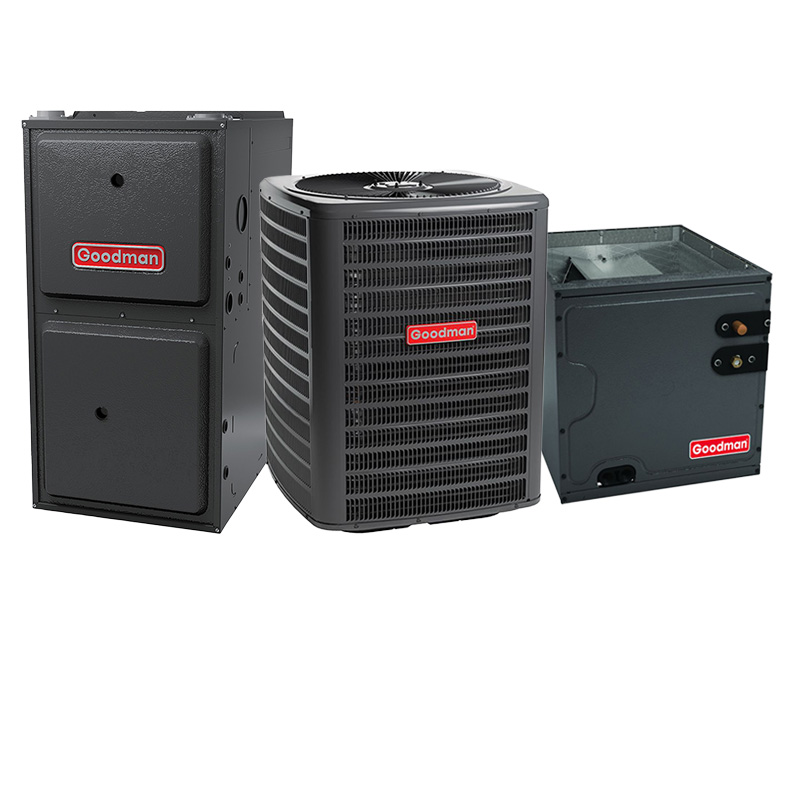
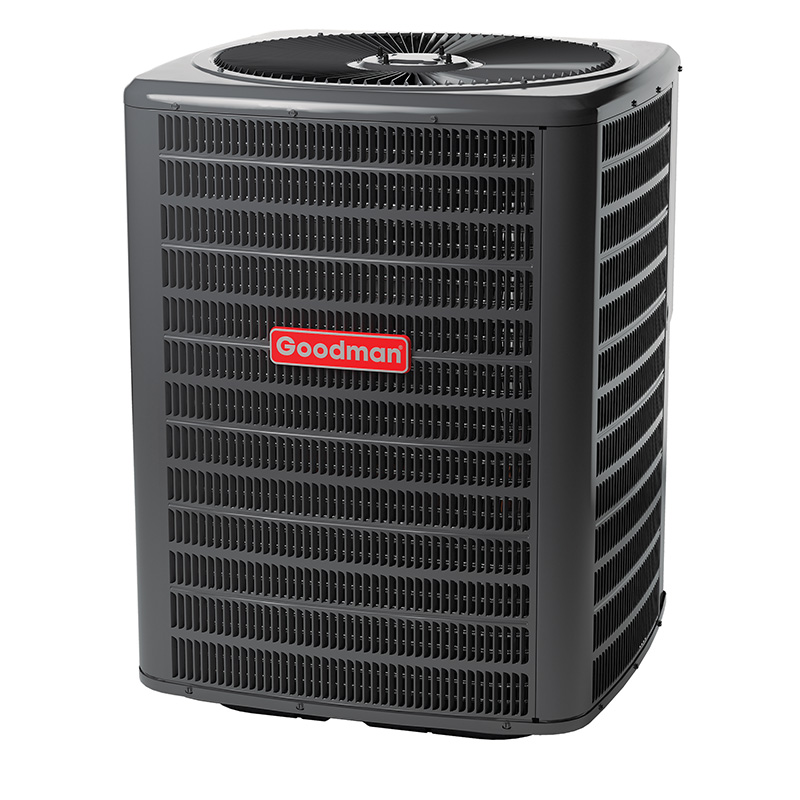
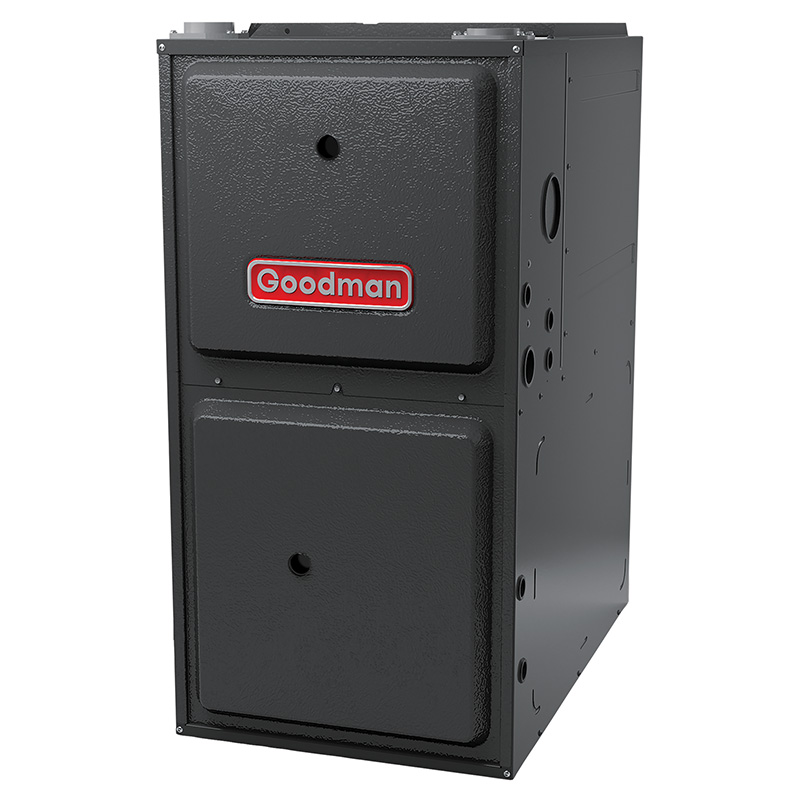
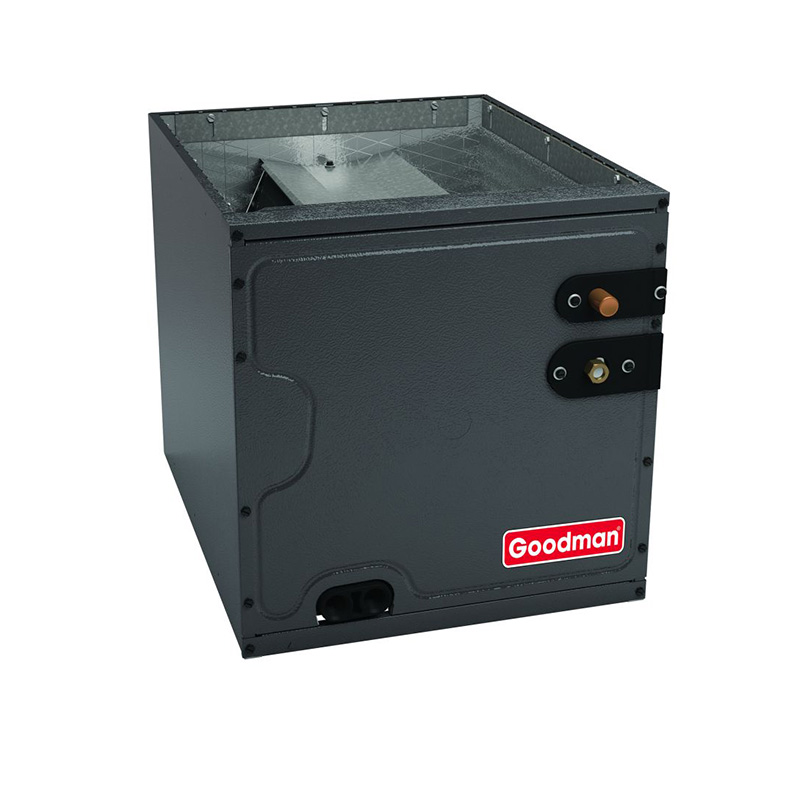
Goodman Furnace AC – 3 Ton 16 SEER2 AC With 80000 BTU 96% AFUE Multi-Speed ECM Gas Furnace System – Upflow | R32
View on AC Direct see your lowest price →Check current price on AC Direct →
Key features
- 3-ton cooling capacity rated at 16 SEER2, above current federal minimum
- 96% AFUE upflow gas furnace with 80,000 BTU output for cold-climate heating
- Multi-speed ECM blower motor reduces fan energy use and improves humidity control
- R-32 refrigerant, current low-GWP industry standard replacing R-410A
- Matched system sold as a unit, reducing coil compatibility guesswork
- Goodman pricing typically 15 to 25 percent below Trane, Carrier, and Lennox equivalents
About this system
This Goodman combo pairs a 3-ton, 16 SEER2 central air conditioner with an 80,000 BTU, 96% AFUE upflow gas furnace into a matched system sized for homes roughly in the 1,400 to 2,000 square foot range, depending on climate zone and insulation. The 16 SEER2 rating clears the current federal minimum by a meaningful margin, translating to noticeably lower cooling bills compared with baseline equipment, though it stops short of the 18-plus SEER2 territory where premium variable-speed systems operate. The 96% AFUE furnace is a genuine high-efficiency unit, meaning 96 cents of every dollar in gas goes toward heat rather than flue losses, which matters most in colder climates with long heating seasons.
The multi-speed ECM blower motor is worth highlighting. Unlike a single-speed motor that runs at full blast or not at all, the ECM ramps to lower speeds during mild conditions, which cuts fan electricity use substantially and improves humidity control in summer. R-32 refrigerant is the newer lower-global-warming-potential refrigerant replacing R-410A across the industry, so this system is built around current standards rather than legacy chemistry. The upflow configuration means the furnace pulls return air from the bottom and discharges heated or cooled air upward, the standard arrangement when the unit sits in a basement, utility closet, or crawlspace with ductwork above it. If your existing duct layout is upflow, this system drops into place without reconfiguring anything.
This bundle suits budget-conscious homeowners replacing aging equipment who want genuinely high heating efficiency and above-baseline cooling efficiency without paying the premium that Trane, Carrier, or Lennox command. It is not the right choice for someone prioritizing maximum comfort zoning or the longest possible equipment life cycle over upfront cost.
This system delivers real high-efficiency heating and above-average cooling efficiency at a price point that undercuts major premium brands by a significant margin. The trade-off is a compressor lifespan and component reliability track record that lags behind Trane and Carrier, and long-term cost depends heavily on install quality and your willingness to handle occasional component repairs after the first seven years. For buyers replacing equipment on a firm budget who use a skilled installer, it offers solid value.
Overall score is the average of the five ratings above.
What we like
- 96% AFUE furnace delivers genuine high-efficiency heating, not a marginal upgrade
- 16 SEER2 cooling is a meaningful step above minimum-efficiency replacements
- ECM multi-speed motor cuts fan electricity costs compared with single-speed motors
- R-32 refrigerant is current-generation chemistry, not a legacy refrigerant facing phase-out
- Matched system pricing is 15 to 25 percent lower than comparable Carrier, Trane, or Lennox bundles
Trade-offs
- Dual-run capacitors are the most commonly reported failure point, typically after several years of use
- Evaporator coil leaks appear in a meaningful share of owner reviews, adding potential repair costs
- Compressor lifespan averages 10 to 14 years versus 15 to 20 years for premium brand compressors
- A minority of owners report refrigerant leaks in the first year, most often tied to install or initial charge quality
What homeowners and pros say about Goodman
Homeowners who leave reviews on ConsumerAffairs give Goodman equipment an average of roughly 2.5 out of 5, though that platform draws complaints disproportionately, so the number skews negative. The recurring theme in those reviews is repair costs rising after about year seven, with dual-run capacitor failures and evaporator coil leaks being the failure modes that come up most often. Google dealer reviews paint a more balanced picture, averaging around 3.8 out of 5 across several hundred reviews per location, where the most consistent praise is straightforward: the price is lower than the competition and the system heats and cools adequately when installed correctly. Neither data point tells the whole story, but together they suggest a brand that performs acceptably in the short term and asks more of its owners in the back half of its service life.
HVAC technicians who service these systems regularly tend to agree on a few points. First, capacitor replacement on Goodman equipment is routine enough that most experienced techs keep the part on the truck. Second, and more critically, they are emphatic that install quality determines outcomes with this brand more than with premium alternatives. Compressor lifespan averaging 10 to 14 years versus the 15 to 20 years typical of Trane or Carrier is a real trade-off, not a rumor, and the minority of owners who report refrigerant leaks in the first year are almost always tracing the problem back to the installation rather than the unit itself. For this specific system, the 96% AFUE furnace and ECM blower are genuine positives that pros acknowledge, but they will tell you the warranty and long-term cost equation only works in your favor if the installer gets the refrigerant charge, airflow, and line set right from day one.
Sources: ConsumerAffairs Goodman owner reviews, AHRI Directory of Certified Product Performance, U.S. DOE appliance and equipment efficiency standards, Goodman product specification sheets.
What it costs to run
At 16 SEER2, cooling this 3-ton system for a typical 1200-hour cooling season at the U.S. average electricity rate of $0.17/kWh works out to roughly $459 per year in cooling, about $89 less per year than a minimum-efficiency 13.4 SEER2 unit of the same size. Your real cost depends on your climate and local rate.
Method: (36,000 BTU/hr ÷ 16 SEER2) × 1200 hours ÷ 1000 × $0.17/kWh. Rate source: U.S. EIA average; cooling hours: moderate-climate estimate.
How it compares
| Brand | Comparable model | SEER2 | Stage | Price position |
|---|---|---|---|---|
| Goodman | GSXN6 / GMVC96 Series (this system) | 16 | Multi-speed | Value pick |
| Carrier | Comfort 16 (24ACC6 series) with 58MVC furnace | 16 | Single-stage | Typically 15 to 25 percent more than this Goodman bundle |
| Trane | XR16 (4TTR6 series) with S9V2 furnace | 16 | Single-stage | Typically 15 to 25 percent more than this Goodman bundle |
| Lennox | Merit 16 (14ACX series) with ML196 furnace | 16 | Single-stage | Typically 15 to 25 percent more than this Goodman bundle |
Competitor rows are comparable single-stage units at similar efficiency; price is relative position, not a quote.
Questions about this system
What size home does a 3-ton, 80,000 BTU system actually cover?
As a rough guide, 3-ton cooling suits approximately 1,400 to 2,000 square feet in moderate climates, but the right answer depends on your local climate, ceiling height, insulation, and window area. An ACCA Manual J load calculation from your installer is the only reliable way to confirm 3 tons is the correct size for your specific home, and oversizing causes humidity and comfort problems even with a good unit.
Will this system work with my existing R-410A refrigerant lines?
R-32 and R-410A are not interchangeable, but R-32 systems can often use existing copper line sets if they are clean, leak-free, and properly sized. Your installer will need to flush the existing lines and confirm compatibility before reuse; if the lines are corroded or improperly sized for this tonnage, they should be replaced to avoid voiding the warranty and risking early coil or compressor issues.
What are the most common repairs I should budget for over the life of this system?
The documented failure mode most Goodman owners encounter is dual-run capacitor failure, which typically costs 300 to 600 dollars to repair and is a routine fix for any HVAC technician. Evaporator coil leaks show up in a meaningful share of owner reviews and can run higher if the coil needs replacement. After the compressor warranty period, budget for the possibility that the compressor itself may need replacement in the 10 to 14 year range, earlier than premium brands.
How important is installer quality with a Goodman system specifically?
Technicians consistently cite install quality as the single biggest factor in how long a Goodman unit lasts, more so than with some premium brands. Early refrigerant leaks, which a minority of owners report in the first year, are almost always tied to improper charge or install workmanship rather than a manufacturing defect. Getting the correct refrigerant charge, properly flushed line set, and accurate airflow setup from the start is not optional with this brand.
Is the upflow configuration right for my setup, and can this furnace be converted?
Upflow is correct when your furnace sits below your ductwork, most commonly in a basement or a first-floor utility closet with ducts running through the ceiling above. If your ducts enter from the side or your unit sits in an attic or crawlspace with ducts below, you may need a different configuration such as horizontal or downflow. Confirm your duct layout with your installer before ordering, as converting configurations on a packaged system is not always straightforward.
Specifications
| Cooling capacity | 3 Ton |
| Efficiency | 16 SEER2 |
| Furnace output | 80000 BTU |
| Furnace efficiency | 96% AFUE |
| Configuration | Upflow |
| Refrigerant | R-32 |