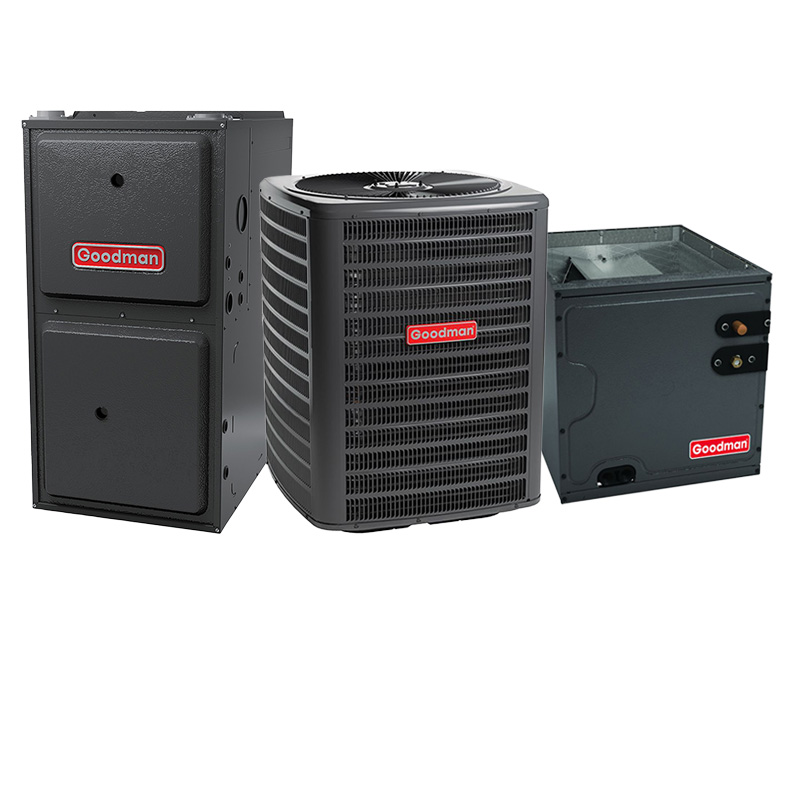
Goodman Furnace AC – 4 Ton 15.2 SEER2 AC With 120000 BTU 96% AFUE Multi-Speed ECM Gas Furnace System – Upflow | R32
View on AC Direct see your lowest price →Check current price on AC Direct →
Key features
- 15.2 SEER2 cooling efficiency meets current federal minimums for most U.S. regions
- 96% AFUE condensing furnace converts nearly all fuel to heat
- Multi-speed ECM blower motor reduces energy use and improves humidity control
- R-32 refrigerant offers lower global warming potential than R-410A
- Upflow configuration suits homes with basement or main-floor mechanical rooms
- 4-ton / 120,000 BTU capacity designed for larger homes, roughly 2,200 to 2,800 sq ft
About this system
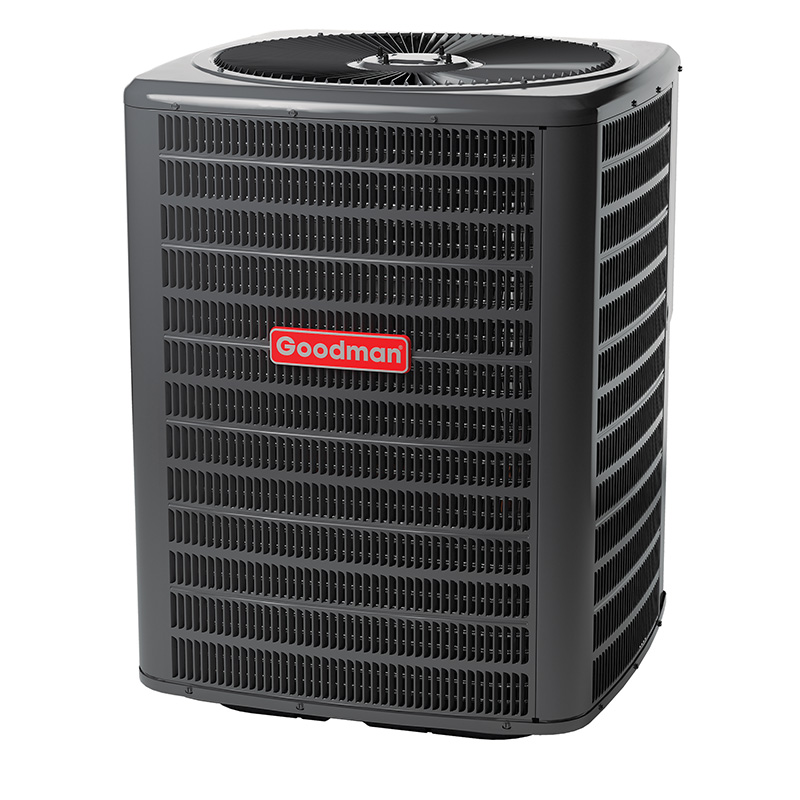
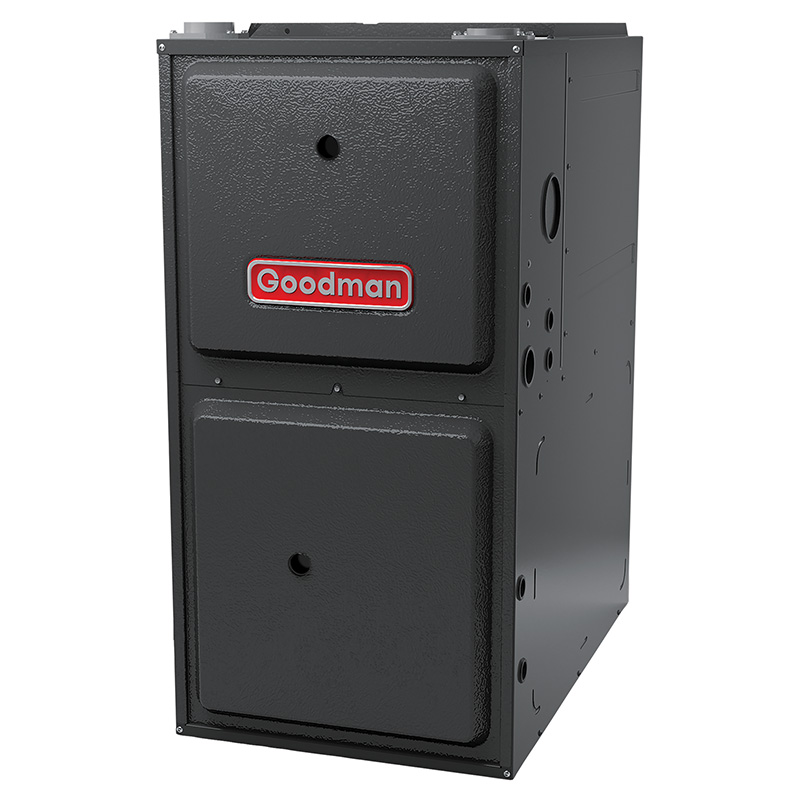
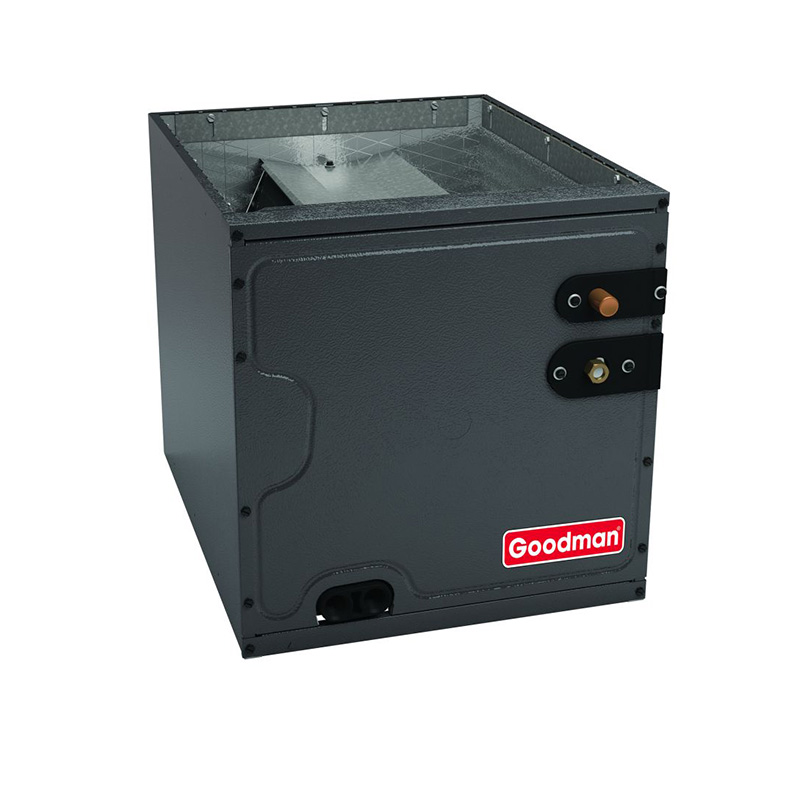
This Goodman bundle pairs a 4-ton, 15.2 SEER2 central air conditioner with a 120,000 BTU, 96% AFUE multi-speed ECM gas furnace in an upflow configuration. The cooling side meets the current federal minimum efficiency standards for most U.S. climate zones without stretching into premium-tier pricing, making it a realistic option for larger homes in the 2,200 to 2,800 square foot range that need serious cooling capacity. The furnace’s 96% AFUE rating means roughly 96 cents of every dollar spent on natural gas converts to usable heat, which is a genuinely strong number and qualifies as a condensing furnace in most regions.
The multi-speed ECM blower motor is a meaningful upgrade over a standard PSC motor: it ramps airflow up and down based on demand, which tends to improve dehumidification, reduce temperature swings, and cut blower electricity costs compared to a single-speed unit. R-32 refrigerant has a lower global warming potential than the older R-410A it replaces, and it also runs at somewhat higher efficiency under real-world conditions. The upflow configuration means the furnace sits at floor level and pushes conditioned air upward into overhead ductwork, the most common arrangement in homes with a basement or main-floor mechanical room. This system suits budget-conscious homeowners replacing aging equipment in a larger house who want solid efficiency numbers without paying a premium brand markup.
This Goodman system delivers honest efficiency numbers and a genuinely good furnace spec at a price point that undercuts premium brands by 15 to 25 percent. The trade-off is a reliability track record that is average rather than strong, with documented vulnerabilities in capacitors, evaporator coils, and compressor longevity that buyers should budget for over a 10 to 15 year ownership window. It is a reasonable purchase when installed by a skilled technician and treated as a value-tier product rather than a set-and-forget premium one.
Overall score is the average of the five ratings above.
What we like
- 96% AFUE furnace is a high-efficiency rating that genuinely reduces heating bills
- ECM multi-speed blower improves comfort and lowers operating costs versus single-speed motors
- R-32 refrigerant is more environmentally responsible and slightly more efficient than R-410A
- Priced 15 to 25 percent below comparable Trane, Lennox, and Carrier equipment
- 4-ton capacity and upflow design cover a wide range of larger residential applications
Trade-offs
- Dual-run capacitor failures are the most frequently reported issue, typically appearing after a few seasons and costing $300 to $600 to repair
- Evaporator coil leaks show up in a meaningful share of owner reports, a potentially expensive repair outside warranty
- Compressor lifespan averages 10 to 14 years versus 15 to 20 years for premium-brand compressors
- A minority of owners report refrigerant leaks within the first year, most often tied to install or charge quality rather than the equipment itself
What homeowners and pros say about Goodman
On ConsumerAffairs, Goodman as a brand scores around 2.5 out of 5, though that platform skews heavily toward owners who had problems and felt motivated to write about them. The recurring theme in those reviews is repair costs that climb after roughly year seven, with dual-run capacitor failures and evaporator coil leaks cited most often. Google dealer reviews tell a more balanced story, averaging around 3.8 out of 5 across locations, where affordability is consistently the most common reason owners say they chose Goodman and are glad they did. For a 4-ton system at this efficiency tier, the gap in upfront cost versus premium brands is substantial enough that many buyers treat it as a deliberate trade-off rather than an oversight.
HVAC technicians are generally not surprised when they see Goodman on a service call after year seven or eight. The dual-run capacitor is the most commonly reported failure point on Goodman condensing units and is widely considered a quick, low-cost fix in the $300 to $600 range. Coil leaks are a more serious concern and tend to generate the strongest negative reviews. Compressor longevity is the other honest limitation: Goodman compressors average 10 to 14 years in the field, compared to 15 to 20 years reported for premium-brand compressors. Pros who install Goodman regularly tend to emphasize that installation quality matters more with this brand than with some others, and that a meticulous startup and proper refrigerant charge can meaningfully extend the system’s service life. For a larger home where the owner wants strong AFUE and ECM performance without paying premium-brand prices, this system is a defensible choice when paired with a skilled installer and realistic service expectations.
Sources: ConsumerAffairs Goodman owner reviews, AHRI Directory of Certified Product Performance, U.S. DOE appliance and equipment efficiency standards, Goodman product specification sheets.
What it costs to run
At 15.2 SEER2, cooling this 4-ton system for a typical 1200-hour cooling season at the U.S. average electricity rate of $0.17/kWh works out to roughly $644 per year in cooling, about $87 less per year than a minimum-efficiency 13.4 SEER2 unit of the same size. Your real cost depends on your climate and local rate.
Method: (48,000 BTU/hr ÷ 15.2 SEER2) × 1200 hours ÷ 1000 × $0.17/kWh. Rate source: U.S. EIA average; cooling hours: moderate-climate estimate.
How it compares
| Brand | Comparable model | SEER2 | Stage | Price position |
|---|---|---|---|---|
| Goodman | GSXH5 / GCVC Series | 15.2 | Single-stage / Multi-speed | Value pick |
| Carrier | Comfort 24ACC6 Series | 15.2 | Single-stage | Typically 15 to 25 percent more than Goodman |
| Trane | XR15 Series | 15.0 to 16.0 | Single-stage | Typically 15 to 25 percent more than Goodman |
| Lennox | Merit ML15XC1 Series | 15.0 to 16.0 | Single-stage | Typically 15 to 25 percent more than Goodman |
Competitor rows are comparable single-stage units at similar efficiency; price is relative position, not a quote.
Questions about this system
Is 15.2 SEER2 enough efficiency for a large home in a hot climate like Texas or Florida?
15.2 SEER2 meets the federal minimum for most regions and will provide reasonable operating costs, but homes in very hot, humid climates that run the AC eight or more months a year may see a faster payback from a 17 or 18 SEER2 unit. At 4 tons, the equipment cost difference between 15.2 and higher-efficiency tiers is worth calculating against your expected annual runtime before deciding.
Does the 4-ton size mean this will work for my 2,500 square foot home?
Square footage is only one input into proper sizing. Ceiling height, insulation quality, window area, local climate, and duct condition all matter. A Manual J load calculation by your installer is the only reliable way to confirm 4 tons is correct for your specific home; oversizing causes short-cycling, poor humidity control, and accelerated wear.
What should I budget for maintenance and repairs over the first ten years?
Beyond standard annual tune-ups, Goodman equipment has a documented pattern of dual-run capacitor failures that typically cost $300 to $600 per occurrence. Evaporator coil leaks are another reported issue that can run significantly higher if they fall outside the warranty window. Setting aside $150 to $200 per year in a repair fund is a reasonable starting point for value-tier HVAC equipment.
What does the upflow configuration mean, and does my home qualify?
Upflow means the furnace draws return air in at the bottom and discharges heated or cooled air out the top into overhead supply ductwork. It is the correct choice for homes where the furnace sits in a basement, utility closet, or main-floor mechanical room with ductwork running above it. If your ducts run below the unit or in a crawlspace, you would need a downflow or horizontal configuration instead.
Does R-32 refrigerant affect what I need from my installer or future service technicians?
R-32 requires technicians who are certified to handle A2L refrigerants, as it is mildly flammable. Most licensed HVAC contractors are already trained or in the process of getting certified as R-32 becomes the new industry standard, but it is worth confirming your installer is A2L-qualified before booking the job. Service costs for R-32 systems should be comparable to R-410A over time as the refrigerant becomes widely stocked.
Specifications
| Cooling capacity | 4 Ton |
| Efficiency | 15.2 SEER2 |
| Furnace output | 120000 BTU |
| Furnace efficiency | 96% AFUE |
| Configuration | Upflow |
| Refrigerant | R-32 |