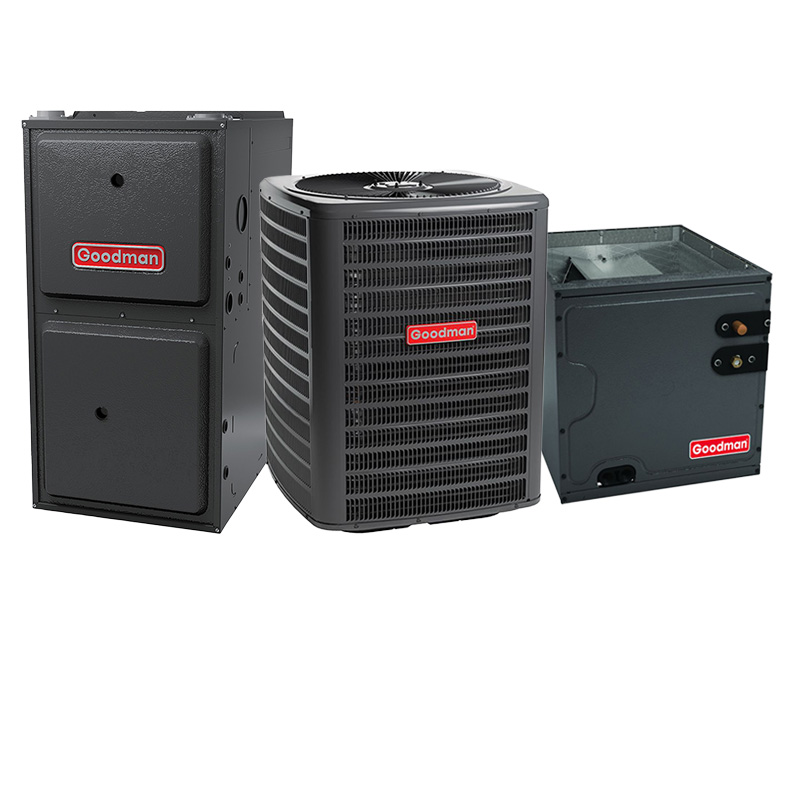
Goodman Furnace AC – 5 Ton 15.5 SEER2 AC With 100000 BTU 96% AFUE Multi-Speed ECM Gas Furnace System – Upflow | R32
View on AC Direct see your lowest price →Check current price on AC Direct →
Key features
- 5-ton cooling capacity, 15.5 SEER2 efficiency rating
- 100,000 BTU output gas furnace at 96% AFUE
- Multi-speed ECM blower motor reduces airflow noise and electricity use
- Upflow configuration for installations with ductwork above the air handler
- R-32 refrigerant with lower global warming potential than R-410A
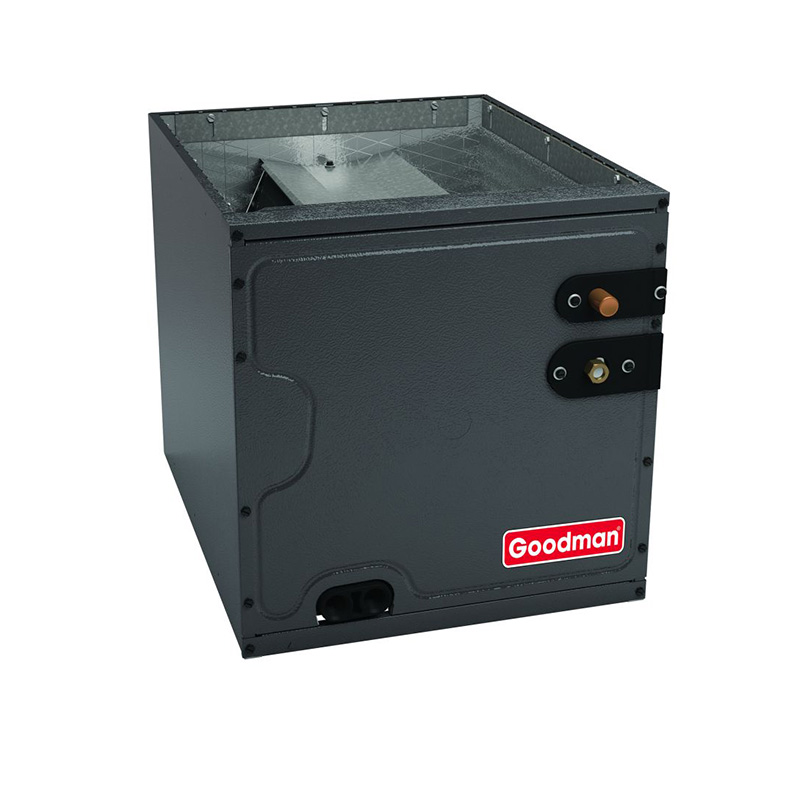
- Matched system bundle designed for simplified installation and coil compatibility
About this system
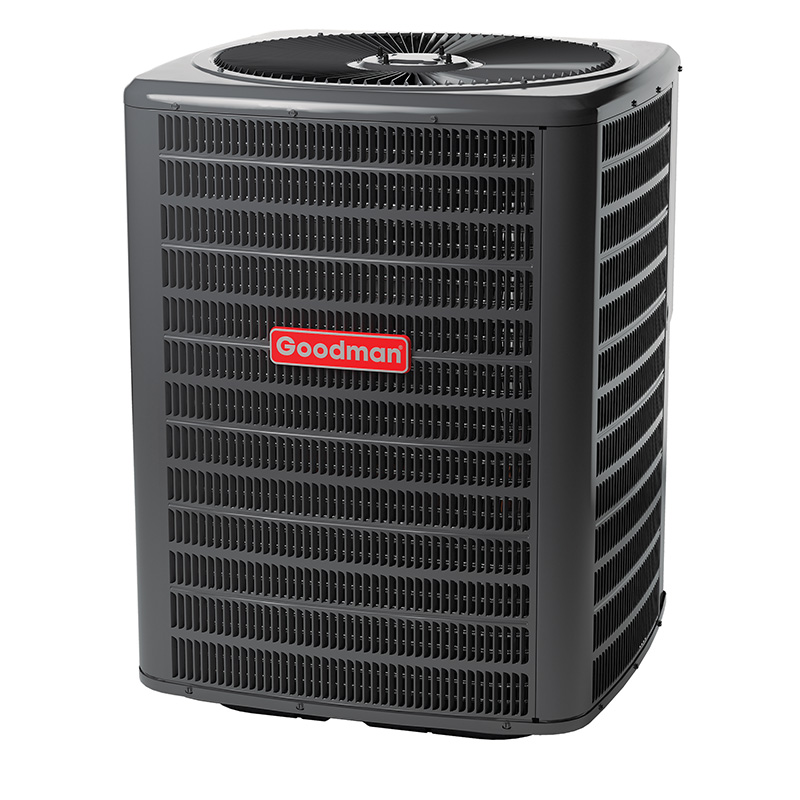
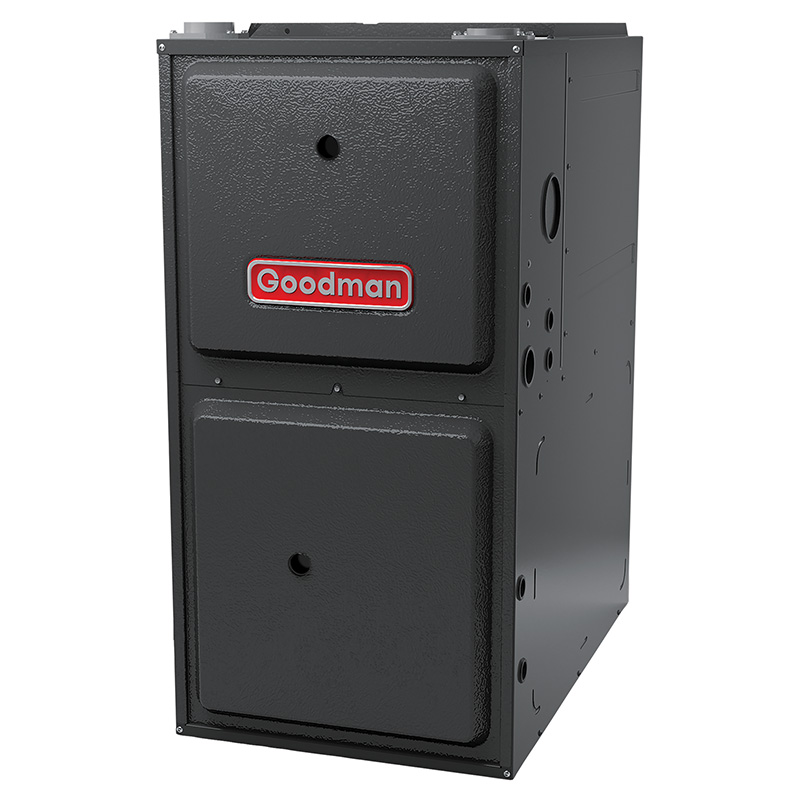
This Goodman bundle pairs a 5-ton, 15.5 SEER2 central air conditioner with a 100,000 BTU, 96% AFUE multi-speed ECM gas furnace in an upflow configuration. The combination is engineered for larger homes, typically in the 2,400 to 3,200 square foot range depending on climate zone, insulation, and window load. At 15.5 SEER2 the cooling side clears the federal minimum for most U.S. regions and lands in the mid-efficiency tier, delivering meaningful energy savings over older 13 or 14 SEER equipment without the premium price tag of variable-capacity systems. The furnace side at 96% AFUE means 96 cents of every gas dollar converts to usable heat, which is a strong efficiency number that reduces heating bills noticeably compared to 80% units.
The multi-speed ECM blower motor is a real functional upgrade over a basic single-speed fan. It ramps airflow up and down to match load, which improves dehumidification, reduces temperature swings room to room, and cuts blower electricity costs compared to a permanent split capacitor motor. The system uses R-32 refrigerant, which has a lower global warming potential than the R-410A it replaces and is the direction the industry is moving. One practical note: R-32 is slightly flammable (A2L classification), so code in some jurisdictions requires specific precautions during installation and service. Confirm your installer is familiar with R-32 handling before signing a contract.
This bundle suits budget-conscious homeowners in colder climates who want a high-AFUE furnace and a competent but not top-tier air conditioner, and who are willing to invest in a quality installation from a licensed contractor. It is not the right fit for buyers who want the quietest possible operation, the highest long-term reliability ceiling, or the simplest future-service story.
This Goodman system delivers a strong efficiency pairing at a price that typically undercuts comparable Carrier, Trane, and Lennox bundles by 15 to 25 percent, making it a legitimate option for cost-focused buyers. The 96% AFUE furnace and multi-speed ECM motor are genuine value adds, but the brand's documented track record on compressor longevity and coil leaks means long-term ownership costs can erode the upfront savings if the installation or early components underperform. It earns its place as a solid mid-tier workhorse, not a premium buy.
Overall score is the average of the five ratings above.
What we like
- Purchase price is typically 15 to 25 percent below Carrier, Trane, and Lennox equivalents
- 96% AFUE furnace is a high-efficiency rating that reduces heating bills in cold climates
- Multi-speed ECM motor improves dehumidification and comfort versus basic single-speed blowers
- 15.5 SEER2 meets or exceeds regional minimums and delivers real operating cost savings over older systems
- R-32 refrigerant is lower-GWP and positions the system for near-term regulatory compliance
Trade-offs
- Compressor lifespan averages 10 to 14 years versus 15 to 20 years for premium-brand compressors, raising long-run replacement risk
- Dual-run capacitor failures are the most commonly reported issue, and while repairs typically cost $300 to $600, they become more frequent after year 7
- A minority of owners report refrigerant leaks within the first year, generally tied to install or charge issues rather than the equipment itself
- Evaporator coil leaks appear in a meaningful share of owner reviews and can be a costly repair outside the warranty window
What homeowners and pros say about Goodman
Homeowners who have lived with a Goodman system for several years tend to describe a split experience. In the first few years, most are satisfied: the equipment does what it is supposed to do, the upfront savings feel real, and the affordability praise that shows up consistently in Google dealer reviews, where Goodman locations average around 3.8 out of 5, reflects that early ownership phase. The friction tends to arrive later. On ConsumerAffairs, where Goodman scores roughly 2.5 out of 5, the complaint pattern is telling: repair bills that start stacking up around year 7 or 8, often beginning with a capacitor replacement and escalating from there. Evaporator coil leaks are another theme that surfaces in owner accounts with enough frequency to be worth factoring into a long-range budget, as is the reality that Goodman compressors tend to reach end of life in the 10 to 14 year window rather than the 15 to 20 years that owners of premium-brand equipment sometimes report.
HVAC technicians tend to hold a more nuanced view of Goodman than either its fans or its critics. The consistent professional opinion is that the brand builds equipment to a price point, and that installation quality is the single largest variable in how long a Goodman system runs cleanly. Technicians who work on a lot of Goodman units point to the dual-run capacitor as the predictable maintenance item, a repair that runs $300 to $600 and is straightforward to complete, but that becomes a recurring cost as the system ages. For the specific combination in this listing, with its 96% AFUE furnace and multi-speed ECM motor, pros generally acknowledge those are solid specs for the money. The caution they add is consistent: spend what you save on upfront equipment cost to hire an experienced installer, and keep a maintenance contract in place so the capacitor and refrigerant charge are checked annually.
Sources: ConsumerAffairs Goodman owner reviews, AHRI Directory of Certified Product Performance, U.S. DOE appliance and equipment efficiency standards, Goodman product specification sheets.
What it costs to run
At 15.5 SEER2, cooling this 5-ton system for a typical 1200-hour cooling season at the U.S. average electricity rate of $0.17/kWh works out to roughly $790 per year in cooling, about $123 less per year than a minimum-efficiency 13.4 SEER2 unit of the same size. Your real cost depends on your climate and local rate.
Method: (60,000 BTU/hr ÷ 15.5 SEER2) × 1200 hours ÷ 1000 × $0.17/kWh. Rate source: U.S. EIA average; cooling hours: moderate-climate estimate.
How it compares
| Brand | Comparable model | SEER2 | Stage | Price position |
|---|---|---|---|---|
| Goodman | GSXH5 / GMVC96 Bundle | 15.5 | Multi-speed | Value pick |
| Carrier | Comfort 24ACC6 / 59SC5 | 15.2 | Single-stage | Typically 15 to 25 percent more than Goodman |
| Trane | XR15 / S9X2 | 15.0 | Single-stage | Typically 15 to 25 percent more than Goodman |
| Lennox | Merit ML15 / ML196 | 15.5 | Single-stage | Typically 15 to 25 percent more than Goodman |
Competitor rows are comparable single-stage units at similar efficiency; price is relative position, not a quote.
Questions about this system
Is R-32 refrigerant safe, and will local technicians be able to service this system?
R-32 is classified A2L, meaning it has mild flammability and requires specific handling precautions during installation and service. Most newer HVAC technicians are trained on A2L refrigerants, but it is worth confirming your chosen contractor has current R-32 certification before the install, especially in smaller markets where exposure to R-32 equipment may still be limited.
How long should I realistically expect this system to last?
Goodman compressors tend to average 10 to 14 years in practice, compared to 15 to 20 years reported for premium-brand compressors. A quality installation and annual maintenance can push that toward the higher end of the range, but it is reasonable to budget for a compressor or full system replacement in the 12 to 15 year window rather than expecting 20-plus years of trouble-free operation.
What is the most common repair this system will need, and what does it cost?
Dual-run capacitor failure is the most frequently reported issue on Goodman air conditioners. It is also one of the least expensive HVAC repairs, typically running $300 to $600 for parts and labor, and a good technician can complete it in under an hour. Capacitor failures tend to become more common after year 7 of ownership.
Does this upflow furnace work with a horizontal or downflow duct configuration?
No. This unit is configured for upflow installations only, meaning supply air exits from the top and return air enters from the bottom. If your ductwork runs horizontally in a crawlspace or the supply plenum is below the unit, you would need a horizontal or downflow model instead. Confirm your duct layout with your installer before purchasing.
Is 5 tons the right size for my home, and what happens if it is oversized?
Five tons is generally appropriate for homes in the 2,400 to 3,200 square foot range, but the correct size depends on your climate zone, insulation levels, window area, and home orientation. An oversized unit will short-cycle, meaning it cools the air quickly but shuts off before properly removing humidity, leaving the home feeling clammy. Ask your installer to perform a Manual J load calculation before committing to any equipment size.
Specifications
| Cooling capacity | 5 Ton |
| Efficiency | 15.5 SEER2 |
| Furnace output | 100000 BTU |
| Furnace efficiency | 96% AFUE |
| Configuration | Upflow |
| Refrigerant | R-32 |