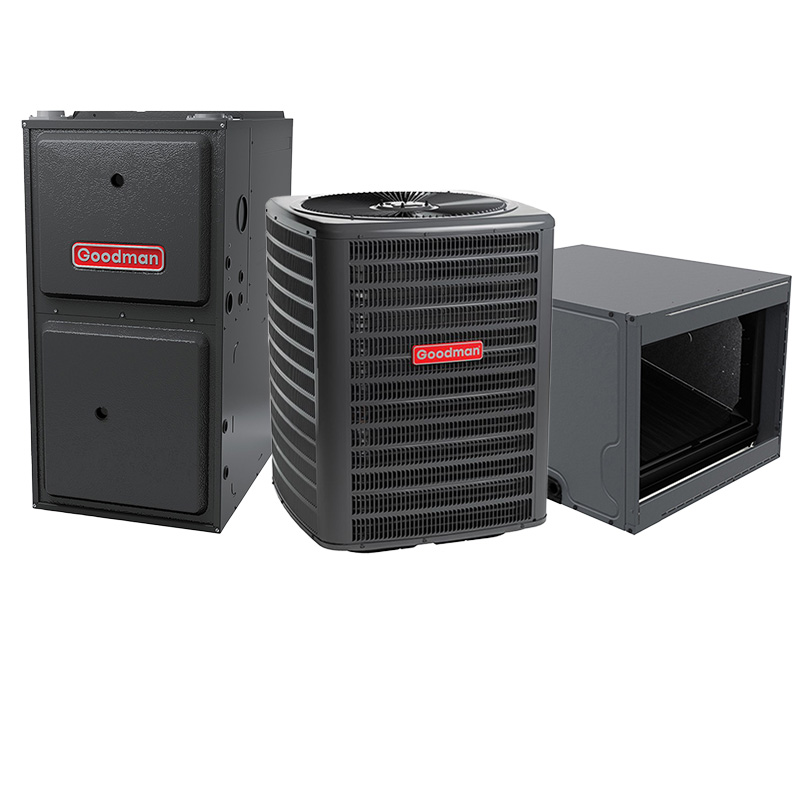
Goodman Furnace AC Combo – 2.5 Ton 15.2 SEER2 AC With 60000 BTU 97% AFUE Modulating Variable-Speed ECM Gas Furnace System – Horizontal | R32
View on AC Direct see your lowest price →Check current price on AC Direct →
Key features
- 2.5-ton cooling capacity with 15.2 SEER2 efficiency rating
- 60,000 BTU modulating gas furnace rated at 97% AFUE
- Variable-speed ECM blower motor for quieter, more consistent airflow
- Horizontal configuration for attic, crawlspace, or side-mounted installs
- R-32 refrigerant with lower global warming potential than R-410A
- Modulating gas valve adjusts heat output in small increments to match load
About this system
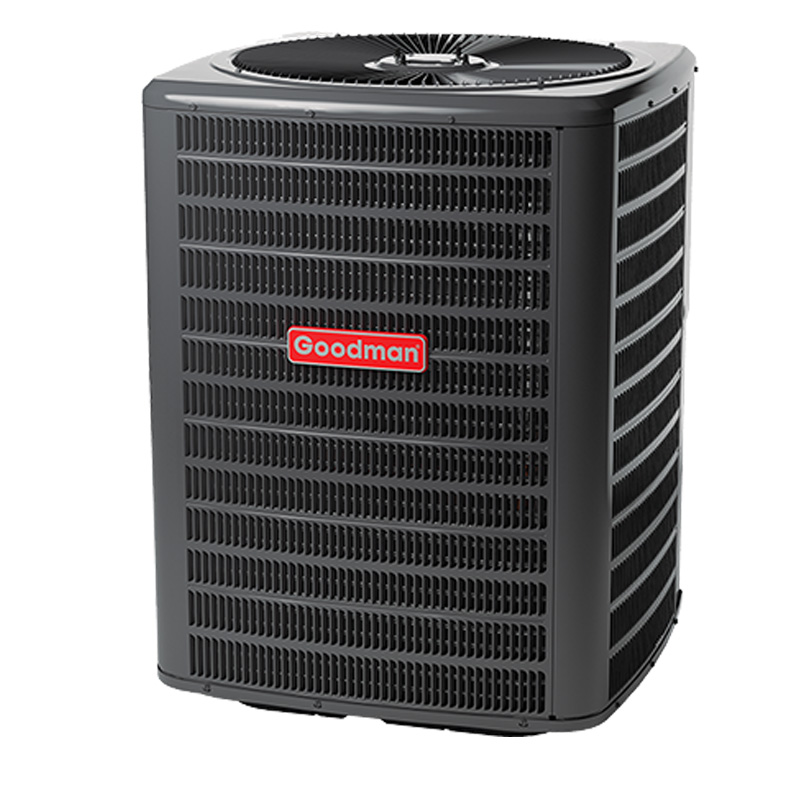
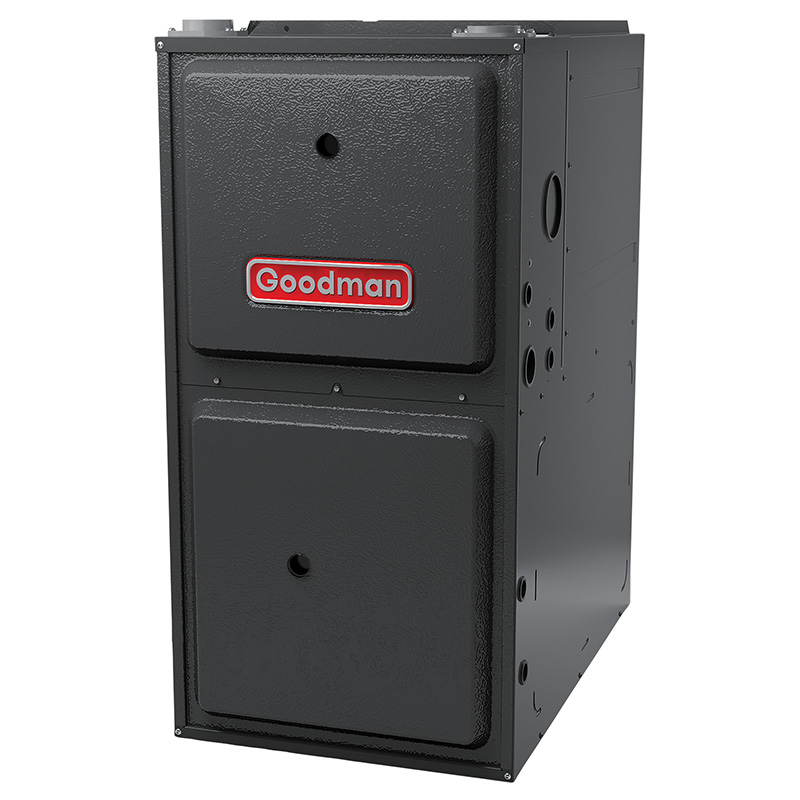
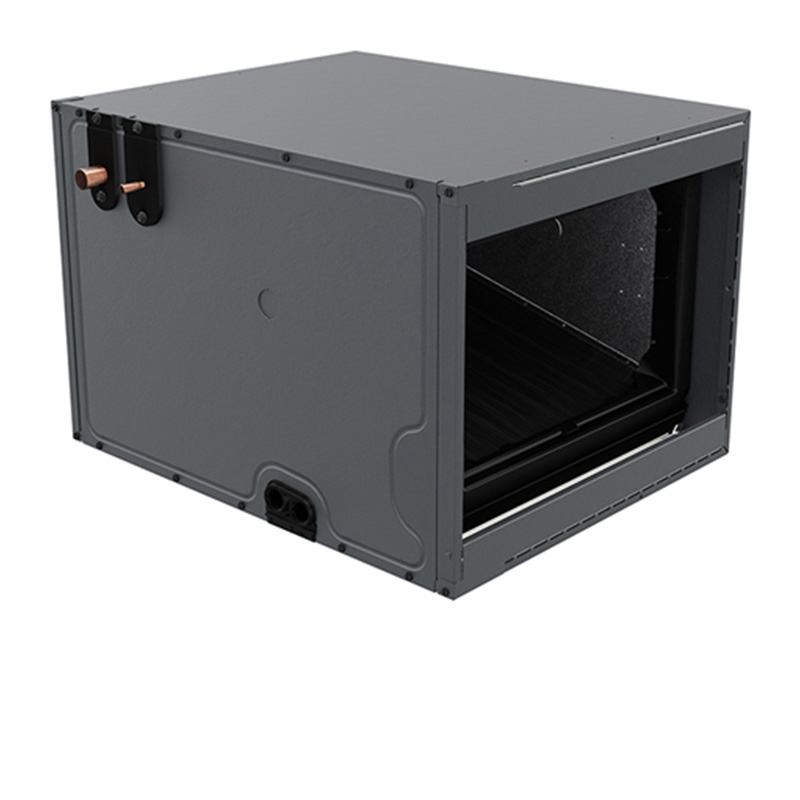
The Goodman GLXS4BA3010 pairs a 2.5-ton, 15.2 SEER2 air conditioner with a 60,000 BTU, 97% AFUE modulating gas furnace in a horizontal configuration, making it purpose-built for homes where attic or crawlspace installations are the only practical option. The R-32 refrigerant charge is a step forward environmentally, carrying a significantly lower global warming potential than the R-410A it replaces, and it typically requires a smaller refrigerant volume to do the same cooling work. At 15.2 SEER2, this system sits just above the federal minimum efficiency threshold for most U.S. regions, which means it is respectable but not a top-tier efficiency performer.
Where this combo genuinely stands out is on the heating side. A 97% AFUE modulating furnace is a high-efficiency product by any standard, and the variable-speed ECM blower motor means airflow adjusts continuously rather than cycling at full blast. That translates to more even temperatures room to room, quieter operation during most run cycles, and better dehumidification performance because the air moves more slowly across the evaporator coil. The modulating gas valve pairs well with that blower, stepping heat output up or down to match actual load rather than always firing at full capacity. For a mild-to-moderate climate where the furnace does most of the seasonal work and the AC handles shorter summer stretches, this balance of specs makes practical sense.
This Goodman combo delivers a genuinely high-efficiency furnace with a competent but entry-level cooling rating, and it does so at a price point 15 to 25 percent below comparable equipment from Trane, Carrier, or Lennox. The 97% AFUE modulating furnace is the real value here, though buyers should be clear-eyed about Goodman's documented reliability history and the outsized role installation quality plays in how long the system lasts.
Overall score is the average of the five ratings above.
What we like
- 97% AFUE modulating furnace is among the most efficient gas furnace configurations available
- Variable-speed ECM blower improves comfort, humidity control, and sound levels versus single-speed alternatives
- R-32 refrigerant is more environmentally responsible and widely supported by newer HVAC technicians
- Horizontal configuration opens up installation options in homes without basement or closet space
- Priced meaningfully below comparable premium-brand matched systems, reducing upfront cost
Trade-offs
- 15.2 SEER2 is near the regulatory minimum and lags behind higher-efficiency options in the same price tier from some competitors
- Dual-run capacitors and evaporator coil leaks are the most frequently reported failure points in owner reviews, and compressor lifespan averages 10 to 14 years versus 15 to 20 for premium brands
- Horizontal installs are more complex than standard upflow configurations and demand careful attention to condensate drainage and leveling, making installer selection critical
- A minority of owners report refrigerant leaks within the first year, which most technicians attribute to installation or initial charge issues rather than manufacturing defects
What homeowners and pros say about Goodman
Homeowners who research Goodman quickly run into a split picture. On Google dealer review pages, the brand averages around 3.8 out of 5 across hundreds of reviews per location, and the most repeated praise is straightforward: the price is hard to argue with for what you get. On ConsumerAffairs, the score drops to roughly 2.5 out of 5, but that platform draws a complaint-heavy audience by design. The pattern that emerges from reading across both sources is that owners who had smooth installs with experienced contractors tend to report years of trouble-free operation, while those who had rushed or cut-rate installations are the ones showing up in repair cost threads by year seven or eight. For this horizontal combo specifically, that dynamic matters even more because attic and crawlspace installs demand careful condensate management and precise leveling that less experienced crews sometimes shortcut.
HVAC technicians who service Goodman equipment have a consistent list of things they watch for. Dual-run capacitors are the most routine callout, and most technicians describe the repair as quick and inexpensive in the 300 to 600 dollar range. Evaporator coil leaks appear often enough in owner accounts to be worth budgeting for, and compressor longevity typically runs 10 to 14 years, which is shorter than the 15 to 20 years more commonly reported for Trane, Carrier, and Lennox compressors. A small number of first-year refrigerant leak reports show up in owner feedback as well, and the technician consensus is that these usually trace back to the install or initial charge rather than a manufacturing flaw. The 97% AFUE modulating furnace in this system earns genuine respect from technicians who work on it, and the ECM blower is considered a meaningful comfort upgrade over fixed-speed alternatives at this price tier.
Sources: ConsumerAffairs Goodman owner reviews, AHRI Directory of Certified Product Performance, U.S. DOE appliance and equipment efficiency standards, Goodman product specification sheets.
What it costs to run
At 15.2 SEER2, cooling this 2.5-ton system for a typical 1200-hour cooling season at the U.S. average electricity rate of $0.17/kWh works out to roughly $403 per year in cooling, about $54 less per year than a minimum-efficiency 13.4 SEER2 unit of the same size. Your real cost depends on your climate and local rate.
Method: (30,000 BTU/hr ÷ 15.2 SEER2) × 1200 hours ÷ 1000 × $0.17/kWh. Rate source: U.S. EIA average; cooling hours: moderate-climate estimate.
How it compares
| Brand | Comparable model | SEER2 | Stage | Price position |
|---|---|---|---|---|
| Goodman | GLXS4BA3010 (This System) | 15.2 | Single-stage AC / Modulating furnace | Value pick |
| Carrier | Comfort 14 Series (24ACC4) | 15.2 | Single-stage | Typically 15 to 25 percent more than this Goodman system |
| Trane | XR15 Series | 15.2 | Single-stage | Typically 15 to 25 percent more than this Goodman system |
| Lennox | Merit ML14XC1 Series | 15.2 | Single-stage | Typically 15 to 25 percent more than this Goodman system |
Competitor rows are comparable single-stage units at similar efficiency; price is relative position, not a quote.
Questions about this system
Why is this system horizontal-only, and can it be converted to upflow?
The GLXS4BA3010 furnace is factory-configured for horizontal airflow, which means it is designed to lie on its side in an attic or crawlspace rather than stand upright. Converting it to an upflow configuration is not supported and would void the warranty, so if your home requires a vertical install, you need a different cabinet orientation from the start.
Is R-32 refrigerant harder to find or more expensive to service than R-410A?
R-32 is increasingly common as the industry moves away from R-410A, and most licensed HVAC technicians now have the equipment and certifications to handle it. Refrigerant costs can vary by region, but R-32 generally requires less refrigerant by weight to achieve the same cooling output, which can partially offset any price-per-pound differences.
What does modulating mean on the furnace, and does it actually save money on gas bills?
A modulating gas valve can fire at varying output levels rather than just on or off at full capacity, so the furnace runs at lower inputs for longer periods during mild weather and ramps up only when the load demands it. This typically results in more even temperatures and meaningfully lower gas consumption compared to single-stage or two-stage furnaces in climates with long heating seasons.
Goodman has mixed reviews online. Should I be worried about reliability with this specific system?
Goodman carries a ConsumerAffairs rating of roughly 2.5 out of 5, though that channel skews heavily toward complaints. The most documented failure points are dual-run capacitors (usually a low-cost repair), evaporator coil leaks, and compressors that tend to average 10 to 14 years rather than the 15 to 20 years more common in premium brands. Technicians consistently point to installation quality as the single largest variable in how long any Goodman system lasts, so choosing an experienced installer matters more here than with some competing brands.
Is 2.5 tons the right size for my home, and what square footage does it typically cover?
A rough rule of thumb places 2.5 tons in the range of 1,200 to 1,600 square feet, but actual sizing depends on your climate zone, insulation levels, window area, and ceiling height. An oversized or undersized system will underperform regardless of brand or efficiency rating, so a Manual J load calculation by a licensed HVAC contractor is the only reliable way to confirm the right tonnage for your specific home.
Specifications
| Cooling capacity | 2.5 Ton |
| Efficiency | 15.2 SEER2 |
| Furnace output | 60000 BTU |
| Furnace efficiency | 97% AFUE |
| Configuration | Horizontal |
| Refrigerant | R-32 |
| Model | GLXS4BA3010 |