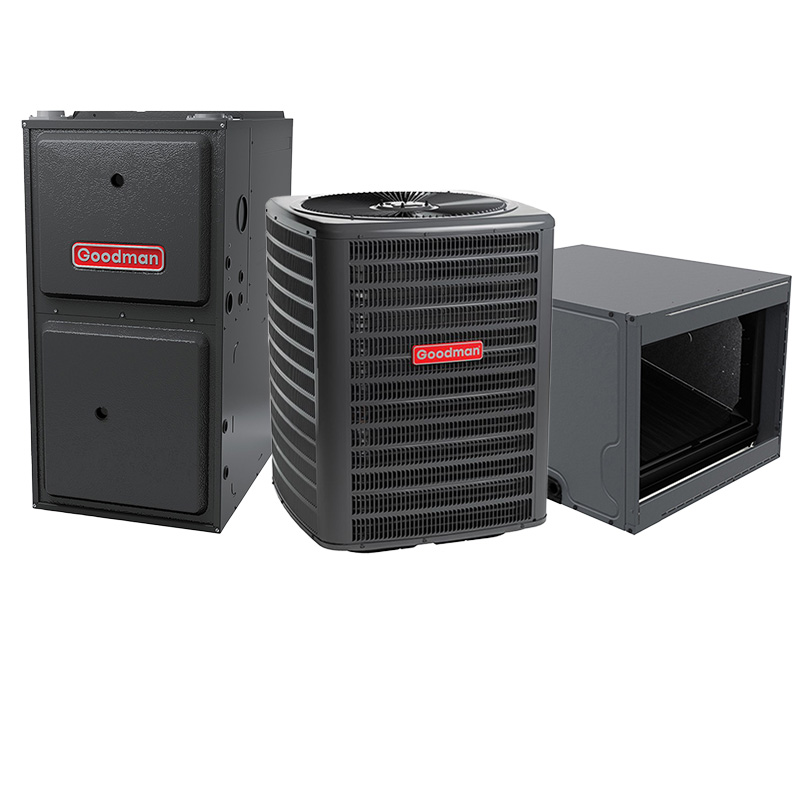
Goodman Furnace AC Combo – 2 Ton 14.5 SEER2 AC With 80000 BTU 97% AFUE Modulating Variable-Speed ECM Gas Furnace System – Horizontal | R32
View on AC Direct see your lowest price →Check current price on AC Direct →
Key features
- 97% AFUE modulating gas furnace extracts near-maximum heat from every therm of gas
- Variable-speed ECM blower motor cuts fan electricity use and reduces airflow noise
- 14.5 SEER2 cooling efficiency meets current federal minimum standards for most U.S. regions
- Horizontal configuration fits attics, crawl spaces, and side-load mechanical closets
- R-32 refrigerant charge, lower global-warming potential than legacy R-410A systems
- 2-ton (24,000 BTU/hr) cooling capacity sized for smaller homes and moderate climates
About this system
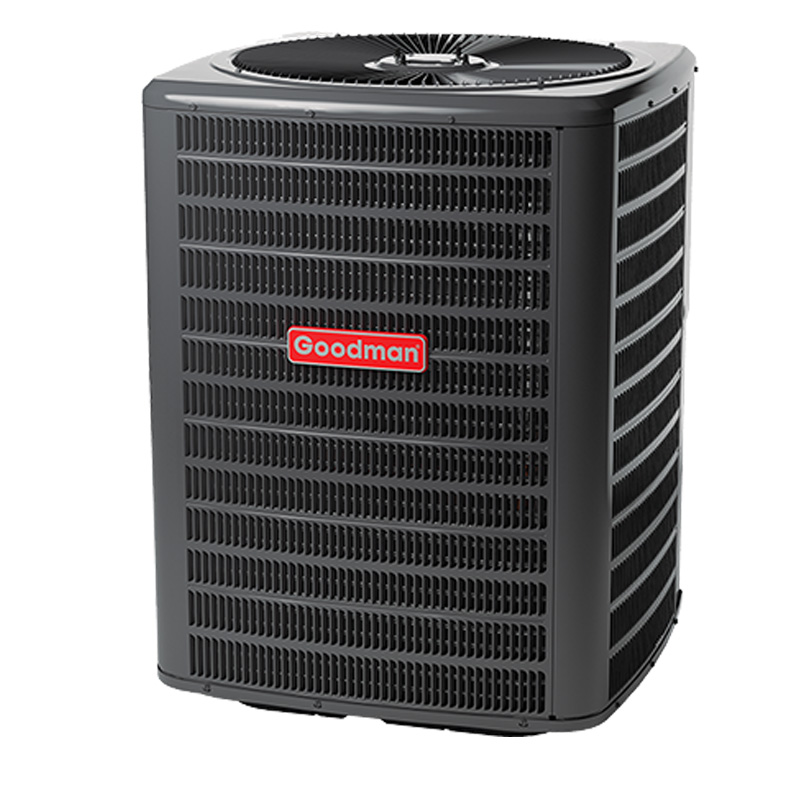
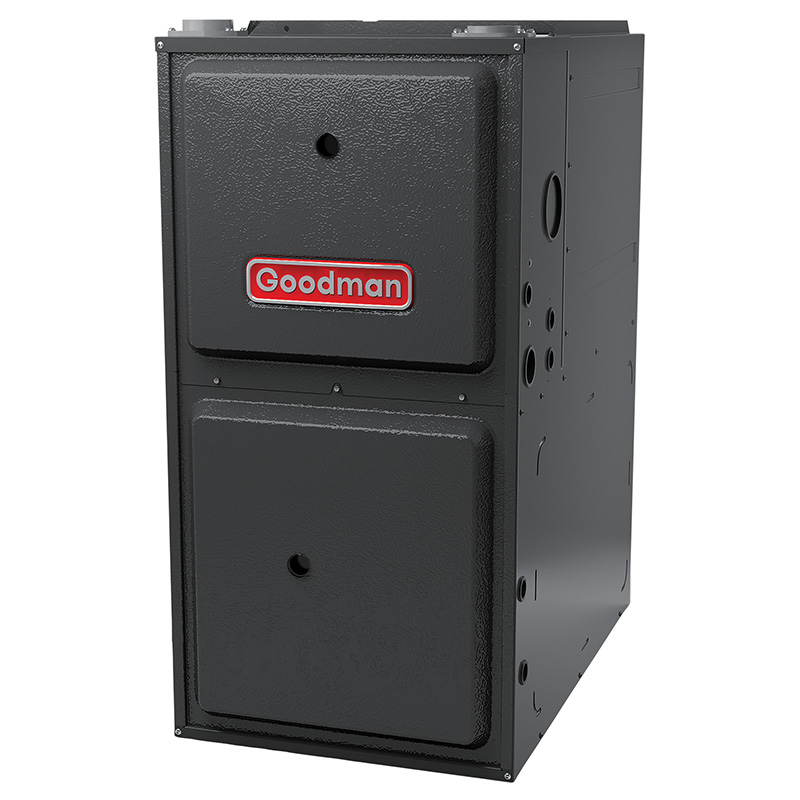
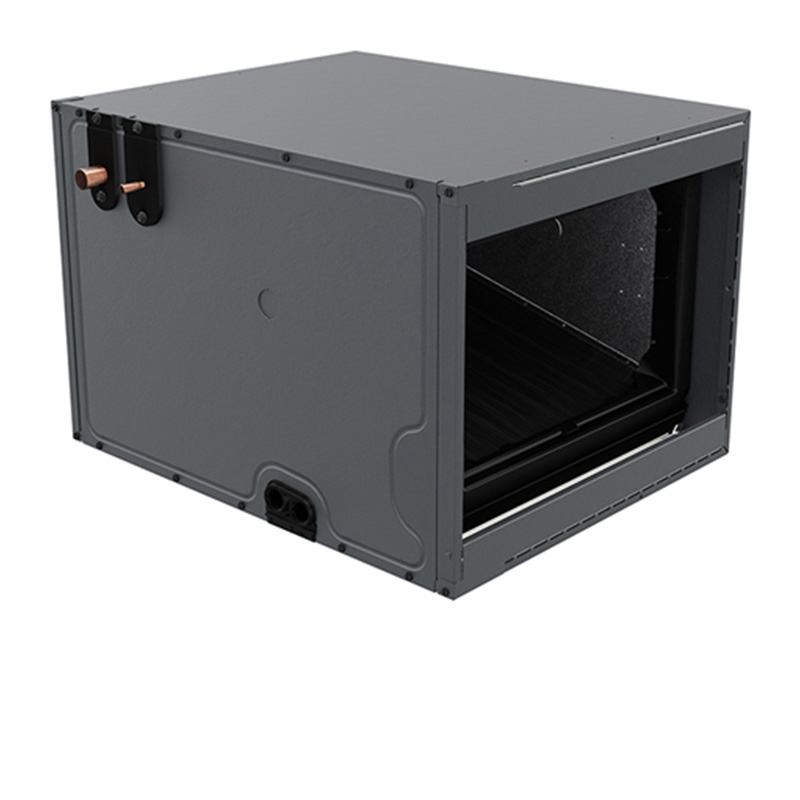
The Goodman GLXS4BA2410 pairs a 2-ton, 14.5 SEER2 central air conditioner with an 80,000 BTU, 97% AFUE modulating gas furnace in a horizontal configuration, making it a practical choice for homes where equipment sits in a crawl space, attic, or side-closet with limited vertical clearance. The R-32 refrigerant charge is a forward-looking detail: R-32 has a lower global-warming potential than the older R-410A it replaces and is increasingly the industry standard, so parts and refrigerant access should remain solid for the foreseeable future.
The furnace side is the standout here. A 97% AFUE modulating burner with a variable-speed ECM blower is genuinely high-end technology at a value-brand price. Modulating means the burner adjusts its output in small increments rather than cycling fully on and off, which steadies indoor temperatures, reduces cold-start noise, and squeezes nearly all available heat from every cubic foot of gas. The ECM motor uses a fraction of the electricity a standard PSC motor draws, adding a quiet, ongoing efficiency dividend on top of the furnace AFUE number. The 14.5 SEER2 cooling rating is entry-level by today’s standards, acceptable for moderate climates but not the efficiency ceiling buyers in hot regions should aim for.
This system suits homeowners replacing aging equipment in a modest-sized home, roughly 800 to 1,200 square feet depending on insulation and climate, who want a high-efficiency furnace without paying premium-brand prices and who can live with a baseline cooling efficiency rating. It is not the right call for buyers who prioritize long compressor life above all else or who need two-stage or variable cooling comfort on hot summer days.
This combo delivers genuinely premium furnace technology at a value-brand price point, and the modulating, variable-speed heating side is hard to beat dollar for dollar. The cooling half is serviceable but basic, and Goodman's documented track record of capacitor failures, coil leaks, and shorter compressor lifespans means buyers should factor potential repair costs into the true ownership cost. If install quality and a funded repair budget are both in place, this system offers strong heating value with eyes-open trade-offs on the AC side.
Overall score is the average of the five ratings above.
What we like
- 97% AFUE modulating furnace is top-tier heating efficiency at a below-premium price
- Variable-speed ECM blower provides quieter, more consistent airflow than single-speed alternatives
- R-32 refrigerant positions the system well for parts and service availability going forward
- Horizontal layout opens up installation sites unavailable to upflow-only equipment
- Priced roughly 15 to 25 percent below comparable Trane, Carrier, and Lennox systems
Trade-offs
- Dual-run capacitors are the most commonly reported failure point, typically surfacing within the first several years of use
- Evaporator coil leaks appear in a meaningful share of owner reports, a repair that can run into the hundreds of dollars
- Compressor lifespan averages 10 to 14 years versus 15 to 20 for premium-brand compressors, a real long-term cost factor
- 14.5 SEER2 is entry-level cooling efficiency and will cost more to operate than higher-SEER2 alternatives in hot climates
What homeowners and pros say about Goodman
Homeowners who leave reviews on ConsumerAffairs give Goodman equipment around 2.5 out of 5, and the recurring theme is not early failure but rather repair costs that start climbing after roughly year 7, at which point some owners feel they are subsidizing the lower purchase price through service bills. Google dealer reviews tell a more balanced story, averaging around 3.8 out of 5, where the most common praise is straightforward: the price made the system accessible to buyers who could not stretch to a Trane or Carrier. For this specific combo, where the furnace is genuinely high-spec, that value equation is arguably at its strongest, since the modulating, variable-speed heating hardware would cost meaningfully more under a premium nameplate.
HVAC technicians tend to hold two views simultaneously about Goodman. They note that the documented failure modes are real and predictable: dual-run capacitors are a when-not-if repair on many units, evaporator coil leaks show up in owner accounts with enough regularity to be worth watching, and compressor lifespans trending in the 10-to-14-year range versus 15-to-20 for premium brands is a structural trade-off, not an anomaly. At the same time, many techs will say that a well-installed Goodman in a properly sized application, with the refrigerant charge verified on day one, performs without drama for years. The emphasis on install quality is not a deflection; it genuinely shapes outcomes more on value-brand equipment than on premium gear, where tighter factory tolerances leave less margin for field variation.
Sources: ConsumerAffairs Goodman owner reviews, AHRI Directory of Certified Product Performance, U.S. DOE appliance and equipment efficiency standards, Goodman product specification sheets.
What it costs to run
At 14.5 SEER2, cooling this 2-ton system for a typical 1200-hour cooling season at the U.S. average electricity rate of $0.17/kWh works out to roughly $338 per year in cooling, about $27 less per year than a minimum-efficiency 13.4 SEER2 unit of the same size. Your real cost depends on your climate and local rate.
Method: (24,000 BTU/hr ÷ 14.5 SEER2) × 1200 hours ÷ 1000 × $0.17/kWh. Rate source: U.S. EIA average; cooling hours: moderate-climate estimate.
How it compares
| Brand | Comparable model | SEER2 | Stage | Price position |
|---|---|---|---|---|
| Goodman | GLXS4BA2410 with GMVM970803BN | 14.5 | Variable (furnace modulating, AC single-stage) | Value pick |
| Carrier | Comfort 24ACC4 with 58MVC | 14.5 to 15 | Single-stage AC, modulating furnace | Typically 15 to 25 percent more than this Goodman system |
| Trane | XR14c with S9V2 | 14.5 to 15 | Single-stage AC, variable-speed modulating furnace | Typically 15 to 25 percent more than this Goodman system |
| Lennox | Merit ML14XC1 with SLP98V | 14.5 to 15 | Single-stage AC, modulating variable-speed furnace | Typically 15 to 25 percent more than this Goodman system |
Competitor rows are comparable single-stage units at similar efficiency; price is relative position, not a quote.
Questions about this system
Why does this system use R-32 instead of R-410A, and does that affect servicing?
R-32 is replacing R-410A industry-wide because it has a significantly lower global-warming potential. Most certified HVAC technicians are already working with R-32, and availability is growing, so routine service and recharges should not be harder to source than with older refrigerants. Confirm your installer is certified to handle R-32 before scheduling.
What does 'modulating' mean on the furnace, and is it noticeably different from a two-stage furnace?
A modulating furnace adjusts its flame output across many small increments, not just two fixed levels, so it runs longer at lower capacity to hold a steady temperature rather than cycling fully on and off. Most homeowners notice less temperature swing, quieter operation during long heating cycles, and lower cold-air drafts compared with single-stage or two-stage units. The gap is real and meaningful in climates with long heating seasons.
What is the most common repair I should budget for, and roughly what does it cost?
Dual-run capacitors are the most frequently reported failure on Goodman systems and typically cost between 300 and 600 dollars to diagnose and replace, including a service call. Evaporator coil leaks are also documented and can cost considerably more depending on parts and labor. Setting aside a small annual repair fund is a reasonable precaution.
Is 14.5 SEER2 going to cost me noticeably more to run than a higher-efficiency AC?
In mild to moderate climates with shorter cooling seasons the operating cost difference between 14.5 SEER2 and, say, 17 or 18 SEER2 is modest on a small 2-ton system. In hot climates where the AC runs for many hours daily, the gap widens and a higher-SEER2 unit can pay back the price difference within several years. Run an estimated annual cooling-hour calculation for your area before deciding.
Does the horizontal configuration limit which direction the unit can be installed, and can any HVAC tech handle it?
Horizontal units are designed to lie on their side in attics, crawl spaces, or side-load closets, and they are not interchangeable with upflow or downflow configurations without the manufacturer's specific conversion kit, which may or may not be available for this model. Confirm your installer has experience with horizontal air handlers and verify the drain pan orientation and condensate routing before the job starts, as improper slope is a common source of leaks in horizontal installations.
Specifications
| Cooling capacity | 2 Ton |
| Efficiency | 14.5 SEER2 |
| Furnace output | 80000 BTU |
| Furnace efficiency | 97% AFUE |
| Configuration | Horizontal |
| Refrigerant | R-32 |
| Model | GLXS4BA2410 |