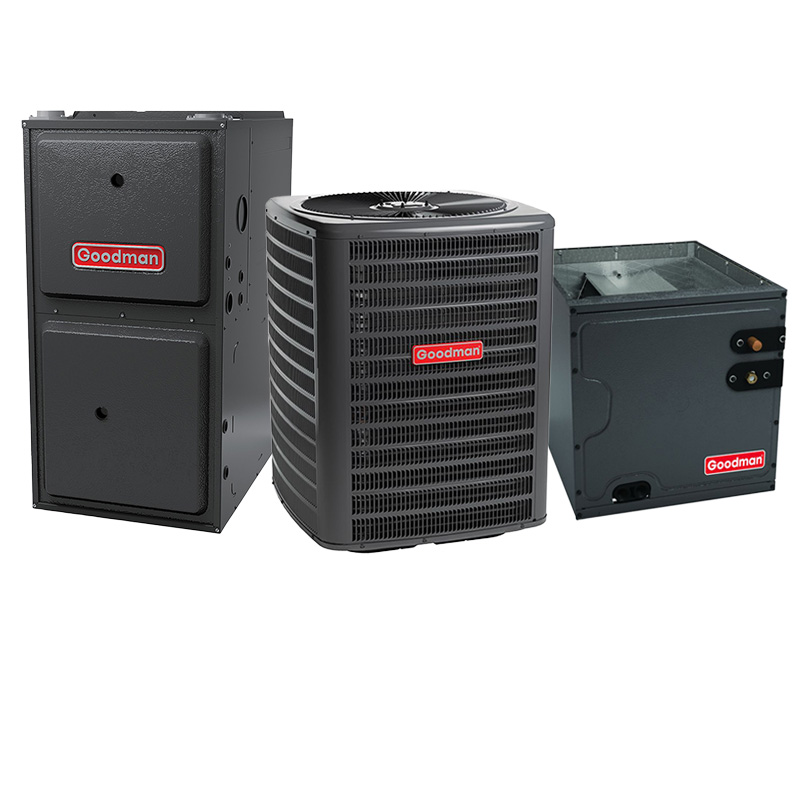
Goodman Furnace AC Combo – 2 Ton 15.2 SEER2 AC With 80000 BTU 97% AFUE Modulating Variable-Speed ECM Gas Furnace System – Upflow | R32
View on AC Direct see your lowest price →Check current price on AC Direct →
Key features
- 2-ton cooling capacity, 15.2 SEER2 efficiency rating
- 80,000 BTU modulating gas furnace at 97% AFUE
- Variable-speed ECM blower motor for quieter, lower-humidity operation
- R-32 refrigerant with lower global warming potential than R-410A
- Upflow configuration for basement or closet installations
- Matched system design for verified efficiency and warranty compliance
About this system
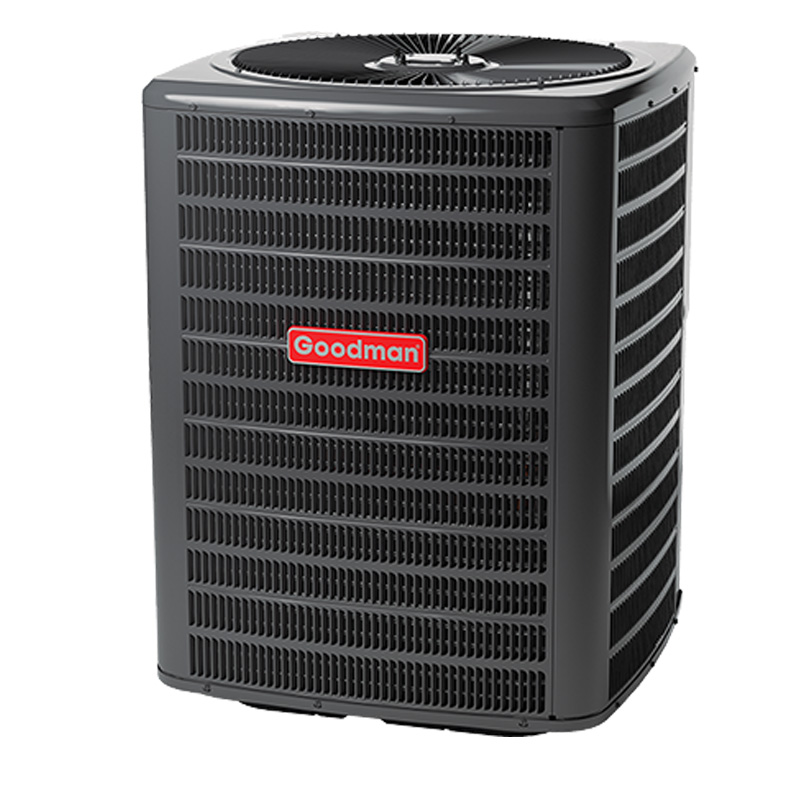
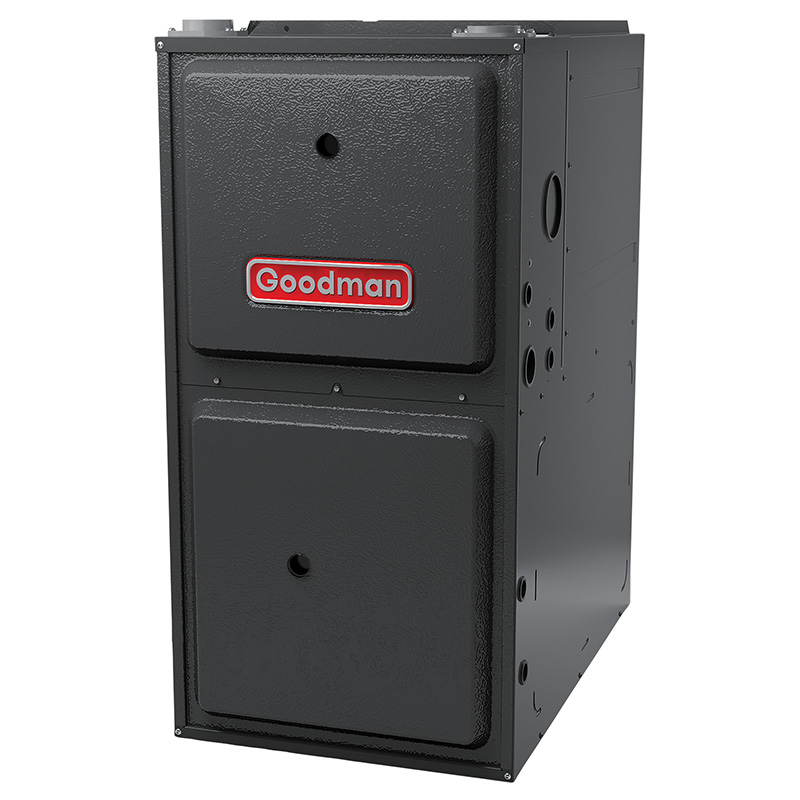
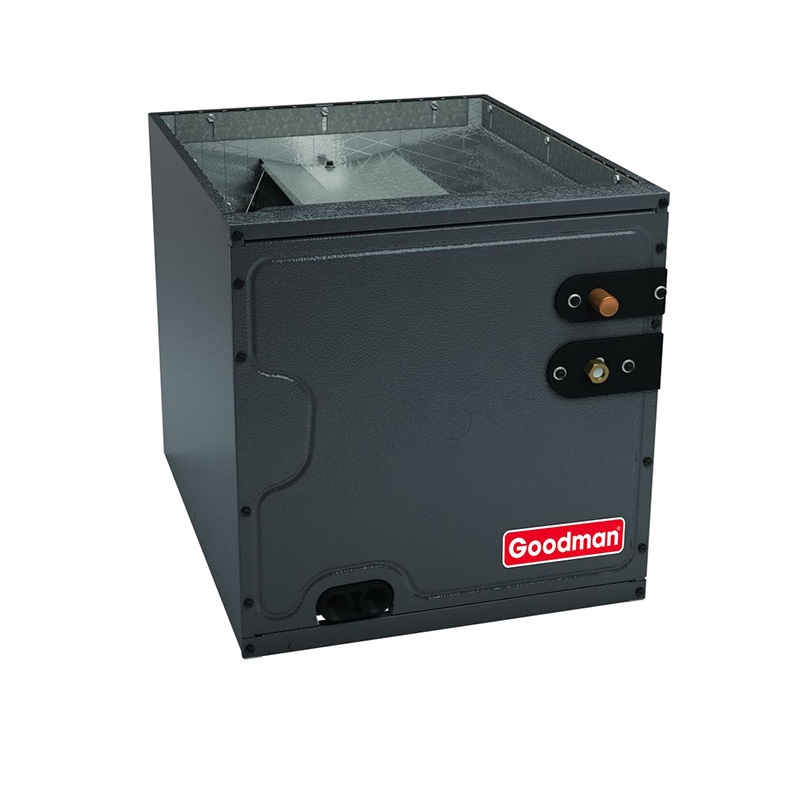
This Goodman combo pairs a 2-ton, 15.2 SEER2 central air conditioner with an 80,000 BTU, 97% AFUE modulating gas furnace in an upflow configuration. The result is a system that sits at the upper tier of efficiency for both cooling and heating: 15.2 SEER2 clears the federal minimum by a meaningful margin, and 97% AFUE means only three cents of every heating dollar escapes up the flue. The modulating gas valve adjusts output in small increments rather than simply cycling on and off, which smooths out temperature swings and reduces cold spots. The variable-speed ECM blower motor complements that by running at lower speeds for longer cycles, improving humidity control and air distribution while drawing less electricity than a standard PSC motor.
The R-32 refrigerant charge is worth noting for buyers thinking ahead. R-32 has a lower global warming potential than the R-410A it replaces and is becoming the industry standard, so sourcing refrigerant for future service calls should not be a concern over the system’s lifetime. Upflow configuration suits the most common furnace placement in the continental U.S.: basement or closet installations where conditioned air rises into living space through supply ductwork above. This is not a two-piece convenience kit; it is a matched system, and performance claims depend on correct sizing, refrigerant charge, and airflow setup by a licensed technician. For a small-to-medium home in a climate that sees genuine winter heating loads, the combination of modulating heat and variable-speed airflow delivers measurably better comfort than a single-stage alternative at the same or lower price point.
This Goodman combo delivers genuine high-efficiency performance at a price that typically undercuts comparable Trane, Carrier, and Lennox systems by 15 to 25 percent, making it a credible choice for budget-conscious buyers who prioritize comfort features like modulating heat and variable-speed airflow. The trade-off is a brand track record that shows higher-than-average component replacement rates after year seven, particularly capacitors and evaporator coils, so the long-term value calculation depends on how well the system is installed and maintained. Buyers who pair it with a reputable installer and budget for potential mid-life repairs can get strong results; those expecting set-it-and-forget-it longevity comparable to premium brands may be disappointed.
Overall score is the average of the five ratings above.
What we like
- 97% AFUE modulating furnace is among the most efficient gas heat options available at this price tier
- Variable-speed ECM motor meaningfully improves humidity control and reduces temperature swings versus single-stage systems
- R-32 refrigerant is future-compatible as the industry moves away from R-410A
- Priced 15 to 25 percent below comparable Carrier, Trane, and Lennox equipment
- 15.2 SEER2 qualifies for many utility rebate programs, partially offsetting purchase cost
Trade-offs
- Dual-run capacitors are the most frequently reported failure point, typically requiring a 300 to 600 dollar repair around or before year seven
- Evaporator coil leaks appear in a meaningful share of owner accounts, a more expensive repair than a capacitor swap
- Compressor lifespan averages 10 to 14 years versus 15 to 20 years for premium brands, shortening the replacement cycle
- A minority of owners report refrigerant leaks within the first year, most often traced to install or charge errors rather than the unit itself
What homeowners and pros say about Goodman
Owners and HVAC professionals who work with Goodman equipment generally land in the same place: the brand earns its reputation as an accessible, budget-forward option whose real-world results hinge almost entirely on how well the system was installed. On ConsumerAffairs, Goodman sits at roughly 2.5 out of 5, a score shaped in part by the platform’s complaint-heavy audience, where the recurring pattern is repair costs accumulating after year seven. Google dealer reviews tell a somewhat more balanced story, averaging around 3.8 out of 5 across many locations, with affordability coming up consistently as the reason buyers chose Goodman in the first place. Neither number reflects a brand that competes with Trane or Carrier on long-term durability, and neither should suggest the equipment is unreliable out of the box.
For this specific system, the documented failure modes are worth understanding before purchase. Dual-run capacitor failures are the most frequently cited issue across Goodman owner accounts and are generally a straightforward, lower-cost repair. Evaporator coil leaks appear in a meaningful portion of reviews and carry a higher repair price and more disruption. Compressor longevity, averaging 10 to 14 years versus 15 to 20 for premium brands, shortens the window before a system-level replacement becomes the more economical choice. A small but notable share of owners have reported refrigerant leaks in the first year, a pattern that technicians typically attribute to charging errors at installation rather than factory defects. On a modulating, variable-speed system like this one, the precision of the initial setup matters more than it does on a simpler single-stage unit, which is why every experienced installer asked about Goodman equipment leads with the same advice: the installer matters as much as the brand.
Sources: ConsumerAffairs Goodman owner reviews, AHRI Directory of Certified Product Performance, U.S. DOE appliance and equipment efficiency standards, Goodman product specification sheets.
What it costs to run
At 15.2 SEER2, cooling this 2-ton system for a typical 1200-hour cooling season at the U.S. average electricity rate of $0.17/kWh works out to roughly $322 per year in cooling, about $43 less per year than a minimum-efficiency 13.4 SEER2 unit of the same size. Your real cost depends on your climate and local rate.
Method: (24,000 BTU/hr ÷ 15.2 SEER2) × 1200 hours ÷ 1000 × $0.17/kWh. Rate source: U.S. EIA average; cooling hours: moderate-climate estimate.
How it compares
| Brand | Comparable model | SEER2 | Stage | Price position |
|---|---|---|---|---|
| Goodman | GLXS4BA2410 (this system) | 15.2 | Variable / Modulating | Value pick |
| Carrier | Infinity 16 (24VNA636 series with modulating furnace) | 16+ | Variable | Typically 15 to 25 percent more than this Goodman system |
| Trane | XV18 / S9V2 modulating furnace combo | 16+ | Variable | Typically 15 to 25 percent more than this Goodman system |
| Lennox | XC16 / SLP99V modulating furnace combo | 16+ | Variable | Typically 15 to 25 percent more than this Goodman system |
Competitor rows are comparable single-stage units at similar efficiency; price is relative position, not a quote.
Questions about this system
Is 2 tons the right size for my house, or should I upsize to a 2.5-ton unit?
Tonnage should be determined by a Manual J load calculation performed by your installer, not by square footage rules of thumb. Oversizing a modulating system is a common and costly mistake: it short-cycles, reduces dehumidification, and can accelerate wear. Have your contractor run the calculation before purchasing.
What does the modulating furnace actually do differently from a two-stage furnace?
A two-stage furnace operates at roughly 65% and 100% of capacity. A modulating furnace adjusts output across a much wider range, often from around 40% up to 100%, in small steps. The practical result is that the furnace runs longer at lower output, keeping room temperatures more even and reducing the blasts of hot air that single-stage and two-stage units produce when cycling on.
How does R-32 affect service costs compared to R-410A systems?
R-32 is widely stocked by HVAC wholesalers and is becoming the new industry standard, so refrigerant costs for future service calls should be comparable to or potentially lower than R-410A as supply scales up. Your technician will need equipment rated for R-32, which most current service trucks already carry or can easily add.
Goodman reviews mention capacitor failures. How worried should I be, and what does a repair cost?
Dual-run capacitor failure is the most commonly reported issue with Goodman equipment, and it typically shows up as the system failing to start or the compressor running while the fan does not. It is a relatively inexpensive fix, generally in the 300 to 600 dollar range including labor, and most technicians can complete it in under an hour. Keeping a service agreement in place makes it easier to catch early.
Does this system qualify for the federal energy efficiency tax credit?
The 97% AFUE furnace meets the efficiency threshold for the federal 25C residential energy efficiency tax credit, which can cover up to 30% of qualifying equipment and installation costs up to the annual cap. The AC portion must also meet efficiency criteria depending on your climate zone. Confirm current IRS rules and income limits with your tax preparer, as the specifics can change year to year.
Specifications
| Cooling capacity | 2 Ton |
| Efficiency | 15.2 SEER2 |
| Furnace output | 80000 BTU |
| Furnace efficiency | 97% AFUE |
| Configuration | Upflow |
| Refrigerant | R-32 |
| Model | GLXS4BA2410 |