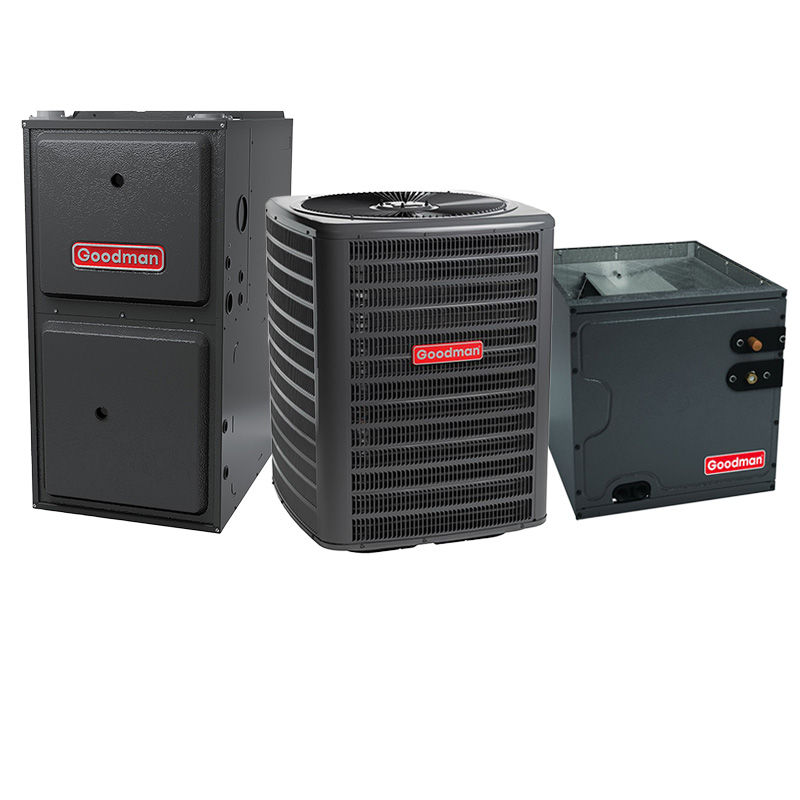
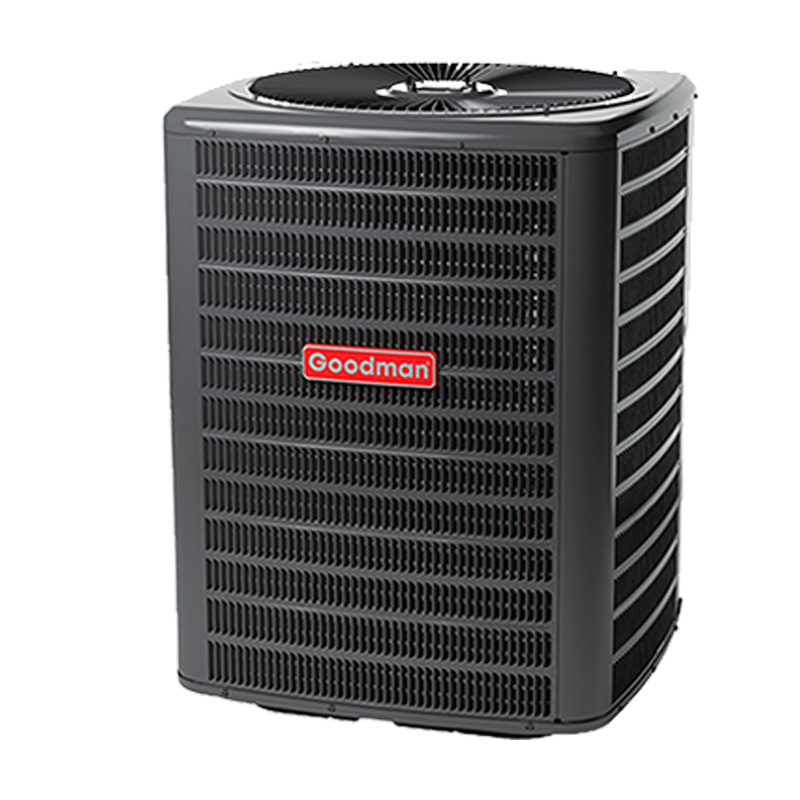
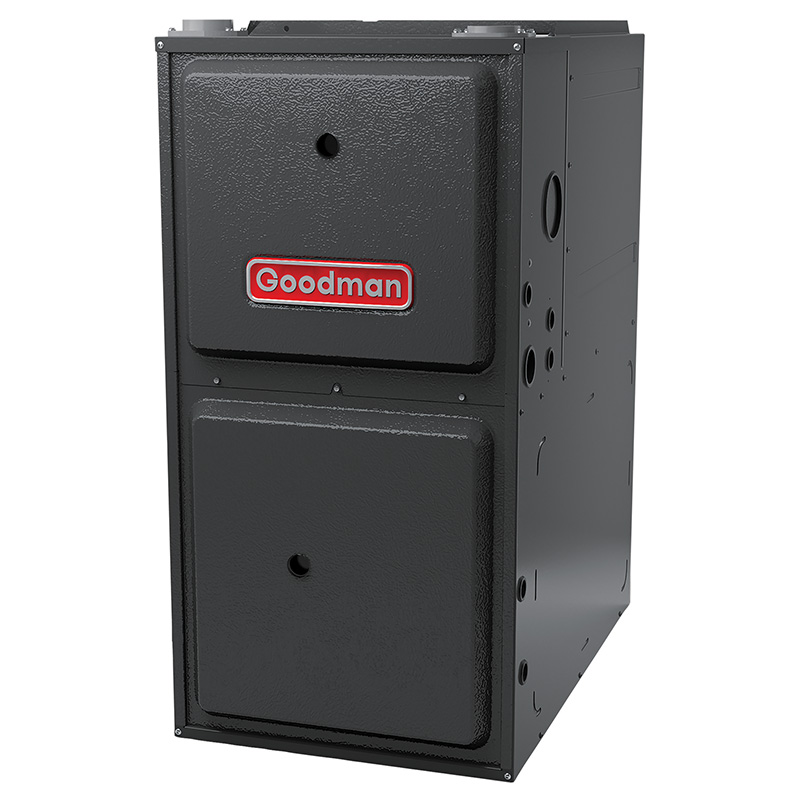
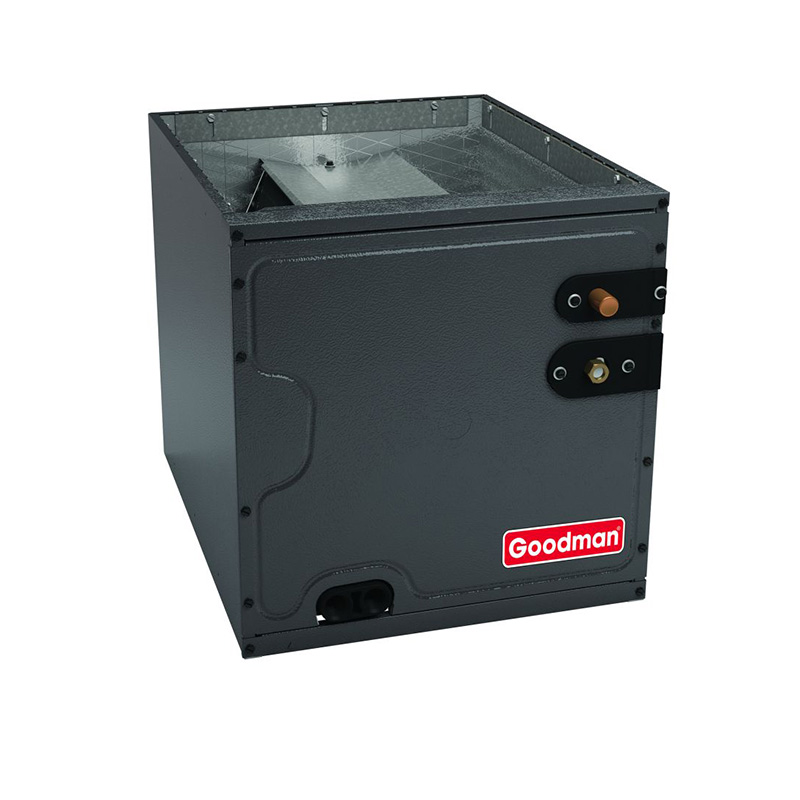
Goodman Furnace AC Combo – 3.5 Ton 13.4 SEER2 AC With 100000 BTU 97% AFUE Modulating Variable-Speed ECM Gas Furnace System – Upflow | R32
View on AC Direct see your lowest price →Check current price on AC Direct →
Key features
- 3.5-ton cooling capacity with 13.4 SEER2 efficiency rating
- 100,000 BTU modulating gas furnace at 97% AFUE
- Variable-speed ECM blower motor for quiet, steady airflow
- R-32 refrigerant with lower global warming potential than R-410A
- Upflow configuration for basement or utility-closet installations
- Modulating burner provides precise heat output adjustment for even comfort
About this system
This Goodman combo pairs a 3.5-ton, 13.4 SEER2 air conditioner with a 100,000 BTU, 97% AFUE modulating gas furnace in an upflow configuration. The furnace is the headline here: a 97% AFUE rating means only about 3% of combustion energy escapes up the flue, which puts it at the top tier of residential gas efficiency. The modulating burner adjusts heat output in small increments rather than cycling fully on and off, and the variable-speed ECM blower motor ramps airflow up and down to match demand. Together those two features deliver quieter operation, more even room temperatures, and lower humidity swings compared with single-stage equipment. The R-32 refrigerant charge on the AC side has a lower global warming potential than older R-410A systems and is where the industry is moving.
The 13.4 SEER2 efficiency rating on the cooling side is the minimum federally required tier for the Southwest and Southeast regions as of 2023 and sits just above the national floor. It is a workable starting point, but buyers in hot climates who run their AC heavily from May through September should weigh whether stepping up to a higher SEER2 unit would pay back the price difference over five to seven years. The upflow configuration suits the most common residential installation layout, where the air handler sits in a basement or utility closet and supply air travels upward into the duct system. This is a full-system replacement product, so sizing, ductwork condition, and refrigerant line quality all carry significant weight in how well it actually performs.
This system earns its place as a budget-conscious whole-home upgrade when a high-efficiency furnace is the priority, because the 97% AFUE modulating unit is genuinely competitive with premium brands at a noticeably lower price. The 13.4 SEER2 cooling side is only baseline efficient, and Goodman's documented history of capacitor failures, coil leaks, and shorter compressor lifespans means long-term costs depend heavily on who installs it and how diligently it is maintained. It suits buyers who want furnace performance without a premium-brand price tag and are prepared to budget for possible repairs after year seven.
Overall score is the average of the five ratings above.
What we like
- 97% AFUE modulating furnace is top-tier heating efficiency at a value price
- Variable-speed ECM motor meaningfully reduces blower energy use and noise
- R-32 refrigerant positions the system for regulatory compliance going forward
- Priced roughly 15 to 25 percent below comparable Trane, Lennox, and Carrier combos
- Upflow layout fits the most widely installed residential duct configuration
Trade-offs
- 13.4 SEER2 cooling efficiency is only the federal baseline, not a standout number
- Dual-run capacitors are the most commonly reported failure point, typically after moderate use
- Compressor lifespan averages 10 to 14 years versus 15 to 20 years for premium-brand compressors
- A minority of owners report refrigerant leaks in the first year, usually tied to install or charge quality
What homeowners and pros say about Goodman
Homeowners who go with Goodman most often point to the price as the deciding factor, and that sentiment shows up consistently in the brand’s Google dealer review average of around 3.8 out of 5. The modulating furnace in this particular system draws praise from owners in colder climates who notice quieter cycling and more stable indoor temperatures compared with the single-stage units they replaced. On the other side, the ConsumerAffairs score sits at roughly 2.5 out of 5, a number shaped by the platform’s complaint-heavy audience but also by a real pattern: repair frequency tends to climb after about year seven, with dual-run capacitor failures being the most commonly reported issue. Those are typically a quick, low-cost fix in the 300 to 600 dollar range, but they are frequent enough to plan for.
HVAC technicians have a mixed but pragmatic view of Goodman. Many install it regularly for price-sensitive customers and note that a clean, properly charged installation closes much of the gap between Goodman and premium brands in the early years. The documented failure modes they flag most often are evaporator coil leaks showing up in a meaningful share of units over time and compressor lifespans that tend to average 10 to 14 years rather than the 15 to 20 years technicians associate with Trane or Carrier compressors. A small number of owners also report refrigerant leaks in the first year, which technicians almost universally attribute to install or charge errors rather than factory defects. The upshot from pros: if the installer is experienced and the homeowner stays on top of annual maintenance, this system performs reasonably well for its price; if either of those conditions is absent, the reliability gap with premium brands becomes more noticeable.
Sources: ConsumerAffairs Goodman owner reviews, AHRI Directory of Certified Product Performance, U.S. DOE appliance and equipment efficiency standards, Goodman product specification sheets.
What it costs to run
At 13.4 SEER2, cooling this 3.5-ton system for a typical 1200-hour cooling season at the U.S. average electricity rate of $0.17/kWh works out to roughly $639 per year in cooling, about $0 less per year than a minimum-efficiency 13.4 SEER2 unit of the same size. Your real cost depends on your climate and local rate.
Method: (42,000 BTU/hr ÷ 13.4 SEER2) × 1200 hours ÷ 1000 × $0.17/kWh. Rate source: U.S. EIA average; cooling hours: moderate-climate estimate.
How it compares
| Brand | Comparable model | SEER2 | Stage | Price position |
|---|---|---|---|---|
| Goodman | This system (3.5T 13.4 SEER2 / 100K BTU 97% AFUE Modulating) | 13.4 | Variable/Modulating | Value pick |
| Carrier | Performance 13 AC with 59TP6 Modulating Furnace | 13.4 | Variable/Modulating | Typically 15 to 25 percent more than this Goodman combo |
| Trane | XR13c AC with S9V2 Variable-Speed Furnace | 13.4 | Variable/Modulating | Typically 15 to 25 percent more than this Goodman combo |
| Lennox | Merit 14ACX AC with SLP98V Variable-Speed Furnace | 13.4–14 | Variable/Modulating | Typically 15 to 25 percent more than this Goodman combo |
Competitor rows are comparable single-stage units at similar efficiency; price is relative position, not a quote.
Questions about this system
Is 13.4 SEER2 going to cost me more to run than a higher-efficiency AC?
Yes, a 16 or 18 SEER2 unit will use less electricity per cooling hour. How much that matters depends on your local rate and how many hours you run the AC each year. In mild climates the payback period for upgrading often stretches past ten years, but in hot regions with long cooling seasons it can be shorter.
What does the modulating furnace actually do differently in day-to-day use?
Instead of firing at full capacity and shutting off, the modulating burner adjusts output in small steps to match how much heat the house actually needs. The result is less temperature swing between cycles, quieter operation, and lower humidity in the shoulder seasons when full heat output is not needed.
Why does Goodman have a lower consumer rating if it is priced competitively?
Goodman scores around 2.5 out of 5 on ConsumerAffairs, a channel where dissatisfied owners write more than satisfied ones do, and about 3.8 out of 5 on Google dealer reviews. The recurring complaint is repair costs climbing after roughly year seven, particularly dual-run capacitors and evaporator coil leaks. Those failure modes are real and worth factoring into your maintenance budget.
What size home and duct system does a 3.5-ton unit fit?
A 3.5-ton system is typically sized for homes in the 1,800 to 2,300 square foot range, though local climate, insulation levels, ceiling height, and window area all affect the correct load calculation. An oversized or undersized system will short-cycle or run inefficiently regardless of brand, so a Manual J load calculation by your installer is not optional.
Does switching to R-32 refrigerant require any special handling or tools from my HVAC tech?
R-32 requires a technician who is familiar with it and has compatible recovery equipment, as it is mildly flammable and cannot be mixed with R-410A. Most certified HVAC technicians are already trained on it as the industry transition is well underway, but it is worth confirming with your service provider before scheduling maintenance or a repair.
Specifications
| Cooling capacity | 3.5 Ton |
| Efficiency | 13.4 SEER2 |
| Furnace output | 100000 BTU |
| Furnace efficiency | 97% AFUE |
| Configuration | Upflow |
| Refrigerant | R-32 |