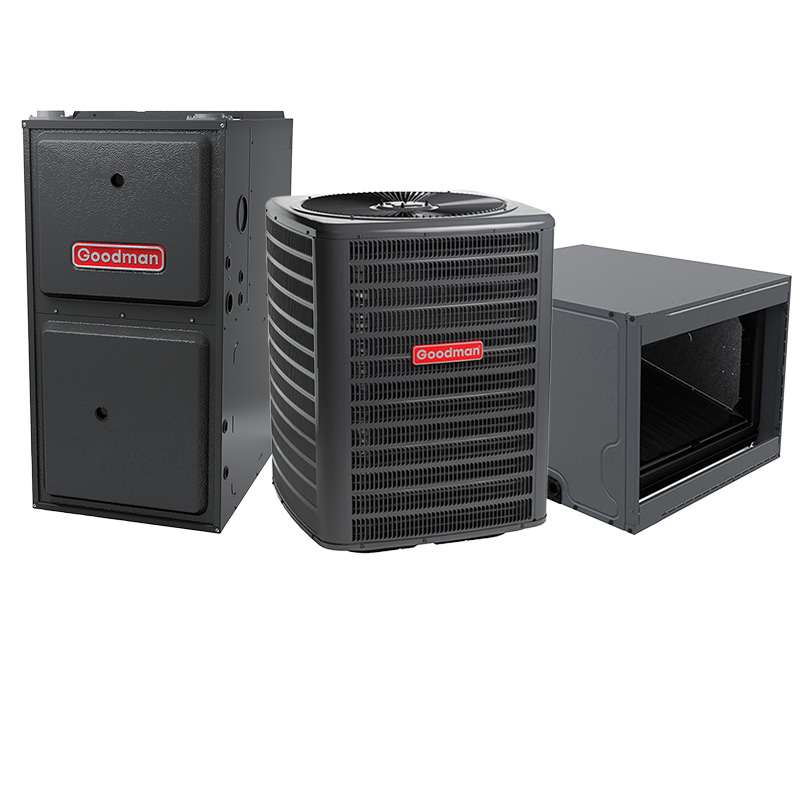
Goodman Furnace AC Combo – 3.5 Ton 13.4 SEER2 AC With 80000 BTU 97% AFUE Modulating Variable-Speed ECM Gas Furnace System – Horizontal | R32
View on AC Direct see your lowest price →Check current price on AC Direct →
Key features
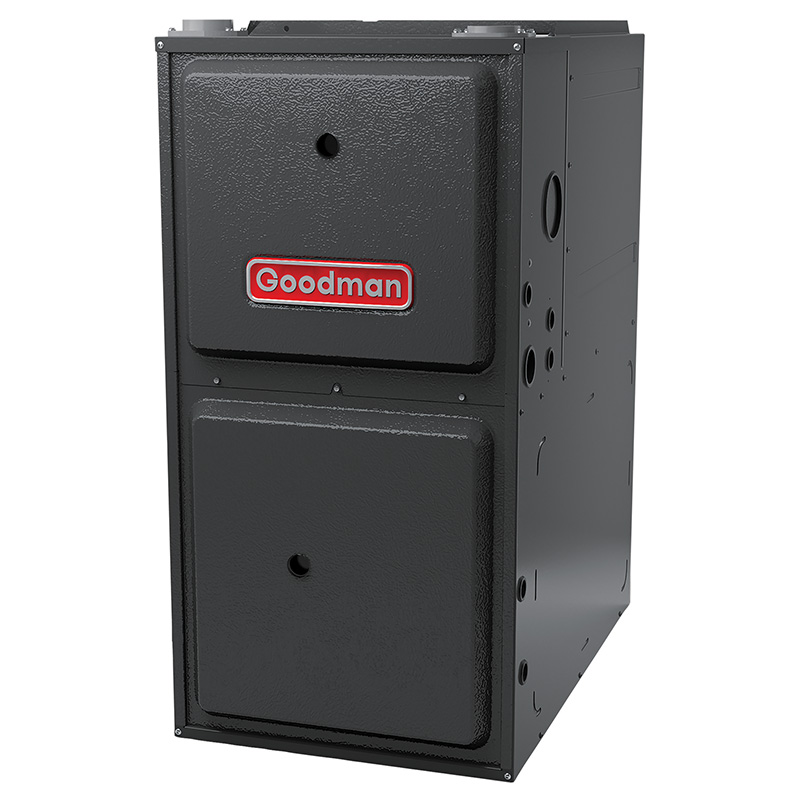
- 97% AFUE modulating gas furnace for near-maximum heating efficiency
- Variable-speed ECM blower motor for quieter, more consistent airflow
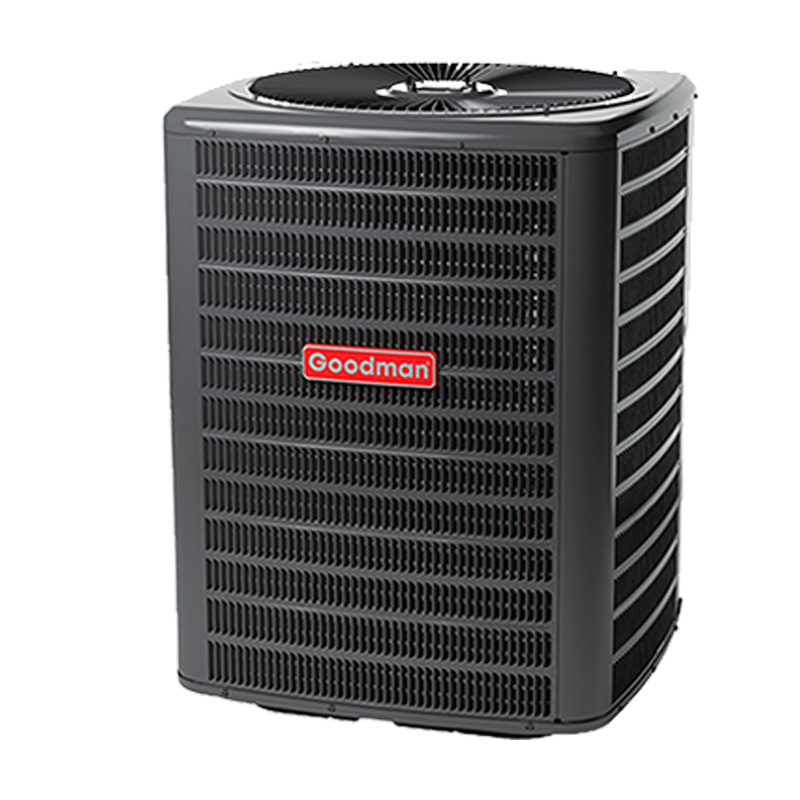
- 3.5-ton, 13.4 SEER2 air conditioner meets current federal efficiency minimums
- R-32 refrigerant with lower global warming potential than R-410A
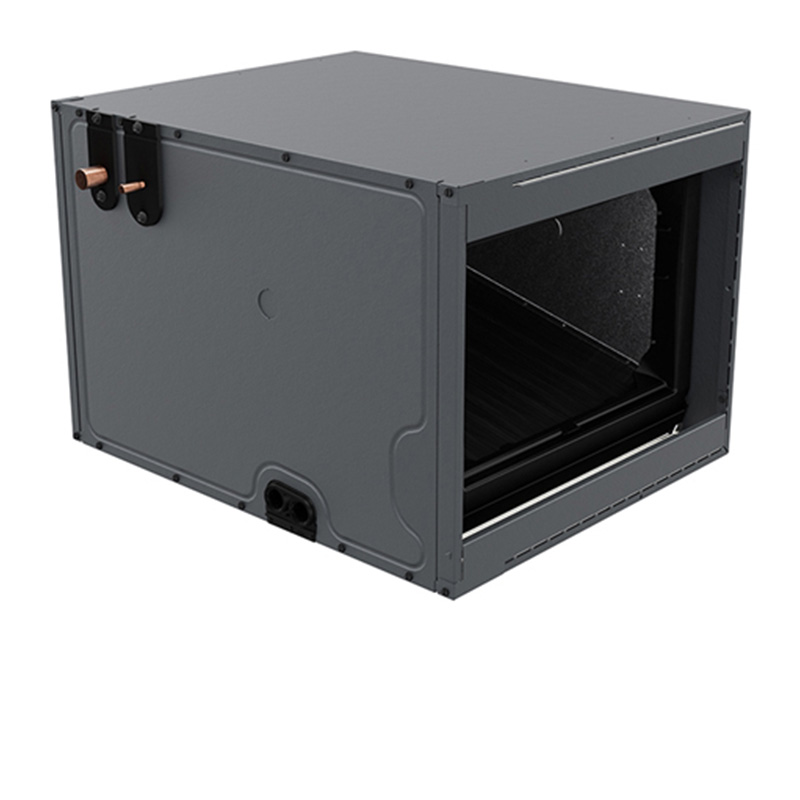
- Horizontal configuration for attic, crawl space, or side-mount installations
- Modulating burner adjusts heat output in small steps to reduce temperature swings
About this system
This Goodman combo pairs a 3.5-ton, 13.4 SEER2 central air conditioner with an 80,000 BTU, 97% AFUE modulating gas furnace in a horizontal configuration, making it a practical choice for homes where the air handler sits in a crawl space, attic, or utility closet oriented on its side. The R-32 refrigerant charge is a forward-looking choice: R-32 has a lower global warming potential than the older R-410A it is replacing across the industry, and equipment built around it is increasingly the new standard rather than a premium exception.
The furnace side is where this system stands out. A 97% AFUE rating means roughly 97 cents of every fuel dollar becomes usable heat, placing it at the top tier of gas furnace efficiency. The modulating burner adjusts output in small increments rather than cycling fully on and off, which smooths out temperature swings and reduces cold spots. The variable-speed ECM blower motor reinforces that comfort story by running at lower, quieter speeds for longer cycles instead of short, loud blasts. On the cooling side, 13.4 SEER2 clears the federal minimum for most northern regions but sits near the low end of what is currently available, so buyers in hot climates expecting high summer bills should weigh whether a higher-SEER2 unit makes financial sense over the system’s lifetime.
Goodman targets the budget-to-mid-range segment, typically priced 15 to 25 percent below comparable Trane, Lennox, and Carrier systems. That savings is real, but it comes with trade-offs in component longevity and brand-level quality control that are worth understanding before purchase. This particular build suits homeowners replacing an aging system on a firm budget who want top-shelf heating efficiency without paying premium-brand prices, and who are committed to using a qualified installer.
This combo delivers genuinely premium heating performance at a value price point, and the modulating furnace with ECM blower is a legitimate comfort upgrade over single-stage equipment. The AC side is competent but unremarkable at 13.4 SEER2, and Goodman's real-world reliability record means long-term costs depend heavily on installer quality and a willingness to budget for component repairs after year seven.
Overall score is the average of the five ratings above.
What we like
- 97% AFUE furnace is among the most efficient available and reduces monthly heating bills meaningfully
- Modulating burner and variable-speed blower provide noticeably steadier indoor temperatures
- R-32 refrigerant is the emerging industry standard and better for the environment than R-410A
- Horizontal configuration opens installation options where vertical units cannot fit
- Purchase price is typically 15 to 25 percent lower than equivalent Carrier, Trane, or Lennox systems
Trade-offs
- 13.4 SEER2 cooling efficiency is near the regulatory floor; higher-efficiency options exist at modest additional cost
- Dual-run capacitors are the brand's most common failure point and repairs typically run $300 to $600 after the warranty period
- Compressor lifespan averages 10 to 14 years versus 15 to 20 years reported for premium brands
- A minority of owners report refrigerant leaks within the first year, most often tied to install or charge issues rather than the equipment itself
What homeowners and pros say about Goodman
Homeowners who have lived with Goodman equipment tend to land in one of two camps, and that split is visible in the brand’s ratings: ConsumerAffairs scores hover around 2.5 out of 5, a channel where frustrated owners are disproportionately represented, while Google dealer reviews average closer to 3.8 out of 5, where affordability is consistently the top reason for satisfaction. The pattern that emerges from both channels is that Goodman systems often run without issue for the first several years, then begin generating repair costs around year seven or beyond. The most cited culprit is the dual-run capacitor, a part that fails relatively often but is also a straightforward, low-cost fix when caught early. More disruptive are evaporator coil leaks, which appear in a notable share of longer-term reviews and carry higher repair costs. Compressor longevity is the bigger structural concern: Goodman compressors tend to average 10 to 14 years in the field, noticeably shorter than the 15 to 20 years owners of premium-brand equipment more commonly report.
HVAC technicians who service Goodman equipment regularly echo a consistent message: the brand rewards a clean, careful install and punishes a rushed one more than most. First-year refrigerant leaks, one of the documented failure modes, are almost universally attributed by technicians to improper charging or connection work at install rather than factory defects. For this specific system, the modulating furnace and ECM blower are components that pros tend to respect at the price point, noting that the comfort performance competes with more expensive equipment when everything is set up correctly. The trade-off technicians flag is that modulating and variable-speed components, while providing better day-to-day comfort, can carry higher repair costs than simpler single-stage parts when they do eventually fail. Buyers who go in clear-eyed about those possibilities, budget accordingly, and invest in a quality installation tend to come away satisfied with what Goodman delivers for the price.
Sources: ConsumerAffairs Goodman owner reviews, AHRI Directory of Certified Product Performance, U.S. DOE appliance and equipment efficiency standards, Goodman product specification sheets.
What it costs to run
At 13.4 SEER2, cooling this 3.5-ton system for a typical 1200-hour cooling season at the U.S. average electricity rate of $0.17/kWh works out to roughly $639 per year in cooling, about $0 less per year than a minimum-efficiency 13.4 SEER2 unit of the same size. Your real cost depends on your climate and local rate.
Method: (42,000 BTU/hr ÷ 13.4 SEER2) × 1200 hours ÷ 1000 × $0.17/kWh. Rate source: U.S. EIA average; cooling hours: moderate-climate estimate.
How it compares
| Brand | Comparable model | SEER2 | Stage | Price position |
|---|---|---|---|---|
| Goodman | This system (3.5T 13.4 SEER2 AC + 97% AFUE Modulating Furnace, Horizontal, R-32) | 13.4 | Modulating / Variable-speed | Value pick |
| Carrier | Comfort Series (24ACC6 AC + 58CVA Furnace) | 13.4-14.3 | Single-stage / Two-stage | Typically 15 to 25 percent more than this Goodman system |
| Trane | XR13 AC + S9V2 Furnace | 13.4-14.0 | Single-stage / Two-stage | Typically 15 to 25 percent more than this Goodman system |
| Lennox | Merit Series (13ACX AC + ML196E Furnace) | 13.4 | Single-stage / Single-stage | Typically 15 to 25 percent more than this Goodman system |
Competitor rows are comparable single-stage units at similar efficiency; price is relative position, not a quote.
Questions about this system
Is 13.4 SEER2 going to cost me significantly more in cooling bills compared to a 16 or 18 SEER2 unit?
Over a full cooling season the difference is real but varies by climate and usage. In a hot climate running the AC six or more months a year, upgrading to a 16 SEER2 unit could reduce cooling energy use by roughly 15 to 20 percent annually, which may pay back the price difference over time. In a milder climate with shorter cooling seasons, the payback period stretches out considerably and the lower upfront cost of 13.4 SEER2 may make more financial sense.
What does the horizontal configuration actually mean, and how do I know if my installation needs it?
Horizontal means the air handler is oriented on its side so air flows through it lengthwise rather than vertically. This is required in attic installations with low clearance, crawl spaces, or certain utility closets where there is no room to stand a unit upright. Your installing contractor should confirm the orientation before ordering, since swapping after delivery is not straightforward.
R-32 refrigerant is new to me. Is it harder or more expensive to service than R-410A?
R-32 requires technicians to use specific recovery equipment rated for it, and not every older service truck is set up for it yet. In most metro areas it is not a problem, but in rural areas you may want to confirm your service contractor is equipped before you buy. R-32 itself is generally less expensive per pound than R-410A and is widely available.
Goodman's consumer reviews are mixed. What are the most common problems I should plan for?
The most frequently documented failure is the dual-run capacitor, a relatively inexpensive repair in the $300 to $600 range that typically shows up after several years of use. Evaporator coil leaks appear in a meaningful share of long-term owner reports and are more costly to address. A minority of owners have reported refrigerant leaks within the first year, which Goodman and most HVAC technicians attribute to installation quality rather than a manufacturing defect.
Does Goodman's warranty on this system cover parts and labor, and what do I need to do to keep it valid?
Goodman's standard limited warranty covers parts but not labor, which means a covered component failure can still result in a significant service bill. To qualify for the full warranty term you must register the equipment online within a set window after installation and have the work performed by a licensed HVAC contractor. Labor coverage, if desired, must come from a separate extended service agreement.
Specifications
| Cooling capacity | 3.5 Ton |
| Efficiency | 13.4 SEER2 |
| Furnace output | 80000 BTU |
| Furnace efficiency | 97% AFUE |
| Configuration | Horizontal |
| Refrigerant | R-32 |