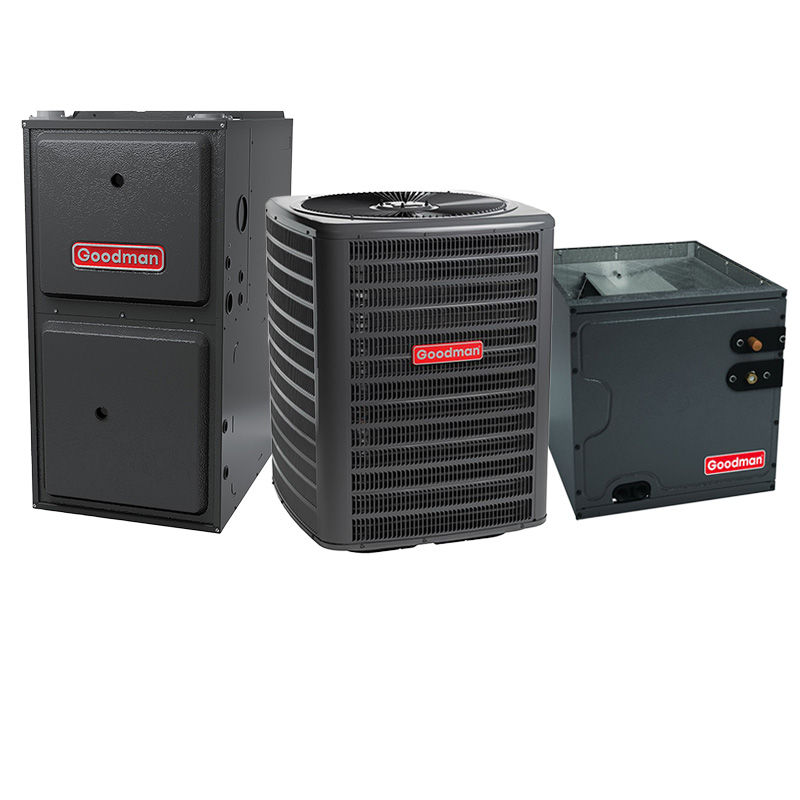
Goodman Furnace AC Combo – 3.5 Ton 13.6 SEER2 AC With 120000 BTU 97% AFUE Modulating Variable-Speed ECM Gas Furnace System – Upflow | R32
View on AC Direct see your lowest price →Check current price on AC Direct →
Key features
- 3.5-ton cooling capacity with 13.6 SEER2 efficiency rating
- 120,000 BTU modulating gas furnace at 97% AFUE for near-maximum fuel utilization
- Variable-speed ECM blower motor for quieter, more consistent airflow
- R-32 refrigerant with lower global warming potential than R-410A
- Upflow configuration compatible with standard residential ductwork
- Modulating gas valve adjusts heat output in small steps to reduce temperature swings
About this system
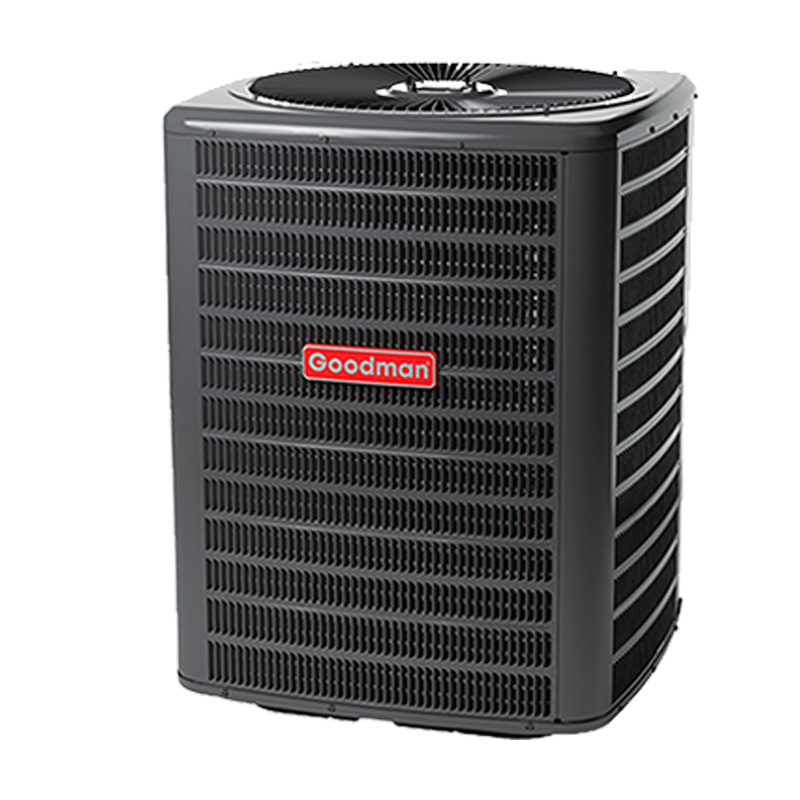
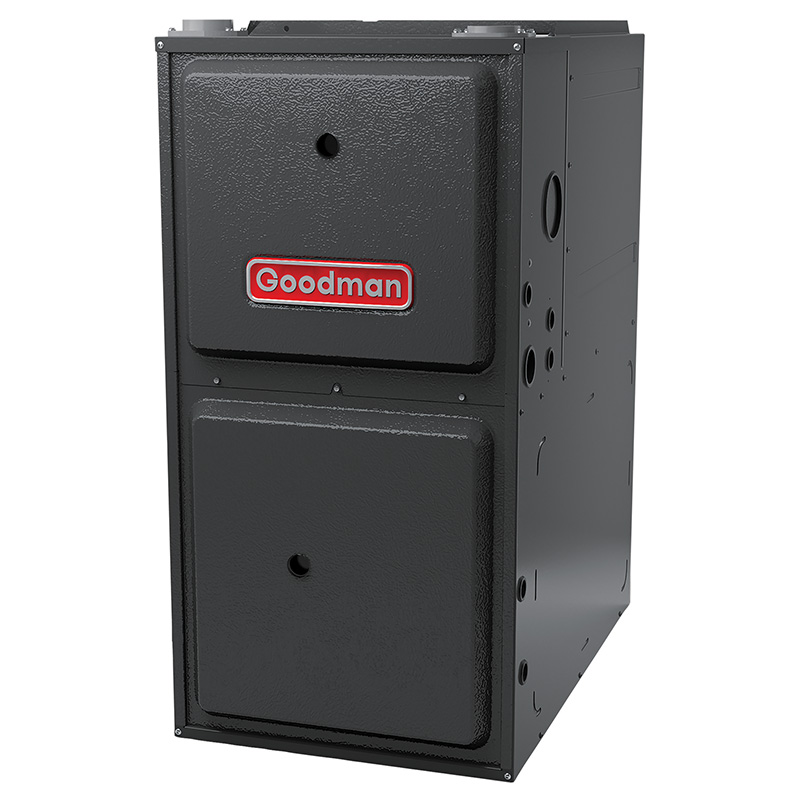
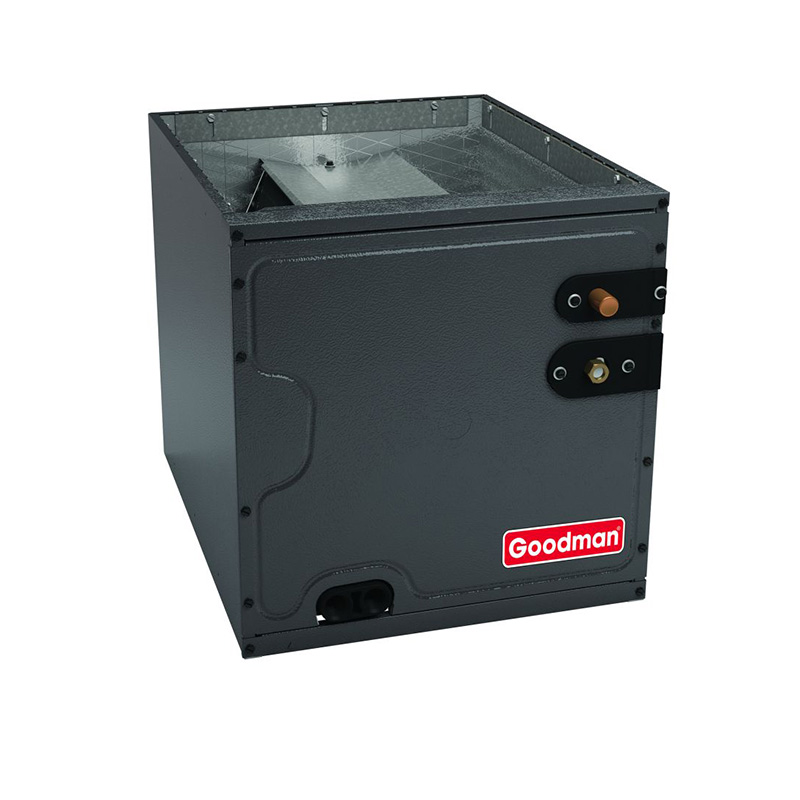
This Goodman combo pairs a 3.5-ton, 13.6 SEER2 central air conditioner with a 120,000 BTU, 97% AFUE modulating gas furnace in an upflow configuration, using R-32 refrigerant. The furnace is the standout component here: a true modulating, variable-speed ECM unit that adjusts its flame and airflow in small increments rather than simply cycling on and off. That behavior translates to steadier indoor temperatures, quieter operation, and fuel savings that genuinely justify the 97% AFUE rating. For a home that runs the furnace heavily through long winters, the efficiency gain over an 80% AFUE unit can offset meaningful fuel costs over a decade.
The air conditioner side sits at 13.6 SEER2, which clears the federal minimum for most U.S. climate regions but sits at the lower end of the efficiency spectrum. Buyers who prioritize cooling economy or live in hot southern climates may find a 16 or 18 SEER2 system a better long-term investment. R-32 refrigerant is an improvement over older R-410A: lower global warming potential, slightly better thermodynamic efficiency, and it is becoming standard across the industry. The upflow configuration is the most common residential furnace orientation, compatible with most existing ductwork where air enters from the bottom and exits the top. This system suits larger homes, roughly 2,000 to 2,800 square feet depending on insulation and climate, that need serious heating capacity and are willing to trade peak cooling efficiency for a lower purchase price.
This system delivers genuine high-efficiency heating through its modulating, variable-speed furnace at a price point noticeably below Carrier, Trane, or Lennox equivalents, making it a practical choice for budget-conscious buyers who need serious BTU capacity. The 13.6 SEER2 air conditioner is serviceable but unambitious on the cooling side. Long-term ownership costs depend heavily on installation quality and the willingness to budget for repairs, particularly after the seventh year.
Overall score is the average of the five ratings above.
What we like
- 97% AFUE modulating furnace is among the most fuel-efficient residential gas furnace tiers available
- Variable-speed ECM blower noticeably reduces noise and hot-or-cold temperature cycling compared to single-stage equipment
- R-32 refrigerant is more environmentally responsible and increasingly well-supported by technicians
- Purchase price runs 15 to 25 percent below comparable Trane, Carrier, and Lennox systems
- 120,000 BTU output handles larger homes and very cold climates without the furnace running at maximum capacity constantly
Trade-offs
- 13.6 SEER2 cooling efficiency is at the regulatory minimum for many regions and will cost more to operate than mid- or high-efficiency alternatives in warm climates
- Dual-run capacitors are a documented early failure point, and evaporator coil leaks appear in a meaningful share of owner reports
- Compressor life averages 10 to 14 years versus 15 to 20 for premium brands, which matters for a 3.5-ton unit that sees heavy seasonal use
- Goodman's ConsumerAffairs rating sits around 2.5 out of 5, with recurring complaints about repair costs climbing after roughly year 7
What homeowners and pros say about Goodman
Homeowners who choose Goodman equipment tend to split into two camps. Those who had professional installs and keep up with annual maintenance often report years of trouble-free operation and point to the lower purchase price as a genuine win. Those who ran into problems more frequently cite repair bills that started climbing around year seven or eight, a pattern that aligns with Goodman’s ConsumerAffairs rating of roughly 2.5 out of 5, a channel where frustrated owners are overrepresented but the complaints are consistent enough to take seriously. Google dealer reviews tell a more balanced story, averaging around 3.8 out of 5, where affordability and accessibility of local service are the most repeated positives.
HVAC technicians are candid about this brand. They note that dual-run capacitor failures are routine on Goodman equipment and, while inexpensive to fix, can cascade into compressor damage if missed. Evaporator coil leaks are a documented concern that shows up often enough in owner feedback to warrant attention, and compressors on Goodman units average 10 to 14 years of service life compared to 15 to 20 years on premium brands. For a high-BTU modulating system like this one, those technicians are also consistent in saying the installation itself matters more than almost any other factor. A careful, experienced installer using the right charge weight and commissioning the system properly can genuinely extend the life of this equipment; a rushed install can undermine even the best hardware. The R-32 refrigerant and the modulating furnace are real quality features that distinguish this configuration from base Goodman offerings, and pros generally view the ECM variable-speed blower as one of the more durable components in the lineup.
Sources: ConsumerAffairs Goodman owner reviews, AHRI Directory of Certified Product Performance, U.S. DOE appliance and equipment efficiency standards, Goodman product specification sheets.
What it costs to run
At 13.6 SEER2, cooling this 3.5-ton system for a typical 1200-hour cooling season at the U.S. average electricity rate of $0.17/kWh works out to roughly $630 per year in cooling, about $9 less per year than a minimum-efficiency 13.4 SEER2 unit of the same size. Your real cost depends on your climate and local rate.
Method: (42,000 BTU/hr ÷ 13.6 SEER2) × 1200 hours ÷ 1000 × $0.17/kWh. Rate source: U.S. EIA average; cooling hours: moderate-climate estimate.
How it compares
| Brand | Comparable model | SEER2 | Stage | Price position |
|---|---|---|---|---|
| Goodman | GSZB4-042 / GMVM971205DN (this system) | 13.6 | Modulating variable-speed | Value pick |
| Carrier | Comfort 13 (24ACC3) with 59MN7 furnace | 13.4 to 14.0 | Single-stage | Typically 15 to 25 percent more than this Goodman system |
| Trane | XR13c with S9X2 furnace | 13.4 to 14.0 | Single-stage | Typically 15 to 25 percent more than this Goodman system |
| Lennox | Merit 14ACX with ML197 furnace | 13.4 to 14.3 | Single-stage | Typically 15 to 25 percent more than this Goodman system |
Competitor rows are comparable single-stage units at similar efficiency; price is relative position, not a quote.
Questions about this system
Is 120,000 BTU too much furnace for my home, and will that cause problems?
For most homes under about 2,500 square feet with average insulation, 120,000 BTU is likely oversized. An oversized furnace short-cycles, meaning it reaches setpoint quickly, shuts off, and repeats. The modulating gas valve on this unit partially offsets that by turning down output when full capacity is not needed, but a proper Manual J load calculation before purchase will confirm whether this BTU level is appropriate for your specific home.
What does 13.6 SEER2 mean for my summer electric bills compared to higher-rated systems?
SEER2 measures seasonal cooling efficiency, and 13.6 is the current federal minimum for most northern regions. A 16 SEER2 system would use roughly 15 percent less electricity to move the same amount of cooling. In a mild climate with modest cooling loads, the savings gap is small; in a hot climate running the AC four to six months a year, a higher SEER2 unit pays back its price premium faster.
What are the most likely repairs I should budget for over the first ten years?
Dual-run capacitor failure is the most commonly documented issue on Goodman equipment and typically costs 300 to 600 dollars to fix. Evaporator coil leaks are a second documented concern and represent a more expensive repair. Setting aside a small annual maintenance reserve and scheduling a professional tune-up each year helps catch capacitor wear early before it causes compressor damage.
Why does this system use R-32 refrigerant and will that affect future service costs?
R-32 is replacing R-410A across the industry due to its lower global warming potential and better energy efficiency characteristics. It is mildly flammable, which requires technicians to follow specific handling procedures, but it is already widely available and most HVAC contractors are trained to work with it. Service costs for R-32 are not expected to differ significantly from R-410A over the long term.
How much does installation quality actually affect how long this system lasts?
HVAC technicians consistently cite installation as the single biggest factor in Goodman equipment longevity, more so than for premium brands that have tighter factory tolerances. Proper refrigerant charge, correct duct sizing, accurate electrical connections, and a sealed drain system each directly affect reliability. Paying for a licensed, experienced installer and requesting a post-install system commissioning check is one of the highest-return investments you can make with this equipment.
Specifications
| Cooling capacity | 3.5 Ton |
| Efficiency | 13.6 SEER2 |
| Furnace output | 120000 BTU |
| Furnace efficiency | 97% AFUE |
| Configuration | Upflow |
| Refrigerant | R-32 |