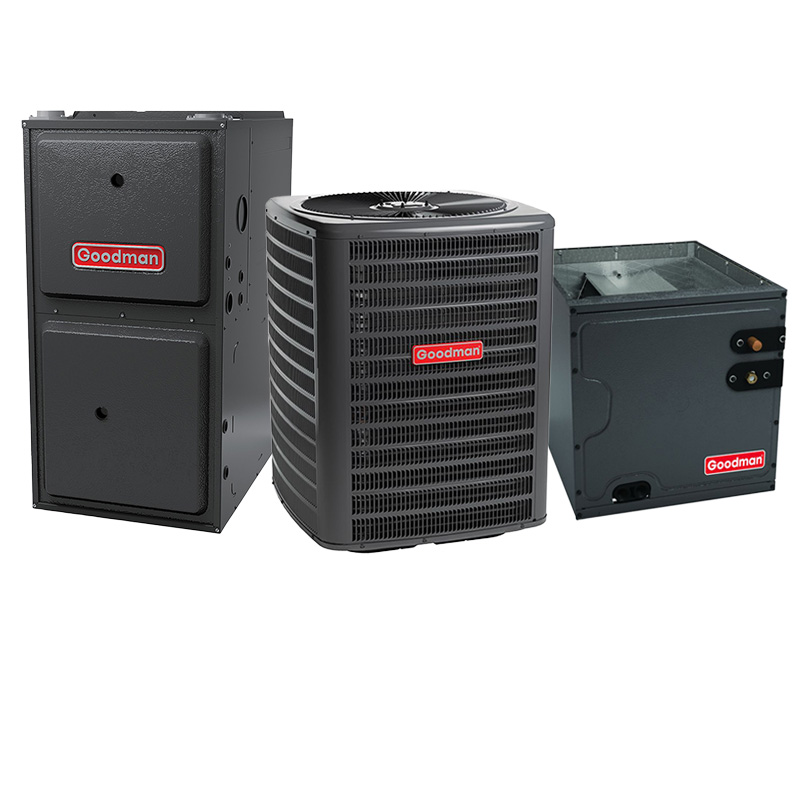
Goodman Furnace AC Combo – 3.5 Ton 15.2 SEER2 AC With 120000 BTU 97% AFUE Modulating Variable-Speed ECM Gas Furnace System – Upflow | R32
View on AC Direct see your lowest price →Check current price on AC Direct →
Key features
- 3.5-ton cooling capacity rated at 15.2 SEER2 for mid-tier efficiency
- 120,000 BTU modulating gas furnace with 97% AFUE for near-maximum fuel efficiency
- Variable-speed ECM blower motor reduces electricity use and improves comfort consistency
- Upflow configuration designed for basement or utility-closet installations with overhead ductwork
- R-32 refrigerant with lower global warming potential than R-410A
- Communicating-capable components support smart thermostat integration for full system control
About this system
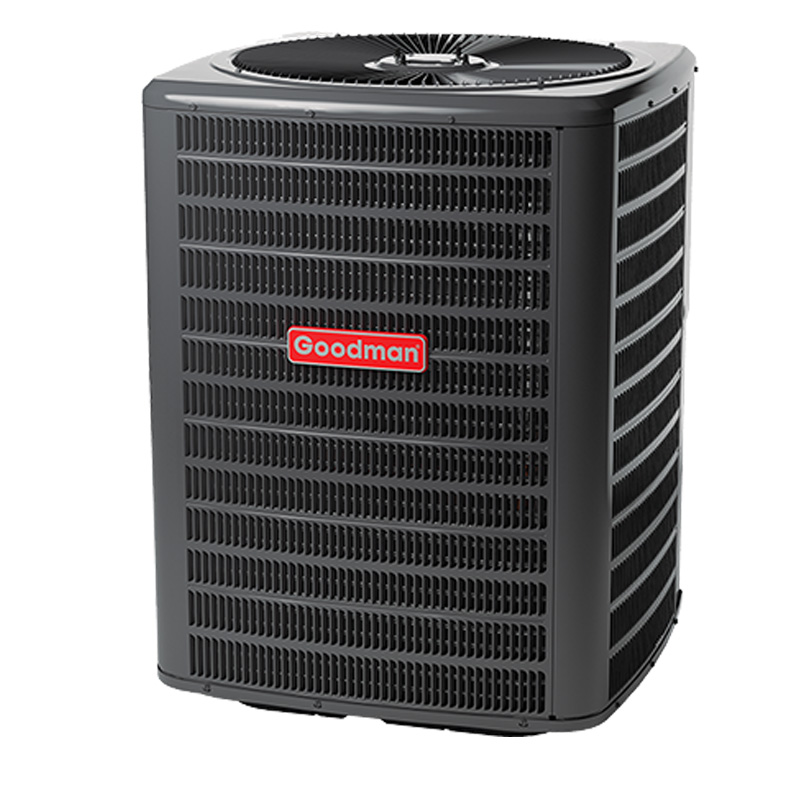
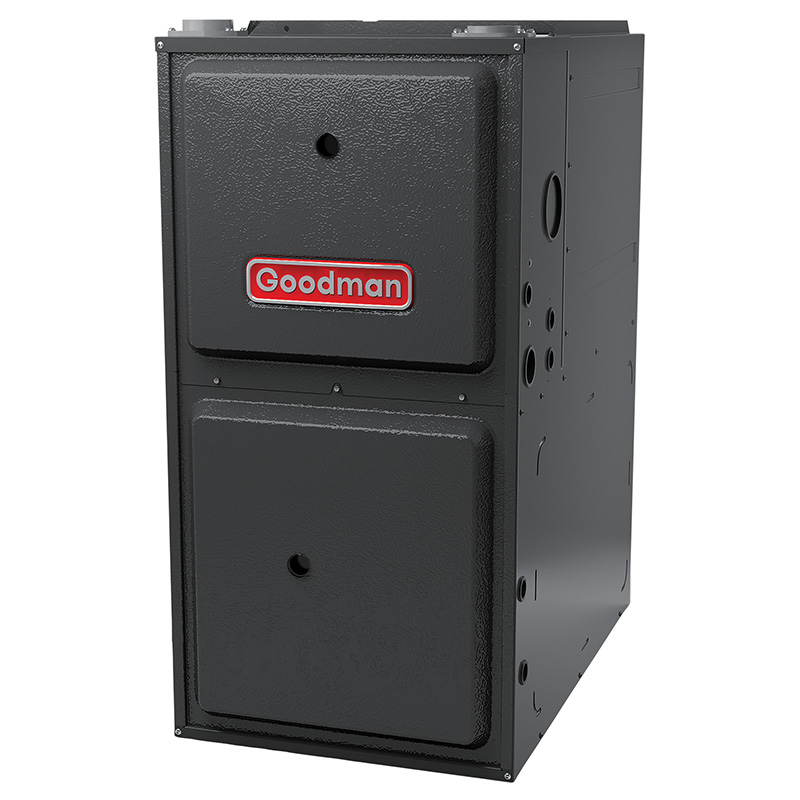
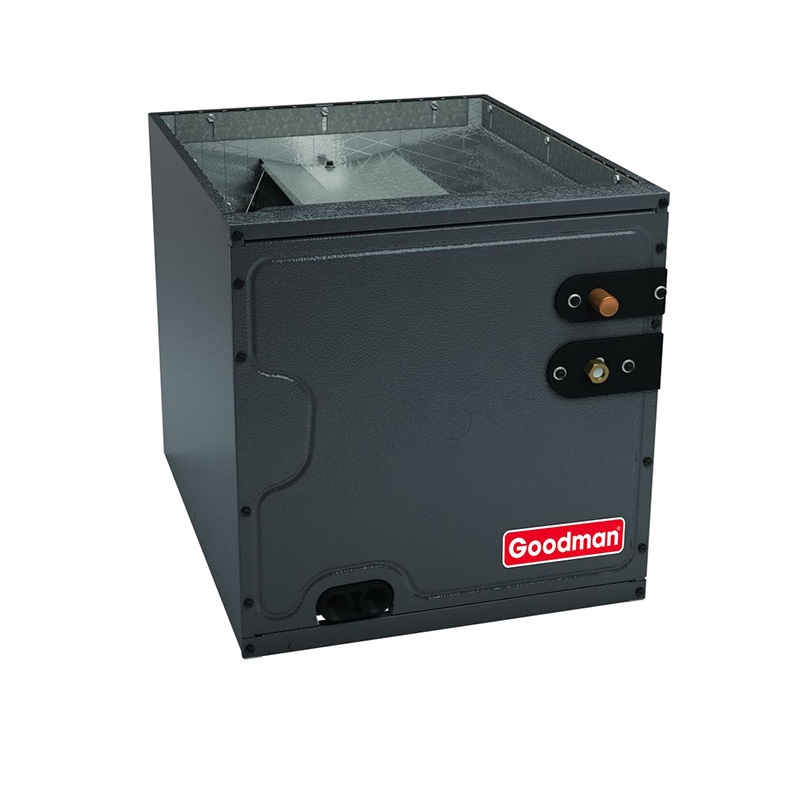
The Goodman GLXS4BA4210 pairs a 3.5-ton, 15.2 SEER2 air conditioner with a 120,000 BTU, 97% AFUE modulating gas furnace in an upflow configuration. The furnace side is the headline here: a modulating burner adjusts heat output in small increments rather than cycling fully on and off, which translates to steadier indoor temperatures, quieter operation, and genuinely high fuel efficiency. A variable-speed ECM blower amplifies those benefits by running at lower speeds most of the time, cutting electricity consumption on the air handler compared to standard PSC motors. The R-32 refrigerant used in the outdoor unit has a lower global warming potential than R-410A and is increasingly common as the industry phases out older refrigerants.
This system is sized for larger homes, typically in the 1,800 to 2,400 square foot range depending on climate, insulation, and load calculation. The upflow furnace configuration suits homes where ductwork runs above the unit, which is the standard arrangement in most basements and utility closets. Because the furnace is modulating and the AC is paired to a variable-speed air handler, you get a system that behaves more like premium equipment at a price point noticeably below Trane, Carrier, or Lennox equivalents. That trade-off is real: Goodman’s build quality and long-term reliability do not match those brands, but the lower entry cost leaves room to budget for service calls if they arise.
The GLXS4BA4210 delivers genuinely high-end furnace technology, specifically a modulating burner and variable-speed ECM motor, at a price that undercuts premium brands by 15 to 25 percent. That makes it a strong choice for budget-conscious buyers who want top-tier heating comfort and are willing to accept Goodman's shorter average compressor lifespan and documented coil-leak history. How long it lasts depends heavily on installation quality, so choosing a skilled, licensed installer matters at least as much as the equipment itself.
Overall score is the average of the five ratings above.
What we like
- 97% AFUE modulating furnace is among the most efficient gas heating configurations available
- Variable-speed ECM blower meaningfully reduces air handler electricity consumption versus single-speed units
- R-32 refrigerant is a forward-looking choice as R-410A is phased out industry-wide
- Upflow layout is compatible with the majority of existing residential duct systems
- Price point is 15 to 25 percent below comparable Trane, Carrier, and Lennox systems, freeing budget for installation quality or a service contract
Trade-offs
- Goodman compressors average 10 to 14 years, compared to 15 to 20 years typical of premium brands
- Dual-run capacitor failures are the most commonly reported issue and, while usually inexpensive to fix (roughly $300 to $600), add up over time
- A meaningful share of owner reviews cite evaporator coil leaks, which can be a costly repair outside warranty
- A minority of owners report refrigerant leaks in the first year, typically tied to installation or charging errors rather than a factory defect, underscoring how critical installer choice is
What homeowners and pros say about Goodman
Homeowners who have owned Goodman equipment long enough to form a real opinion land in two camps. On complaint-heavy channels like ConsumerAffairs, Goodman scores around 2.5 out of 5, where the recurring story is a system that runs fine for the first several years and then starts accumulating repair bills after roughly year seven. The specific failure modes that come up repeatedly are dual-run capacitor replacements, which are relatively inexpensive at $300 to $600 but annoying in frequency, and evaporator coil leaks, which can be substantially more costly. Compressor longevity is a genuine concern: Goodman compressors average 10 to 14 years in documented experience, compared to 15 to 20 years for premium brands. A minority of owners also report refrigerant leaks within the first year, and technicians are consistent in attributing those to installation or charging issues rather than factory problems.
On Google dealer review pages, Goodman equipment scores around 3.8 out of 5 across a few hundred reviews per location, and affordability is by far the most common praise. HVAC installers tend to have a pragmatic view: they acknowledge that Goodman is not built to the same standard as Trane or Carrier, but they also note that a properly installed and commissioned Goodman system, maintained with annual tune-ups, can deliver solid service for ten or more years. For this specific system, which combines a 97% AFUE modulating furnace and variable-speed ECM blower with the value pricing Goodman is known for, the consensus among professionals is that the technology is genuinely impressive for the price bracket, and the outcome depends heavily on who installs it and how well it is maintained afterward.
Sources: ConsumerAffairs Goodman owner reviews, AHRI Directory of Certified Product Performance, U.S. DOE appliance and equipment efficiency standards, Goodman product specification sheets.
What it costs to run
At 15.2 SEER2, cooling this 3.5-ton system for a typical 1200-hour cooling season at the U.S. average electricity rate of $0.17/kWh works out to roughly $564 per year in cooling, about $75 less per year than a minimum-efficiency 13.4 SEER2 unit of the same size. Your real cost depends on your climate and local rate.
Method: (42,000 BTU/hr ÷ 15.2 SEER2) × 1200 hours ÷ 1000 × $0.17/kWh. Rate source: U.S. EIA average; cooling hours: moderate-climate estimate.
How it compares
| Brand | Comparable model | SEER2 | Stage | Price position |
|---|---|---|---|---|
| Goodman | GLXS4BA4210 (this system) | 15.2 | Variable / Modulating | Value pick |
| Carrier | Comfort 15 Series (24ACC6) | 15.2 | Single-stage | Typically 15 to 25 percent more than Goodman |
| Trane | XR15 Series | 15.2 | Single-stage | Typically 15 to 25 percent more than Goodman |
| Lennox | Merit 14ACX Series | 15.2 | Single-stage | Typically 15 to 25 percent more than Goodman |
Competitor rows are comparable single-stage units at similar efficiency; price is relative position, not a quote.
Questions about this system
Is 120,000 BTU too much furnace for my home if the AC is only 3.5 tons?
A 3.5-ton AC is typically sized for homes in the 1,800 to 2,400 square foot range, while 120,000 BTU of heat can serve homes up to roughly 3,000 square feet or more depending on climate and insulation. The furnace is oversized relative to the cooling capacity in many applications. Because the burner is modulating, it can run at reduced output levels rather than always firing at full capacity, which reduces the comfort and efficiency penalties of oversizing, but a proper Manual J load calculation before purchase will confirm whether both components are appropriately matched to your specific home.
What does the modulating furnace actually do differently from a two-stage furnace?
A two-stage furnace switches between a high and a low firing rate, while a modulating furnace adjusts output across a broad range in small increments, much like a dimmer switch versus an on-off light. In practice this means the furnace spends more time running at lower outputs, which keeps temperatures more consistent room to room, reduces temperature swings, and runs the blower more quietly for longer periods. The 97% AFUE rating reflects that very little combustion energy is lost, which is the same whether the furnace is modulating or two-stage, but the modulating design adds the comfort and humidity-control advantages.
What are the most likely repair costs I should budget for over the first ten years?
Dual-run capacitor replacement is the most frequently reported Goodman repair and typically costs $300 to $600 including labor. Evaporator coil leaks appear in a meaningful share of owner reviews and can run considerably higher depending on whether a replacement coil is needed. Goodman's registered warranty covers the compressor for ten years and parts for ten years, so major component failures within that window should be covered for parts, though labor is not included and can be substantial. A service contract or annual maintenance agreement is worth considering given the brand's documented repair history.
What refrigerant does this system use and will it be hard to service in the future?
This system uses R-32, a single-component refrigerant with a global warming potential roughly 68 percent lower than R-410A. R-32 is already the dominant refrigerant in many international markets and is gaining adoption in North America as R-410A faces its own phase-down. Availability is growing and most HVAC technicians with standard 608 certification and compatible recovery equipment can handle it, though you should confirm your service technician is equipped for R-32 before scheduling any refrigerant work.
How important is the installer for this specific system compared to a simpler single-stage unit?
Installer quality matters for any system, but it is especially critical here. The modulating furnace and variable-speed ECM components require correct static pressure setup, proper refrigerant charge for R-32, accurate airflow balancing, and ideally commissioning through the communicating controls to function as designed. Technicians consistently cite installation quality as the single biggest factor in how long a Goodman system lasts and how well it performs, and the documented first-year refrigerant leaks in some units are most often attributed to charging or installation errors rather than factory defects. Spending more on a certified, experienced installer is not optional with this system.
Specifications
| Cooling capacity | 3.5 Ton |
| Efficiency | 15.2 SEER2 |
| Furnace output | 120000 BTU |
| Furnace efficiency | 97% AFUE |
| Configuration | Upflow |
| Refrigerant | R-32 |
| Model | GLXS4BA4210 |