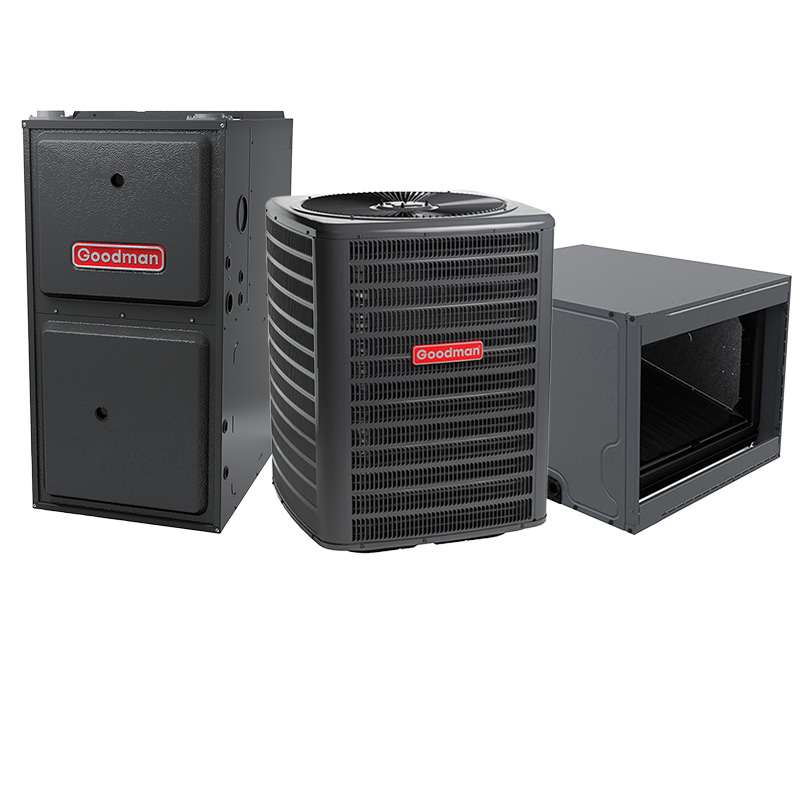
Goodman Furnace AC Combo – 3 Ton 13.8 SEER2 AC With 60000 BTU 97% AFUE Modulating Variable-Speed ECM Gas Furnace System – Horizontal | R32
View on AC Direct see your lowest price →Check current price on AC Direct →
Key features
- 97% AFUE modulating gas furnace with variable-speed ECM blower for precise comfort and low operating cost
- 3-ton cooling capacity rated at 13.8 SEER2, meeting current federal efficiency minimums
- Horizontal configuration for attic, crawlspace, or side-discharge installations
- R-32 refrigerant charge, a lower global-warming-potential refrigerant replacing R-410A
- 60,000 BTU heating output suitable for mid-size homes in moderate-to-cold climates
- Modulating burner stages output continuously, reducing temperature swings and short-cycling
About this system
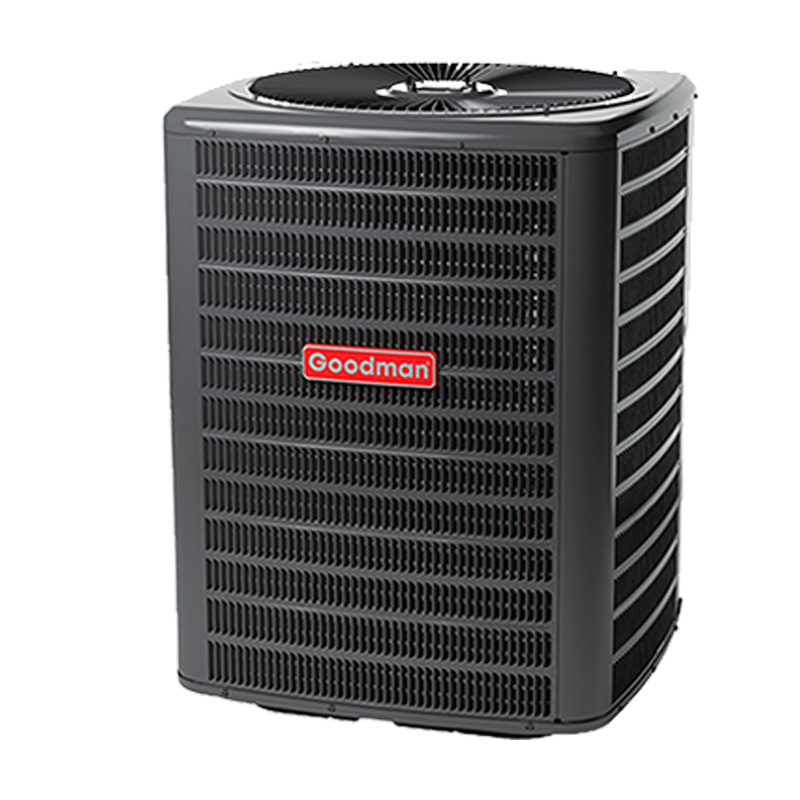
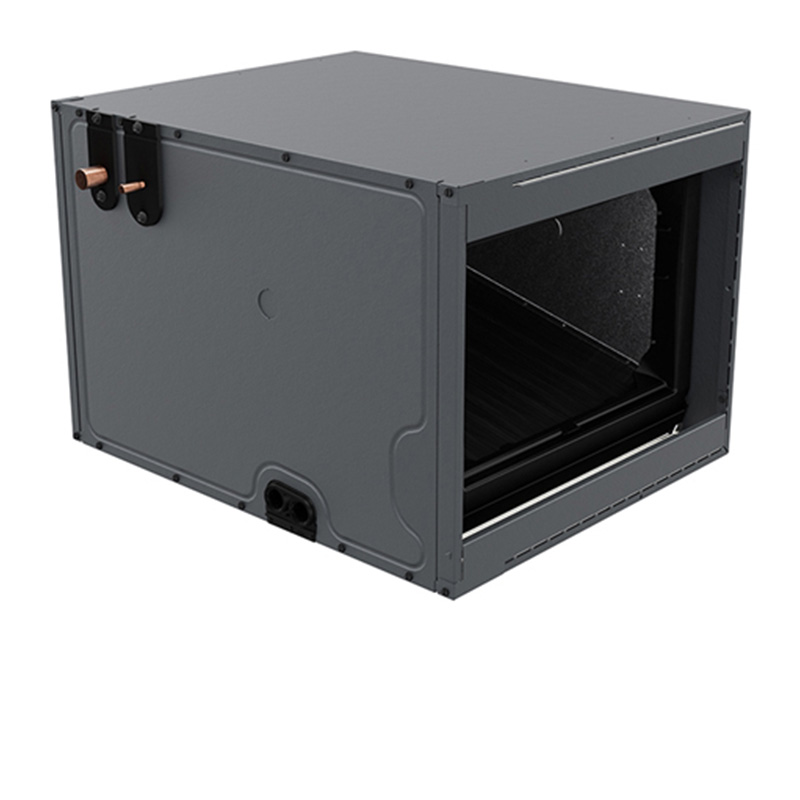
This Goodman combo pairs a 3-ton, 13.8 SEER2 air conditioner with a 60,000 BTU, 97% AFUE modulating gas furnace in a horizontal configuration, making it a practical choice for homes where the air handler sits in a crawlspace, attic, or tight utility closet. The R-32 refrigerant charge reflects a shift toward a lower global-warming-potential refrigerant that is becoming the new standard as R-410A phases out, so you are buying into a forward-looking refrigerant platform rather than aging chemistry.
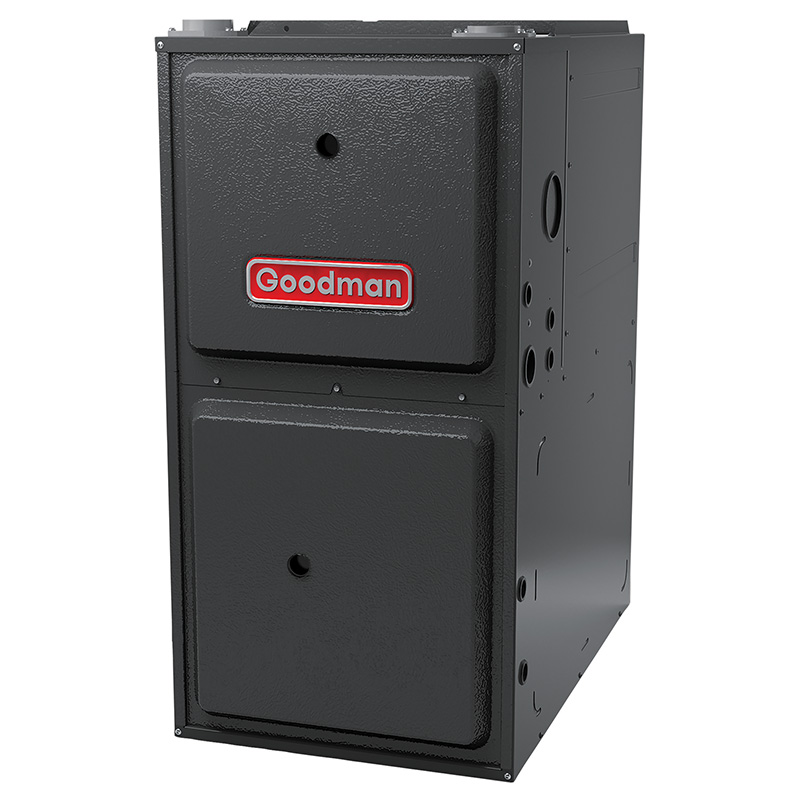
The furnace side is where this system genuinely earns attention. A 97% AFUE modulating burner with a variable-speed ECM blower is high-specification hardware at a value price. Modulating means the burner adjusts its output in small increments rather than simply cycling on and off, which translates to steadier indoor temperatures, lower drafts, and meaningful gas savings over a single-stage or two-stage unit. The ECM motor consumes roughly 75 percent less electricity than a standard PSC blower, quietly running at lower speeds for most of the heating season. For homeowners in colder climates replacing an older 80% AFUE furnace, the efficiency jump alone can materially reduce monthly gas bills.
Where this system asks for careful consideration is on the cooling side. A 13.8 SEER2 rating sits at the entry-level tier of current efficiency standards, clearing federal minimums but well below what premium brands offer at mid-range price points. For a humid Southern climate where the AC runs six months a year, the operating-cost gap between 13.8 SEER2 and a 16 or 18 SEER2 system compounds over time. In a mild climate where cooling is secondary to heating, the tradeoff is far more acceptable, and the high-efficiency furnace more than offsets the modest AC rating.
This system offers genuinely premium furnace technology at a value-brand price, a combination that is hard to match if heating efficiency is your priority. The 13.8 SEER2 cooling rating is modest and will cost more to operate than higher-SEER2 alternatives in hot climates, and Goodman's reliability record is mixed enough that install quality and an extended parts warranty matter more here than with premium brands. Buyers who want top-shelf year-round efficiency should look at higher SEER2 options, but for cold-climate homes where the furnace does most of the work, this combo is a compelling value.
Overall score is the average of the five ratings above.
What we like
- 97% AFUE modulating furnace is top-tier efficiency that meaningfully cuts monthly gas bills versus 80% AFUE units
- Variable-speed ECM blower reduces electricity consumption and delivers quieter, more even airflow
- Priced 15 to 25 percent below comparable Trane, Lennox, and Carrier equipment for the same furnace spec tier
- R-32 refrigerant is forward-compatible with current and likely future regulatory standards
- Horizontal configuration expands installation options in homes where vertical space is unavailable
Trade-offs
- 13.8 SEER2 AC efficiency is entry-level; annual cooling costs will exceed those of 16+ SEER2 systems in warm climates
- Dual-run capacitor failures and evaporator coil leaks are documented recurring issues that raise lifetime service costs
- Compressor longevity averages 10 to 14 years versus 15 to 20 for premium brands, meaning earlier replacement risk
- Overall system performance depends heavily on install quality; a poor charge or improper airflow setup undermines both efficiency ratings
What homeowners and pros say about Goodman
Homeowners who research Goodman online encounter a split picture. On ConsumerAffairs, the brand scores around 2.5 out of 5, a channel where dissatisfied buyers are far more likely to write in than satisfied ones, and the recurring theme in those reviews is repair costs climbing after roughly year seven of ownership. On Google dealer reviews, the score improves to around 3.8 out of 5, where affordability is the most consistent praise and many owners describe years of trouble-free operation when the unit was installed correctly. The pattern that emerges is not that Goodman systems fail universally, but that they have less margin for error than premium brands when the install is rushed or the technician is inexperienced.
HVAC technicians who work on this specific type of system, a high-spec modulating furnace paired with a base-tier AC, tend to highlight two practical realities. The furnace hardware at this efficiency tier is genuinely good and the ECM motor is not a part that causes frequent callbacks. The service calls they do see on Goodman equipment cluster around the AC side: dual-run capacitors are the most common quick fix, evaporator coil leaks show up in a meaningful share of units over time, and compressors tend to average 10 to 14 years rather than the 15 to 20 years a Trane or Carrier compressor might manage. A handful of owners also report refrigerant leaks within the first year, which technicians almost always attribute to the original installation or initial charge rather than a factory defect. The consensus among working contractors is that a well-installed Goodman will deliver solid value for its price, but it rewards buyers who invest in a careful installation and a comprehensive parts warranty rather than cutting costs on both.
Sources: ConsumerAffairs Goodman owner reviews, AHRI Directory of Certified Product Performance, U.S. DOE appliance and equipment efficiency standards, Goodman product specification sheets.
What it costs to run
At 13.8 SEER2, cooling this 3-ton system for a typical 1200-hour cooling season at the U.S. average electricity rate of $0.17/kWh works out to roughly $532 per year in cooling, about $16 less per year than a minimum-efficiency 13.4 SEER2 unit of the same size. Your real cost depends on your climate and local rate.
Method: (36,000 BTU/hr ÷ 13.8 SEER2) × 1200 hours ÷ 1000 × $0.17/kWh. Rate source: U.S. EIA average; cooling hours: moderate-climate estimate.
How it compares
| Brand | Comparable model | SEER2 | Stage | Price position |
|---|---|---|---|---|
| Goodman | 3-Ton 13.8 SEER2 / 60K BTU 97% AFUE Modulating ECM Horizontal R-32 Combo | 13.8 | Modulating / Variable-speed | Value pick |
| Carrier | Comfort Series (24ACC636 paired with 59MN7 modulating furnace) | 14.3 | Single-stage AC / Modulating furnace | Typically 15 to 25 percent more than Goodman |
| Trane | XR14c paired with S9V2 variable-speed furnace | 14.0 | Single-stage AC / Variable-speed furnace | Typically 15 to 25 percent more than Goodman |
| Lennox | Merit ML14XC1 paired with SLP99V modulating furnace | 14.3 | Single-stage AC / Modulating furnace | Typically 15 to 25 percent more than Goodman |
Competitor rows are comparable single-stage units at similar efficiency; price is relative position, not a quote.
Questions about this system
Is 13.8 SEER2 efficient enough to justify this system, or should I pay more for a higher SEER2 unit?
13.8 SEER2 meets current federal minimums and is a reasonable choice if your climate is mild or heating-dominated, since the 97% AFUE furnace provides most of your efficiency savings. In climates where the AC runs more than four to five months per year, stepping up to a 16 or 17 SEER2 system is worth pricing out, as the operating cost difference compounds significantly over ten or more years.
What does R-32 refrigerant mean for me, and will it be hard to service?
R-32 is replacing R-410A across the industry due to its lower environmental impact, so most HVAC technicians are already trained and equipped to handle it. Availability is growing quickly, and buying an R-32 system now means you are not stuck with a refrigerant that will become harder to source as R-410A phases out.
What are the most likely repair costs I should plan for over the life of this system?
The most commonly reported repair on Goodman AC units is a failed dual-run capacitor, typically a straightforward fix in the 300 to 600 dollar range. Evaporator coil leaks are also documented in owner reviews and are a more costly repair. A small share of owners report refrigerant leaks in the first year, usually traced to the original installation rather than a manufacturing defect.
My house has a crawlspace installation. Is the horizontal configuration difficult to get right?
Horizontal installs are more physically demanding for technicians than vertical ones and leave less room for error in refrigerant line routing, condensate drainage, and airflow balancing. Choosing an experienced installer who has done horizontal Goodman installs specifically is more important here than it would be for a standard upflow configuration, since install quality is the single biggest factor in how long this system lasts.
How does the modulating furnace actually affect my day-to-day comfort compared to a standard two-stage unit?
A modulating furnace adjusts its flame output in small steps, so it runs for longer periods at lower intensity rather than blasting on at full heat and then shutting off. Most owners of modulating systems notice fewer cold spots, less noise from the blower cycling up, and more consistent room temperatures throughout the day. The variable-speed ECM blower amplifies this by running continuously at a low speed between heating calls, which also helps with air filtration and humidity distribution.
Specifications
| Cooling capacity | 3 Ton |
| Efficiency | 13.8 SEER2 |
| Furnace output | 60000 BTU |
| Furnace efficiency | 97% AFUE |
| Configuration | Horizontal |
| Refrigerant | R-32 |