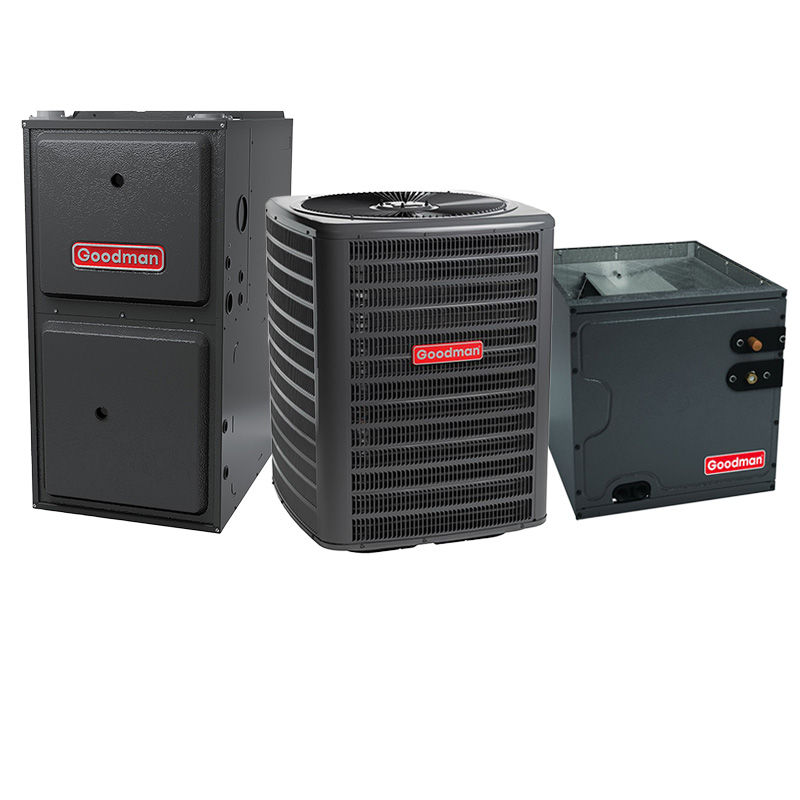
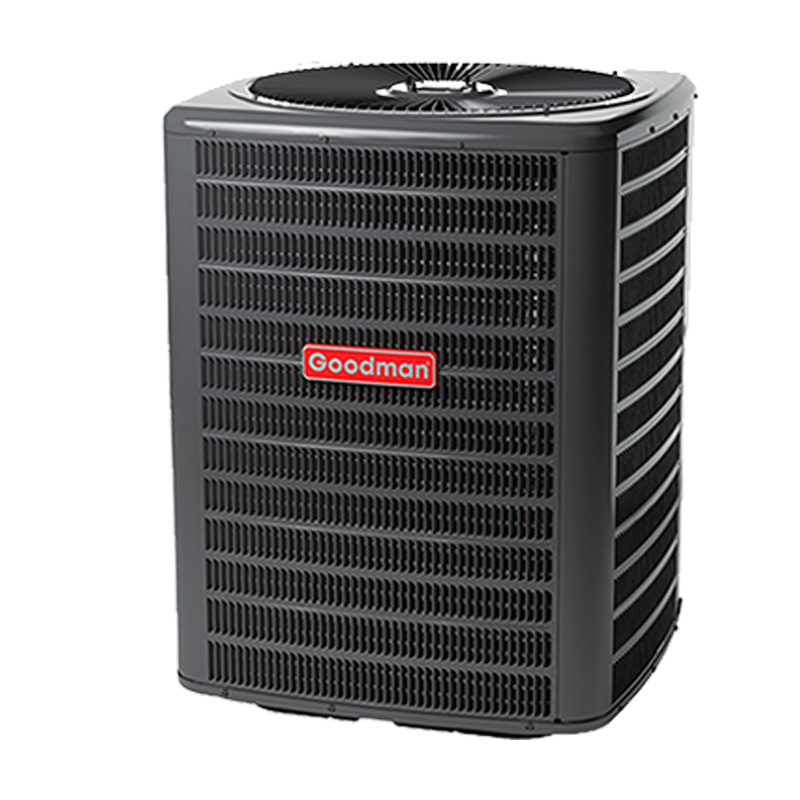
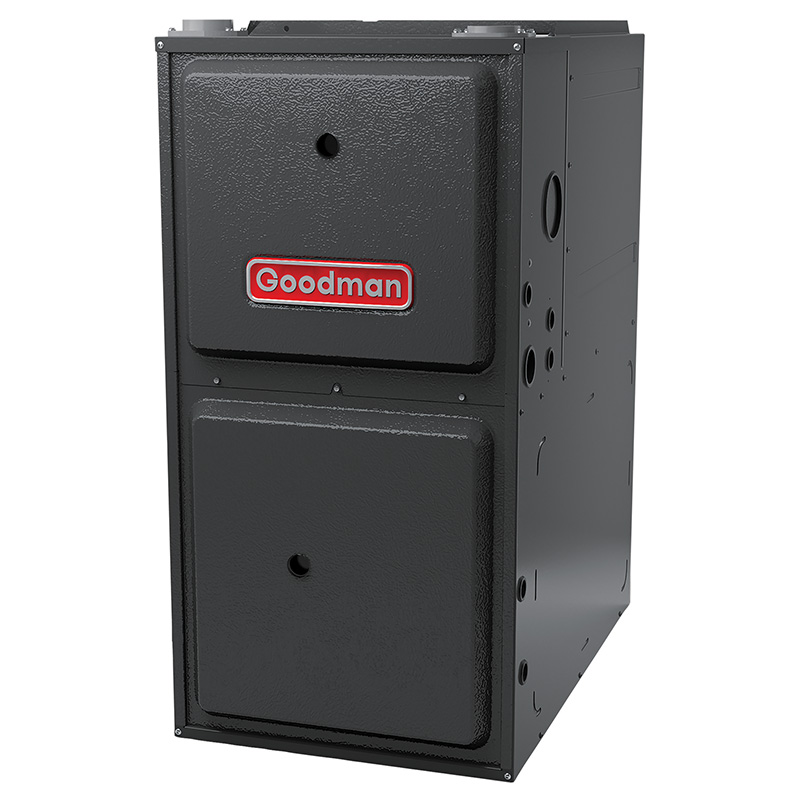
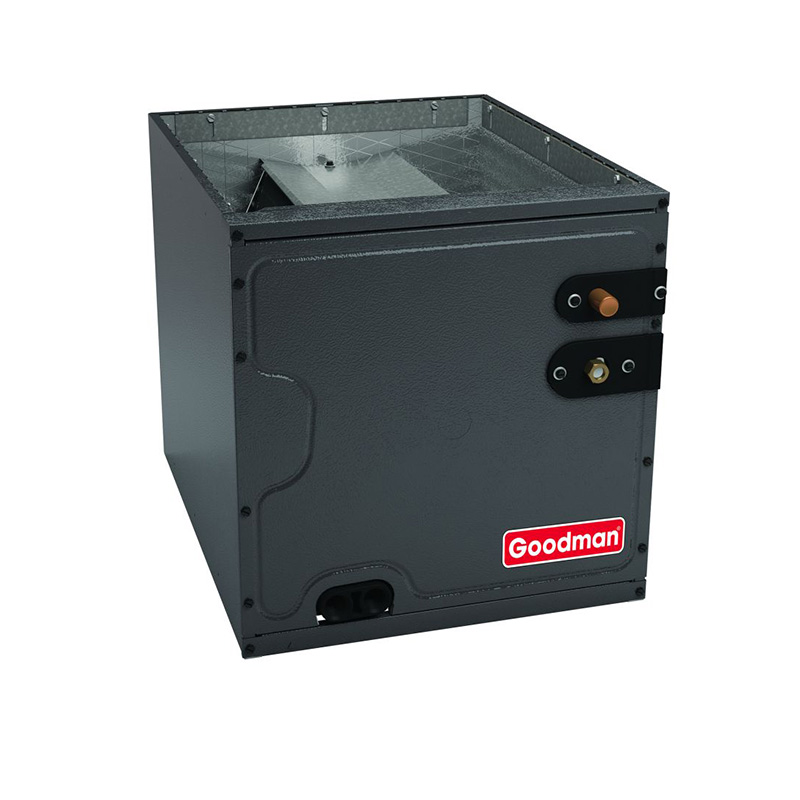
Goodman Furnace AC Combo – 3 Ton 14.5 SEER2 AC With 100000 BTU 97% AFUE Modulating Variable-Speed ECM Gas Furnace System – Upflow | R32
View on AC Direct see your lowest price →Check current price on AC Direct →
Key features
- 3-ton cooling capacity with 14.5 SEER2 efficiency rating
- 100,000 BTU modulating gas furnace at 97% AFUE
- Variable-speed ECM blower motor for quieter operation and better humidity control
- Upflow configuration for basement or closet installations with overhead ductwork
- R-32 refrigerant with lower global-warming potential than R-410A
- Modulating burner fires between roughly 40% and 100% for steadier temperatures
About this system
This Goodman combo pairs a 3-ton, 14.5 SEER2 air conditioner with a 100,000 BTU, 97% AFUE modulating gas furnace in an upflow configuration, and it uses R-32 refrigerant rather than the older R-410A. That combination puts it squarely in the upper tier of what Goodman offers: a modulating furnace fires at variable rates from roughly 40% up to 100% capacity, so it maintains steadier indoor temperatures and runs longer, quieter cycles instead of the blunt on/off cycling of a single-stage unit. The variable-speed ECM blower motor reinforces that by ramping airflow gradually, which also helps dehumidification and cuts blower electricity costs noticeably compared to a standard PSC motor.
The 97% AFUE rating means only about 3% of combustion heat escapes through the flue, which qualifies this furnace for federal efficiency tax credits and can make a real dent in heating bills in cold climates. At 14.5 SEER2 the cooling side is at the practical minimum for 2023-era efficiency standards in most U.S. regions, so it is honest entry-level efficiency rather than a premium-efficiency system. The upflow configuration suits the most common North American installation scenario: basement or closet air handler blowing up into overhead ductwork. R-32 refrigerant carries a lower global-warming potential than R-410A and is increasingly standard in new equipment, though it does require technicians who are familiar with its mildly flammable classification.
Buyers who suit this system best are cost-conscious homeowners replacing aging equipment in a home that already has upflow ductwork, who want the comfort benefits of a modulating furnace without paying Trane or Lennox prices. It is not the right fit if long-term hands-off ownership or top-tier cooling efficiency are the priorities.
This Goodman combo delivers genuinely high-end furnace technology at a value price point, and the modulating variable-speed package is a meaningful comfort upgrade over single- or <a href="https://hvac.best/glossary/two-stage/">two-stage</a> alternatives. The trade-off is a brand history that shows higher-than-average component failure rates after year 7 and compressor longevity that typically trails premium brands, so buyers should budget for maintenance and weigh extended warranty options seriously.
Overall score is the average of the five ratings above.
What we like
- Modulating furnace provides noticeably steadier indoor temperatures compared to single- or two-stage units
- 97% AFUE qualifies for federal efficiency incentives and reduces heating costs in colder climates
- Variable-speed ECM blower cuts electricity use and improves whole-home dehumidification
- R-32 refrigerant is forward-compatible with tightening environmental regulations
- Priced roughly 15 to 25 percent below comparable Trane, Lennox, and Carrier equipment
Trade-offs
- Dual-run capacitors are the most commonly reported failure point and costs tend to climb after roughly year 7
- Evaporator coil leaks appear in a meaningful share of owner reviews, which can be an expensive repair
- Compressor lifespan averages 10 to 14 years versus 15 to 20 years typical of premium brands
- 14.5 SEER2 is entry-level efficiency on the cooling side, leaving room for lower operating costs if budget allows stepping up
What homeowners and pros say about Goodman
Homeowners and HVAC professionals who talk about Goodman tend to land in the same place: the price is genuinely hard to argue with, and the equipment works when it is installed correctly. Google dealer reviews average around 3.8 out of 5, where affordability is the praise that comes up most often. The modulating furnace in this system earns real respect from technicians who install it, because the variable-speed ECM motor and modulating burner deliver comfort performance you would expect from equipment costing significantly more. The R-32 refrigerant is also increasingly viewed as a practical choice rather than a novelty, since it aligns with where the industry is heading.
The more cautious side of the conversation centers on what happens after the system has been running for several years. ConsumerAffairs rates Goodman at roughly 2.5 out of 5, a score shaped heavily by owners who returned to report mounting repair bills, typically starting around year 7. The documented failure modes are specific: dual-run capacitors are the single most commonly reported breakdown and are generally a low-cost fix in the 300 to 600 dollar range, but they can leave you without cooling or heating when they go. Evaporator coil leaks show up in a meaningful share of reviews and are a more expensive problem. Compressor longevity tends to land in the 10 to 14 year range rather than the 15 to 20 years more often seen with premium brands. A minority of first-year owners have also reported refrigerant leaks, which pros generally attribute to install or initial charge issues rather than a factory defect. The through-line from professionals is consistent: Goodman rewards a careful, thorough installation and penalizes a rushed one more than premium brands do.
Sources: ConsumerAffairs Goodman owner reviews, AHRI Directory of Certified Product Performance, U.S. DOE appliance and equipment efficiency standards, Goodman product specification sheets.
What it costs to run
At 14.5 SEER2, cooling this 3-ton system for a typical 1200-hour cooling season at the U.S. average electricity rate of $0.17/kWh works out to roughly $506 per year in cooling, about $42 less per year than a minimum-efficiency 13.4 SEER2 unit of the same size. Your real cost depends on your climate and local rate.
Method: (36,000 BTU/hr ÷ 14.5 SEER2) × 1200 hours ÷ 1000 × $0.17/kWh. Rate source: U.S. EIA average; cooling hours: moderate-climate estimate.
How it compares
| Brand | Comparable model | SEER2 | Stage | Price position |
|---|---|---|---|---|
| Goodman | GMVC97 / GSXH5 Series | 14.5 | Modulating / Variable-speed | Value pick |
| Carrier | Comfort 14 / 58MXB Series | 14.3-15.2 | Single-stage / Two-stage | Typically 15 to 25 percent more than Goodman |
| Trane | XR14 / S9X2 Series | 14.3-15.0 | Single-stage / Two-stage | Typically 15 to 25 percent more than Goodman |
| Lennox | Merit 14ACX / ML196E Series | 14.3-15.2 | Single-stage / Two-stage | Typically 15 to 25 percent more than Goodman |
Competitor rows are comparable single-stage units at similar efficiency; price is relative position, not a quote.
Questions about this system
Does R-32 refrigerant require a specially certified technician for service?
R-32 is classified as mildly flammable (A2L), so most jurisdictions require technicians to have specific A2L handling training and appropriate equipment. Standard EPA 608 certification alone may not be sufficient, and not every local HVAC shop has yet updated their tools and training, so it is worth confirming before you hire a service tech.
What does 'modulating' actually mean for day-to-day comfort versus a two-stage furnace?
A two-stage furnace runs at two fixed output levels, typically around 65% and 100%. A modulating furnace steps through a wide range of firing rates to match the exact heating load at any moment, which means fewer noticeable temperature swings, longer quieter run cycles, and in most cases better humidity balance during the heating season.
Is 14.5 SEER2 going to cost me significantly more to run than a higher-efficiency AC?
At 14.5 SEER2 you are at the minimum efficiency tier for most U.S. regions, so a 16 or 18 SEER2 unit would use less electricity each cooling season. How much that matters depends on your climate and utility rates; in a hot, humid region with high electricity costs the payback on a higher-SEER2 unit can be real, but in a mild climate the savings are more modest.
Should I buy the extended warranty Goodman offers, or is the standard coverage enough?
Goodman's registered limited warranty covers the compressor and heat exchanger for a longer term, but parts labor is not included by default. Given Goodman's documented pattern of repair costs climbing after roughly year 7, and the known failure modes around capacitors and evaporator coils, a labor-inclusive extended warranty or a third-party service contract is worth pricing out before you decide.
My house has existing upflow ductwork sized for a 3-ton system. Will this unit connect without major modifications?
In most cases a like-for-like 3-ton upflow replacement will connect to existing ductwork with minimal modification, but the ECM blower and modulating burner should be commissioned and airflow-balanced by the installing technician rather than simply swapped in. Goodman equipment performance and longevity are heavily dependent on install quality, so proper setup is not optional.
Specifications
| Cooling capacity | 3 Ton |
| Efficiency | 14.5 SEER2 |
| Furnace output | 100000 BTU |
| Furnace efficiency | 97% AFUE |
| Configuration | Upflow |
| Refrigerant | R-32 |