Goodman Furnace AC Combo – 4 Ton 13.4 SEER2 AC With 120000 BTU 97% AFUE Modulating Variable-Speed ECM Gas Furnace System – Horizontal | R32
View on AC Direct see your lowest price →Check current price on AC Direct →
Key features
- 97% AFUE modulating gas furnace keeps heating waste to roughly 3 percent
- Variable-speed ECM blower motor reduces electricity use and noise versus PSC motors
- 4-ton, 13.4 SEER2 air conditioner meets current federal minimum efficiency standards
- R-32 refrigerant with lower global warming potential than R-410A
- Horizontal configuration designed for attic, crawlspace, or side-mount installations
- Modulating burner adjusts output in small steps for more consistent indoor temperatures
About this system
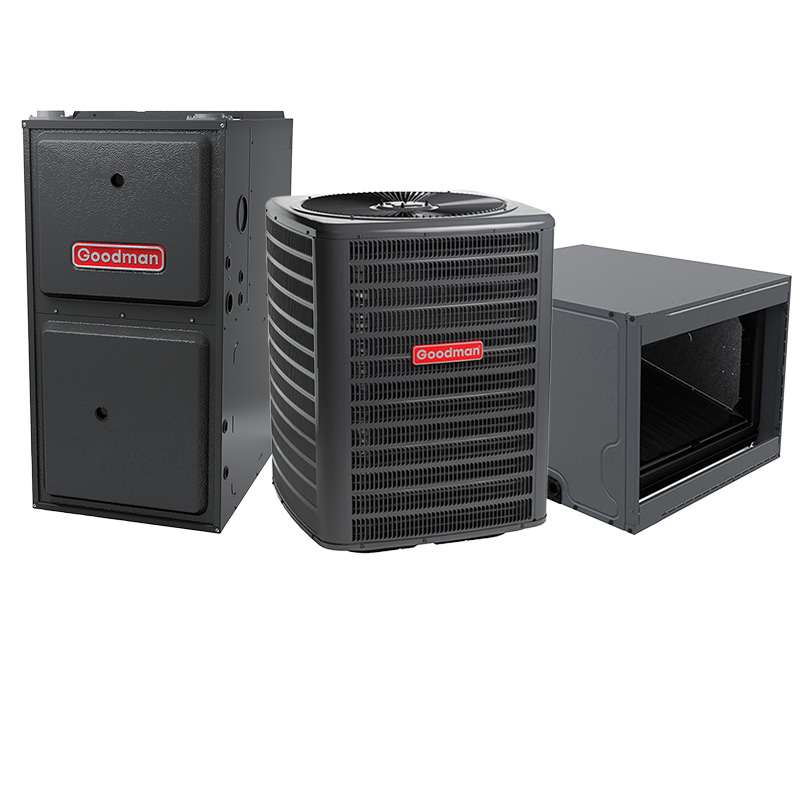
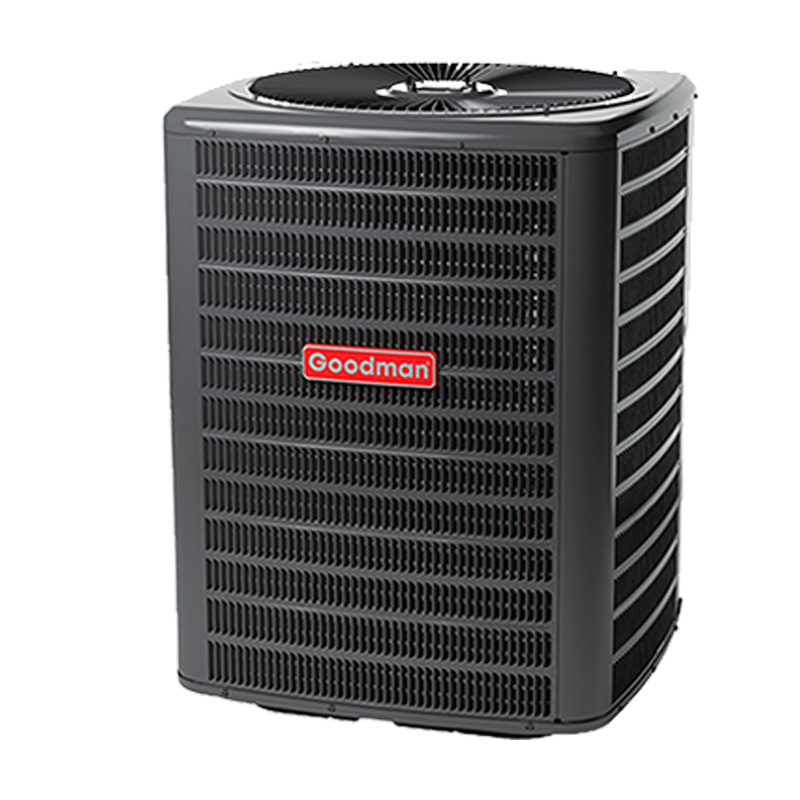
This Goodman combo pairs a 4-ton, 13.4 SEER2 central air conditioner with a 120,000 BTU, 97% AFUE modulating gas furnace in a horizontal configuration, making it a practical choice for homes where the air handler sits on its side in a crawlspace, attic, or tight mechanical room. The R-32 refrigerant charge is a step forward environmentally, carrying a lower global warming potential than the R-410A systems it replaces, and it typically requires a smaller refrigerant charge by weight to do the same cooling work.
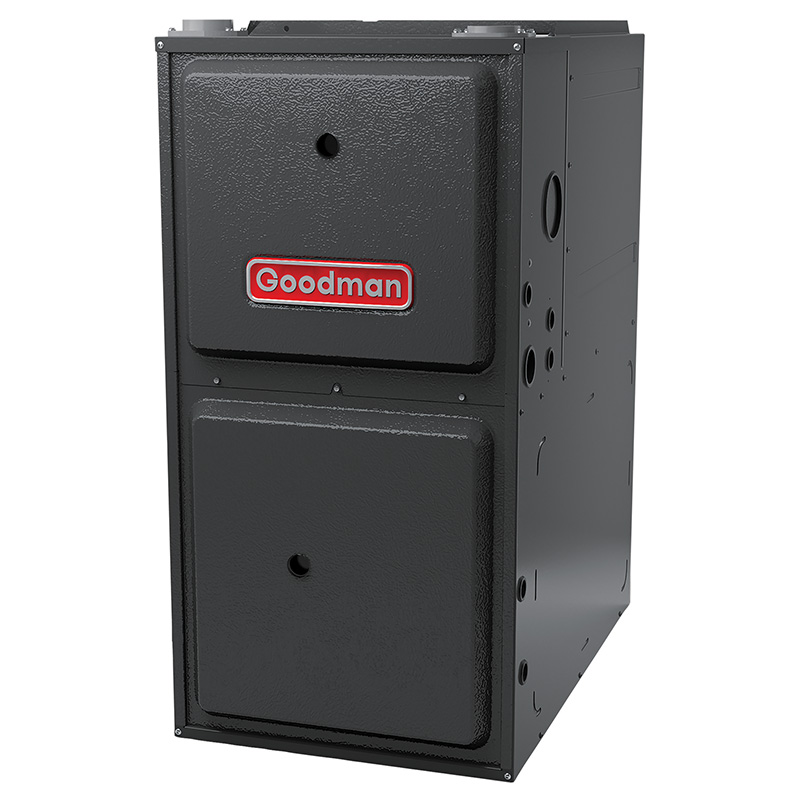
The 97% AFUE rating is genuinely high-end territory for a gas furnace, meaning only about 3 cents of every heating dollar goes up the flue. The modulating burner and variable-speed ECM blower motor work together to ramp output up or down in small increments rather than cycling on and off at full blast, which smooths out temperature swings, reduces cold spots, and runs quieter than single-stage equipment. That combination also helps manage humidity better during mild shoulder-season weather. At 13.4 SEER2, the cooling side meets current federal minimum efficiency standards for most U.S. climate zones but sits at the lower end of what the market offers, so it is more of a baseline-efficiency AC paired with a premium-grade furnace.
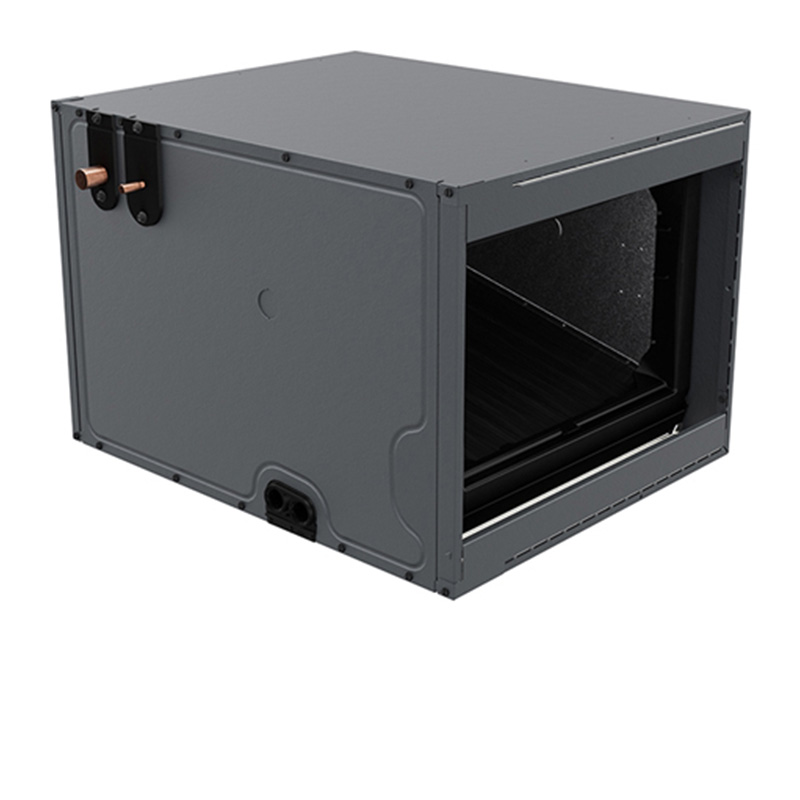
The horizontal configuration limits the install pool compared to upflow units, so you will need a contractor experienced with horizontal air handlers to ensure proper drainage slope, coil orientation, and static pressure balance. This system suits homeowners in colder climates who prioritize heating efficiency and comfort over cooling efficiency, and who want to avoid the premium pricing of Trane, Lennox, or Carrier while still getting a modulating furnace.
This system delivers genuinely premium furnace performance at a value-brand price, which is a real advantage for heating-dominant climates. The cooling side is adequate rather than impressive at 13.4 SEER2, and Goodman's documented reliability record means long-term ownership costs depend heavily on install quality and a willingness to budget for likely component service after year seven.
Overall score is the average of the five ratings above.
What we like
- 97% AFUE furnace is among the most efficient available at this price point
- Modulating operation improves comfort and humidity control versus single-stage systems
- Variable-speed ECM blower lowers operating electricity costs compared to standard motors
- R-32 refrigerant is more environmentally responsible than the R-410A it replaces
- Priced roughly 15 to 25 percent below comparable Trane, Lennox, and Carrier combos
Trade-offs
- 13.4 SEER2 is entry-level cooling efficiency, leaving energy savings on the table versus higher-SEER2 alternatives
- Dual-run capacitors and evaporator coil leaks are documented recurring failure modes that add to long-term service costs
- Compressor lifespan averages 10 to 14 years, shorter than the 15 to 20 years seen on premium brands
- Horizontal configuration requires careful installer attention to drainage slope and static pressure, narrowing the pool of qualified technicians
What homeowners and pros say about Goodman
Owners and technicians tend to describe Goodman in the same breath as affordability and unpredictability. On Google dealer reviews the brand averages around 3.8 out of 5, where the most consistent praise is straightforward: the equipment costs less upfront and heats or cools the house on day one without drama. The ConsumerAffairs score tells a different story at roughly 2.5 out of 5, though that channel skews toward people who are frustrated enough to write a review, and the recurring pattern in those complaints is repair costs that start climbing after roughly year seven of ownership. For a system like this one, that context matters: the modulating furnace side is genuinely good hardware, but the air conditioning components carry Goodman’s documented weak points.
Technicians who work on Goodman equipment frequently point to dual-run capacitors as the most common service call, a repair that typically runs 300 to 600 dollars and is not unique to Goodman but shows up at higher rates in owner feedback for this brand. Evaporator coil leaks are a second recurring complaint in owner accounts, and compressor longevity averages 10 to 14 years on Goodman systems compared to 15 to 20 years reported for premium brands. A smaller but notable share of owners have reported refrigerant leaks within the first year, which technicians generally attribute to charge or installation issues rather than the equipment itself, underscoring why installer quality is the variable that most separates a long-lived Goodman system from a troublesome one.
Sources: ConsumerAffairs Goodman owner reviews, AHRI Directory of Certified Product Performance, U.S. DOE appliance and equipment efficiency standards, Goodman product specification sheets.
What it costs to run
At 13.4 SEER2, cooling this 4-ton system for a typical 1200-hour cooling season at the U.S. average electricity rate of $0.17/kWh works out to roughly $731 per year in cooling, about $0 less per year than a minimum-efficiency 13.4 SEER2 unit of the same size. Your real cost depends on your climate and local rate.
Method: (48,000 BTU/hr ÷ 13.4 SEER2) × 1200 hours ÷ 1000 × $0.17/kWh. Rate source: U.S. EIA average; cooling hours: moderate-climate estimate.
How it compares
| Brand | Comparable model | SEER2 | Stage | Price position |
|---|---|---|---|---|
| Goodman | GSX14/GMVM97 Horizontal Combo | 13.4 | Variable/Modulating | Value pick |
| Carrier | Performance 14 (24ACC4) with 59MN7 Modulating Furnace | 13.4 | Variable/Modulating | Typically 15 to 25 percent more than Goodman |
| Trane | XR14c with S9V2 Variable-Speed Furnace | 13.4 | Variable/Modulating | Typically 15 to 25 percent more than Goodman |
| Lennox | Merit 14ACX with ML297V Modulating Furnace | 13.4 | Variable/Modulating | Typically 15 to 25 percent more than Goodman |
Competitor rows are comparable single-stage units at similar efficiency; price is relative position, not a quote.
Questions about this system
Is 13.4 SEER2 good enough, or should I spend more for a higher-efficiency AC?
13.4 SEER2 meets the federal minimums for most U.S. regions and will cool your home effectively, but it is the bottom rung of current efficiency. In climates where you run the AC heavily from May through September, upgrading to a 16 or 18 SEER2 unit can meaningfully reduce summer electric bills, and the payback period is often five to eight years depending on local utility rates.
What does horizontal configuration mean, and does my home qualify?
Horizontal means the air handler unit is installed on its side, with airflow moving through it lengthwise rather than vertically. This is common in attics, crawlspaces, and some utility closets where ceiling height is limited. Your installer must ensure proper drainage pan slope to prevent condensate backup, and not every technician is equally experienced with horizontal setups, so vetting your contractor matters more here than with a standard upflow system.
What repairs should I budget for over the first ten years?
Dual-run capacitors are the most commonly reported failure on Goodman equipment and typically run 300 to 600 dollars to diagnose and replace, including labor. Evaporator coil leaks show up in a meaningful share of owner reports and can cost significantly more to repair. Setting aside a small annual maintenance fund and keeping a service agreement in place is a reasonable approach given the brand's documented failure patterns.
Does this system work with a standard thermostat, or do I need a communicating thermostat?
The modulating furnace and variable-speed ECM blower are compatible with most standard multi-stage thermostats, but to get the full benefit of modulating operation you will want a thermostat that can communicate multiple heating stages or use a continuous-fan signal. Ask your installer specifically which thermostat they recommend for this furnace model to avoid leaving comfort and efficiency gains on the table.
Is R-32 refrigerant harder or more expensive to service than R-410A?
R-32 requires technicians who are certified to handle mildly flammable refrigerants, and not every local HVAC shop has that certification yet. Availability is improving as R-32 systems become more common, but in some rural markets you may need to call around to find a qualified technician. Refrigerant costs for R-32 are currently in a similar range to R-410A, though pricing can vary by region.
Specifications
| Cooling capacity | 4 Ton |
| Efficiency | 13.4 SEER2 |
| Furnace output | 120000 BTU |
| Furnace efficiency | 97% AFUE |
| Configuration | Horizontal |
| Refrigerant | R-32 |