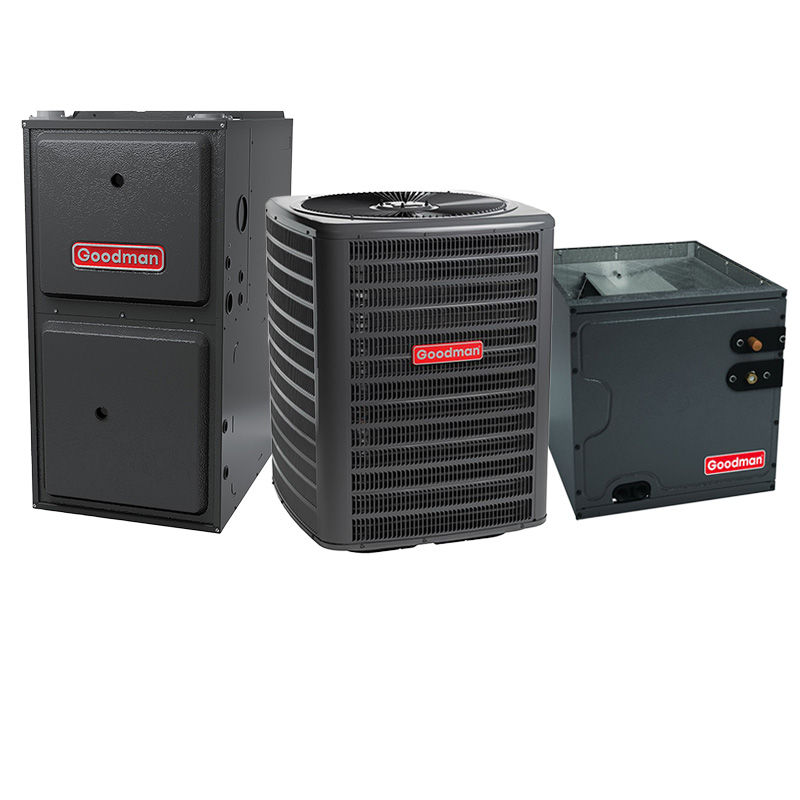
Goodman Furnace AC Combo – 4 Ton 13.5 SEER2 AC With 100000 BTU 97% AFUE Modulating Variable-Speed ECM Gas Furnace System – Upflow | R32
View on AC Direct see your lowest price →Check current price on AC Direct →
Key features
- 97% AFUE modulating gas furnace reduces fuel waste to roughly 3 cents on every dollar of gas burned
- Variable-speed ECM blower motor adjusts airflow continuously for quieter, more even comfort
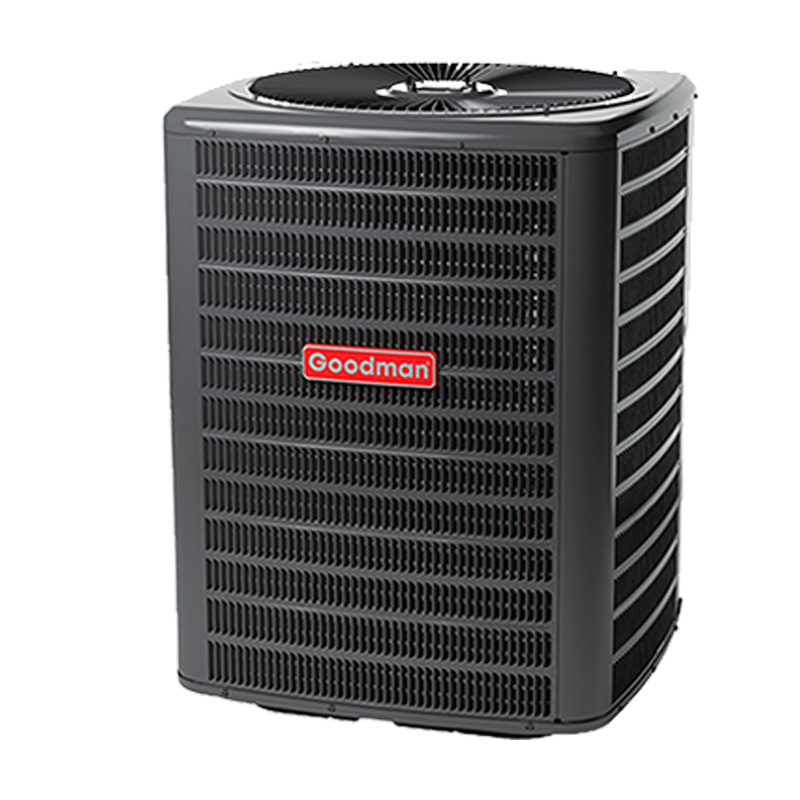
- 4-ton, 13.5 SEER2 cooling capacity suited for homes roughly 2,000 to 2,600 sq ft depending on climate and insulation
- R-32 refrigerant with lower global warming potential than R-410A, aligning with current industry direction
- Upflow cabinet configuration compatible with standard below-floor duct systems and most forced-air layouts
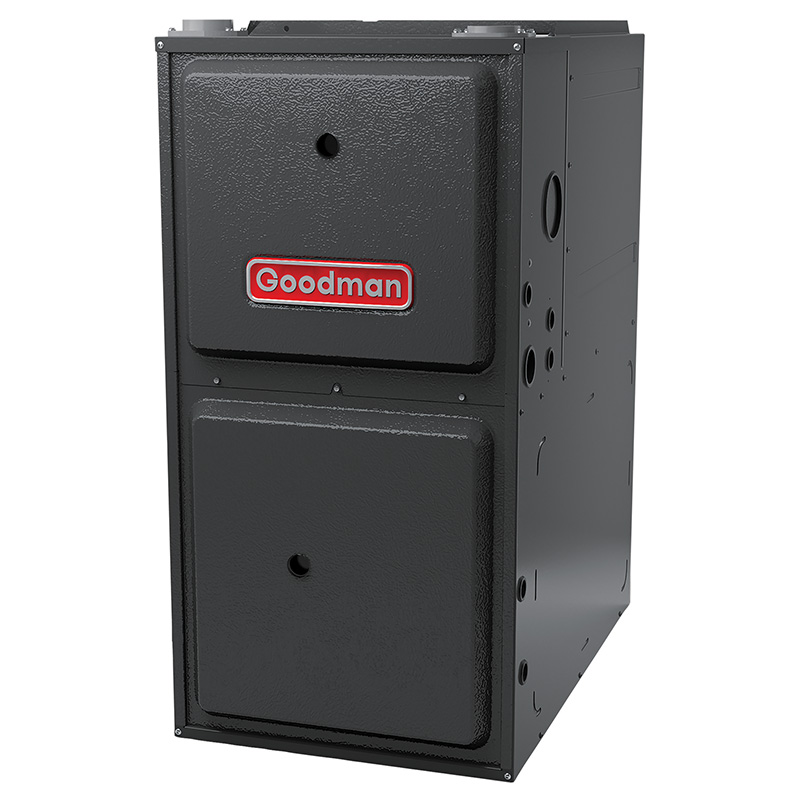
- Modulating burner stages down during mild weather rather than short-cycling, extending equipment run cycles and reducing temperature swings
About this system
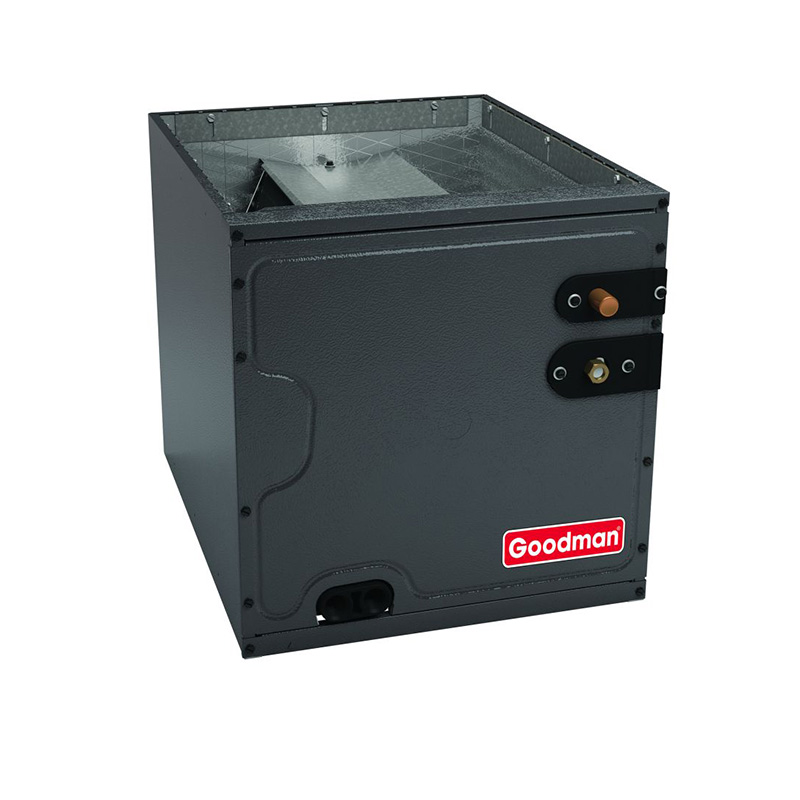
This Goodman combo pairs a 4-ton, 13.5 SEER2 central air conditioner with a 100,000 BTU, 97% AFUE modulating gas furnace in an upflow configuration. The furnace is the clear standout here: a 97% AFUE rating means nearly all combustion energy reaches your living space rather than venting outside, and the modulating burner adjusts output in small increments rather than cycling fully on or off. That, combined with the variable-speed ECM blower motor, means quieter operation, more consistent room temperatures, and lower humidity swings compared with single-stage or two-stage equipment. The R-32 refrigerant charge is a forward-looking choice, carrying a lower global warming potential than older R-410A systems and already the direction the industry is heading.
The 13.5 SEER2 rating on the cooling side is entry-level by current standards. It meets federal minimum efficiency thresholds and will outperform an aging 10 or 12 SEER system, but homeowners in hot climates who run air conditioning heavily through long summers may find the efficiency gap between this and a 16 or 18 SEER2 unit matters on their utility bill over time. Where this combo earns its keep is on the heating side: a 97% modulating furnace at this price tier is genuinely uncommon, and for households in cold climates where gas heat dominates annual energy spend, that efficiency level is where the real savings accumulate. The upflow cabinet suits the most common duct arrangement, with supply air leaving from the top, making it a straightforward fit in most basements, utility rooms, and closets.
This combo delivers a genuinely high-efficiency furnace at a price point that premium brands rarely touch, and the modulating variable-speed setup is a real comfort upgrade over basic two-stage systems. The 13.5 SEER2 cooling is functional but not exceptional, and Goodman's long-term reliability record means installation quality and a solid parts warranty matter more here than with premium brands. For budget-conscious buyers in heating-dominated climates who want top-tier furnace efficiency without a top-tier price tag, it is a reasonable choice made or broken by who installs it.
Overall score is the average of the five ratings above.
What we like
- 97% AFUE modulating furnace is among the most efficient gas heating options available at any price
- Variable-speed ECM blower measurably improves humidity control and reduces operating noise versus single-speed units
- Priced 15 to 25 percent below comparable Carrier, Trane, and Lennox systems, leaving room in the budget for a thorough installation
- R-32 refrigerant future-proofs the system against near-term regulatory shifts away from R-410A
- Modulating operation reduces short-cycling wear on the heat exchanger and blower components over time
Trade-offs
- 13.5 SEER2 is entry-level cooling efficiency and will deliver higher summer operating costs than 16 or 18 SEER2 alternatives in hot climates
- Goodman compressors average 10 to 14 years in service, shorter than the 15 to 20 years typically seen from premium-brand compressors
- Dual-run capacitor failures are the most documented weak point in Goodman systems, though repairs typically run 300 to 600 dollars and are straightforward
- A minority of owners report refrigerant leaks within the first year, most traced to installation or initial charge errors rather than manufacturing defects, underscoring how much ride quality depends on installer skill
What homeowners and pros say about Goodman
Homeowners who research Goodman online encounter two very different portraits depending on where they look. The ConsumerAffairs score sits at roughly 2.5 out of 5, pulled down by owners who post primarily when something goes wrong, and the recurring theme there is repair bills that start accumulating after about year seven. Google dealer reviews tell a more moderate story at around 3.8 out of 5, where the most consistent praise is that the equipment delivers solid function at a price that leaves room in the project budget. For this specific combo, most of the positive homeowner commentary centers on the furnace side: modulating, variable-speed gas furnaces at this price tier genuinely stand out, and owners in colder regions tend to notice the comfort difference over their previous single-stage or two-stage systems fairly quickly after the first heating season.
HVAC technicians who work on Goodman equipment regularly tend to land on a measured verdict. They point to dual-run capacitors as the most predictable service call, a failure mode that is common across the brand and usually a straightforward, relatively affordable fix. Evaporator coil leaks come up often enough in the field that experienced installers recommend confirming the coil is well seated and checking for leaks at startup rather than assuming the factory connection is perfect. Compressor longevity is the bigger concern at the ten-year mark: Goodman compressors average 10 to 14 years in real-world service compared with 15 to 20 years from premium-brand counterparts, and technicians consistently say the gap between a good Goodman install and a careless one is larger than with Trane or Carrier. First-year refrigerant leaks, while affecting a minority of owners, are almost always traced back to the installation rather than the unit itself, which makes choosing a meticulous contractor more important here than with more forgiving equipment.
Sources: ConsumerAffairs Goodman owner reviews, AHRI Directory of Certified Product Performance, U.S. DOE appliance and equipment efficiency standards, Goodman product specification sheets.
What it costs to run
At 13.5 SEER2, cooling this 4-ton system for a typical 1200-hour cooling season at the U.S. average electricity rate of $0.17/kWh works out to roughly $725 per year in cooling, about $6 less per year than a minimum-efficiency 13.4 SEER2 unit of the same size. Your real cost depends on your climate and local rate.
Method: (48,000 BTU/hr ÷ 13.5 SEER2) × 1200 hours ÷ 1000 × $0.17/kWh. Rate source: U.S. EIA average; cooling hours: moderate-climate estimate.
How it compares
| Brand | Comparable model | SEER2 | Stage | Price position |
|---|---|---|---|---|
| Goodman | GMVM971005CN + GSXH504810 | 13.5 | Modulating / Variable-speed | Value pick |
| Carrier | Performance 96 (59TP6) + 24ACC636A003 | 13.4-14.0 | Two-stage / Variable-speed | Typically 15 to 25 percent more than Goodman |
| Trane | S9X2 + XR15 | 13.8-15.0 | Two-stage / Variable-speed | Typically 15 to 25 percent more than Goodman |
| Lennox | SLP98V + 14ACX | 13.4-14.0 | Modulating / Variable-speed | Typically 15 to 25 percent more than Goodman |
Competitor rows are comparable single-stage units at similar efficiency; price is relative position, not a quote.
Questions about this system
Will 4 tons be enough to cool my house, or is this system too large?
Four tons is generally appropriate for homes in the 2,000 to 2,600 square foot range, though the right size depends on your local climate, insulation, window area, and duct condition. Oversizing is a real problem with any system: it causes short-cycling, poor humidity removal, and faster component wear. Ask your installer to perform a Manual J load calculation before committing to this tonnage.
What does 'modulating' mean on the furnace, and is it worth it over a two-stage unit?
A modulating furnace adjusts its burner output in small increments, anywhere from roughly 40 to 100 percent of capacity, rather than switching between just two fixed stages. In practice this means longer, quieter heating cycles, tighter temperature control (often within one degree of the setpoint), and better humidity management. For most homes it is a noticeable comfort upgrade over two-stage equipment, particularly in shoulder seasons when demand is low.
Is R-32 refrigerant harder to service than R-410A, and will local techs know how to handle it?
R-32 is classified as mildly flammable (A2L), which requires technicians to use certified tools and follow specific handling procedures. Adoption is spreading rapidly and most HVAC companies are already training their staff, but it is worth confirming your service technician is R-32 certified before scheduling maintenance or repairs. Parts availability is not a concern with a major brand like Goodman.
Goodman's ConsumerAffairs score is low. Should that concern me before I buy?
ConsumerAffairs is a complaint-heavy channel where satisfied owners rarely post, so the roughly 2.5 out of 5 score there reflects a skewed sample. Google dealer reviews for Goodman installers average around 3.8 out of 5 and paint a more balanced picture, with affordability as the most common praise. The honest takeaway is that Goodman equipment performs reasonably well when installed correctly but repair costs do tend to climb after roughly year seven, which makes the parts warranty and installer quality more important buying factors than with premium brands.
What is the most likely repair I should budget for over the life of this system?
Dual-run capacitor failure is the most commonly reported issue across Goodman systems and typically runs 300 to 600 dollars to fix, which is a routine and relatively inexpensive repair. Evaporator coil leaks show up in a meaningful share of owner reviews and are more costly. Compressor replacement, if it becomes necessary around years 10 to 14, is the expensive scenario, which is why keeping the 10-year parts warranty active through registered installation matters.
Specifications
| Cooling capacity | 4 Ton |
| Efficiency | 13.5 SEER2 |
| Furnace output | 100000 BTU |
| Furnace efficiency | 97% AFUE |
| Configuration | Upflow |
| Refrigerant | R-32 |