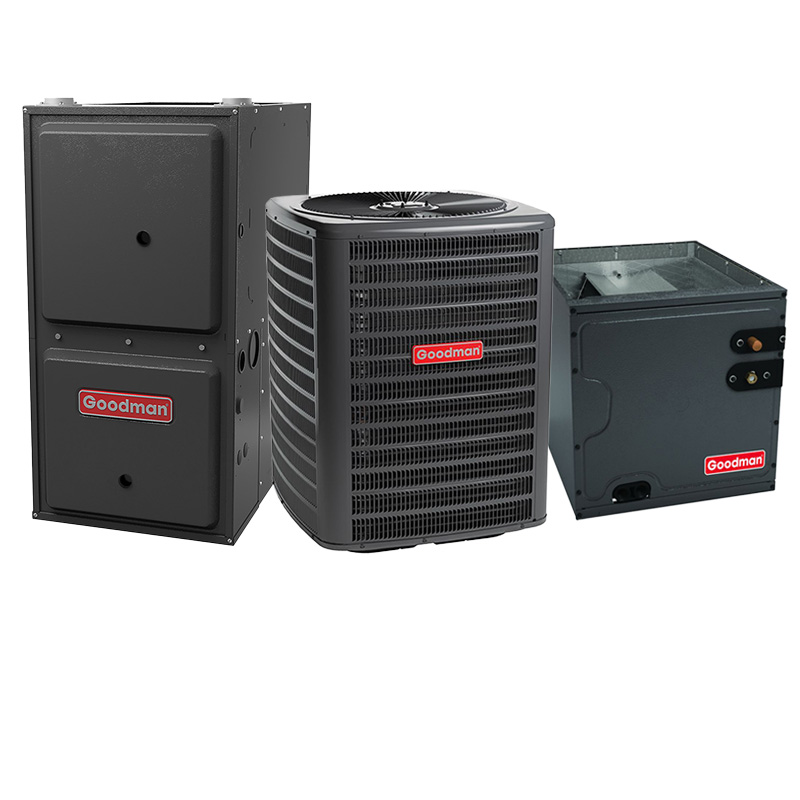
Goodman Furnace AC Combo – 4 Ton 13.5 SEER2 AC With 80000 BTU 97% AFUE Modulating Variable-Speed ECM Gas Furnace System – Downflow | R32
View on AC Direct see your lowest price →Check current price on AC Direct →
Key features
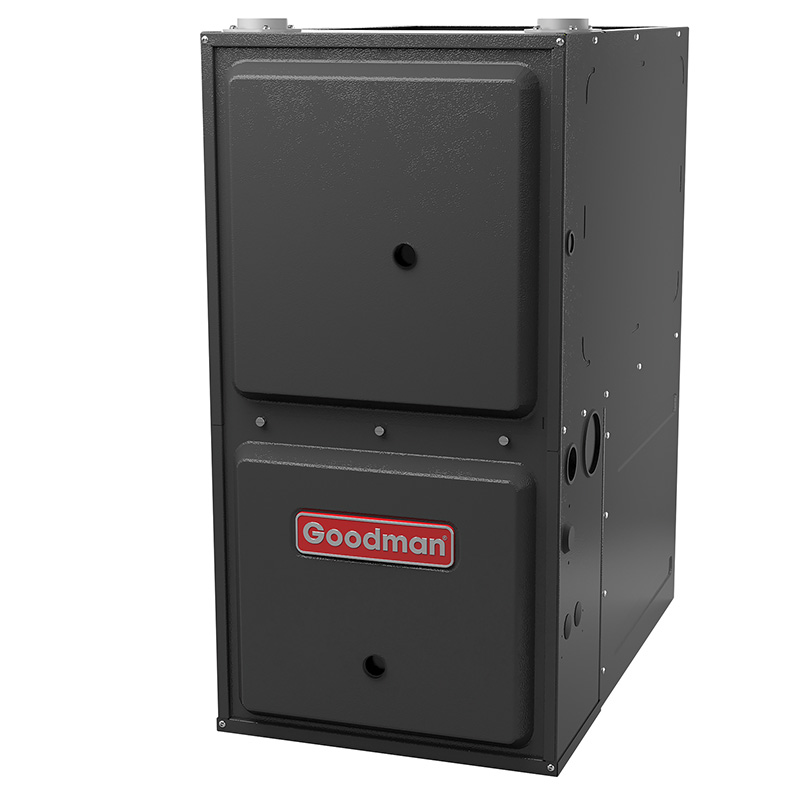
- 97% AFUE modulating gas furnace keeps heating losses to roughly 3 cents on every dollar of gas burned
- Variable-speed ECM blower motor reduces electricity draw and runs quieter than single-speed alternatives
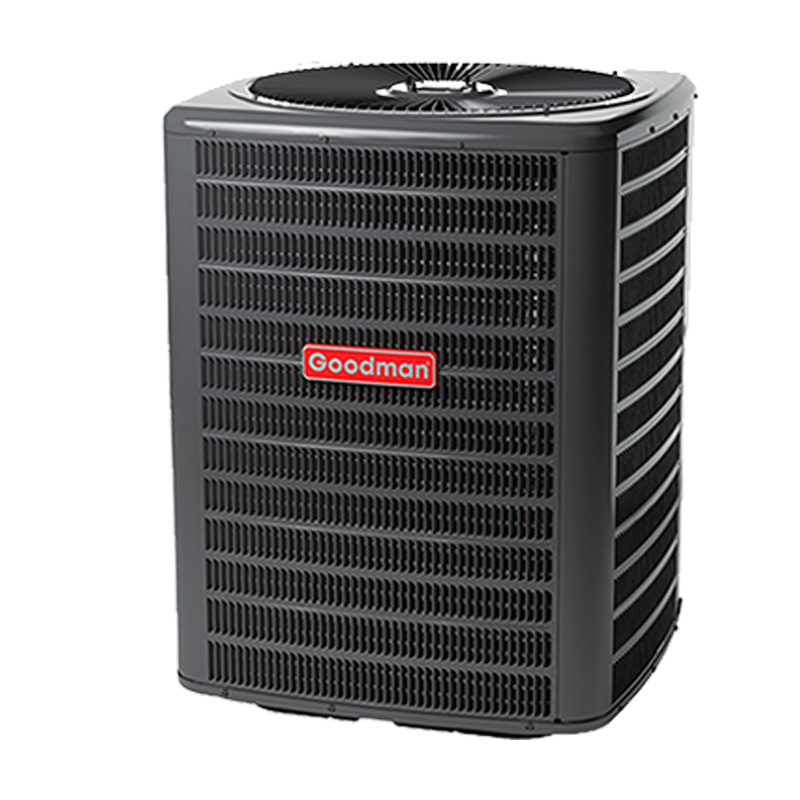
- 4-ton, 13.5 SEER2 air conditioner meets current federal minimum efficiency standards for most U.S. regions
- Downflow configuration: supply air exits the bottom, suited to specific duct layouts above crawlspaces or dropped ceilings
- R-32 refrigerant charge with lower global warming potential than legacy R-410A systems
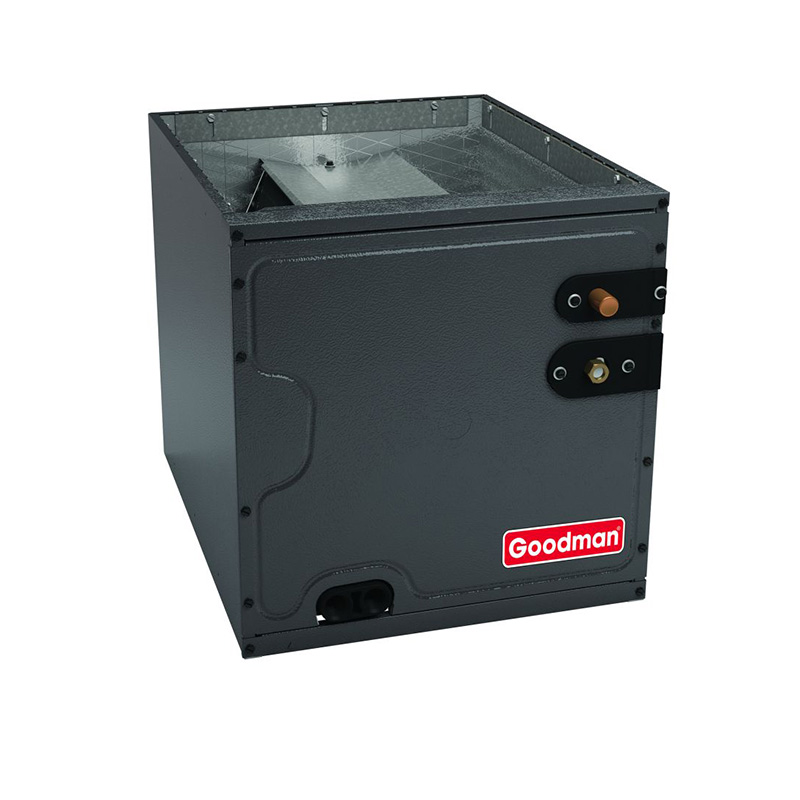
- Factory-matched coil and furnace sold as a tested system, simplifying equipment selection for installers
About this system
This Goodman combo pairs a 4-ton, 13.5 SEER2 central air conditioner with an 80,000 BTU, 97% AFUE modulating gas furnace in a downflow configuration, using R-32 refrigerant. The furnace is the standout component here: a 97% AFUE rating means only 3% of fuel is lost as exhaust, which is about as efficient as a gas furnace gets. The modulating burner adjusts heat output in small increments rather than cycling fully on and off, and the variable-speed ECM blower motor trims electricity use and delivers more consistent temperatures room to room. For homes in cold climates with high gas bills, the furnace side of this system will likely pay dividends over time.
The 13.5 SEER2 rating on the cooling side is entry-level for a new system sold today. It meets federal minimum efficiency standards for most regions but sits well below the mid-efficiency and high-efficiency tiers. Homeowners in climates with long, brutal summers may notice higher cooling bills compared to a 16 or 18 SEER2 unit. The downflow configuration is specific: supply air exits the bottom of the furnace, which suits homes where the unit sits in a closet above a crawlspace or on a main floor above a basement duct drop. Confirm your duct layout before purchasing, as downflow is not the most common residential configuration. R-32 refrigerant has a lower global warming potential than older R-410A and is the direction the industry is heading.
This system makes the most sense for a budget-conscious homeowner who needs to replace both heating and cooling at once, already has a downflow duct arrangement, and prioritizes heating efficiency over cooling efficiency. The modulating furnace is a genuinely premium component in an otherwise value-positioned package, which is an unusual combination at this price level.
The furnace half of this system punches well above its price point: 97% AFUE with a modulating burner and variable-speed ECM motor is legitimately high-end heating technology at a Goodman price. The 13.5 SEER2 cooling side is functional but unremarkable, and Goodman's documented track record of capacitor failures and shorter compressor lifespan compared to premium brands means long-term costs depend heavily on who installs it and how well it is maintained.
Overall score is the average of the five ratings above.
What we like
- 97% AFUE modulating furnace is among the most efficient gas heating options available at any price
- Variable-speed ECM blower improves comfort, reduces energy use, and runs quieter than fixed-speed motors
- Priced roughly 15 to 25 percent below comparable Carrier, Trane, and Lennox combinations, lowering the upfront cost barrier
- R-32 refrigerant is a forward-looking choice with better environmental profile than R-410A
- Factory-matched system simplifies permitting and equipment compatibility for the installing contractor
Trade-offs
- 13.5 SEER2 is entry-level cooling efficiency; homeowners in hot climates with long cooling seasons will pay more to run it than higher-SEER2 alternatives
- Goodman compressors average 10 to 14 years in documented owner experience, shorter than the 15 to 20 years typically seen from premium brands
- Dual-run capacitor failures are the brand's most commonly reported issue and, while inexpensive to fix, can leave you without cooling mid-summer
- Downflow-only configuration limits this unit to a specific subset of homes; purchasing the wrong airflow direction requires a costly return or forced workaround
What homeowners and pros say about Goodman
Homeowners who browse Goodman reviews will find a split picture. On ConsumerAffairs, the brand scores around 2.5 out of 5, a channel that skews toward dissatisfied owners who seek out a place to vent. The recurring complaint there is repair costs that start climbing after roughly year 7, with dual-run capacitor failures and evaporator coil refrigerant leaks appearing most often. Google dealer reviews tell a somewhat better story, averaging around 3.8 out of 5 across locations, where the most consistent praise is affordability and the ability to get a functional system installed without overextending a budget. Neither number is a ringing endorsement, but both are consistent with what you would expect from a value-tier brand: solid when everything goes right, frustrating when it does not.
HVAC technicians tend to hold a pragmatic view. Many will note that a Goodman installed carefully by an experienced contractor, with proper refrigerant charge and tight ductwork connections, performs reasonably well for a decade or more. The documented weak spots are specific: compressors on Goodman equipment average 10 to 14 years in practice, compared to 15 to 20 years for premium brands, and that gap matters when budgeting for long-term ownership. Capacitor failures are the most routine service call and are generally inexpensive. For this particular system, technicians familiar with modulating furnaces will point out that the variable-speed ECM furnace component is a genuinely capable piece of equipment, and the R-32 refrigerant side requires a contractor who has updated their tools and certification. Installation quality, as always with Goodman, is the variable that most determines whether you are satisfied or searching for a repair company five years from now.
Sources: ConsumerAffairs Goodman owner reviews, AHRI Directory of Certified Product Performance, U.S. DOE appliance and equipment efficiency standards, Goodman product specification sheets.
What it costs to run
At 13.5 SEER2, cooling this 4-ton system for a typical 1200-hour cooling season at the U.S. average electricity rate of $0.17/kWh works out to roughly $725 per year in cooling, about $6 less per year than a minimum-efficiency 13.4 SEER2 unit of the same size. Your real cost depends on your climate and local rate.
Method: (48,000 BTU/hr ÷ 13.5 SEER2) × 1200 hours ÷ 1000 × $0.17/kWh. Rate source: U.S. EIA average; cooling hours: moderate-climate estimate.
How it compares
| Brand | Comparable model | SEER2 | Stage | Price position |
|---|---|---|---|---|
| Goodman | 4-Ton 13.5 SEER2 AC / 80k BTU 97% AFUE Modulating Furnace Downflow R-32 | 13.5 | Modulating (furnace) / Single-stage (AC) | Value pick |
| Carrier | Performance 13 or Comfort 13 Series (matching 4-ton, 80k BTU 96% AFUE two-stage pairing) | 13.4-14.0 | Two-stage | Typically 15 to 25 percent more than Goodman |
| Trane | XR13 / XC13 AC with S9V2 or S9X2 Variable-Speed Furnace | 13.4-14.0 | Variable (furnace) / Single-stage (AC) | Typically 15 to 25 percent more than Goodman |
| Lennox | Merit 14 Series AC with ML296V Variable-Speed Furnace | 13.5-14.0 | Variable (furnace) / Single-stage (AC) | Typically 15 to 25 percent more than Goodman |
Competitor rows are comparable single-stage units at similar efficiency; price is relative position, not a quote.
Questions about this system
Is downflow the right configuration for my house?
Downflow means the furnace pulls return air in from the top and delivers supply air out the bottom. This suits installations where the unit sits on a main floor above a crawlspace, or in a closet that feeds ducts running below. If your ducts are in an attic or the unit sits in a basement blowing up, you need upflow or horizontal. Verify your existing duct layout with your installer before ordering.
Will 13.5 SEER2 cost me noticeably more to run than a higher-efficiency unit?
In mild climates with shorter cooling seasons the difference is modest. In hot southern climates where AC runs four to six months a year, a 16 or 18 SEER2 system can meaningfully cut summer electric bills over the life of the equipment. If cooling dominates your utility costs, the extra upfront cost of a higher SEER2 unit often pays back within several years.
What are the most likely repairs I should budget for over the first 10 years?
Dual-run capacitors are the most frequently reported Goodman failure and typically cost 300 to 600 dollars to replace, including a service call. Evaporator coil refrigerant leaks appear in a meaningful share of owner reviews and are more expensive to address. Setting aside a few hundred dollars per year in a maintenance fund is a reasonable expectation with any value-tier brand.
What does the modulating furnace actually do differently from a standard two-stage unit?
A modulating furnace adjusts its flame in many small steps rather than just high and low, so it delivers only as much heat as the space needs at any given moment. Combined with the variable-speed ECM blower, this means steadier temperatures, fewer cold blasts of air at startup, and lower gas and electricity consumption during milder weather. It is the primary reason the furnace in this system earns its 97% AFUE rating.
Is R-32 refrigerant easy to service, and will parts be available?
R-32 is increasingly common and the HVAC industry is actively transitioning to it, so certified technicians with the appropriate equipment are becoming easier to find. It does require slightly different handling procedures than R-410A, so confirm your servicing contractor is trained and equipped for R-32 systems before you commit.
Specifications
| Cooling capacity | 4 Ton |
| Efficiency | 13.5 SEER2 |
| Furnace output | 80000 BTU |
| Furnace efficiency | 97% AFUE |
| Configuration | Downflow |
| Refrigerant | R-32 |