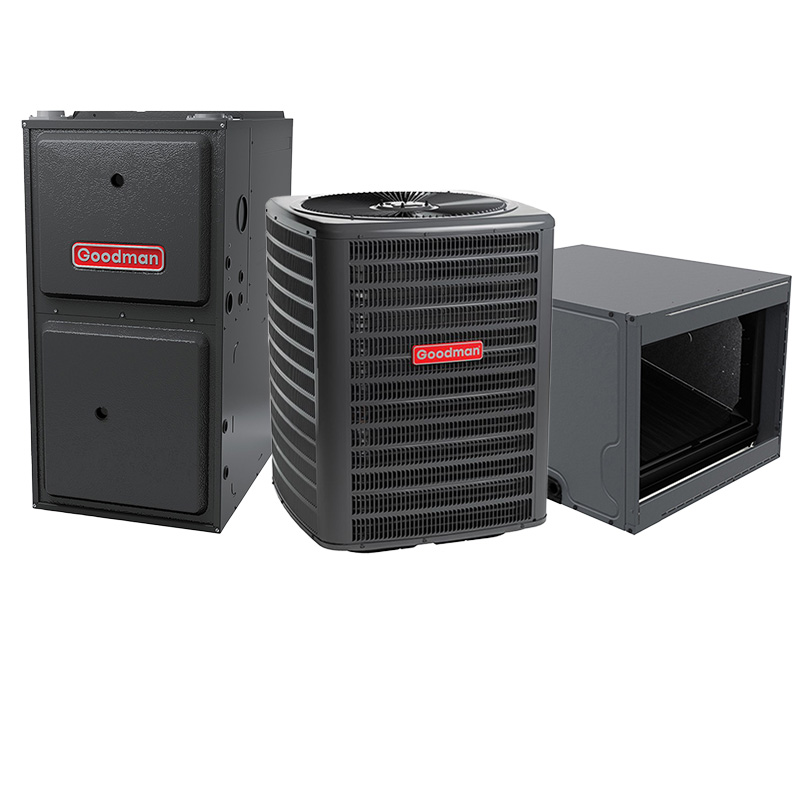
Goodman Furnace AC Combo – 4 Ton 14.3 SEER2 AC With 100000 BTU 97% AFUE Modulating Variable-Speed ECM Gas Furnace System – Horizontal | R32
View on AC Direct see your lowest price →Check current price on AC Direct →
Key features
- 4-ton, 14.3 SEER2 cooling efficiency, meeting 2023 federal minimums for most regions
- 100,000 BTU modulating gas furnace rated at 97% AFUE for high-efficiency heat
- Variable-speed ECM blower motor for quieter operation and lower electricity use
- Horizontal configuration designed for attic, crawl space, or side-access installs
- R-32 refrigerant charge with lower global-warming potential than R-410A
- Modulating gas valve provides precise heat output and reduced temperature swings
About this system
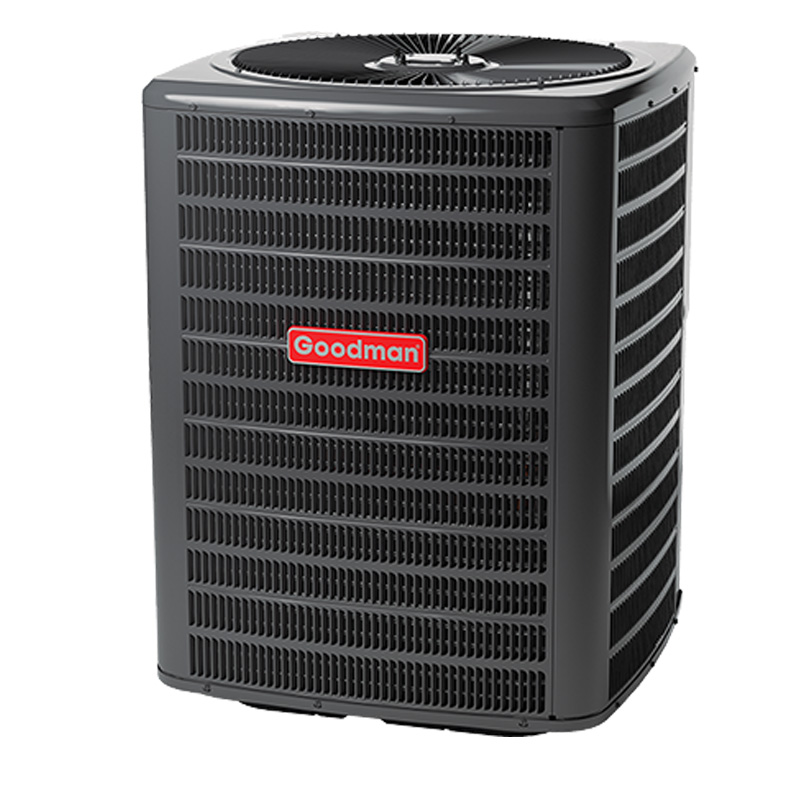
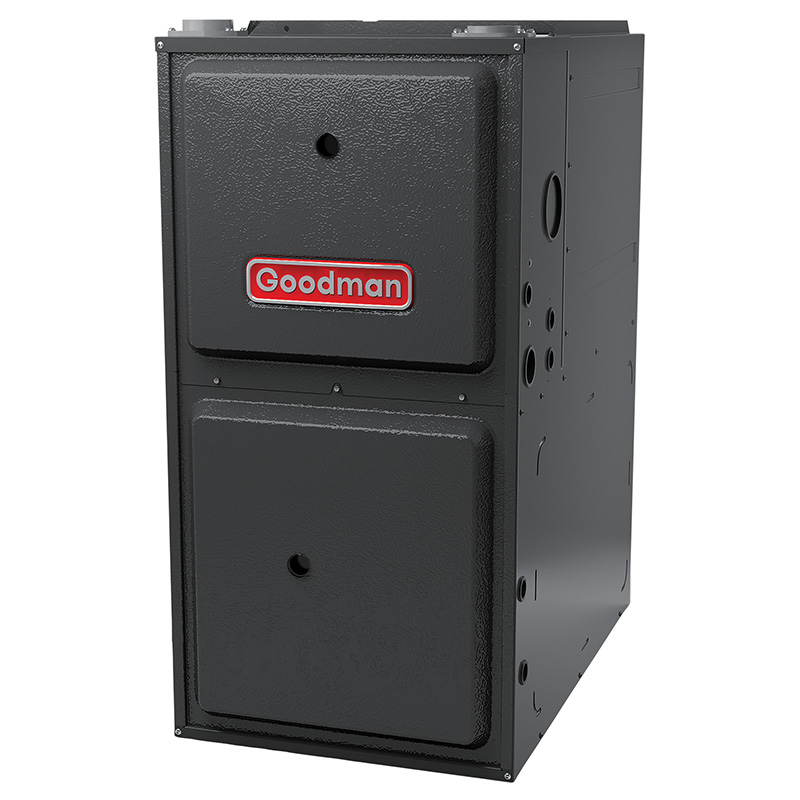
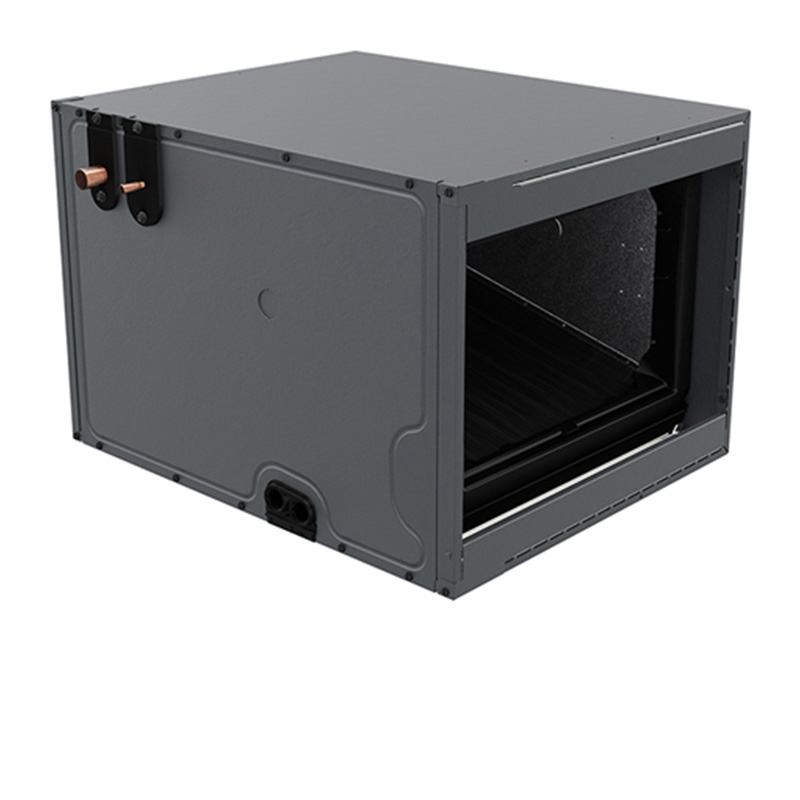
The Goodman GLXS4BA4810 pairs a 4-ton, 14.3 SEER2 central air conditioner with a 100,000 BTU, 97% AFUE modulating gas furnace in a horizontal configuration, making it a practical choice for homes where the air handler sits in a crawl space, attic, or utility closet with limited vertical clearance. The R-32 refrigerant charge is a meaningful update: R-32 has a lower global-warming potential than R-410A and is becoming the industry standard as manufacturers phase out older refrigerants. At 14.3 SEER2, the cooling side clears the federal minimum for most U.S. regions without reaching the cost tier of premium high-efficiency units, which suits buyers whose priority is replacing an aging system without a major budget stretch.
The furnace side is where this combo earns its keep. A 97% AFUE modulating burner with a variable-speed ECM blower motor is genuinely high-specification equipment: the modulating gas valve adjusts heat output in small increments rather than cycling fully on and off, which reduces temperature swings and lowers gas consumption significantly compared to single-stage or two-stage units. The ECM motor draws far less electricity than a standard PSC blower, typically 60 to 75 percent less, and its ability to ramp airflow up and down also improves dehumidification performance from the AC side. Homeowners who live in climates with cold winters and hot summers get the most out of this combination, as the furnace upgrades are where the operating cost savings accumulate over time.
This Goodman combo delivers genuinely capable heating technology at a price point that undercuts Carrier, Trane, and Lennox by a meaningful margin, making it a reasonable choice for budget-conscious buyers who want a high-efficiency furnace without a premium brand price. The 14.3 SEER2 AC side is entry-level efficient rather than exceptional, and Goodman's real-world reliability record shows a pattern of component failures around or after year 7 that buyers should plan for. The value proposition holds if you use a skilled installer and set aside a modest repair budget for the later years of ownership.
Overall score is the average of the five ratings above.
What we like
- 97% AFUE modulating furnace is genuinely high-efficiency, not just marketing language
- Variable-speed ECM motor reduces blower electricity costs and improves comfort consistency
- R-32 refrigerant is a forward-looking choice as R-410A is phased down
- Horizontal configuration broadens installation options for homes without vertical equipment space
- Purchase price is typically 15 to 25 percent below comparable Carrier, Trane, or Lennox systems
Trade-offs
- 14.3 SEER2 cooling efficiency is near the federal minimum; buyers in hot climates may want a higher-SEER2 option
- Dual-run capacitor failures are the most commonly reported repair, usually surfacing in years 5 through 10
- Compressor lifespan averages 10 to 14 years versus 15 to 20 years for premium-brand counterparts
- A minority of owners report refrigerant leaks in the first year, typically tied to install quality rather than a factory defect
What homeowners and pros say about Goodman
On the feedback channels where homeowners speak most candidly, Goodman sits in a complicated middle ground. Its ConsumerAffairs score of roughly 2.5 out of 5 reflects a platform that disproportionately captures frustrated owners, and the recurring story there is not early failure but rather repair costs that begin to stack up around year 7 or 8, particularly around dual-run capacitor replacements and, less frequently, evaporator coil refrigerant leaks. Google dealer reviews tell a more balanced story, averaging around 3.8 out of 5, where affordability is the praise most buyers lead with and the complaints tend to center on specific install experiences rather than the equipment itself.
HVAC technicians who work on Goodman equipment regularly tend to describe it as serviceable hardware that rewards a clean installation and punishes a careless one. The compressor longevity question is real: Goodman compressors average roughly 10 to 14 years in documented owner reports, which is a few years short of the 15 to 20 year expectation from Trane, Carrier, or Lennox at comparable usage. For this particular system, the furnace side earns more credibility than the AC side; modulating 97% AFUE equipment is a legitimate upgrade regardless of brand, and the ECM motor is a well-regarded design across the industry. The honest takeaway for this combo is that the heating technology is strong, the cooling is functional rather than standout, and long-term satisfaction will track closely with who installs it and how well it is maintained.
Sources: ConsumerAffairs Goodman owner reviews, AHRI Directory of Certified Product Performance, U.S. DOE appliance and equipment efficiency standards, Goodman product specification sheets.
What it costs to run
At 14.3 SEER2, cooling this 4-ton system for a typical 1200-hour cooling season at the U.S. average electricity rate of $0.17/kWh works out to roughly $685 per year in cooling, about $46 less per year than a minimum-efficiency 13.4 SEER2 unit of the same size. Your real cost depends on your climate and local rate.
Method: (48,000 BTU/hr ÷ 14.3 SEER2) × 1200 hours ÷ 1000 × $0.17/kWh. Rate source: U.S. EIA average; cooling hours: moderate-climate estimate.
How it compares
| Brand | Comparable model | SEER2 | Stage | Price position |
|---|---|---|---|---|
| Goodman | GLXS4BA4810 (this system) | 14.3 | Variable/Modulating | Value pick |
| Carrier | Comfort Series 24ACC6 | 14.3 | Single-stage | Typically 15 to 25 percent more than this Goodman system |
| Trane | XR14c | 14.3 | Single-stage | Typically 15 to 25 percent more than this Goodman system |
| Lennox | Merit ML14XC1 | 14.3 | Single-stage | Typically 15 to 25 percent more than this Goodman system |
Competitor rows are comparable single-stage units at similar efficiency; price is relative position, not a quote.
Questions about this system
Is 14.3 SEER2 going to hurt me on my electricity bill compared to a higher-efficiency AC?
It depends heavily on your climate and cooling hours. In the mid-Atlantic or Midwest, where cooling seasons are moderate, the operating cost gap between 14.3 SEER2 and, say, 17 SEER2 may take many years to recover in energy savings versus the price premium. In Florida or Arizona, where AC runs six or more months a year, a higher SEER2 unit is worth the investment. Run the numbers for your specific region using your local utility rate before deciding.
Why does this system use R-32 instead of R-410A, and does that affect service costs?
R-32 has roughly one-third the global-warming potential of R-410A and is being adopted industry-wide as R-410A is phased down under EPA regulations beginning in 2025. Service costs should be comparable once R-32 becomes more widely stocked by technicians, but in the near term some HVAC shops may have limited familiarity with it, so confirm your service contractor is equipped to work with R-32 before scheduling maintenance.
What does the horizontal configuration actually mean, and can this system be installed vertically?
Horizontal configuration means the air handler is oriented on its side, with airflow moving through it lengthwise rather than straight up or down. This makes it well-suited for attic or crawl space installs where headroom is limited. This specific model is rated and warranted for horizontal use; attempting a vertical install with a horizontal-only unit can affect drainage, performance, and warranty coverage, so always confirm the configuration matches your application.
What are the most likely repairs I should budget for over the first 10 years?
The most commonly reported failure point on Goodman AC equipment is the dual-run capacitor, typically a straightforward repair in the 300 to 600 dollar range when handled by a technician. Evaporator coil refrigerant leaks appear in a meaningful share of owner reports and can be more costly depending on severity. Budgeting a few hundred dollars per year in a repair fund starting around year 5 is a reasonable precaution.
Does the modulating furnace require any special thermostat or wiring beyond a standard install?
Yes, modulating variable-speed furnaces typically require a communicating thermostat or at minimum a thermostat with a compatible control signal to take full advantage of multi-stage modulation. A basic two-wire thermostat will often default the furnace to a limited number of firing stages. Discuss thermostat compatibility with your installer before purchasing the control so you capture the efficiency and comfort benefits the modulating valve is designed to deliver.
Specifications
| Cooling capacity | 4 Ton |
| Efficiency | 14.3 SEER2 |
| Furnace output | 100000 BTU |
| Furnace efficiency | 97% AFUE |
| Configuration | Horizontal |
| Refrigerant | R-32 |
| Model | GLXS4BA4810 |