Goodman Furnace AC Combo – 4 Ton 14.3 SEER2 AC With 120000 BTU 97% AFUE Modulating Variable-Speed ECM Gas Furnace System – Horizontal | R32
View on AC Direct see your lowest price →Check current price on AC Direct →
Key features
- 97% AFUE modulating gas furnace with variable-speed ECM blower for consistent comfort and lower fan energy use
- 4-ton, 14.3 SEER2 cooling capacity meets 2023 federal minimum efficiency standard for this size class
- R-32 refrigerant charge requires an installer certified and equipped for R-32 handling
- Horizontal configuration designed for attic, crawlspace, or side-discharge installations
- 120,000 BTU heating output suited to larger homes or cold climates with high heat-loss loads
- Modulating burner stages output in small increments, reducing temperature swings and short-cycling
About this system
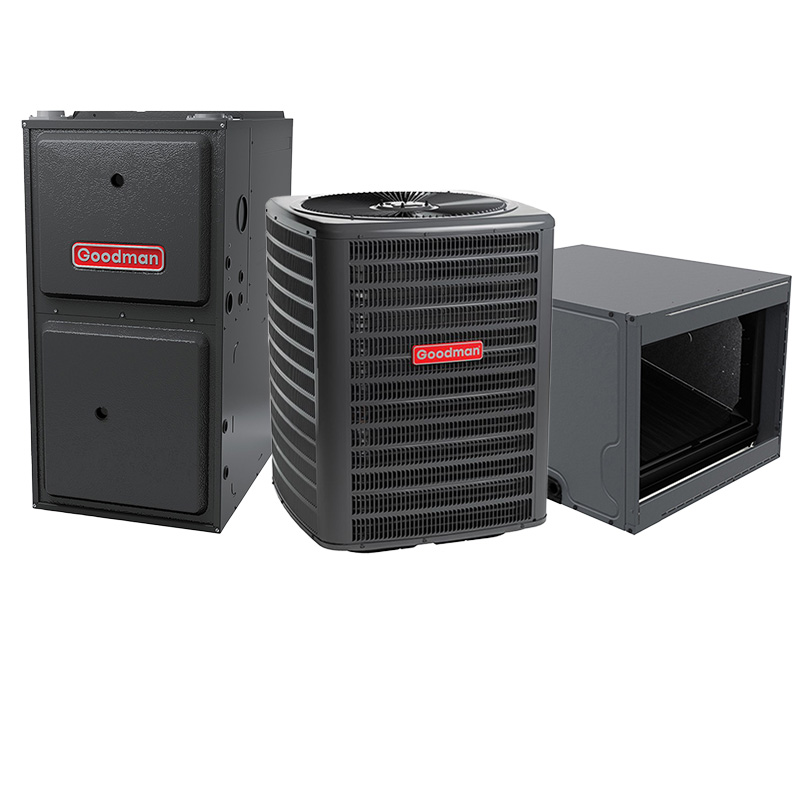
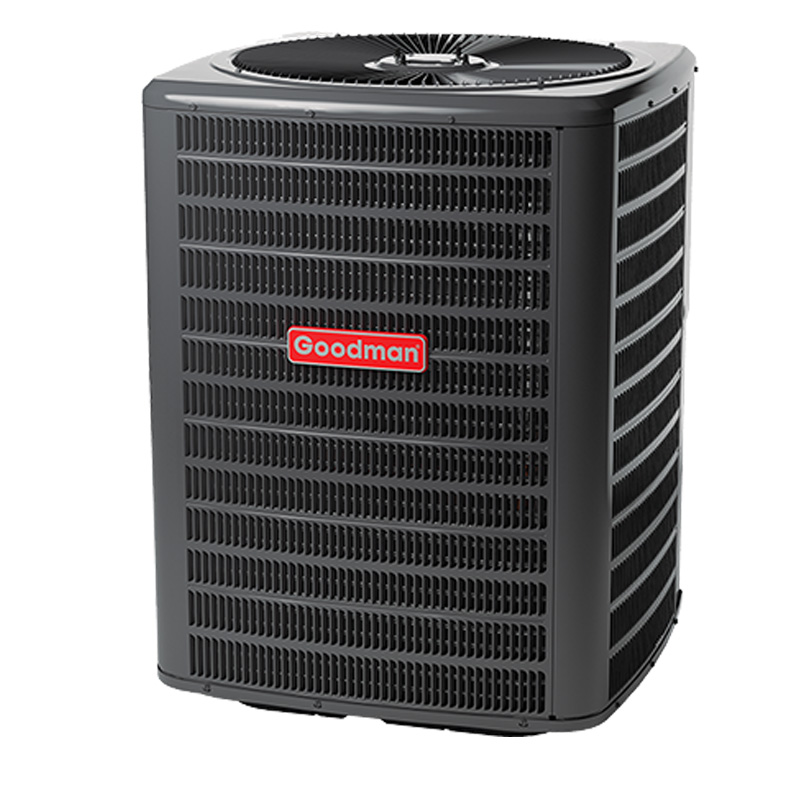
The Goodman GLXS4BA4810 pairs a 4-ton, 14.3 SEER2 central air conditioner with a 120,000 BTU, 97% AFUE modulating gas furnace in a horizontal configuration, making it a strong candidate for homes where attic or crawlspace installation is the only practical option. The R-32 refrigerant charge reflects a genuine shift in the industry toward lower global-warming-potential refrigerants, and it runs at slightly higher pressure than the R-410A systems it replaces, so the installer must be certified and equipped for R-32 specifically.
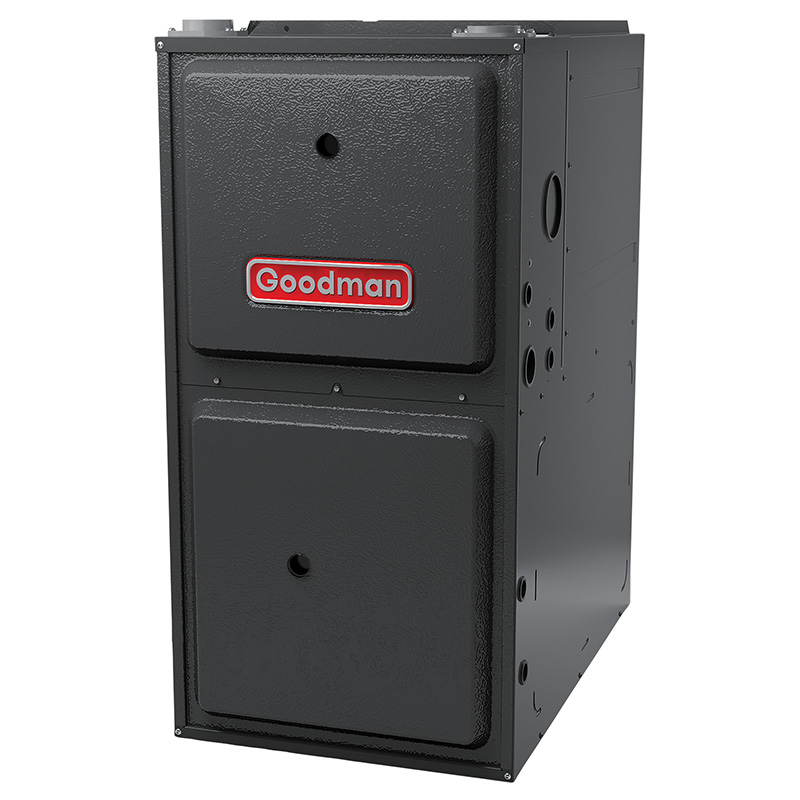
The furnace side is where this package earns its keep on paper. Modulating burners adjust output in small increments rather than snapping between high and low, which means steadier temperatures room to room and fewer cold blasts on startup. The variable-speed ECM blower motor compounds that comfort benefit while drawing significantly less electricity than a standard PSC motor. A 97% AFUE rating puts this furnace near the top of the efficiency range available in residential equipment, so nearly all the gas consumed becomes heat rather than flue loss. For a large home in a cold climate, that efficiency gap over an 80% unit can meaningfully offset the higher upfront cost over several heating seasons.
The 14.3 SEER2 rating on the cooling side is the federal minimum tier for this equipment class as of 2023, so buyers in mild climates or those who prioritize furnace performance over summer efficiency will find the value proposition reasonable. Households in the Sun Belt or those running the AC heavily from May through October may want to weigh a higher-SEER2 system before committing. Horizontal installation adds mechanical complexity compared to upflow or downflow configurations, and that complexity makes choosing an experienced installer even more important than usual with Goodman equipment.
This Goodman combo delivers a genuinely high-efficiency furnace and a baseline-efficiency AC at a price point that undercuts comparable Carrier, Trane, and Lennox systems by 15 to 25 percent. The furnace specs are legitimately strong, but the long-term value depends heavily on installation quality and the willingness to budget for potential repair costs as the system ages past the seven-year mark. It is a sensible buy for cost-conscious homeowners with a qualified R-32 installer lined up, not a set-it-and-forget-it premium product.
Overall score is the average of the five ratings above.
What we like
- 97% AFUE modulating furnace is among the most efficient residential options available at any price point
- Variable-speed ECM blower reduces electricity consumption and improves air circulation compared to single-speed motors
- Priced 15 to 25 percent below comparable Trane, Lennox, and Carrier systems for the same efficiency tier
- R-32 refrigerant has a lower global-warming potential than R-410A, aligning with evolving regulations
- Modulating burner operation reduces temperature swings and improves comfort in larger or multi-zone homes
Trade-offs
- 14.3 SEER2 is the federal minimum for this size class, offering no efficiency headroom on the cooling side for high-AC-use climates
- Dual-run capacitors are the most commonly reported failure point and evaporator coil leaks appear in a notable share of owner reviews, suggesting ongoing maintenance costs are likely
- Compressor lifespan averages 10 to 14 years versus 15 to 20 years reported for premium brands, meaning earlier replacement risk in the back half of ownership
- Horizontal configuration is mechanically more involved than upflow or downflow installs, and Goodman outcomes are especially sensitive to installer skill and refrigerant charge accuracy
What homeowners and pros say about Goodman
Goodman sits at roughly 3.8 out of 5 across Google dealer reviews, where the most consistent praise centers on affordability and the ability to get a full system replaced without the sticker shock that comes with premium brands. HVAC technicians who install Goodman regularly tend to describe it as a capable product when the refrigerant charge, static pressure, and electrical connections are dialed in correctly, and a frustrating one when they are not. That install-dependency is the theme that runs through most professional commentary on the brand: the equipment is not forgiving of shortcuts the way a higher-tolerance premium unit might be, and horizontal configurations raise the stakes further because condensate management and line-set orientation leave less room for error.
On the ownership side, ConsumerAffairs scores Goodman at roughly 2.5 out of 5, a channel that skews toward complaints, but the recurring pattern in those reviews is worth taking seriously: repair costs tend to climb noticeably after about year seven. The specific failure modes that show up most in owner accounts align with what technicians report in the field: dual-run capacitor failures, evaporator coil leaks, and compressor lifespans that average 10 to 14 years rather than the 15 to 20 years more commonly associated with Carrier, Trane, and Lennox compressors. The modulating furnace in this particular package adds mechanical sophistication that the base Goodman line does not offer, and owners who invest in annual maintenance tend to report better longevity outcomes than those who treat the system as set-and-forget. The value case is real; so is the need to go in with realistic expectations about long-term maintenance costs.
Sources: ConsumerAffairs Goodman owner reviews, AHRI Directory of Certified Product Performance, U.S. DOE appliance and equipment efficiency standards, Goodman product specification sheets.
What it costs to run
At 14.3 SEER2, cooling this 4-ton system for a typical 1200-hour cooling season at the U.S. average electricity rate of $0.17/kWh works out to roughly $685 per year in cooling, about $46 less per year than a minimum-efficiency 13.4 SEER2 unit of the same size. Your real cost depends on your climate and local rate.
Method: (48,000 BTU/hr ÷ 14.3 SEER2) × 1200 hours ÷ 1000 × $0.17/kWh. Rate source: U.S. EIA average; cooling hours: moderate-climate estimate.
How it compares
| Brand | Comparable model | SEER2 | Stage | Price position |
|---|---|---|---|---|
| Goodman | GLXS4BA4810 (this system) | 14.3 | Variable (furnace modulating) / Single-stage (AC) | Value pick |
| Carrier | Comfort 14 Series (24ACC6) | 14.3 | Single-stage | Typically 15 to 25 percent more than this Goodman package |
| Trane | XR14c Series | 14.3 | Single-stage | Typically 15 to 25 percent more than this Goodman package |
| Lennox | Merit ML14XC1 Series | 14.3 | Single-stage | Typically 15 to 25 percent more than this Goodman package |
Competitor rows are comparable single-stage units at similar efficiency; price is relative position, not a quote.
Questions about this system
Is a special certification required to install this system because it uses R-32 refrigerant?
Yes. R-32 operates at higher pressure than R-410A and requires technicians to use R-32-compatible gauges, hoses, and recovery equipment. Confirm your installer holds the appropriate certification and has hands-on R-32 experience before signing a contract, since an improper charge is one of the documented causes of refrigerant leaks in the first year of Goodman ownership.
What does the horizontal configuration mean for my installation, and why does it matter?
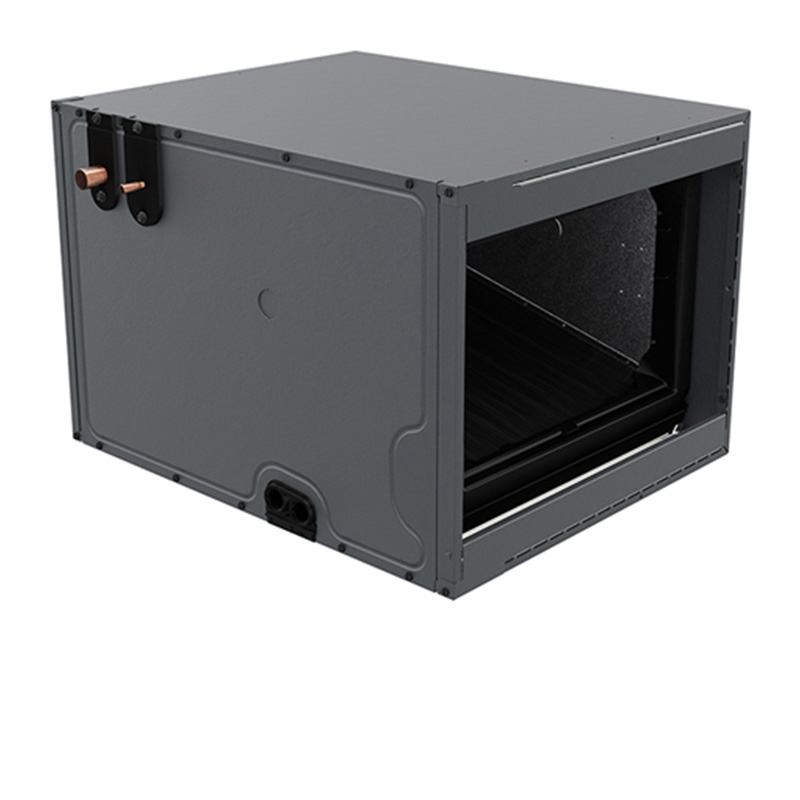
Horizontal means the air handler lies on its side rather than standing upright, which suits attics, crawlspaces, or utility areas where vertical clearance is limited. This orientation adds complexity to the condensate drain and refrigerant line routing, and because Goodman's real-world performance is closely tied to install quality, a horizontal setup makes choosing an experienced contractor more important, not less.
The furnace is 120,000 BTU. How do I know if that is the right size for my home?
Furnace sizing should come from a Manual J heat-loss calculation performed by your HVAC contractor, not from square footage rules of thumb. Oversizing a modulating furnace wastes less energy than oversizing a single-stage unit because the burner can run at reduced output, but a significantly oversized system still increases upfront cost without proportional benefit. Have your contractor run the calculation before finalizing the order.
What are the most likely repair costs I should budget for over the first ten years?
Dual-run capacitor failure is the most commonly reported issue with Goodman equipment and typically costs between $300 and $600 to repair, including labor. Evaporator coil leaks appear in a meaningful share of owner accounts and can run considerably higher depending on parts and refrigerant recovery costs. Setting aside a few hundred dollars per year in a maintenance fund is a reasonable precaution for any budget-brand HVAC system.
How does 14.3 SEER2 on the AC side compare to what I could get if I upgraded?
14.3 SEER2 is the current federal minimum for a 4-ton split system in most U.S. regions, so this unit meets the baseline standard but offers no efficiency cushion above it. If you live in a climate where you run the AC heavily from late spring through early fall, a 16 or 18 SEER2 system will reduce summer operating costs, and the payback period is shorter than many homeowners expect in high-cooling-load regions. The higher-efficiency AC option is worth pricing out before you commit to this package.
Specifications
| Cooling capacity | 4 Ton |
| Efficiency | 14.3 SEER2 |
| Furnace output | 120000 BTU |
| Furnace efficiency | 97% AFUE |
| Configuration | Horizontal |
| Refrigerant | R-32 |
| Model | GLXS4BA4810 |