Goodman Furnace AC Combo – 4 Ton 14.3 SEER2 AC With 80000 BTU 97% AFUE Modulating Variable-Speed ECM Gas Furnace System – Horizontal | R32
View on AC Direct see your lowest price →Check current price on AC Direct →
Key features
- 97% AFUE modulating gas furnace minimizes fuel waste across all firing rates
- Variable-speed ECM blower motor reduces electricity consumption compared to single-speed alternatives
- 14.3 SEER2 air conditioner meets current federal minimum efficiency standards
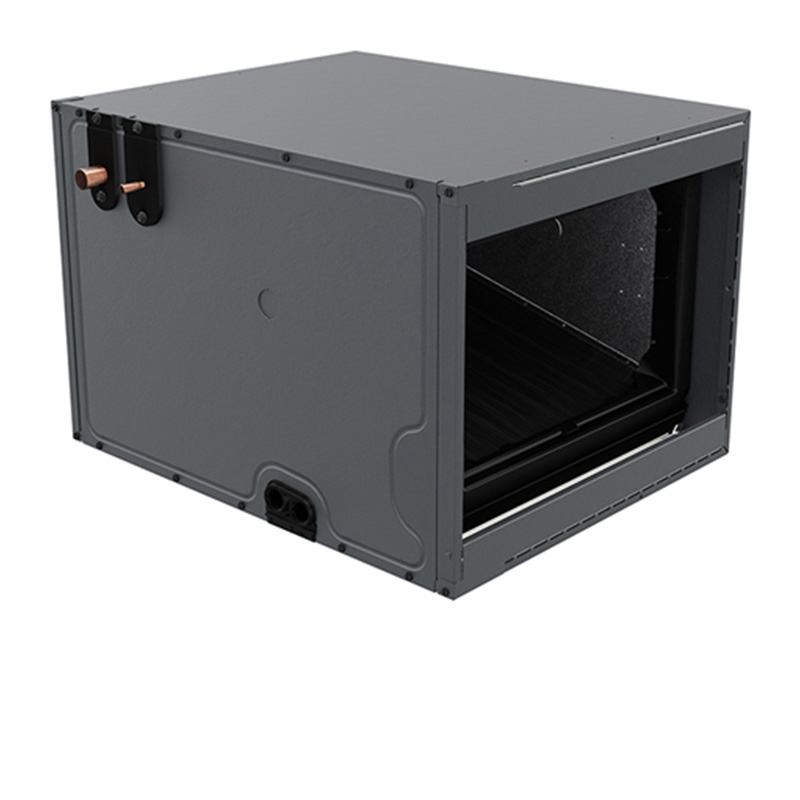
- Horizontal configuration designed for attic, crawlspace, and tight-clearance installations
- R-32 refrigerant with lower global warming potential than R-410A
- 4-ton capacity suited for homes roughly 2,000 to 2,600 square feet depending on climate and insulation
About this system
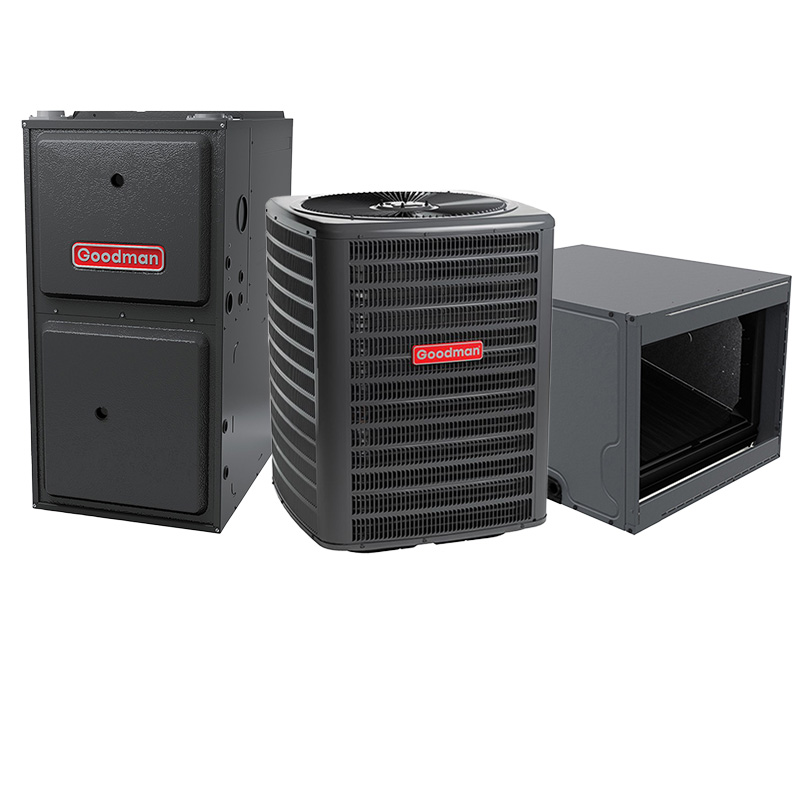
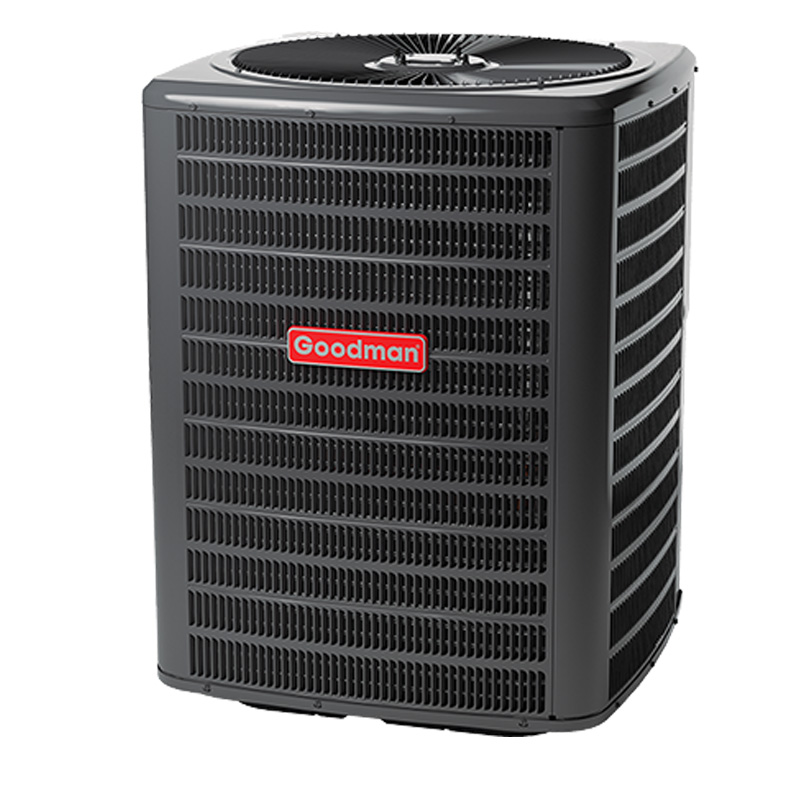
The Goodman GLXS4BA4810 pairs a 4-ton, 14.3 SEER2 air conditioner with an 80,000 BTU, 97% AFUE modulating gas furnace in a horizontal configuration, making it a strong candidate for attic or crawlspace installations where vertical units simply will not fit. The R-32 refrigerant charge is a forward-looking choice: R-32 has a lower global warming potential than R-410A and is increasingly the industry standard, so sourcing refrigerant for service calls should remain straightforward for years to come.
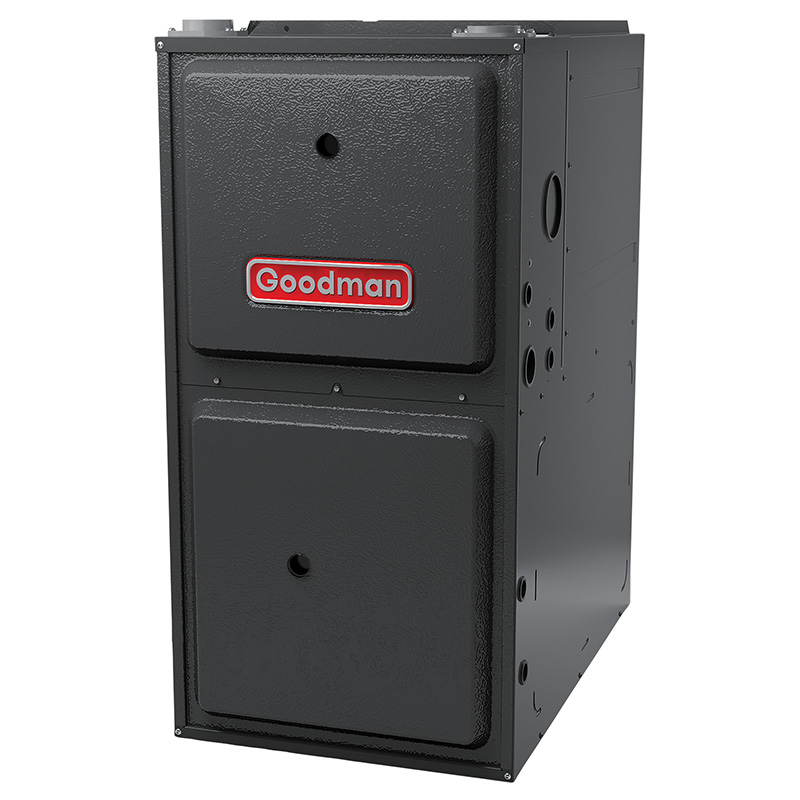
The furnace side is where this system genuinely earns attention. A 97% AFUE rating sits at the top tier of residential gas heating efficiency, meaning only 3% of fuel is lost as exhaust. Modulating operation lets the burner adjust output in small increments rather than simply cycling on and off, which smooths out temperature swings and reduces energy spikes. The variable-speed ECM blower motor compounds those savings by running at the lowest speed needed to maintain comfort, cutting fan electricity use significantly compared to single-speed PSC motors. Together, these features suit homeowners in cold climates who run their heating systems hard for several months each year and want to see real reductions in monthly gas and electric bills. The 14.3 SEER2 cooling efficiency is entry-level by current standards, so buyers in hot southern climates who run air conditioning most of the year may want to weigh a higher-SEER2 system before committing.
This system offers a high-efficiency furnace at a price point well below Trane, Lennox, and Carrier equivalents, making it a financially sensible choice for budget-conscious buyers who can secure skilled installation. The 14.3 SEER2 cooling side is modest, and Goodman's reliability record shows real vulnerabilities around year 7 and beyond, so buyers should budget for a service plan or set aside a repair fund. The modulating furnace and ECM blower are genuinely premium features for the price tier.
Overall score is the average of the five ratings above.
What we like
- 97% AFUE modulating furnace is among the most efficient available at any price point
- Variable-speed ECM blower improves comfort and lowers operating costs versus fixed-speed alternatives
- Horizontal configuration fills a real installation gap where vertical units cannot be used
- R-32 refrigerant is future-friendly and increasingly well-supported by service technicians
- Purchase price typically runs 15 to 25 percent below comparable Carrier, Trane, and Lennox systems
Trade-offs
- 14.3 SEER2 cooling efficiency is entry-level and may leave savings on the table in hot, cooling-dominated climates
- Compressor lifespan averages 10 to 14 years versus 15 to 20 years documented in premium-brand equipment
- Dual-run capacitors and evaporator coil leaks are recurring failure points reported by owners, adding to long-term service costs
- Overall system performance depends heavily on installation quality, and a poor install can undermine even the furnace's high AFUE rating
What homeowners and pros say about Goodman
Homeowners who research Goodman online quickly encounter a split picture. On ConsumerAffairs, the brand scores around 2.5 out of 5, a channel where dissatisfied customers are overrepresented and where the recurring complaint is repair costs climbing after roughly year 7. Google dealer reviews tell a more balanced story at around 3.8 out of 5, where affordability draws the most consistent praise. For this particular system, owners who heat more than they cool tend to be the most satisfied, since the 97% AFUE modulating furnace delivers real, measurable efficiency gains that show up on winter gas bills. The variable-speed ECM blower also gets positive mentions for quieter, steadier airflow compared to older single-speed systems.
HVAC technicians who work on Goodman equipment regularly point to two recurring concerns specific to the brand: dual-run capacitor failures on the cooling side and evaporator coil leaks that appear more often than in premium-brand equipment. A small share of owners also report refrigerant leaks within the first year, which technicians typically attribute to installation or initial charge issues rather than a manufacturing defect. On the furnace side, the modulating components are generally seen as reliable, though pros note that compressor longevity in Goodman equipment averages 10 to 14 years, a shorter window than the 15 to 20 years more commonly seen in Trane, Carrier, and Lennox units. The consensus from both homeowners and tradespeople is consistent: Goodman equipment can perform well, but the quality of the installing contractor shapes the outcome more than almost any other factor.
Sources: ConsumerAffairs Goodman owner reviews, AHRI Directory of Certified Product Performance, U.S. DOE appliance and equipment efficiency standards, Goodman product specification sheets.
What it costs to run
At 14.3 SEER2, cooling this 4-ton system for a typical 1200-hour cooling season at the U.S. average electricity rate of $0.17/kWh works out to roughly $685 per year in cooling, about $46 less per year than a minimum-efficiency 13.4 SEER2 unit of the same size. Your real cost depends on your climate and local rate.
Method: (48,000 BTU/hr ÷ 14.3 SEER2) × 1200 hours ÷ 1000 × $0.17/kWh. Rate source: U.S. EIA average; cooling hours: moderate-climate estimate.
How it compares
| Brand | Comparable model | SEER2 | Stage | Price position |
|---|---|---|---|---|
| Goodman | GLXS4BA4810 (this system) | 14.3 | Modulating / Variable-speed | Value pick |
| Carrier | Performance 14 (24ACC4) with 58MXB furnace | 14.3-14.5 | Single-stage | Typically 15 to 25 percent more than Goodman |
| Trane | XR14c with S9X2 furnace | 14.3-15.0 | Single-stage | Typically 15 to 25 percent more than Goodman |
| Lennox | Merit 14ACX with ML196E furnace | 14.3 | Single-stage | Typically 15 to 25 percent more than Goodman |
Competitor rows are comparable single-stage units at similar efficiency; price is relative position, not a quote.
Questions about this system
Why is the horizontal configuration important, and does it affect performance?
Horizontal units are engineered to lie on their side, which matters in attics, crawlspaces, and manufactured homes where upright installation is not possible. Orientation does not reduce efficiency or capacity, but horizontal installations must be level and properly supported to prevent condensate drainage problems and vibration issues over time.
What does modulating mean on the furnace, and how does it affect my gas bill?
A modulating furnace adjusts its burner output in small steps, running at a lower capacity during milder weather rather than always firing at full blast. Combined with the 97% AFUE rating, this can meaningfully cut heating costs compared to a single-stage 80% AFUE unit, though exact savings depend on your climate, home insulation, and local gas rates.
Is R-32 refrigerant hard to find for service, and is it safe?
R-32 is becoming the dominant refrigerant in new residential equipment globally, and supply in North America is growing steadily. It is mildly flammable, which is why certified technicians handle it, but it poses no unusual risk to homeowners and is considered a cleaner alternative to R-410A from an environmental standpoint.
What are the most common repairs I should budget for over the life of this system?
Dual-run capacitor failures are the most frequently reported issue on Goodman cooling equipment and typically cost between 300 and 600 dollars to fix. Evaporator coil leaks appear in a meaningful share of owner reports and can be more expensive. Setting aside a few hundred dollars per year in a maintenance fund is a practical approach for any system in this price tier.
How long should I expect this system to last, and does installation quality really matter that much?
Goodman compressors average roughly 10 to 14 years based on owner reports, compared to 15 to 20 years for premium brands. However, installation quality is consistently cited by HVAC technicians as the single biggest variable in how long any Goodman system lasts, so spending more on an experienced, licensed contractor can be as important as the equipment purchase itself.
Specifications
| Cooling capacity | 4 Ton |
| Efficiency | 14.3 SEER2 |
| Furnace output | 80000 BTU |
| Furnace efficiency | 97% AFUE |
| Configuration | Horizontal |
| Refrigerant | R-32 |
| Model | GLXS4BA4810 |