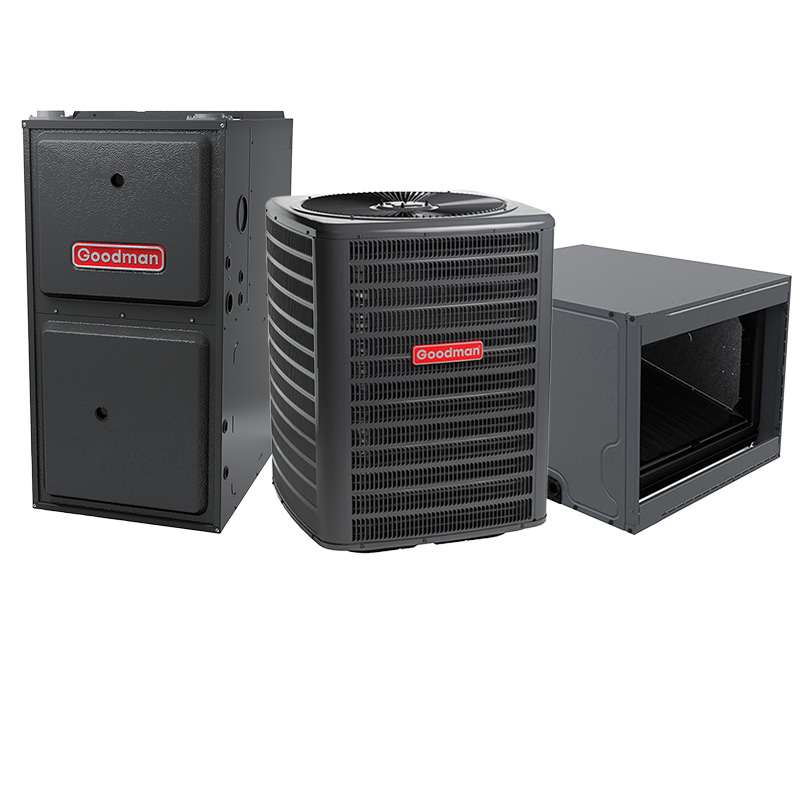
Goodman Furnace AC Combo – 5 Ton 13.4 SEER2 AC With 120000 BTU 97% AFUE Modulating Variable-Speed ECM Gas Furnace System – Horizontal | R32
View on AC Direct see your lowest price →Check current price on AC Direct →
Key features
- 5-ton cooling capacity with 13.4 SEER2 efficiency rating
- 120,000 BTU modulating gas furnace at 97% AFUE
- Variable-speed ECM blower motor for quieter, more consistent airflow
- Horizontal configuration for attic, crawl space, or closet installs
- R-32 refrigerant charge compatible with current and near-future standards
- Modulating burner stages output gradually for tighter temperature control
About this system
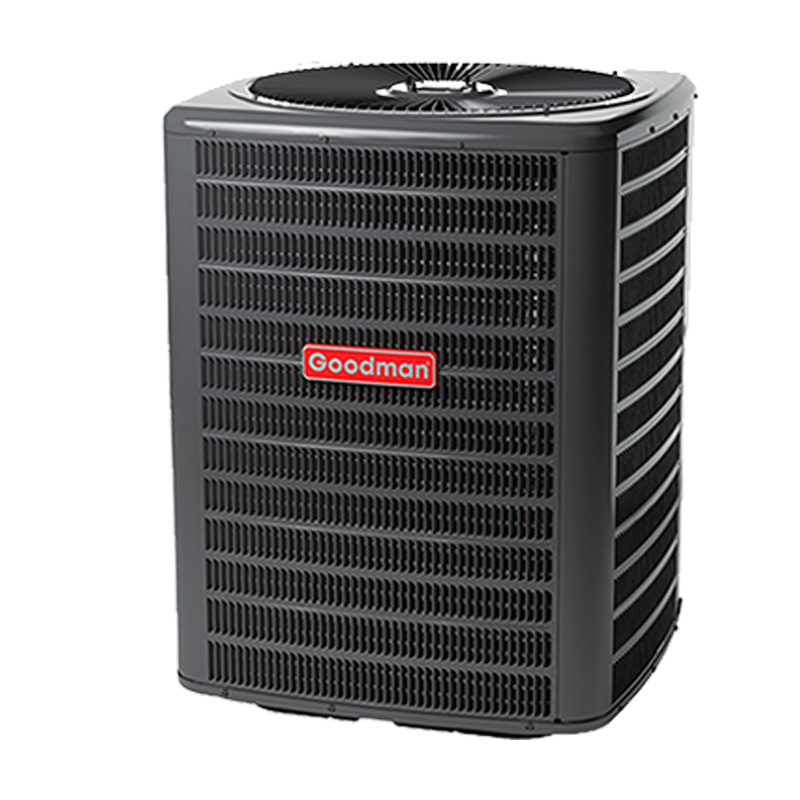
This Goodman combination system pairs a 5-ton, 13.4 SEER2 air conditioner with a 120,000 BTU, 97% AFUE modulating gas furnace in a horizontal configuration, making it a purpose-built option for attic installations, crawl spaces, or side-discharge air handler closets where vertical units simply will not fit. The R-32 refrigerant charge reflects a newer low-global-warming-potential standard that is increasingly common across the industry and will remain serviceable as R-410A is phased down. At 5 tons, this system is sized for larger homes, typically in the 2,400 to 3,200 square foot range depending on climate, insulation, and local Manual J calculations.
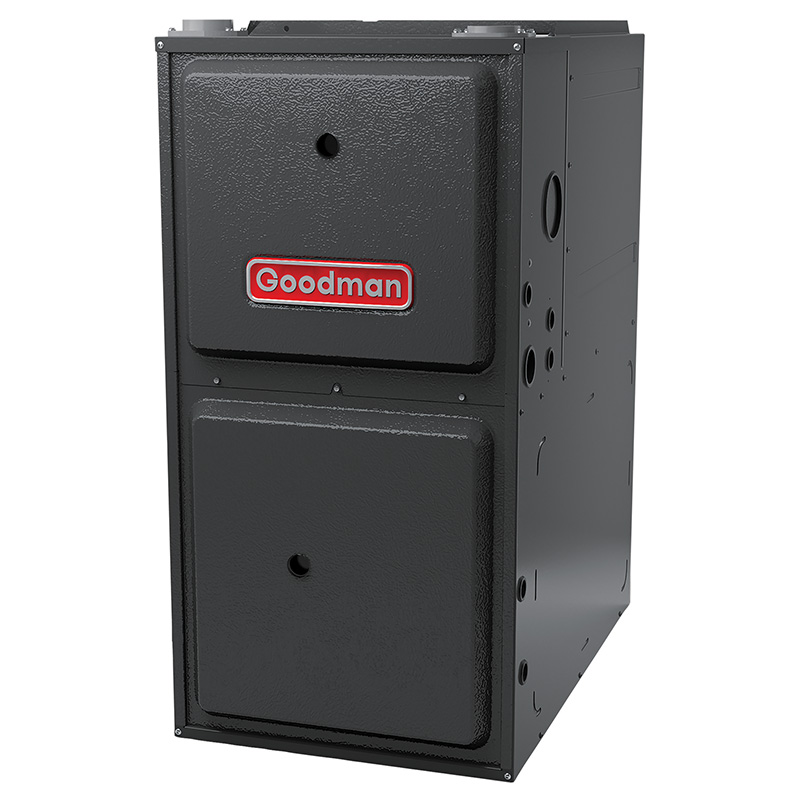
The furnace side is where this package stands out most on paper. A 97% AFUE modulating burner with a variable-speed ECM blower motor represents near-top-tier heating efficiency regardless of brand. Modulating means the burner adjusts its output in small increments rather than cycling fully on and off, which translates to steadier indoor temperatures, quieter operation, and lower fuel bills compared to single- or two-stage units. The ECM blower adds further efficiency on both heating and cooling cycles. That said, the 13.4 SEER2 rating on the AC side lands at the entry-level efficiency tier for new equipment, just clearing the current federal minimum for most U.S. regions. Buyers prioritizing lower summer utility bills over upfront cost should weigh higher-SEER2 alternatives carefully.
This system offers a genuinely high-performing furnace paired with baseline-efficiency cooling, at a price point well below Trane, Lennox, or Carrier equivalents. It is a sensible choice for cost-conscious buyers in heating-dominant climates who want premium furnace technology without premium brand pricing, provided they invest in a skilled installer and plan for the brand's documented component service costs over time.
Overall score is the average of the five ratings above.
What we like
- 97% AFUE modulating furnace is among the most efficient available at any price point
- Variable-speed ECM motor improves comfort, air quality, and blower efficiency year-round
- Horizontal configuration opens up installation locations unavailable to vertical systems
- R-32 refrigerant is forward-compatible as older refrigerants phase out
- Priced roughly 15 to 25 percent below comparable Carrier, Trane, and Lennox systems
Trade-offs
- 13.4 SEER2 is the minimum-efficiency tier; summer cooling costs will be higher than mid- or high-efficiency alternatives
- Dual-run capacitors and evaporator coil leaks are documented recurring failure points across Goodman owner reports
- Compressor lifespan averages 10 to 14 years versus 15 to 20 years typical of premium brands
- A minority of owners report refrigerant leaks in year one, most traced to install or initial charge issues rather than the unit itself
What homeowners and pros say about Goodman
Goodman carries a split reputation in owner and contractor circles. On Google dealer reviews the brand averages around 3.8 out of 5 stars, where affordability is consistently the most cited reason people chose it and are satisfied. On ConsumerAffairs, the score drops to roughly 2.5 out of 5, a channel that skews toward frustrated owners, where the recurring theme is repair costs rising after about year seven of ownership. Neither number tells the whole story, but together they sketch a brand that delivers acceptable performance early in its life and rewards buyers who keep up with maintenance and use a skilled installer. For this specific system, the furnace spec is genuinely strong at any price point, but the AC side carries the same component risk profile as the broader Goodman lineup.
HVAC technicians who work on Goodman equipment frequently point to dual-run capacitor failures as the most common service call, generally a straightforward and relatively low-cost repair. Evaporator coil leaks appear often enough in owner accounts to be worth noting as a realistic mid-life risk rather than a worst-case scenario. Compressor longevity averages in the 10 to 14 year range for Goodman, which is meaningfully shorter than the 15 to 20 year average technicians associate with Trane, Lennox, or Carrier compressors. A minority of owners also report refrigerant leaks in the first year, which most in the trade attribute to installation or charge issues rather than factory defects. The upshot from both groups is consistent: Goodman can be a solid buy if the installation is done right, but it is not the unit to cut corners on labor costs.
Sources: ConsumerAffairs Goodman owner reviews, AHRI Directory of Certified Product Performance, U.S. DOE appliance and equipment efficiency standards, Goodman product specification sheets.
What it costs to run
At 13.4 SEER2, cooling this 5-ton system for a typical 1200-hour cooling season at the U.S. average electricity rate of $0.17/kWh works out to roughly $913 per year in cooling, about $0 less per year than a minimum-efficiency 13.4 SEER2 unit of the same size. Your real cost depends on your climate and local rate.
Method: (60,000 BTU/hr ÷ 13.4 SEER2) × 1200 hours ÷ 1000 × $0.17/kWh. Rate source: U.S. EIA average; cooling hours: moderate-climate estimate.
How it compares
| Brand | Comparable model | SEER2 | Stage | Price position |
|---|---|---|---|---|
| Goodman | 5T 13.4 SEER2 AC / 120K BTU 97% AFUE Modulating Horizontal | 13.4 | Variable / Modulating | Value pick |
| Carrier | Performance 13 / 58MVC Gas Furnace (comparable combo) | 13.4 | Single-stage / Variable | Typically 15 to 25 percent more than this Goodman system |
| Trane | XR13 AC / S9X2 Gas Furnace (comparable combo) | 13.4 | Single-stage / Two-stage | Typically 15 to 25 percent more than this Goodman system |
| Lennox | Merit 13ACX AC / ML296V Gas Furnace (comparable combo) | 13.4 | Single-stage / Variable | Typically 15 to 25 percent more than this Goodman system |
Competitor rows are comparable single-stage units at similar efficiency; price is relative position, not a quote.
Questions about this system
Is 13.4 SEER2 going to pass code in my state?
13.4 SEER2 meets the current federal minimum for most U.S. climate zones, but some states and localities have adopted stricter minimums. Check your state energy code or ask your installer before purchasing, particularly if you are in the Southwest or Southeast where higher minimums may apply.
What does horizontal configuration actually mean for my install?
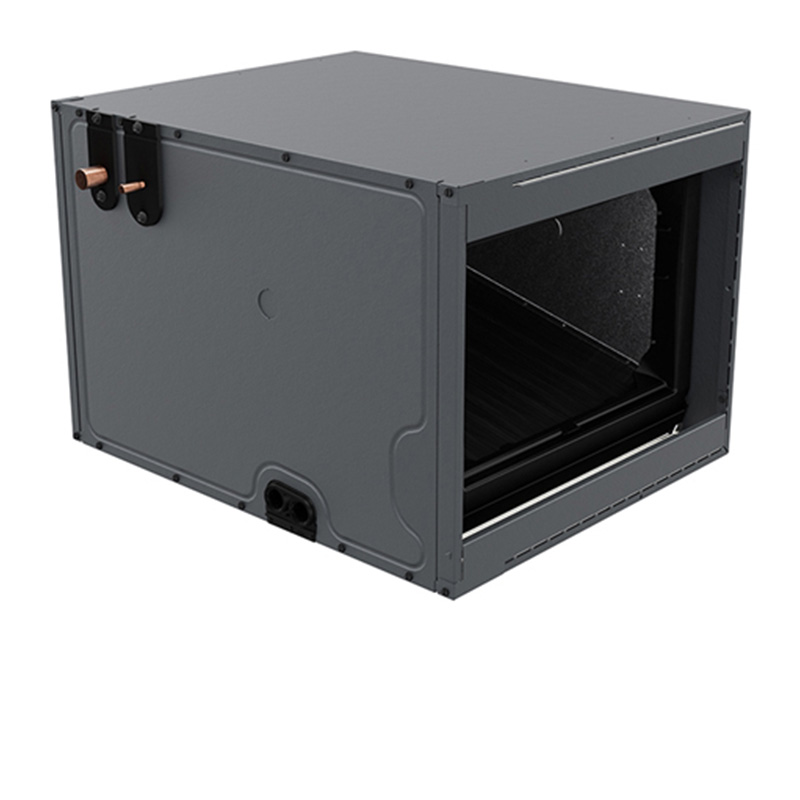
Horizontal means the air handler section is designed to lie on its side, discharging air from the end rather than the bottom or top. This is required in attic installations with low clearance, certain closet setups, and crawl-space applications. It is not interchangeable with a vertical unit without specific conversion provisions.
How does R-32 affect service costs compared to R-410A systems?
R-32 is already widely used in new equipment and is expected to remain available and relatively affordable as R-410A is phased down under federal regulations. Any certified HVAC technician with updated equipment can handle R-32, so you are unlikely to face a refrigerant availability problem at service time.
What are the most common repairs I should budget for on a Goodman system?
Based on documented owner reports, dual-run capacitor failure is the most frequent issue and is typically a low-cost repair in the 300 to 600 dollar range. Evaporator coil leaks appear in a meaningful share of reviews and are a more significant expense. Budgeting for one or two service calls in the 7 to 12 year window is realistic.
Does the modulating furnace actually make a noticeable comfort difference compared to a two-stage unit?
Most homeowners and technicians report that modulating furnaces run longer at lower output, which evens out temperature swings, reduces cold blasts at startup, and operates more quietly than two-stage units. The ECM blower further smooths airflow. The difference is real but most noticeable in open floor plans or rooms far from the air handler.
Specifications
| Cooling capacity | 5 Ton |
| Efficiency | 13.4 SEER2 |
| Furnace output | 120000 BTU |
| Furnace efficiency | 97% AFUE |
| Configuration | Horizontal |
| Refrigerant | R-32 |